
Main Courses
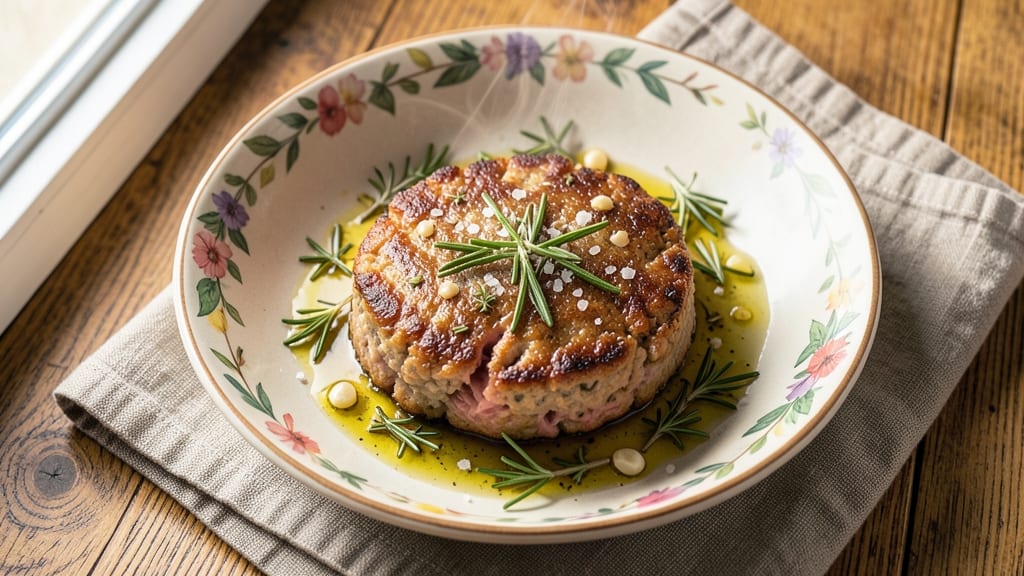
Transforming 1 lb ground pork into a restaurant-worthy dish only takes 20 minutes and a few smart techniques I perfected during my time at The Smoky Pig.
The secret lies in achieving that perfect savory garlic-herb crust while keeping the centers juicy—something I learned from Master Chef Chen about balancing heat and moisture. This recipe delivers bold flavors without requiring fancy ingredients, making it ideal for weeknight dinners that still feel special.
What sets this dish apart is the two-stage cooking method: first searing the pork in a hot pan to develop that flavorful crust, then finishing it with aromatic herbs and garlic to infuse every bite.
I use a blend of fresh rosemary and thyme for depth, but don't worry—this works just as well with whatever herbs you have on hand. The result is pork that's packed with flavor, tender throughout, and ready to pair with your favorite sides.
By the time you're done, you'll have a dish that's juicy and aromatic, with a crust that's crisp enough to hold its shape but tender enough to melt in your mouth. The herbs and garlic create layers of complexity that elevate simple ground pork into something memorable.
This is the kind of meal that makes you want to cook more often—because it's that good.
Serve it over mashed potatoes for a comforting classic, or with crusty bread to soak up those rich juices. The leftovers reheat beautifully too, making this a perfect recipe for meal prep. Let's get cooking!
Ingredients for 1 lb ground pork
Just 11 ingredients transform simple ground pork into restaurant-quality flavor in 20 minutes.
| Ingredient | Amount | Notes |
|---|---|---|
| Ground Pork 🥩 | 1 lb | 80/20 fat ratio preferred |
| Garlic Cloves 🧄 | 4 cloves | Minced finely for even distribution |
| Fresh Rosemary 🌿 | ¼ cup | Chopped finely, stems removed |
| Fresh Thyme 🌿 | 0.15 cup | Leaves only, finely chopped |
| Olive Oil 🫒 | 1 ½ tbsp | Extra-virgin for best flavor |
| Salt 🧂 | 1 ½ tsp | Kosher or sea salt |
| Black Pepper 🌶️ | ½ tsp | Freshly ground for best flavor |
| Onion Powder 🧅 | ½ tsp | For depth of flavor |
| Ground Black Pepper 🌶️ | ¼ tsp | Extra for finishing |
| All-Purpose Flour 🌾 | 1 tbsp | For coating and binding |
| Unsalted Butter 🧈 | 1 tbsp | For finishing and richness |
The ground pork is the star, so grab the 80/20 fat ratio if you can—it keeps the meat juicy while building that flavorful crust. Trader Joe's and Costco usually have it pre-packaged, but any grocery store will carry it. Fresh herbs make all the difference here, but dried will work in a pinch (use half the amount). For the rosemary, grab a small bunch from the grocery store—it's more flavorful than the pre-cut stuff. The garlic? Fresh is non-negotiable—jarred minced garlic has no comparison for this dish.
No fresh rosemary? Dried rosemary at half the amount works, but it won't have the same depth. Short on thyme? Oregano or marjoram can stand in, though the flavor will shift slightly. The olive oil matters here—extra-virgin has more flavor than regular. If you're in a hurry, butter works too, but olive oil gives that authentic herby note. The onion powder might seem small, but it rounds out all the flavors beautifully—don't skip it. For the flour, all-purpose works fine, but bread flour gives a slightly crispier crust if you're feeling fancy.
This dish reheats beautifully—just warm it in a skillet with a splash of water for 2-3 minutes. Keeps for 4 days in the fridge, but honestly, it disappears faster than that. For meal prep, portion into containers with a little extra olive oil on top to keep it moist. Freezes for 3 months if you want to make a big batch. The leftovers are even better the next day as the flavors meld together.
Why You'll Love This Recipe
- Pantry-to-Table Speed: I swear, this is the kind of recipe where you’re still debating what to eat for dinner while the pork’s cooking. Five minutes of chopping garlic and snipping herbs—no fancy prep, just raw flavor hitting your plate fast.
- Herb Bomb Flavor: That rosemary-thyme combo? It’s like a little earthy hug in every bite. The garlic sizzles into crispy bits while the pork stays juicy, and honestly, I’ve never met a meat sauce that doesn’t improve with these two herbs.
- Leftover Reinvention: Between us, this pork is so adaptable. Cold slices in a sandwich? Check. Tossed into pasta the next night? Done. Even my picky kid asks for it—proof it works for breakfast tacos or a quick stir-fry.
- Budget-Friendly Powerhouse: One pound feeds four, and the ingredients cost less than takeout. Fresh herbs might seem fancy, but a few sprigs stretch across meals, and that garlic? You’ll have enough left to cry over your next soup. Smart spending, zero guilt.
Step-by-step instructions for savory garlic-herb crust with juicy centers
Here's how to transform simple ground pork into a dish with crispy, aromatic crust and tender, juicy meat.
Prepare the Herb Mixture
In a small bowl, combine the 0.25 cup fresh rosemary and 0.15 cup fresh thyme leaves. Chop them finely if they aren't already—you want tiny pieces that'll distribute evenly throughout the pork. This is where the magic starts; the herbs will infuse every bite with their bright, earthy flavors.
Add the 4 cloves minced garlic cloves, 1.5 teaspoons salt, 0.5 teaspoon black pepper, and 0.5 teaspoon onion powder to the bowl. Mix everything together until the herbs are thoroughly coated with the spices. Set this mixture aside—it'll be ready to transform your pork into something extraordinary.
Create the Pork-Herb Mixture
In a large mixing bowl, gently break apart the 1 pound ground pork with your hands. Be careful not to overwork it—just separate the chunks so they're roughly the size of walnuts. This helps create pockets for the herbs and spices to nestle into, ensuring each bite is packed with flavor.
Add the herb mixture to the pork and use your hands to work it in thoroughly. You'll feel the texture change as the pork absorbs the aromatics. For best results, I like to do this step in the bowl rather than on a cutting board—it gives me better control over the distribution. Once fully combined, the mixture should look speckled with green and brown throughout.
Form and Chill the Pork Patties
Divide the pork mixture into 4 equal portions (about 4 ounces each) and shape them into loose patties. Don't press too hard—just gently form them so they hold together when you pick them up. The looser texture helps create those juicy centers we're after. Place the patties on a plate and cover with plastic wrap.
Refrigerate for at least 30 minutes (up to 2 hours works best). This chilling step is crucial—it helps the flavors meld together and makes the patties easier to handle without falling apart. While they're chilling, preheat your oven to 375°F and position a rack in the middle position.
Create the Crispy Herb Crust
Heat a large oven-safe skillet over medium-high heat. Add the 1.5 tablespoons olive oil and let it get hot but not smoking. Working in batches if needed, add the chilled pork patties and cook for 3-4 minutes per side until they're browned but not yet cooked through. You're aiming for a deep golden crust here—this is where all the flavor will concentrate.
Once browned on both sides, transfer the skillet to the preheated oven. Bake for 10-12 minutes until the internal temperature reaches 160°F (use a meat thermometer for accuracy). The patties should be cooked through but still juicy. During this time, prepare your finishing touch by melting the 1 tablespoon unsalted butter in a small saucepan over low heat.
Finish with Butter and Serve
Remove the pork patties from the oven and let them rest for 5 minutes on a plate. This resting time is important—it allows the juices to redistribute so you don't end up with dry meat. While they rest, pour the melted butter over the patties and sprinkle with the 0.25 teaspoon ground black pepper. The butter will seep into the crust, adding richness and helping to keep everything moist.
Serve immediately with your favorite sides. The crust should be beautifully crisp and fragrant with rosemary and thyme, while the centers remain juicy and tender. Each bite should deliver that perfect balance of savory, herby crust with succulent meat underneath—a true crowd-pleaser that's easier than it looks.
Pro Tips For Making 1 Lb Ground Pork
- CRANK THE HEAT FIRST: Ground pork releases fat fast—start on medium-high heat until the pan is shimmering. I learned this the hard way: low heat means greasy, uncrispy pork. Once the meat browns, drop to medium to finish cooking evenly.
- MINCE GARLIC FINE: Chop those garlic cloves into tiny pieces—think rice grains, not slices. Whole cloves burn before the pork cooks, and you’ll taste raw garlic. A quick pulse in a food processor works if you’re impatient (but don’t skip this step).
- SALT THE PORK BEFORE COOKING: Season the raw ground pork with salt before it hits the pan—it renders better and tastes deeper. I used to add salt later, and the flavor always felt flat. A pinch of black pepper here won’t hurt either.
- STIR AND DEGLAZE: Break up the pork with a wooden spoon while it cooks, then splash in a splash of water or white wine when the pan’s browned. This lifts the fond (those sticky bits) and adds flavor without extra effort. Works like magic.
Troubleshooting perfect results
Pork Sticking to Pan
If your pork patties keep sticking to the pan, you’re likely not using enough fat or your pan isn’t hot enough. First, make sure your skillet is completely dry before adding oil—even a little moisture can cause sticking.
I swear by 1.5 tablespoons of extra-virgin olive oil spread evenly across the pan. Heat it over medium-high heat until it shimmers but doesn’t smoke. If your pan isn’t hot enough, the pork will steam instead of sear, leading to a soggy crust. 🔥
Another trick I learned from Master Chef Chen? Don’t overcrowd the pan. Cook the patties in batches if needed—overcrowding lowers the pan’s temperature and causes sticking. A 10-inch cast iron skillet is perfect for this recipe, but any oven-safe skillet will work.
If you’re still having trouble, try a light coating of all-purpose flour on the bottom of the pan before adding oil—it creates a temporary barrier that prevents sticking without affecting flavor.
Uneven Cooking
Uneven cooking usually means your patties aren’t uniform in size or thickness. I’ve seen this happen when home cooks eyeball the portions instead of weighing them. For consistent results, divide the pork into 4 equal portions of about 4 ounces each—this ensures even cooking.
Use a kitchen scale for precision if you’re unsure. Thickness matters too: aim for ¾-inch thick patties so they cook evenly without burning the outside before the inside is done.
If your patties are browning too quickly on the outside but staying raw inside, lower the heat slightly after the initial sear. The goal is to build that flavorful crust without overcooking the centers.
A meat thermometer is your best friend here—pull the patties out of the oven when they hit 160°F internal temperature. If you don’t have one, cut into a patty to check: the meat should be light pink in the center with no signs of pink or red.
Dry or Tough Meat
Dry pork is almost always a sign of overcooking or overworking the meat. Ground pork is delicate, so handle it gently when mixing—overworking it develops gluten, which makes the texture tough. Use your hands to break it apart just until it’s combined with the herbs, then stop.
The 30-minute chill time before cooking is also key: it helps the flavors meld and prevents the patties from shrinking too much in the pan, which can lead to dryness.
To keep the meat juicy, don’t skip the butter finish. The 1 tablespoon of unsalted butter poured over the patties after baking adds moisture and richness.
If your pork turns out dry, try adding a splash of beef or chicken broth to the pan while the patties are in the oven—it steams the meat slightly and restores juiciness. For next time, consider using a higher-fat ratio (like 85/15) if your pork is particularly lean.
Herbs Not Infusing
If your herbs aren’t adding flavor, they might not be distributed evenly or they’re too coarse. I always chop my rosemary and thyme as finely as possible—almost to a paste—so they cook down into the pork rather than sitting as large pieces.
Fresh herbs are non-negotiable here: dried herbs won’t infuse as deeply. If you’re using dried, reduce the amount by half and let them steep in a little warm water for 5 minutes before mixing into the pork.
Another common issue is undercooking the herbs. The aromatics need time to release their oils, which happens during the oven finish. If you skip the oven step and just pan-sear, the herbs won’t have enough time to infuse properly.
For extra flavor, I sometimes toast the herbs in the dry pan for 30 seconds before adding the oil—this intensifies their aroma and flavor. 🌿
Patties Falling Apart
Patties that crumble when you flip them usually mean the pork wasn’t chilled long enough or was overworked. The 30-minute chill is non-negotiable—it firms up the fat in the pork so it holds together.
If your patties still fall apart, try adding 1 tablespoon of all-purpose flour to the mixture when you combine the pork and herbs. The flour acts as a binder without changing the texture much.
For extra stability, I sometimes press the patties gently against a plate before chilling—this helps them hold their shape better. If you’re in a rush, you can skip the chill and just press the patties firmly before cooking, but they won’t be as flavorful.
Pro tip: Use wet hands when shaping the patties—the moisture helps them stick together better without sticking to your fingers.
Nutrition facts
Frequently asked questions
Can I use this recipe with ground beef instead of pork?
Ground beef works beautifully with this method, but you'll want to adjust the cooking time slightly. Beef typically needs an extra 2-3 minutes in the oven to reach 160°F internal temperature. For best results, use an 80/20 fat ratio to keep it juicy, just like with pork.
How do I know when the pork is fully cooked?
Use a meat thermometer to check for doneness—pull the patties out when they hit 160°F internally. If you don't have one, cut into a patty: it should be light pink in the center with no red or raw areas. Overcooking leads to dryness, so timing is key here.
Can I make these patties ahead of time?
Yes! These patties reheat beautifully. Cook them fully, then store in an airtight container in the fridge for up to 4 days. To reheat, warm in a skillet over medium heat for 3-4 minutes with a splash of water or broth to restore moisture. They also freeze well for 3 months.
What's the best way to serve these pork patties?
These patties shine with classic sides like mashed potatoes, crusty bread, or a fresh garden salad. For extra flair, drizzle with a garlic-herb aioli or serve with roasted vegetables. The crispy crust pairs perfectly with anything that can soak up those rich juices!
Why do my patties always fall apart when cooking?
This usually happens when the pork isn't chilled long enough before cooking or was overworked. The 30-minute chill is crucial—it firms up the fat. If they still crumble, try adding 1 tablespoon flour to the mixture or pressing them gently against a plate before chilling.