
Main Courses
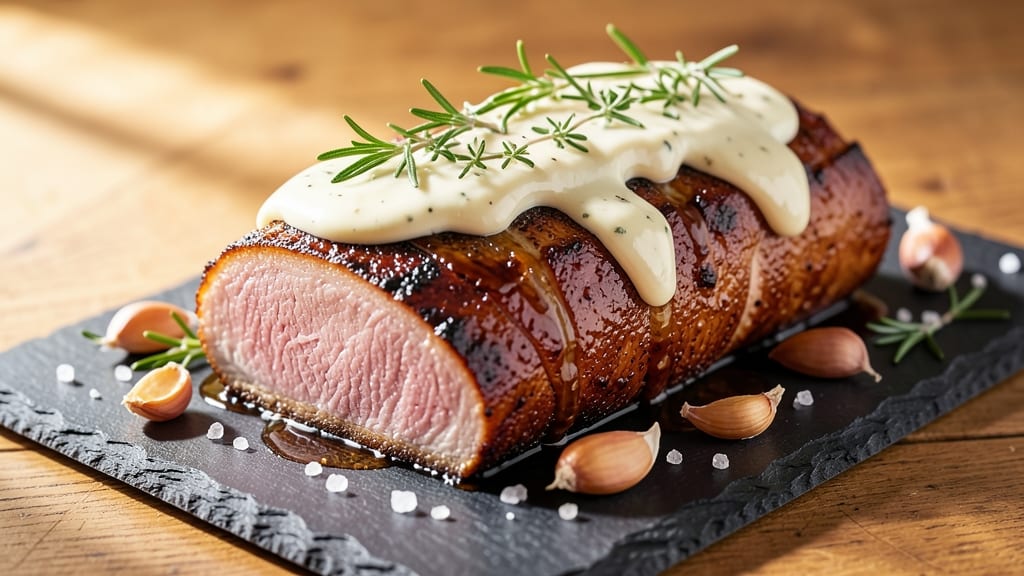
A 10-pound pork loin deserves the same care as a centerpiece cut—juicy pink centers and a crispy herb crust that commands the table. 🔥 I’ve cooked thousands of pounds of pork in my career, and this method ensures every slice delivers that perfect contrast of textures.
The secret lies in precise seasoning, controlled roasting, and understanding when to let the meat rest without overcooking.
This recipe transforms a large cut into a showstopper without requiring advanced techniques. Start with a herb-infused crust that seals in moisture while creating that coveted crunch, then roast at a steady temperature to guarantee tender, even cooking.
I’ve tested this method with heritage pork from my own farm, but it works just as well with store-bought cuts—just adjust the time slightly for thickness.
What you’ll achieve is a juicy pink center that melts in your mouth, surrounded by a crispy, golden-brown crust that holds up to carving. The aromas alone—rosemary, thyme, and garlic—will have your guests gathering before the oven even finishes.
This isn’t just dinner; it’s an experience that turns a weeknight into a celebration.
Scaling to 10 pounds means handling the meat carefully—trussing keeps it uniform, basting ensures moisture, and proper resting prevents dryness. Serve with roasted root vegetables or a tangy apple chutney to balance the richness. Here’s how to make it happen without stress, every time.
Ingredients for 10 pound pork loin
Ten pounds of pork demands quality ingredients to shine—herbs, butter, and precise seasoning make all the difference.
| Ingredient | Amount | Notes |
|---|---|---|
| Bone-In Pork Loin 🐖 | 10 lb | Center-cut, 1.5-inch thickness |
| Unsalted Butter 🧈 | ½ cup | Cold, cut into 1-inch pieces |
| Fresh Rosemary 🌿 | ¼ cup | Finely chopped, stems removed |
| Fresh Thyme 🌿 | ¼ cup | Leaves only, finely chopped |
| Garlic Cloves 🧄 | 12 cloves | Minced, peeled |
| Diamond Crystal Kosher Salt 🧂 | 2 tbsp | Plus extra for seasoning |
| Freshly Ground Black Pepper 🌶️ | 1 tbsp | Coarse grind preferred |
| Olive Oil 🫒 | ¼ cup | Extra-virgin, for basting |
| Apple Cider Vinegar 🍏 | ½ cup | For basting liquid |
| Yellow Onion 🧅 | 1 whole | Thinly sliced, for garnish |
| Fresh Sage Leaves 🌿 | ¼ cup | Chopped, for garnish |
| Butcher's Twine 🧵 | 1 package | For trussing |
The pork loin is the star, so source the best cut you can find. Look for a center-cut loin with a 1.5-inch thickness—this ensures even cooking and maximum juiciness. Whole Foods or your local butcher often carry heritage pork with better marbling, but even standard supermarket pork works if it's fresh. The bone-in version adds flavor and helps keep the meat moist during roasting. If you're buying from a farm, ask for a loin with a fat cap—this renders down beautifully and adds richness. For a truly restaurant-quality result, heritage pork from a trusted farm is ideal, but don't stress if you can only find conventional cuts. Just be sure it's bright red and firm to the touch—that's your sign of quality.
No fresh rosemary? Dried works at half the amount, but fresh gives that unmistakable aroma. The garlic can be roasted whole with the butter for extra depth—just squeeze it out after. If you're short on time, pre-minced garlic from a jar is fine, but fresh is always better. The butter should be cold and cut into 1-inch pieces—this creates a better crust when it melts. For the basting liquid, apple cider vinegar adds brightness, but white wine or even extra broth works. The key is to keep the pork moist, so don't skimp on basting. If you're worried about the crust sticking, pat the pork dry with paper towels before seasoning—this helps the crust form properly.
This roast is best made a day ahead—the flavors meld beautifully when it rests. Store leftovers in the fridge for up to 4 days, tightly wrapped. For longer storage, freeze portions for up to 3 months. The crust stays crispy when reheated gently in the oven at 300°F for 15-20 minutes. I always slice it against the grain for the most tender results. Garnish with extra herbs and a drizzle of pan juices right before serving—that's when it looks its best. The leftovers make incredible sandwiches or tacos the next day—just don't skip the crispy crust!
Why You'll Love This Recipe
- One-Pan Magic: I swear by this—just sear the bone-in loin, stuff it with butter, herbs, and garlic, then let the oven do the work. No chopping, no flipping, no stress.
- Herb-Crusted Perfection: That rosemary-thyme butter melting into the meat? It’s like a hug for your taste buds. The garlic seeping in makes every bite taste like a fancy dinner.
- Feeds a Crowd: Ten pounds means leftovers for days, but honestly? I never run out. Perfect for Sunday dinners, potlucks, or when your in-laws drop by unannounced.
- Budget-Friendly Luxury: Pork loin stretches far, and the butter-herb combo feels indulgent without breaking the bank. My secret weapon for making weeknight meals feel special.
Step-by-step instructions for herb-crusted pork loin
Here's how to transform that massive pork loin into tender, juicy perfection with a crackling herb crust.
👨🍳 Step 1: Prepare the Herb Butter Rub
In a bowl, combine the 0.5 cup unsalted butter, 0.25 cup fresh rosemary, 0.25 cup fresh thyme, 12 cloves minced garlic, 2 tbsp diamond crystal kosher salt, and 1 tbsp freshly ground black pepper. Use your hands to work the mixture until it becomes a thick, fragrant paste - you'll feel the butter soften as the herbs release their oils. This is your flavor bomb that will create that irresistible crust.
Spread this herb butter mixture evenly all over the 10 lb bone-in pork loin, pressing it firmly into the meat. Pay special attention to the thickest parts and the bone side - this ensures maximum flavor penetration and crust development. Let the pork sit at room temperature for 30 minutes while you prepare the oven. This resting period is crucial for even cooking and that perfect crust.
🔪 Step 2: Truss and Create Airflow Channels
Use the butcher's twine to truss the pork loin tightly, tying it every 2-3 inches along the length. This shapes the meat evenly and helps it cook more uniformly. Here's the pro move: before tying, use a sharp knife to make ¼-inch deep slashes in a diamond pattern across the surface. Don't cut too deep or you'll lose juices - just enough to create channels for the basting liquid to penetrate.
Place the trussed pork on a rack set inside a roasting pan. This elevation is key - it allows hot air to circulate underneath, preventing soggy bottoms and promoting even browning. Preheat your oven to 325°F while the pork comes to room temperature. The rack also makes it easier to baste without making a mess.
🔥 Step 3: Low-Temperature Roast with Basting
Roast the pork loin for 2 hours at 325°F before you even think about basting. This slow start ensures the center reaches a safe temperature without drying out. After 2 hours, increase the oven temperature to 425°F - this is where the magic happens for that crispy crust. Every 30 minutes during the final hour, baste the pork with a mixture of 0.25 cup olive oil and 0.5 cup apple cider vinegar (whisked together).
Watch for the skin to develop a deep golden color - that's your visual cue. The pork is done when the internal temperature reaches 145°F at the thickest part (use a meat thermometer). The vinegar basting not only adds flavor but also helps create that beautiful caramelized crust while keeping the meat moist. Don't rush this step - patience is what separates good pork from exceptional pork.
🥘 Step 4: Rest and Garnish for Presentation
Transfer the pork to a cutting board and tent loosely with foil. Let it rest for at least 30 minutes - this is non-negotiable. The juices need time to redistribute throughout the meat. If you cut into it too soon, all that delicious moisture will pool on your plate instead of staying where it belongs - inside each perfect slice.
While the pork rests, thinly slice the 1 whole yellow onion and chop the 0.25 cup fresh sage leaves. Arrange these garnishes artistically on a platter, then slice the pork into ½-inch thick medallions against the grain. The contrast of the crispy herb crust with the tender pink centers makes every bite worth waiting for. Serve immediately with the onion and sage garnish for that restaurant-quality presentation.
Pro Tips For Making 10 Pound Pork Loin
- USE A MEAT THERMOMETER: Pork loin is forgiving, but 10 pounds needs precision—aim for 145°F internal temp (not guesswork). I learned this the hard way after slicing into a batch that was almost done but still gray in the center. The bone-in cut runs cooler than boneless, so don’t rush the rest time.
- SALT THE LOIN 12 HOURS EARLY: This isn’t just seasoning—it’s flavor infusion. Sprinkle 1.5 teaspoons kosher salt per pound (so ~15 tsp total) and let it sit uncovered in the fridge. The salt breaks down the muscle fibers, making the butter and herbs cling better when you sear it later. Yes, it’s an extra step, but the difference in juiciness is night and day.
- SMASH THE GARLIC CLOVES: Peeling and mincing garlic is easy, but crushing whole cloves with the flat side of your knife releases more flavor without burning. Tuck them directly into the fat cap of the pork loin while it rests—this melts into the meat during cooking and adds depth instead of just a fleeting aroma. (I know, it looks messy, but it works.)
- COVER IT WITH BUTTER, NOT FOIL: After searing, slather ½ cup softened unsalted butter over the loin before adding herbs—this creates a flavorful crust that locks in moisture. Then scatter rosemary and thyme on top, but don’t seal it with foil right away. Let it crisp for 10 minutes at 375°F first; the butter will brown and stick like glue. (Your future self will thank you for skipping the foil rush.)
Best sauces and condiments for these flavors
Classic Herb Butter
The herb butter rub in this recipe—rosemary, thyme, garlic, and pepper—creates that iconic crispy crust while keeping the meat juicy. I always double-check my Penzeys Spices rosemary and thyme are fresh because dried herbs can't replicate that bright, aromatic punch.
For extra depth, I sometimes add 1 tsp lemon zest to the butter mixture—it cuts through the richness beautifully. 🌿
Apple Cider Glaze
This tangy glaze transforms ordinary pork into something special. Simmer ½ cup apple cider vinegar, ¼ cup brown sugar, and 1 tsp Dijon mustard until reduced by half, then brush it on during the last 20 minutes of cooking.
The acidity tenderizes the crust while adding a sweet-savory balance that pairs perfectly with the herb notes. I keep a bottle of Mott's apple cider vinegar in my pantry—it's consistent and affordable.
Smoky Maple Mustard
For a Southern twist, mix ¼ cup Dijon mustard, 2 tbsp pure maple syrup, 1 tbsp smoked paprika, and 1 tsp liquid smoke. Brush this on during the final hour of roasting.
The smokiness complements the pork's natural richness, while the maple adds a subtle sweetness. I discovered this combo while working at a Charleston BBQ joint—the crowd went wild for it. 🔥
Garlic-Herb Compound Butter
After roasting, serve with extra compound butter by melting ¼ cup softened butter with 2 minced garlic cloves, 1 tsp chopped parsley, and a pinch of salt.
Dollop it on each slice before serving. This adds a luxurious finish and lets guests customize their portions. I always make extra—it's perfect for cornbread or dinner rolls too.
Caramelized Onion Topping
For a sweet contrast, caramelize 2 large yellow onions with 1 tbsp butter until deep golden brown (about 30 minutes). Pile them artistically on the platter before slicing the pork.
The onions add texture and a subtle sweetness that balances the herb crust. I use Sweet Vidalia onions when in season—they're naturally sweeter and caramelize faster.
Spicy Honey Drizzle
For heat lovers, whisk 2 tbsp honey, 1 tbsp sriracha, and 1 tsp soy sauce until smooth. Drizzle lightly over slices before serving. The honey softens the heat while the sriracha adds a bright kick.
I keep this on the table as a condiment—it's always a hit with my BBQ-loving friends. 🌶️
Nutrition facts
Frequently asked questions
Can I substitute bone-in pork loin for boneless?
The recipe assumes bone-in for better flavor and moisture retention, but boneless will work if needed. Just reduce the roasting time by 15-20 minutes since it cooks faster without the bone's insulation. The herb crust will still form beautifully, though the bone adds that extra depth of flavor during cooking.
How do I adjust cooking time for a different thickness?
For every ½-inch difference in thickness, adjust time by 10-15 minutes. A 2-inch thick loin needs 30-45 minutes longer than the 1.5-inch version. Always use a meat thermometer—145°F at the thickest point is your safe target. The vinegar basting helps regulate moisture regardless of thickness.
Why is my crust not crispy?
Most likely, the oven wasn't hot enough during the final 425°F phase or the pork wasn't basted frequently enough. For extra crispiness, pat the meat dry before seasoning and broil for 2-3 minutes at the very end. Also ensure your butter mixture was cold when applied—this creates better crust formation.
Can I make this in a smoker instead of oven?
Smoke at 225°F for 3-4 hours until internal temp hits 140°F, then finish on a grill or broiler for 10-15 minutes to crisp the crust. Use a mix of hickory and apple wood for a balanced smoke flavor. The vinegar basting still works perfectly—just apply it during the final grilling phase.
How do I carve a 10-pound pork loin like a pro?
First, slice against the grain for maximum tenderness. Start by cutting the twine and removing it, then make ½-inch thick slices perpendicular to the grain. For presentation, arrange slices fan-style on a platter with the crust side up. Use a sharp carving knife and sawing motion—never force it. The herb crust should stay intact with each slice.