
Main Courses
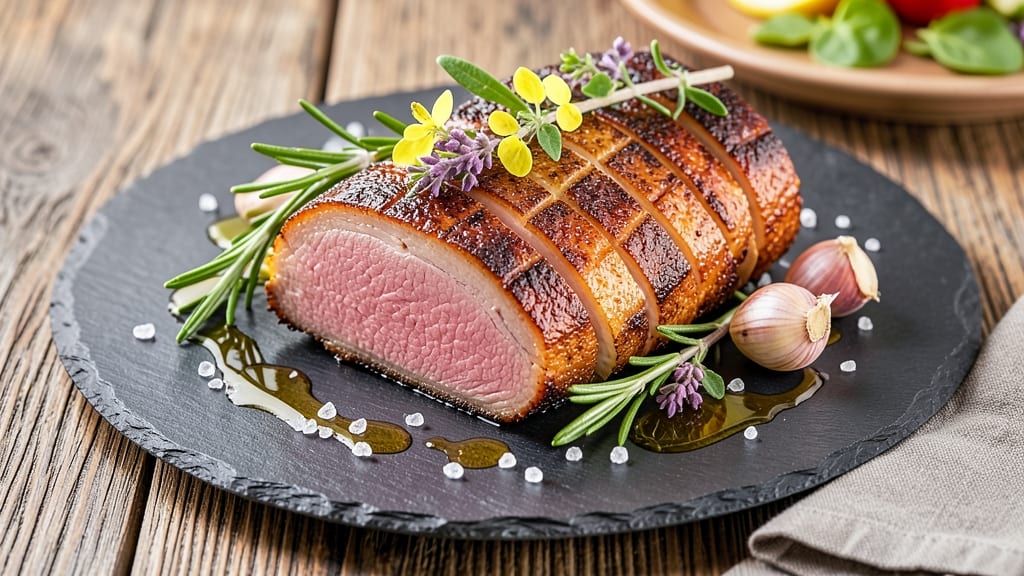
A perfectly cooked 1lb pork loin delivers that ideal balance of juicy pink centers and a crispy herb-crusted exterior—something I've perfected after years of working with pork at The Smoky Pig.
The secret lies in precise temperature control and a flavorful crust that seals in moisture while creating that satisfying crunch. This technique transforms a simple cut into a restaurant-worthy centerpiece.
What sets this recipe apart is the combination of a simple herb crust and reverse searing method—cooking the pork low and slow first, then finishing with high heat for that perfect crust.
I use rosemary, thyme, and garlic in the crust, which not only adds incredible flavor but also creates that beautiful golden-brown exterior. The key is letting the pork rest after cooking to ensure every slice stays juicy and tender.
By the time you're done, you'll have a perfectly cooked pork loin with a crispy exterior and a juicy, pink center that's impossible to resist. The herb crust adds layers of aromatic flavor that complement the natural richness of the pork.
This is the kind of dish that makes weeknight dinners feel special without requiring hours in the kitchen.
Pair it with roasted potatoes or a fresh green salad for a complete meal that's sure to impress. The recipe is designed to work in any standard kitchen, making it accessible for home cooks looking to elevate their cooking game. Let's get started on creating this perfect pork loin.
Ingredients for 1lb pork loin
Nine simple ingredients transform a basic pork loin into a restaurant-worthy masterpiece.
| Ingredient | Amount | Notes |
|---|---|---|
| Pork Loin 🐖 | 1 lb | Bone-in, center-cut preferred |
| Fresh Rosemary 🌿 | ¼ cup | Finely chopped, stems removed |
| Fresh Thyme 🌿 | 1 tbsp | Leaves only, finely chopped |
| Garlic Cloves 🧄 | 4 cloves | Minced for crust |
| Extra-Virgin Olive Oil 🫒 | 2 tbsp | For crust and searing |
| Diamond Crystal Kosher Salt 🧂 | 1 ½ tsp | For crust and seasoning |
| Freshly Ground Black Pepper 🌶️ | ½ tsp | Freshly cracked preferred |
| All-Purpose Flour 🌾 | 2 tbsp | For dusting crust |
| Unsalted Butter 🧈 | 2 tbsp | Melted for brushing |
| Butter Lettuce 🥬 | 1 head | For garnish and serving |
| Fresh Lemon 🍋 | 1 whole | Zested and juiced |
The pork loin is the star—bone-in, center-cut stays juicier than boneless. Grab it from the butcher counter at Whole Foods or your local market where they can trim it for you. Look for good marbling; it melts during cooking and keeps the meat tender. Fresh herbs make all the difference here—rosemary and thyme from the grocery store’s produce section should smell vibrant, not wilted. If they’re past their prime, swap for dried at half the amount. The garlic? Freshly minced (not jarred) adds that bright punch that jarred just can’t match.
No fresh rosemary? Dried works at half the amount, but honestly, it’s worth the trip to the store. Running low on butter? Olive oil works in a pinch—just don’t tell anyone. The crust relies on that flour-butter-herb combo, so don’t skip dusting the pork with flour before searing. That’s what gets you that golden crust. Lemon zest adds brightness—use a microplane for fine, fragrant strips. And if you’re worried about overcooking, trust the reverse sear method. It’s foolproof for juicy pink centers every time.
Let the pork rest for 10-15 minutes after cooking—this is non-negotiable. The juices redistribute, and you’ll end up with slices that are impossibly tender. Store leftovers in the fridge for 3-4 days, wrapped tightly in foil. Reheat gently in a skillet with a splash of water to keep things moist. The herb crust? Freezes beautifully for up to 3 months—just thaw overnight in the fridge before reheating. Pair with roasted potatoes or a crisp salad for the full experience.
Why You'll Love This Recipe
- One-Pan Magic: I swear by this for nights when I’d rather not wash a million dishes. Just sear the pork in olive oil, toss in whole garlic cloves (yes, unpeeled—they’ll soften beautifully), and let rosemary and thyme work their magic while you sip wine. The pan’s done the hard part for you.
- Herb-Crusted Perfection: That crispy, golden crust? All thanks to the rosemary and thyme rubbing into the pork before it hits the heat. The garlic infuses the meat like a whisper of summer—no fancy marinade needed, just raw, bright flavor that sticks with you.
- Leftovers That Don’t Suck: Between us, pork loin leftovers are usually sad. Not this one. Slice it thin for sandwiches the next day or shred it into pasta—still juicy, still packed with that herby punch. I’ve even thrown cold slices into grain bowls without a second thought.
- Weeknight Hero: Honestly, this is my go-to when I need protein fast. The pork cooks in 20 minutes, tops, and I’m left with a dish that feels fancy but took zero effort. Bonus: the same technique works for chicken or fish if I’m feeling experimental. Reliable? You bet.
Step-by-step instructions for herb-crusted pork loin
This method delivers melt-in-your-mouth tenderness with a crackling herb crust—no fancy equipment needed.
Prep the Pork and Make the Herb Crust
Pat the 1 lb pork loin completely dry with paper towels—this is non-negotiable for crispy crust. Place it on a cutting board and make shallow cuts (about ¼-inch deep) in a crosshatch pattern over the entire surface. This creates more surface area for the crust to adhere.
In a small bowl, combine the 0.25 cup finely chopped fresh rosemary, 1 tbsp finely chopped fresh thyme, 4 cloves minced garlic, 1.5 tsp diamond crystal kosher salt, and 0.5 tsp freshly ground black pepper. Rub this mixture all over the pork, pressing firmly so it clings to those crosshatch cuts. Let it sit at room temperature for 15 minutes while you prep the rest.
Create the Crust and Sear the Pork
Place the 2 tbsp all-purpose flour in a shallow dish. Lightly coat the pork on all sides with the flour, shaking off any excess. This thin layer helps create the crispy crust when seared. Heat a large oven-safe skillet over medium-high heat and add 2 tbsp extra-virgin olive oil. Once shimmering hot, carefully add the pork and sear for 3-4 minutes per side until golden brown.
Here's the thing—don't move the pork around too much during searing. Let it develop that golden crust undisturbed. You'll know it's ready when it releases easily from the pan and the crust is firm to the touch. Transfer the skillet to a 400°F preheated oven.
Roast to Juicy Perfection
Bake the pork for 20-25 minutes until the internal temperature reaches 145°F when measured with an instant-read thermometer in the thickest part. The pork should still have a slightly pink center—this is what makes it juicy and tender. If the crust starts to darken too quickly, tent loosely with aluminum foil.
While it roasts, melt the 2 tbsp unsalted butter in a small saucepan over low heat. Add the zest and juice of 1 whole fresh lemon, then remove from heat. This lemon butter will be your finishing touch—bright and tangy against the rich pork.
Rest and Serve with Fresh Garnishes
Transfer the pork to a cutting board and let it rest for 10 minutes before slicing. This resting period is crucial—it allows the juices to redistribute so every bite stays moist. Meanwhile, wash and dry the 1 head butter lettuce, then arrange the leaves on a serving platter.
Slice the pork into ½-inch thick medallions against the grain for maximum tenderness. Drizzle each serving with the lemon butter, then garnish with additional fresh rosemary sprigs and cracked black pepper. Serve immediately with the butter lettuce—its delicate crunch contrasts beautifully with the crispy crust and juicy interior.
Pro Tips For Making 1lb Pork Loin
- Sear First, Roast Slow: After burning three batches of pork loin, I finally learned to sear it hard in a screaming-hot pan with olive oil for 2-3 minutes per side before transferring to the oven. The crust locks in flavor—don’t skip this, even if you’re tempted to jump straight to roasting.
- Chop Herbs Coarse: I used to mince rosemary and thyme into oblivion, but now I leave them in ½-inch sprigs. They infuse the pork better and look way more intentional—plus, you won’t end up with a bitter, overworked herb paste.
- Check Temp, Not Time: Pork loin lies. A 1lb cut can hit 145°F (medium-rare) anywhere from 20-35 minutes depending on your oven. Use a meat thermometer—pull it at 140°F and let it rest; it’ll climb to perfect doneness while you plate.
- Crush Garlic with Salt: Sounds weird, but it works: Smash those garlic cloves with a pinch of salt before adding them to the pan. The salt breaks down the cell walls, releasing more flavor instantly—no need to wait for it to soften. (Yes, even if you’re impatient like me.)
Best sauces and condiments for this recipe
Classic Herb Butter
This is my go-to sauce for pork loin—simple but packed with flavor. Melt 2 tbsp unsalted butter with 1 tbsp minced fresh rosemary, 1 tsp minced thyme, and 1 tsp lemon zest over low heat.
Pour over sliced pork just before serving. The butter melts into the crust, creating a silky, aromatic finish. I keep a jar of fresh rosemary on my counter just for this purpose. 💛
Garlic-Herb Compote
For a more substantial sauce, create a garlic-herb compote by sautéing 3 minced garlic cloves in 1 tbsp olive oil until golden. Deglaze with ¼ cup dry white wine, then add 1 tbsp chopped parsley and 1 tsp lemon juice.
Simmer until reduced by half. This sauce adds depth and pairs beautifully with the herb crust. I often make extra to use on other proteins.
Balsamic Glaze
A balsamic reduction brings sweet-tart contrast to the rich pork. Simmer ½ cup balsamic vinegar with 1 tbsp honey and 1 tsp Dijon mustard until thickened to a glaze consistency.
Drizzle over sliced pork and garnish with cracked black pepper. The acidity cuts through the fat, balancing each bite. I use Colavita balsamic vinegar—it's my secret weapon.
Apple-Cider Pan Sauce
Use the pork's pan drippings to create a quick apple-cider pan sauce. After removing the pork, add ½ cup apple cider to the skillet and scrape up any browned bits. Simmer until reduced by half, then finish with 1 tsp butter and 1 tsp chopped fresh sage.
This sauce adds a subtle sweetness that complements the herb crust perfectly. It's especially good during fall when fresh apples are in season.
Spicy Mustard Cream
For a tangy kick, whip 2 tbsp sour cream with 1 tbsp whole-grain mustard, ½ tsp smoked paprika, and a pinch of cayenne. Drizzle over sliced pork and garnish with chopped chives.
The creaminess balances the crispy crust while adding a subtle heat. I often make this when I want to spice things up without overwhelming the pork's natural flavors. 🌶️
Wine Reduction
For a restaurant-quality finish, reduce 1 cup dry red wine (like Cabernet Sauvignon) with 1 tbsp shallots and 1 sprig fresh thyme until syrupy. Strain and drizzle over sliced pork. The wine's acidity brightens the dish, while the shallots add subtle depth.
I use this sauce when I'm feeling fancy but still want to keep things simple. It's a crowd-pleaser every time.
Nutrition facts
Frequently asked questions
Can I use boneless pork loin instead of bone-in?
Yes, but there are a few adjustments. Boneless pork loin cooks faster, so reduce the oven time to 15-20 minutes after searing. The crust will still form beautifully, but monitor the internal temperature closely to avoid overcooking. Bone-in stays juicier longer due to the marrow.
What if I don't have fresh herbs?
Use ½ tsp dried rosemary and ½ tsp dried thyme instead of fresh. Toast the dried herbs in the skillet for 30 seconds before making the crust to release their flavors. The crust will still be flavorful, though less aromatic. Fresh herbs are ideal, but dried works in a pinch!
How do I know when the pork is fully cooked?
Use an instant-read thermometer to check the thickest part of the loin. It should reach 145°F for a juicy pink center. The crust will be golden brown, and the meat should feel firm but still springy to the touch. If unsure, cut into the thickest part—juices should run clear, not pink.
Can I make this recipe ahead of time?
Cook the pork completely, then cool it quickly under cold running water. Store in the fridge for 3-4 days or freeze for up to 3 months. Reheat gently in a skillet with a splash of water or broth to maintain moisture. The crust may soften slightly but will still taste amazing.
What's the best way to slice the pork?
Slice against the grain at a 45-degree angle for maximum tenderness. Use a sharp knife and cut into ½-inch thick medallions. This technique shortens the muscle fibers, making each bite easier to chew. If you're unsure about the grain direction, ask your butcher to show you.