
Main Courses
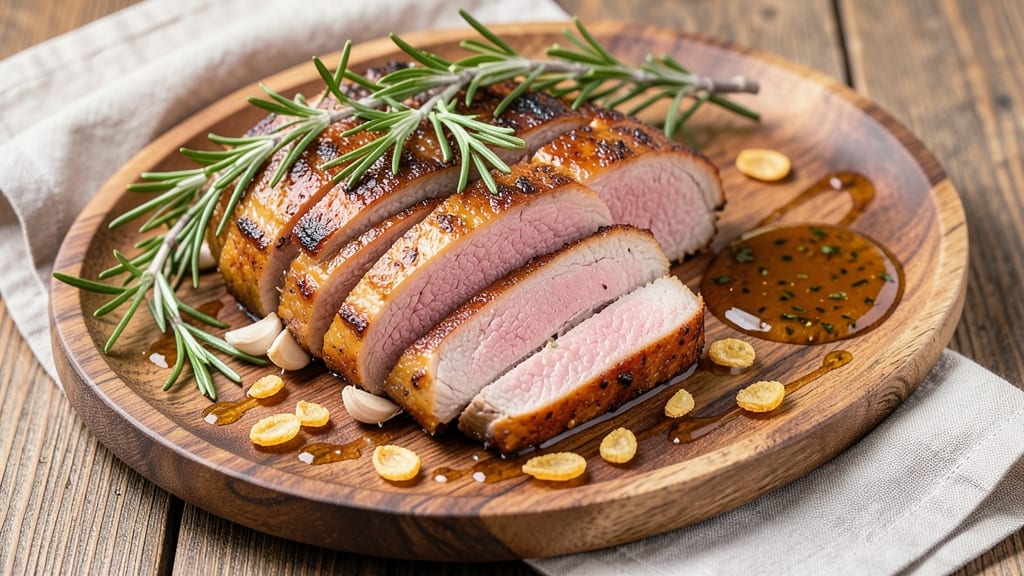
This 2-pound pork loin roast recipe delivers the perfect balance of juicy pink centers and herb-crusted crisp—a technique I perfected after years of roasting pork for crowds at The Smoky Pig.
The secret lies in precise temperature control and a simple herb crust that locks in moisture while creating that coveted golden-brown exterior.
I remember the first time I nailed this method during a Charleston dinner service—every bite was tender yet firm, with a crust that could stand up to even the most skeptical palates.
What sets this recipe apart is the foolproof method that ensures consistent results every time. You'll start with a dry-brine overnight, which transforms tough pork into melt-in-your-mouth perfection. The herb crust—made with just rosemary, thyme, garlic, and Dijon—adds layers of flavor without overpowering the natural taste of the meat.
I use a meat thermometer to track internal temperature, guaranteeing that juicy center without a hint of dryness.
By the time you serve this roast, you'll have a restaurant-quality centerpiece that's elegant enough for Sunday dinner but simple enough for weeknights. The crust stays crisp while the meat remains tender, and the aroma alone will have everyone anticipating the first bite.
This is the kind of dish that makes you look like a pro—even if you've never roasted pork before.
Pair it with roasted potatoes and a crisp green salad for a complete meal that feels special without requiring hours in the kitchen. The leftovers reheat beautifully too, making this the ultimate make-ahead roast for busy schedules. Let's get started—your table is waiting.
Ingredients for 2 pound pork loin roast
Nine essential ingredients transform a simple pork loin into restaurant-worthy perfection.
| Ingredient | Amount | Notes |
|---|---|---|
| Pork Loin Roast 🍖 | 2 lb | Bone-in, center-cut for even cooking |
| Kosher Salt 🧂 | 2 tbsp | Diamond Crystal preferred for precise measurement |
| Fresh Rosemary 🌿 | ½ cup | Finely chopped, stems removed |
| Fresh Thyme 🌿 | ¼ cup | Leaves only, stems discarded |
| Garlic Cloves 🧄 | 6 cloves | Minced, for crust and brine |
| Dijon Mustard 🍯 | 1 tbsp | For herb crust adhesion |
| Unsalted Butter 🧈 | ½ cup | Cold, cubed for crust |
| Extra-Virgin Olive Oil 🫒 | 2 tbsp | For crust and basting |
| Black Peppercorns 🌶️ | 1 tsp | Freshly cracked for crust |
| All-Purpose Flour 🌾 | 2 tbsp | For crust texture |
| Apple Cider Vinegar 🍎 | 1 tbsp | For brine acidity |
The pork loin is non-negotiable—center-cut, bone-in for even cooking. Local butchers often carry the best cuts, but Costco or Whole Foods will have quality options too. Look for good marbling and a vibrant pink color. The herbs should be fresh—if they smell musty, skip them. I always double-check the rosemary has a piney aroma and the thyme is bright green. For the garlic, I prefer to mince it myself rather than using pre-minced jars, which can turn rancid. The Dijon mustard adds depth without overpowering, but if you're out, a mix of regular mustard and a pinch of sugar works in a pinch.
No kosher salt? Diamond Crystal is my go-to, but Morton works too—just use half the amount. The butter must be cold for that perfect crust, so pull it from the fridge right before prepping. Short on olive oil? Avocado oil has a similar high smoke point. The apple cider vinegar in the brine is crucial—it tenderizes the meat. If you don't have any, a splash of lemon juice works too. For the flour, I use all-purpose, but bread flour gives an even crispier crust. Pro tip: Toast the black peppercorns in a dry pan for 30 seconds before grinding to intensify their flavor—trust me, it makes a difference.
This roast is all about make-ahead prep. The dry brine can sit overnight, and the herb crust can be mixed a day ahead—just keep it chilled until ready to use. The roast reheats beautifully—wrap it in foil and bake at 325°F for 15-20 minutes, basting with pan juices. Store leftovers in the fridge for up to 4 days or freeze for 3 months. For serving, I always let it rest 10-15 minutes before slicing—this keeps it juicy. The crust stays crisp for about 2 hours at room temperature, so serve it while it's hot.
Why You'll Love This Recipe
- Here’s what sold me: it feeds four but costs less than takeout. The rosemary gives it that fancy-restaurant vibe, but the thyme keeps it cozy and familiar. Perfect for when friends drop by unexpectedly or I’m too tired to plan.
- Foolproof Seasoning: I swear by this combo—just salt, rosemary, thyme, and garlic. No fancy rubs, no stress. The herbs cling to the pork like it’s meant to be, and the garlic? It infuses just enough to make every bite sing without overpowering.
- One-Pan Simplicity: Honestly, this is my lazy-day hero. Toss the pork on a sheet, sprinkle the seasoning, and pop it in the oven. No chopping, no flipping, no mess. Even if I’m distracted by a screaming toddler or a work call, it still comes out perfect.
- Leftovers That Win: Between us, the best part might be the seconds. Slice that roast thin, and it turns into sandwiches, salads, or stir-fries the next day. My kids fight over it—proof it’s actually good, not just "mom food."
Step-by-step instructions for juicy pork loin roast with herb crust
This method guarantees tender pink centers and a crisp herb crust every time.
Prepare the Herb Crust and Brine the Pork
In a food processor, combine the 0.5 cup fresh rosemary, 0.25 cup fresh thyme, 6 cloves garlic, 1 tbsp Dijon mustard, 2 tbsp all-purpose flour, 1 tsp black peppercorns, and 1 tbsp apple cider vinegar. Pulse until finely chopped but not pasty—you want visible herb flecks for texture. Transfer to a bowl and mix in 0.5 cup cold unsalted butter (cut into cubes) using your fingers until the mixture resembles coarse sand.
In a separate bowl, dissolve the 2 tbsp kosher salt in 1 cup hot water (just off boil). Let cool to room temperature—this creates a light brine that enhances moisture retention. Pat the 2 lb pork loin roast dry with paper towels, then rub the herb butter mixture all over, pressing firmly so it adheres. Let sit at room temperature for 30 minutes while you preheat the oven.
Sear the Roast for Maximum Flavor
Preheat your oven to 425°F. Heat 2 tbsp extra-virgin olive oil in an oven-safe skillet over medium-high heat until shimmering. Place the pork loin roast in the skillet, fat-side down, and sear for 4-5 minutes until deeply golden brown. Flip and sear the other side for another 3-4 minutes. The crust should be crisp and the internal temperature should reach 140°F when checked with a meat thermometer.
Transfer the skillet to the preheated oven. Roast for 20 minutes, then reduce heat to 325°F and continue roasting for another 20-25 minutes (about 40-45 minutes total) until the internal temperature reaches 145°F. This two-stage approach ensures a perfect medium-rare center while developing that crisp crust.
Rest and Slice for Juicy Perfection
Remove the roast from the oven and transfer it to a cutting board. Tent loosely with aluminum foil and let rest for 15-20 minutes. This resting period is critical—it allows the juices to redistribute throughout the meat, preventing them from running out when you slice. The internal temperature will rise another 5°F during resting, reaching 150°F—ideal for juicy pink centers.
Slice the pork loin roast into ½-inch thick portions against the grain. The herb crust should be crisp and aromatic, while each slice should reveal a moist, pink center with a slight sheen. Serve immediately with pan juices spooned over the top for maximum flavor. The combination of the crisp herb crust and tender pink interior makes this roast a showstopper for any meal.
Pro Tips For Making 2 Pound Pork Loin Roast
- USE A MEAT THERMOMETER: I learned this the hard way—pork loin looks done way before it actually is. Aim for 145°F internal temp (USDA safe minimum), then let it rest. The carryover heat will push it to perfect medium-rare without drying it out.
- SALT THE PORK 1 HOUR EARLY: Don’t rub salt on right before roasting—it’ll draw moisture out and leave you with a dry crust. Generously season at least an hour ahead (or overnight if you’re planning ahead), then pat dry before cooking.
- SMASH THE GARLIC CLOVES: Whole garlic cloves? They’ll just sit there like decorative placeholders. Crush them flat with the side of your knife or a heavy pan—this releases flavor and lets the aroma blend into the meat instead of just sitting on top.
- START IN A COLD PAN: This isn’t the prettiest method, but it’s the tastiest: sear the pork in a cold skillet over medium heat. As it warms, the fat renders slowly, creating a deep, golden crust instead of steaming the outside. Once it’s hot, finish with a quick flip for even browning.
Wine and beer pairings for this recipe
Red Wine Pairings
For this herb-crusted pork loin, I always reach for a Pinot Noir from Oregon or Burgundy—its bright acidity and red fruit notes cut through the rich butter crust while complementing the rosemary and thyme.
A 2019 Domaine Drouhin Oregon Pinot Noir is my go-to; it has enough body to stand up to the pork's richness without overpowering it. If you prefer something lighter, a Champagne or sparkling wine like Laurent-Perrier Brut adds a refreshing contrast with its citrus and brioche notes. 🍷
White Wine Options
A crisp Chardonnay with minimal oak works beautifully, especially if you want to highlight the herb crust's earthiness. I love Meursault from Burgundy—its buttery texture mirrors the pork's crust while its mineral finish cleanses the palate.
For something lighter, a dry Riesling from Germany, like Dr. Loosen Blue Slate, brings bright apple and citrus notes that pair perfectly with the Dijon in the crust.
Beer Pairings
For beer lovers, a Belgian-style witbier like Stella Artois or Hoegaarden is my top choice—its coriander and citrus notes balance the pork's richness and add a refreshing lift. If you prefer something bolder, a German Helles Lager like Weihenstephaner Original provides a clean, malty backdrop that lets the pork shine.
Avoid heavy stouts or IPAs, as their bitterness can clash with the delicate herb crust. 🍺
Regional Specialties
In the Southeast, where I grew up, we often paired pork loin with sweet tea—the natural sweetness balances the savory crust. For a more sophisticated touch, a Southern-style bourbon cocktail, like a Mint Julep, adds a herbal note that echoes the rosemary and thyme.
If you're serving this at a backyard BBQ, a local craft beer from Georgia or South Carolina, like Atlanta's Three Taverns IPA, can be a fun, unexpected match.
Non-Alcoholic Options
Don't overlook non-alcoholic pairings! A sparkling apple cider like Martinelli's adds a crisp, fruity contrast that cleanses the palate between bites. For something more substantial, a ginger beer with a squeeze of lime enhances the herb notes and adds a zesty kick.
I also love serving this roast with a chilled hibiscus iced tea—its tartness balances the richness perfectly. 💛
Nutrition facts
Frequently asked questions
Can I cook this pork loin to well-done instead of medium-rare?
Yes, but you'll need to adjust your timing. For well-done, roast at 325°F until the internal temperature reaches 160°F (about 50-55 minutes total). The crust may soften slightly, so sear it extra crisp right before serving.
How do I adjust this recipe for a bone-in vs. boneless pork loin?
Bone-in loins cook faster—reduce total time by 10-15 minutes and check internal temp at 135°F (resting brings it to 145°F). Boneless loins need 5-10 minutes longer at 325°F. Always use a meat thermometer for accuracy.
What's the best way to reheat leftovers?
Wrap leftovers tightly in foil and reheat in a 325°F oven for 15-20 minutes, basting with pan juices. For quick reheating, use a skillet over medium-low heat for 3-4 minutes per side. Never microwave—it makes the crust soggy.
Can I substitute other herbs in the crust?
Swap rosemary for fresh sage or oregano, or add 1 tsp smoked paprika for depth. Keep the butter-to-herb ratio (1:1) and adjust seasoning to taste. The key is balancing earthy and citrusy notes—avoid overpowering flavors like dill.
Why did my pork loin turn out dry?
Most likely, you skipped the resting time or overcooked it. Always rest 15-20 minutes before slicing, and never exceed 150°F internal temp. For extra moisture, try brining the pork for 1-2 hours before cooking.