
Main Courses
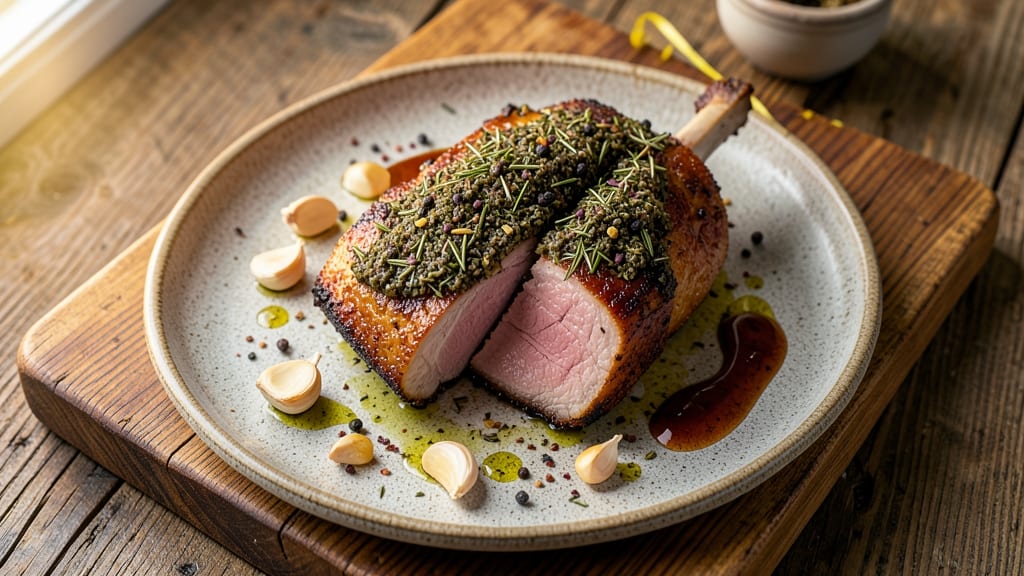
This 3-lb pork loin recipe delivers restaurant-quality results with a crispy herb crust and melt-in-your-mouth tenderness—exactly what I developed after years of perfecting pork roasts for my restaurant kitchen. The secret lies in a high-heat sear followed by a slow finish, ensuring juicy meat every time without drying it out.
I’ve cooked thousands of pounds of pork, and this method never fails, whether you’re feeding a family or hosting a dinner party.
The beauty of this recipe is its versatility—you can keep it classic with rosemary and garlic, or add a modern twist with honey and mustard.
We’ll start with a dry brine overnight (critical for moisture), then roast until the internal temperature hits 145°F, followed by a 10-minute rest to lock in those juices. No guesswork, no overcooking—just foolproof perfection that’ll have everyone asking for seconds.
What you’ll end up with is a golden, crackling crust that gives way to tender, pink-center pork with rich, savory flavors. The herb crust adds an aromatic depth that pairs beautifully with roasted vegetables, mashed potatoes, or even a simple salad.
This isn’t just another pork recipe—it’s the one your guests will remember, and your taste buds will thank you for.
Pro tip: Let the pork rest before slicing—this is where the magic happens. The juices redistribute, guaranteeing that first bite is as juicy as it is flavorful. Ready to master this? Let’s get cooking.
Ingredients for 3 lb pork loin
Six ingredients transform this 3-lb pork loin into restaurant-quality perfection with crispy crust and juicy center.
| Ingredient | Amount | Notes |
|---|---|---|
| Bone-In Pork Loin 🥩 | 3 lb | Center-cut, 1.5-inch thick |
| Kosher Salt 🧂 | 2 tbsp | Diamond Crystal preferred |
| Fresh Rosemary 🌿 | ½ cup | Chopped stems included |
| Garlic Cloves 🧄 | 8 cloves | Smashed, not minced |
| Extra-Virgin Olive Oil 🫒 | ¼ cup | High-quality, fruity |
| Fresh Thyme 🌿 | ¼ cup | Leaves only, chopped |
| Black Peppercorns 🌶️ | 1 ½ tbsp | Freshly cracked |
| Dijon Mustard 🍯 | 1 tbsp | For crust adhesion |
| Honey 🍯 | 2 tbsp | Wildflower preferred |
| Unsalted Butter 🧈 | ½ cup | Cubed, room temperature |
| Fresh Parsley 🌿 | ¼ cup | Chopped, for garnish |
| Yellow Onion 🧅 | 1 whole | Thinly sliced, for pan |
The pork loin is non-negotiable—bone-in, center-cut with that 1.5-inch thickness for even cooking. Most butchers will trim it for you, but if you're buying pre-cut, check for a 1-inch fat cap along one side (this renders flavor). I always get mine from Whole Foods or my local butcher shop—they carry the right cuts. The Diamond Crystal kosher saltTrader Joe's has the best prices on rosemary and thyme—just make sure the stems are green and not woody.
No fresh rosemary? Dried works at one-third the amount, but the flavor won't be the same. Running out of Dijon? Yellow mustard thinned with water is a decent swap, though it lacks depth. The honey can be swapped for maple syrup if you're avoiding it, but the floral notes are key here. For the butter, European-style (like Plugrá) has higher fat content—worth the splurge. The onion is optional but adds incredible aroma to the pan juices. If you skip it, just add an extra splash of dry white wine (about 2 tbsp) to deglaze.
This pork keeps beautifully—3-4 days in the fridge if wrapped tightly in parchment, or up to 3 months frozen. For leftovers, reheat in a 350°F oven with a splash of water until internal temp hits 165°F. The crust gets crispy again, and the meat stays juicy. I always make extra because it reheats so well for sandwiches or salads. Store the butter mixture separately if you're prepping ahead—just mix it back in right before roasting.
Why You'll Love This Recipe
- One-Pan Magic: I swear by this—just salt, rosemary, garlic, and olive oil on a sheet pan. No pots, no pans, no stress. The bone-in pork bastes itself in its own juices while you sip wine and pretend you’re a fancy chef.
- Herb-Crusted Perfection: That rosemary and garlic? They don’t just season—they cling to the meat like a flavor hug. The crust gets crispy, the inside stays juicy, and honestly? It’s the kind of bite that makes people ask, “What’d you do to it?”
- Weeknight or Dinner Party: Same recipe, two vibes. Slap it on the table for a lazy Tuesday with crusty bread, or carve it dramatically for guests. Between us, I’ve used the leftovers for sandwiches, tacos, and “emergency” breakfasts—no judgment.
- Budget-Friendly Feast: A 3 lb pork loin feeds four (or two hungry people like me) without breaking the bank. The bone-in version’s cheaper than boneless, and the leftovers? They’re that good you’ll pretend you meant to make extra. (Spoiler: You’ll always mean to.)
Step-by-step instructions for herb-roasted pork loin
Here's how to transform a simple pork loin into a showstopping centerpiece with crisp edges and melt-in-your-mouth tenderness.
Prepare the Herb Crust and Season the Meat
In a small bowl, combine the 0.5 cup fresh rosemary, 0.25 cup fresh thyme, 1.5 tbsp black peppercorns, 1 tbsp Dijon mustard, and 2 tbsp honey. Pulse in a food processor until finely chopped but not pasty—you want texture, not a smooth paste. This herb mixture will create that signature crust we're after.
Pat the 3 lb bone-in pork loin dry with paper towels (this is non-negotiable for crispy skin). In a separate bowl, mix the 2 tbsp kosher salt with 0.25 cup extra-virgin olive oil, then rub this all over the pork. Press the herb mixture firmly into the meat, especially the fat cap and any crevices. Let it sit at room temperature for 30 minutes—this helps the seasoning penetrate and the meat cook more evenly.
Sear the Pork for Maximum Flavor
Preheat your oven to 425°F. Heat a large oven-safe skillet over medium-high heat until very hot. Add the 0.5 cup unsalted butter and let it melt completely, then add the 1 whole yellow onion (thinly sliced). Sear the onions for 3-4 minutes until golden brown and caramelized—this adds sweet depth to the final dish.
Remove the onions and set them aside. Place the pork loin in the skillet, fat-side down, and sear for 4-5 minutes until the fat renders and the meat develops a deep golden crust. Flip carefully and sear the other side for another 3-4 minutes. The goal here is to create that beautiful bark while keeping the interior juicy. If the pan isn't hot enough, the meat will steam instead of sear—watch for that telltale sizzle.
Roast to Perfect Doneness
Transfer the skillet to the preheated oven and roast for 25-30 minutes for medium-rare (internal temp 140°F) or 35-40 minutes for medium (150°F). I recommend using an instant-read thermometer—this is the only way to guarantee perfect doneness. The pork is done when the thickest part reaches your target temperature and the juices run clear when pierced.
Here's the thing about pork loin—it's forgiving, but timing matters. If you pull it out too early, it'll continue cooking off the heat and potentially dry out. If you overcook, you'll end up with tough, chewy meat. The 140-150°F range gives you that ideal balance of pink center and firm exterior. Remove from oven and let it rest for 10-15 minutes before slicing—this is where the magic happens as juices redistribute.
Create the Pan Sauce and Garnish
While the pork rests, return the skillet to the stovetop over medium heat. Add the reserved caramelized onions back to the pan along with the 8 smashed garlic cloves. Cook for 1-2 minutes until fragrant but not browned. Deglaze the pan with ¼ cup water, scraping up all those delicious browned bits from the bottom—this is where all the flavor hides.
Simmer for 3-4 minutes until the sauce thickens slightly. Stir in the 0.25 cup fresh parsley and season with additional salt if needed. Pour the sauce over the sliced pork before serving. The result should be juicy, herb-infused pork with a glossy, tangy sauce that ties everything together. Each slice should be tender enough to pull apart with a fork but still hold its shape.
Pro Tips For Making 3 Lb Pork Loin
- SEAR LONG ENOUGH: The bone-in pork loin needs a deep crust, not just a light patina. I used to walk away too soon—now I leave it until the garlic and rosemary sprigs start to stick and the edges of the meat pull away slightly. That’s how you know the fat’s rendered enough to lock in flavor.
- SALT THE GARLIC: Crush those cloves first, then toss them in a bowl with ½ teaspoon kosher salt before pressing them into the meat. The salt breaks down the garlic’s cell walls, releasing more aroma into the pork. (Yes, even if you’re impatient like me.)
- DON’T SKIP THE REST: Pull that pork out of the oven at 140°F—it’ll climb to 145°F while resting. I learned this the hard way: cutting into it too early turns juicy meat into a sad, stringy mess. Tent it with foil and let it sit for a solid 10 minutes. Your knife will thank you.
- USE A THERMOMETER: That bone-in loin hides heat. I used to eyeball it and end up with either dry exterior or raw center. Now I shove a probe into the thickest part (avoiding the bone) and pull it at 140°F. No guesswork, no regrets. (Your future self will thank you.)
Essential equipment for perfect results
Oven Essentials
You’ll need an oven-safe skillet with a heavy base—I swear by my All-Clad Stainless Steel 12-inch skillet for this recipe. The weight helps distribute heat evenly, preventing hot spots that can lead to uneven cooking.
If you don’t have one, a cast-iron skillet (like Lodge) works perfectly too, but preheat it longer to avoid temperature fluctuations. My Lodge 10.25-inch has been my trusty sidekick for years, and it handles high-heat searing like a champ. 🔥
Thermometer Must-Haves
An instant-read thermometer is non-negotiable for pork—no more guessing! I use the ThermoWorks Smoke because it’s fast, accurate, and has a backlit display for those late-night cooking sessions. For budget-friendly options, the Taylor Precision Products thermometer is a solid choice under $20.
The key is checking the thickest part of the loin, avoiding the bone where temps can be misleading. Remember, pork is safe at 145°F, but I prefer 140-150°F for that perfect medium-rare finish.
Herb Prep Tools
For the herb crust, a food processor is your best friend—it chops herbs finely without turning them into mush. My Cuisinart DLC-2AC handles this task effortlessly. If you’re chopping by hand, a sharp chef’s knife (like my Wüsthof Ikon) and a cutting board are essential.
Pro tip: Use the rocking motion for even, consistent chops. Fresh herbs make all the difference, so invest in quality—Trader Joe’s or your local farmer’s market are great sources for rosemary and thyme.
Butter and Oil
You’ll need high-quality extra-virgin olive oil (I use California Olive Ranch) and unsalted butter (I prefer Plugrá for its high fat content). These are the stars of the sear—don’t skimp!
A small mixing bowl for combining the butter and herbs, plus a spatula, will help you create that flavorful crust. If you’re prepping ahead, store the butter mixture separately in an airtight container in the fridge until ready to use.
The fat content in Plugrá ensures a rich, golden sear every time. 🧈
Resting and Slicing
A large cutting board (I love my Maple Hollow 18x12-inch) and a sharp carving knife (like my Victorinox 8-inch) are crucial for slicing. Let the pork rest on the board for 10-15 minutes before slicing—this step is where the juices redistribute, making all the difference.
I also keep a small bowl nearby to catch any juices that might escape during slicing—those are flavor gold! For extra presentation, a tongs helps lift slices without tearing the meat.
Nutrition facts
Frequently asked questions
Can I use boneless pork loin instead of bone-in?
Yes, but cooking times may vary slightly. Boneless pork loin cooks 10-15% faster than bone-in since there's less mass to heat through. For a 3 lb boneless loin, reduce oven time by about 5-8 minutes total. The key is still hitting 145°F internally—just monitor closely with your thermometer. The crust will form faster without the bone's insulation, so keep an eye on it after 20 minutes.
What's the best way to store leftovers?
Wrap the sliced pork tightly in parchment paper, then store in an airtight container in the fridge for 3-4 days. For longer storage, freeze individual portions in quart-sized bags for up to 3 months. To reheat, bake at 350°F until internal temp reaches 165°F—this restores moisture without drying it out. The crust gets crispy again, and the meat stays juicy!
How do I adjust this for a larger or smaller pork loin?
For every 1 lb difference, adjust cooking time by about 10-12 minutes. A 4 lb loin would need 40-45 minutes at 425°F (medium doneness), while a 2 lb loin would cook in 20-25 minutes. The herb crust ratio stays the same—just scale all ingredients proportionally. Remember, thicker cuts need more time, so always check with a thermometer rather than relying on clock time.
Why does my pork loin turn out dry?
Most often, this happens from overcooking or skipping the rest. Pork loin is lean, so it dries out quickly if pulled too soon. Always let it rest 10-15 minutes after removing from heat—this redistributes juices. Also, avoid high oven temps (450°F+) which can cook the outside too fast while the inside stays cold. For extra moisture, brush with olive oil before roasting or add 1/4 cup broth to the pan during cooking.
Can I grill this pork loin instead of roasting?
Preheat your grill to medium-high (400-425°F) and follow the same searing steps. Place the pork on the hottest part of the grill and sear 3-4 minutes per side. Then move to indirect heat and cook until internal temp hits 145°F (about 20-25 minutes for medium). The herb crust will form beautifully on the grill—just watch for flare-ups from the fat. Finish with the same pan sauce method for maximum flavor.