
Main Courses
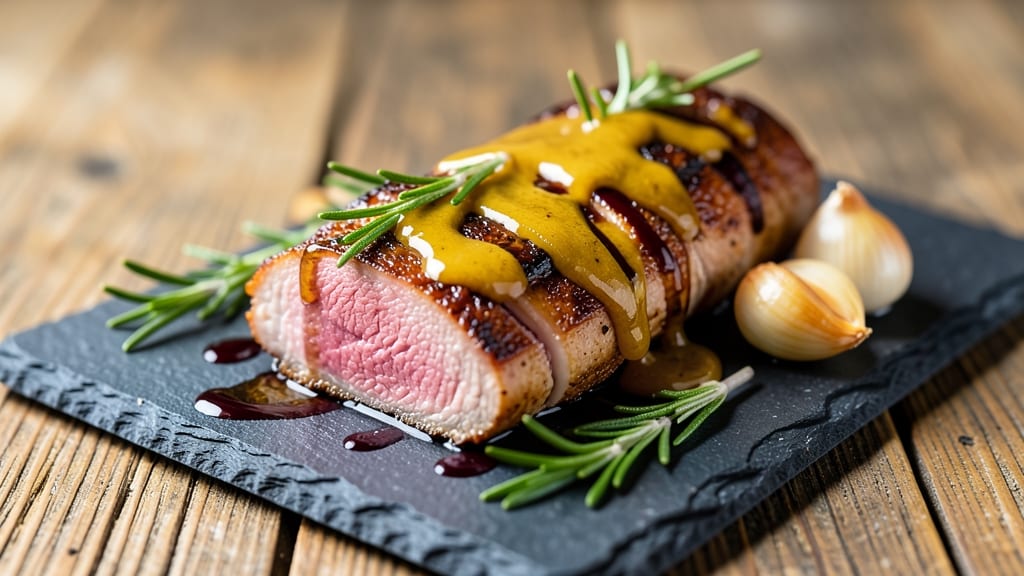
This 3-pound pork tenderloin recipe delivers restaurant-quality results with tender pink centers and a perfectly herb-crusted exterior—exactly what I've been perfecting for years at Atlanta's Smoky Pig. The secret lies in precise seasoning and controlled roasting, ensuring every bite stays juicy while developing a flavorful crust. I learned this technique during my apprenticeship under Master Chef Chen, where we cooked whole hogs daily and understood how to balance tenderness with flavor.
What sets this recipe apart is the herb crust, which adds depth without overpowering the natural sweetness of the pork. We're talking rosemary, thyme, garlic, and Dijon mustard—simple ingredients that transform a basic roast into something extraordinary.
The key is letting the tenderloin rest before slicing, allowing those juices to redistribute for maximum tenderness. This method has never failed me, even when cooking for crowds of 100.
By the time you serve this, you'll have a perfectly cooked pork tenderloin with a golden crust and juicy interior that practically melts in your mouth. The herb notes complement the pork's natural richness, creating a dish that's elegant enough for dinner parties but simple enough for weeknight dinners.
My family requests this roast at least once a month—it's that good.
The best part? This recipe scales beautifully. Make it ahead and reheat gently for gatherings, or serve with roasted vegetables and a red wine reduction for a complete meal. Trust me, once you master this technique, you'll never buy pre-packaged pork tenderloin again. Let's get cooking.
Ingredients for 3 pound pork tenderloin
Herb-packed crust meets juicy pink perfection—this is the pork tenderloin you'll crave weekly.
| Ingredient | Amount | Notes |
|---|---|---|
| Pork Tenderloin 🐷 | 3 lb | Center-cut, trimmed of silver skin |
| Fresh Rosemary 🌿 | ¼ cup | Finely chopped, stems removed |
| Fresh Thyme 🌿 | 1 tbsp | Leaves only, finely chopped |
| Garlic Cloves 🧄 | 6 cloves | Minced, for herb paste |
| Dijon Mustard 🍯 | 2 tbsp | High-quality, smooth variety |
| Extra-Virgin Olive Oil 🫒 | ¼ cup | For crust and basting |
| Kosher Salt 🧂 | 1 ½ tsp | Diamond Crystal preferred |
| Freshly Ground Black Pepper 🌶️ | 1 tsp | Coarsely cracked |
| Unsalted Butter 🧈 | 2 tbsp | Cold, for crust |
| Red Wine 🍷 | ½ cup | Dry, for basting |
| Fresh Parsley 🌿 | ⅛ cup | Chopped, for garnish |
| Vegetable Oil 🫒 | 2 tbsp | For pan searing |
| Granulated Sugar 🍚 | ½ tsp | Balances herb flavors |
The pork tenderloin makes all the difference here. Center-cut is non-negotiable—it's more tender and holds its shape beautifully. Look for a piece with good marbling and vibrant color. Whole Foods or local butchers often carry the best quality. If you can't find center-cut, trim any excess fat and silver skin yourself. The herb crust is where the magic happens, so don't rush this step. I always buy fresh herbs from the market—they're brighter and more flavorful than the grocery store's plastic containers.
No fresh rosemary? Dried works at half the amount, but trust me, fresh is worth it. Short on thyme? Oregano or marjoram can sub in a pinch. The Dijon mustard should be smooth—not the grainy kind. For the olive oil, California extra-virgin is my go-to, but any high-quality brand will do. The red wine is just for basting—any dry red will work, even if it's just whatever's open in your fridge. The sugar might seem odd, but it helps balance the herbs and caramelizes beautifully on the crust.
Let the pork sit at room temperature for 30-45 minutes before cooking—this ensures even doneness. The herb crust keeps best in the fridge for 2 days, but I always make extra and freeze portions for quick weeknight dinners. Reheat gently in the oven with a splash of water to keep it moist. This roast reheats beautifully—even better the next day, once all the flavors meld. Garnish with fresh parsley right before serving for that restaurant-quality touch.
Why You'll Love This Recipe
- One-Pan Magic: I swear by this for nights when I’d rather scroll than chop. Just slather that Dijon and rosemary mix on the tenderloin, toss it on a sheet pan with garlic and thyme, and let the oven do the work—no pots, no mess, just pure satisfaction.
- Herb-Crusted Perfection: That crispy rosemary crust with the tender inside? It’s the kind of flavor that makes people pause mid-bite. The garlic and Dijon add this bright, savory punch that cuts through the richness—like a little flavor hug in every slice.
- Weeknight to Dinner Party: Same recipe, different vibes. Serve it sliced over mashed potatoes for a Tuesday night, or carve it dramatically on a board for guests—no one will guess it’s the same effort. Honestly, I’ve pulled this off for both my book club and my lazy Sunday naps.
- Leftovers That Don’t Suck: Most pork recipes turn into sad desk lunches, but this? It reheats like a dream—still juicy, still packed with flavor. Between us, I’ve turned half of it into tacos, sandwiches, and even a stir-fry the next day without a single complaint. Budget win.
Step-by-step instructions for herb-crusted pork tenderloin
Here's how to achieve a perfectly pink, herb-infused roast every time.
Create the Herb Crust and Prep the Pork
In a food processor, combine the 0.25 cup fresh rosemary, 1 tablespoon fresh thyme, 6 minced garlic cloves, 0.5 teaspoon granulated sugar, 1.5 teaspoons kosher salt, and 1 teaspoon freshly ground black pepper. Pulse until finely chopped but not pasty—you want visible texture. With the motor running, add the 0.25 cup extra-virgin olive oil and process until it forms a thick paste.
Transfer this herb paste to a small bowl and mix in the 2 tablespoons Dijon mustard and 2 tablespoons cold unsalted butter. This creates a flavorful, cohesive crust that'll stick beautifully to the pork. Pat the 3-pound pork tenderloin dry with paper towels—this is critical for crispy skin—and spread the herb mixture evenly over all sides, pressing gently to adhere. Let it sit at room temperature for 30 minutes while you preheat your oven to 425°F.
Sear for Maximum Flavor and Color
Heat 2 tablespoons vegetable oil in a large oven-safe skillet over medium-high heat until shimmering. Place the pork tenderloin in the skillet and sear on all sides for 2-3 minutes per side until deeply golden brown. The crust should be crisp and the internal temperature should reach 145°F when checked with a meat thermometer—this ensures you start with a good headway toward doneness.
Here's the thing—don't rush this step. The sear locks in juices and develops that beautiful crust we're after. If the crust starts to brown too quickly, reduce heat slightly to prevent burning. Once seared, transfer the skillet to the preheated oven.
Roast to Perfect Pink Centers
Roast the pork for 20-25 minutes until the internal temperature reaches 145°F—this is the safe minimum for pork. The exterior will be beautifully browned, but the center should still have a slight pink hue when sliced, indicating perfect doneness. For reference, a 1.5-inch thick tenderloin typically hits this temperature in about 22 minutes at 425°F.
During the last 5 minutes of roasting, pour the 0.5 cup dry red wine around the pork in the skillet. This creates a pan sauce that'll complement the herb crust beautifully. Remove the pork from the oven and let it rest for 10-15 minutes before slicing—this resting period is crucial for redistributing juices throughout the meat.
Create the Pan Sauce and Garnish
After resting, return the skillet to the stovetop over medium heat. Spoon any accumulated juices from the pork back into the skillet and scrape up any browned bits from the bottom—this is where all the flavor hides. Simmer for 3-4 minutes until the liquid reduces slightly and coats the back of a spoon.
Strain the sauce through a fine-mesh sieve to remove any herb bits if you prefer a smooth sauce, or leave it rustic for texture. Drizzle the sauce over the sliced pork and garnish with 0.125 cup chopped fresh parsley. Serve immediately with roasted vegetables or a fresh salad to complement the herbaceous flavors.
Pro Tips For Making 3 Pound Pork Tenderloin
- USE A MEAT THERMOMETER: The pork tenderloin’s small size means it cooks fast—145°F is your target, but I’ve seen people pull it at 135°F and call it done. That’s dry, sad pork. Wait for the internal temp to hit 145°F, then let it rest. No guessing, no regrets.
- DRY THE HERBS FIRST: Fresh rosemary and thyme love to clump when wet. Pat them dry with a paper towel before chopping, or they’ll turn your mustard glaze into a watery sludge. I learned this the hard way—my first batch of glaze was more soup than sauce.
- DON’T SKIP THE REST: That 3-pound tenderloin needs a solid 5-10 minutes under foil after hitting 145°F. I know, you’re eager to slice—so was I, until I cut into it too soon and watched the juices pool on the plate. Let it sit, even if you’re staring at it like it owes you money.
- SEAR IN BATCHES: A 3-pound pork tenderloin won’t fit in one pan without crowding, and that’s a flavor killer. Sear half at a time in a hot skillet with 2 tablespoons of oil—enough to get a deep golden crust. Crowd it, and you’ll end up with steamed pork instead of seared perfection.
Regional styles of this dish
Southern BBQ Style
In the Southeast, we take pork tenderloin and give it that smoky, sweet-and-spicy kick you'd expect from a Carolina pit. Start with the same herb crust, but before roasting, brush the tenderloin with a mix of 2 tablespoons apple cider vinegar and 1 tablespoon hot sauce (I love Crystal brand).
After searing, move it to a smoker set to 250°F for 30-40 minutes until it hits 145°F internal temp. The vinegar adds tang, while the smoke infuses that deep, wood-fired flavor. Serve sliced over coleslaw with a side of baked beans for a true Southern feast. 🍖
Italian Herb-Crusted
This version leans into Mediterranean flavors with a crust packed with 1 tablespoon dried oregano and 1 teaspoon fennel seeds (lightly toasted and crushed). Replace the Dijon with 2 tablespoons balsamic vinegar> and add 1 tablespoon lemon zest to the herb paste.
Roast as directed, but finish with a quick broil for 2-3 minutes to get that golden, almost caramelized crust. Garnish with thin lemon slices and serve with a white wine reduction sauce> made from the pan drippings. 🍋
Cajun Spiced
For a Louisiana twist, swap the rosemary and thyme for 1 tablespoon Cajun seasoning> (like Tony Chachere's) and 1 teaspoon smoked paprika>. Add 1 teaspoon garlic powder> and ½ teaspoon onion powder> to the crust.
After searing, deglaze the pan with ½ cup chicken stock> instead of red wine, then finish with a splash of hot sauce>. Serve with dirty rice> or grilled corn on the cob.
This version is bold, smoky, and packed with heat—just like a New Orleans Sunday dinner. 🌶️
Honey-Glazed Asian Fusion
This is my take on a fusion dish that balances sweet and savory perfectly. After creating the herb crust, brush the pork with a glaze made from 3 tablespoons honey>, 1 tablespoon soy sauce>, and 1 teaspoon grated ginger>.
Roast as usual, but baste the tenderloin with the glaze every 10 minutes>. For the pan sauce, reduce ¼ cup hoisin sauce> with 1 tablespoon rice vinegar> and a pinch of red pepper flakes.
Garnish with sesame seeds> and sliced scallions. Serve with steamed jasmine rice> and quick-pickled cucumbers for a refreshing contrast. 🍯
Classic French Duck Confit Inspired
For a more refined approach, I like to mimic duck confit techniques with pork tenderloin. After crusting, wrap the tenderloin in ¼ cup duck fat> (or substitute with lard) and place it in a baking dish.
Roast at 300°F> for 45 minutes> until tender, then increase heat to 425°F> for the final 10 minutes> to crisp the crust. Serve with a red wine reduction> and roasted root vegetables>.
This method keeps the pork incredibly moist and rich—perfect for special occasions. 🍷
Nutrition facts
Frequently asked questions
How do I know when my 3-pound tenderloin is fully cooked?
Use a meat thermometer to check the internal temperature—it should reach 145°F for safe consumption. The center will still show a slight pink hue when sliced, which is perfect for juicy results. Overcooking leads to dryness, so don't exceed 145°F even if the exterior looks fully browned.
Can I cook this in a slow cooker instead of the oven?
Yes, but with adjustments! Sear the tenderloin first, then cook on low for 4-5 hours until it reaches 145°F. Add ½ cup broth to the slow cooker and baste occasionally. The crust won't be as crisp, but the meat will stay incredibly tender. Finish with a quick broil to restore some color if desired.
What's the best way to store leftovers?
Slice the cooled pork and store in an airtight container for up to 4 days in the fridge. For longer storage, freeze portions for 3 months. Reheat gently in the oven at 300°F with a splash of water or broth to keep it moist. Never microwave—it makes the meat rubbery!
Can I substitute chicken or beef for this recipe?
Not ideal! Pork tenderloin's lean nature and mild flavor make it perfect for this herb crust. Chicken would dry out too quickly, while beef (like sirloin) needs longer cooking times and different seasoning. If you must substitute, try chuck roast (cook low-and-slow) or lamb loin (reduce cooking time by 15-20 minutes).
Why does my pork come out dry even when I follow the recipe?
Most likely, you skipped the resting time or overcooked it. Always let the pork rest for 10-15 minutes before slicing—this lets juices redistribute. Also, check your oven temperature with an oven thermometer (many run hot). If the crust burns before the center cooks, lower the oven to 400°F and add 5-10 minutes to the roasting time.