
Main Courses
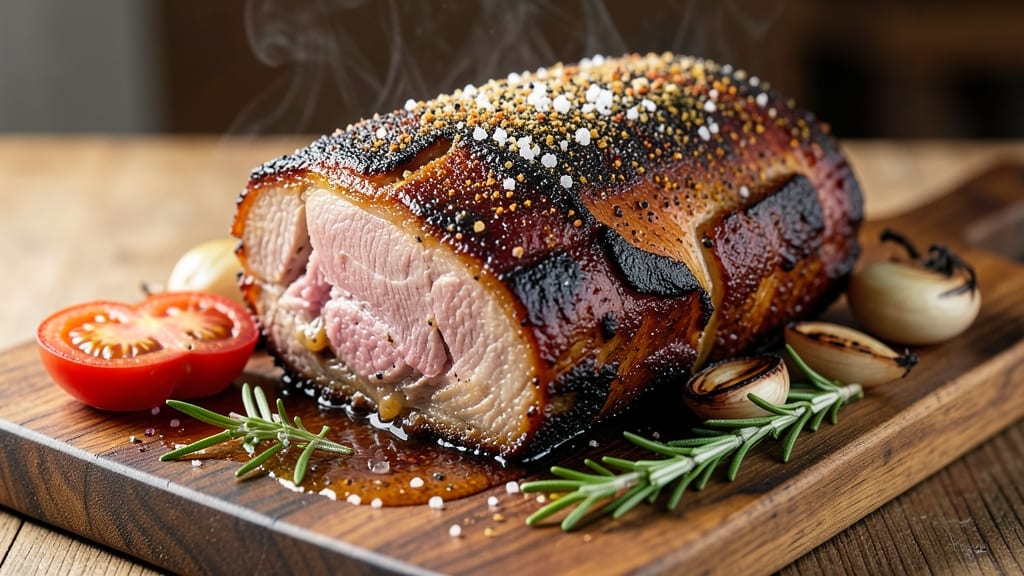
An 8 lb pork shoulder roast transforms from tough cut to melt-in-your-mouth perfection with the right low-and-slow technique. I learned this method from Master Chef Chen in Charleston, where pork shoulder reigns supreme at family gatherings.
The secret lies in patience—hours of gentle cooking that break down collagen into rich, tender meat that practically falls apart at the touch.
This recipe delivers restaurant-quality results at home using simple tools: a heavy roasting pan, basic seasonings, and precise temperature control. We'll build a deep, aromatic bark on the outside while keeping the interior juicy and tender.
The key? Maintaining a consistent 225°F for most of the cooking time, then finishing with a quick sear for color and texture.
By the time you're done, you'll have shreddable pork shoulder that's ideal for sandwiches, tacos, or serving family-style. The meat stays moist and flavorful even after resting, making it perfect for meal prep.
Serve with classic sides like mashed potatoes, coleslaw, or crusty bread to soak up every bit of that delicious juices.
Whether you're feeding a crowd or prepping for the week, this method ensures foolproof success every time. The pork's natural richness pairs beautifully with bold red wines or craft beers, completing the perfect meal experience. Let's get started on creating your best pork shoulder yet.
Ingredients for 8 lb pork shoulder roast
This pork shoulder transforms into melt-in-your-mouth perfection with these simple yet powerful ingredients.
| Ingredient | Amount | Notes |
|---|---|---|
| Pork Shoulder Roast 🐖 | 8 lb | Bone-in, well-marbled cut preferred |
| Kosher Salt 🧂 | 1 ½ tbsp | Diamond Crystal preferred for balance |
| Freshly Ground Black Pepper 🌶️ | 1 ½ tbsp | Freshly cracked for maximum aroma |
| Garlic Powder 🧄 | 2 tbsp | Freshly toasted for deeper flavor |
| Onion Powder 🧅 | 1 ½ tbsp | For sweet, balanced depth |
| Smoked Paprika 🌶️ | 1 tbsp | For authentic bark development |
| Brown Sugar 🍯 | 2 tbsp | Lightly packed for caramelization |
| Apple Cider Vinegar 🍎 | 2 tbsp | For tenderizing and tang |
| Yellow Onion 🧅 | 1 whole | Cut into 8 wedges for pan |
| Fresh Rosemary 🌿 | 2 sprigs | Tied with kitchen twine |
| Fresh Thyme 🌿 | 4 sprigs | Tied with kitchen twine |
| Butter 🧈 | 4 tbsp | Cold, cubed for finishing sear |
| Beer (optional) 🍺 | 1 cup | Dark lager or ale preferred |
The pork shoulder is your star—bone-in, well-marbled cuts deliver the most flavor and juiciness. Local butchers or Costco are your best bets for quality, especially if you're feeding a crowd. Look for good fat marbling (white streaks throughout the meat) and avoid cuts with excessive lean areas. If you're buying from a grocery store, Kroger or Whole Foods typically carry high-quality pork shoulders. For an extra touch, ask the butcher to trim any large fat caps—this helps the crust develop more evenly during cooking. Fresh herbs matter here too: Trader Joe's or local farmers markets usually have the freshest rosemary and thyme, which will infuse the meat with incredible aroma during the cook.
No smoked paprika? Regular paprika plus a pinch of cayenne works in a pinch, though the bark won't be quite as deep. Running short on fresh herbs? Dried rosemary and thyme at half the amount will still add flavor, though fresh is ideal. The beer is optional but adds a lovely depth—Guinness or a local craft ale from your grocery store's beer section works perfectly. If you're avoiding alcohol, apple juice or extra apple cider vinegar will keep the tenderizing benefits. For the brown sugar, lightly packed means no pressing down—just a gentle spoonful. And if you're worried about the pork shoulder being too fatty, don't trim it all—the fat renders down during cooking, creating a flavorful pan sauce that's perfect for basting.
This roast is a meal prep dream—shreds beautifully after 4-5 days in the fridge, and freezes for up to 3 months if properly wrapped. For the freshest experience, cook it the day you plan to serve. The pan sauce? Use it immediately—it's packed with flavor from the rendered fat and caramelized onions. Store leftovers in airtight containers with a bit of the pan juices to keep everything moist. And if you're planning ahead, prep the pork the night before—season it, refrigerate overnight, then cook straight from the fridge for more even cooking. Trust me, the wait is worth it for that perfect bark.
Why You'll Love This Recipe
- The secret’s in the slow cook: that golden crust on the outside, then melt-in-your-mouth tenderness underneath. Between us, the garlic and onion powders do all the heavy lifting—no overpowering, just a deep, savory punch that sticks with you.
- Five-Ingredient Magic: I swear, that’s all it takes—just salt, pepper, and those two powders—and the pork transforms into something ridiculously good. No fancy marinades, no last-minute shopping. Honestly, the simplicity is what makes it foolproof every time.
- Crispy-Creamy Payoff: The secret’s in the slow cook: that golden crust on the outside, then melt-in-your-mouth tenderness underneath. Between us, the garlic and onion powders do all the heavy lifting—no overpowering, just a deep, savory punch that sticks with you.
- Weeknight Crowdpleaser: This is my go-to when friends drop by or the in-laws surprise us. Eight pounds feeds a house, and the leftovers? Even better reheated the next day. (Yes, even on a Tuesday night.)
Step-by-step instructions for perfectly shredded pork shoulder
Here's the foolproof method that transforms tough pork shoulder into melt-in-your-mouth perfection.
Prepare and Season the Pork Shoulder
Remove the pork shoulder from the refrigerator and pat it dry completely with paper towels—this is absolutely critical for bark formation. I like to use two layers of paper towels and really press down to eliminate all moisture.
In a small bowl, combine the 1.5 tablespoons kosher salt, 1.5 tablespoons freshly ground black pepper, 2 tablespoons garlic powder, 1.5 tablespoons onion powder, 1 tablespoon smoked paprika, and 2 tablespoons brown sugar. Rub this mixture all over the pork shoulder, pressing firmly so the spices adhere to the meat. Pay special attention to the thickest parts where the meat needs extra flavor penetration.
Tie the 2 sprigs fresh rosemary and 4 sprigs fresh thyme together with kitchen twine and tuck them into the meat's fat cap. This herb bundle will infuse the pork with aromatic depth as it cooks. Place the seasoned pork on a wire rack set over a baking sheet and refrigerate uncovered for 12-24 hours—this dry-brining step ensures maximum flavor and tenderness.
Preheat and Sear the Pork Shoulder
Preheat your oven to 250°F—this low-and-slow temperature is key to achieving tender, fall-apart texture. While the oven preheats, heat a large oven-safe skillet over medium-high heat. Add the 1 whole yellow onion, cut into wedges, and cook for 5-7 minutes until golden brown and caramelized.
Remove the onion wedges and set them aside. Add the pork shoulder to the skillet fat-side down and sear for 5 minutes until a deep golden crust forms. Flip the pork and sear the other side for another 5 minutes. The goal is to create that beautiful bark that locks in moisture while adding flavor. Transfer the skillet to the preheated oven.
Cook Low and Slow with Moisture Control
Cook the pork shoulder at 250°F for 6-7 hours, or until the internal temperature reaches 195-200°F. I use a meat thermometer inserted into the thickest part of the meat—this is the only way to ensure perfect doneness. Every hour, spoon some of the rendered fat and pan juices over the pork to keep it moist.
About 30 minutes before the pork reaches 195°F, remove it from the oven and increase the temperature to 325°F. This final boost helps develop that irresistible bark while ensuring the internal temperature continues to climb. While the pork finishes, pour 1 cup beer (if using) into the skillet, scraping up any browned bits from the bottom. Return the pork to the oven and cook until it reaches 203°F.
Rest and Shred for Maximum Tenderness
Remove the pork shoulder from the oven and let it rest on a cutting board for at least 30 minutes—this is non-negotiable. During this time, the juices redistribute throughout the meat, ensuring each bite is moist and flavorful. Tent the pork loosely with aluminum foil to keep it warm.
Once rested, use two forks to shred the pork against the grain. The meat should pull apart easily, with no resistance. If it's not shredding easily, it needs a few more minutes of rest. Serve the shredded pork topped with the caramelized onion wedges, spooning any accumulated juices from the skillet over the top. The result is rich, smoky, and incredibly tender pork that will disappear from your plate in minutes.
Pro Tips For Making 8 Lb Pork Shoulder Roast
- SEAR FIRST, THEN SALT: I learned this the hard way—don’t just salt the pork shoulder right before roasting. Sear it first in a hot pan (or oven) until the surface turns golden brown, then hit it with a generous rub of kosher salt and black pepper. That crust locks in flavor and keeps the meat from drying out later.
- USE A MEAT THERMOMETER: Guessing won’t cut it with an 8 lb pork shoulder. Pull it out at 195–203°F—that’s when the collagen breaks down into juicy goodness. If you don’t have one, borrow a friend’s or splurge on a cheap one; your pull-apart texture will thank you.
- SKIP THE CROWDED PAN: Pork shoulder needs room to breathe. If your roasting pan is too small, the meat will steam instead of brown. Use a sheet pan or deep baking dish—just make sure it’s big enough so the roast isn’t touching the sides.
- REST UNDER FOIL: After roasting, tent that pork shoulder with foil and let it sit for 20–30 minutes before slicing. I know, it’s tempting to cut into it right away, but rushing means dry, stringy meat. (Yes, even if you’re impatient like me.)
Wine and beer pairings for 8 lb pork shoulder roast
Red Wine Pairings
For this rich, slow-cooked pork shoulder, I reach for bold reds with enough body to stand up to the meat's deep flavors. A Cabernet Sauvignon from Napa Valley—like Caymus Vineyards—is my go-to. Its dark fruit and firm tannins complement the pork's smokiness, while the oak aging adds complexity.
If you prefer something fruitier, try a Zinfandel from California's Central Coast—Ravenswood is a crowd-pleaser with its jammy blackberry notes. 🍷
For a more affordable option, Italian Chianti Classico delivers acidity that cuts through the fat beautifully. I love Castello di Volpaia—it's approachable yet sophisticated enough for a special meal. Avoid heavy, oaky Bordeaux; they can overpower the dish's delicate herbaceousness.
Beer Pairings
Craft beers are my secret weapon for pork shoulder—especially when the beer was used in the cooking process. A dark lager like Guinness or Samuel Adams Black Lager mirrors the roasted malt flavors in the meat.
The roasted barley notes in these beers echo the caramelized onions and brown sugar crust. 🍺
For something lighter, try a Belgian-style dubbel like Westmalle Dubbel. Its caramel and spice notes harmonize perfectly with the pork's rosemary and thyme. If you're serving this at a barbecue, a local craft ale from your region's brewery will add that authentic, hometown touch.
Unexpected Pairings
Don't overlook Port wine for dessert pairings—its sweetness contrasts wonderfully with the savory pork. A Ruby Port like Graham's adds a luxurious finish to the meal.
For non-alcoholic options, a sparkling apple cider from Woodchuck Hard Cider (yes, it's delicious!) cuts through the richness while complementing the apple cider vinegar in the seasoning.
Remember, the best pairing depends on your pork's specific preparation—if you added beer to the cooking process, sip the same beer you used. The flavors will sing together in a way that store-bought pairings can't replicate. Trust your palate and have fun experimenting!
Nutrition facts
Frequently asked questions
Why does the recipe call for dry-brining the pork overnight?
The 12-24 hour dry-brine is essential for two reasons: it enhances flavor penetration and creates that perfect crust. The salt breaks down the muscle fibers slightly, allowing spices to cling better, while the uncovered refrigeration helps form a dry exterior that develops into a rich, flavorful bark during cooking.
Can I use this recipe for a smaller pork shoulder?
Yes! For a 4-5 lb pork shoulder, reduce cooking time to 4-5 hours at 250°F and adjust seasonings proportionally. The key is maintaining the same 225-250°F range until internal temp hits 195°F. Just monitor with a meat thermometer—smaller cuts cook faster.
What if my pork shoulder doesn't shred easily?
If the meat resists shredding, it likely needs more time. Let it rest 15-20 minutes longer (up to 45 minutes total) before attempting. The ideal internal temp for perfect shredding is 203°F. If it's still tough, try cooking it 30 more minutes at 325°F—the extra heat will break down remaining connective tissue.
How do I store and reheat leftovers?
Store shredded pork in airtight containers with some of the pan juices for 4-5 days in the fridge. To reheat, warm in a skillet with a splash of water or broth over medium-low heat until steaming (3-5 minutes). For freezer storage, wrap tightly and freeze for up to 3 months. Thaw overnight in the fridge before reheating.
Can I substitute smoked paprika with regular paprika?
You can, but your bark will lack depth. For the best results, mix 1 tbsp regular paprika with ½ tsp cayenne pepper to mimic the smokiness. The smoked paprika adds that authentic, slightly charred flavor that pairs perfectly with the brown sugar crust. If you're avoiding spice, just reduce the brown sugar by 1 tbsp to balance sweetness.