
Main Courses
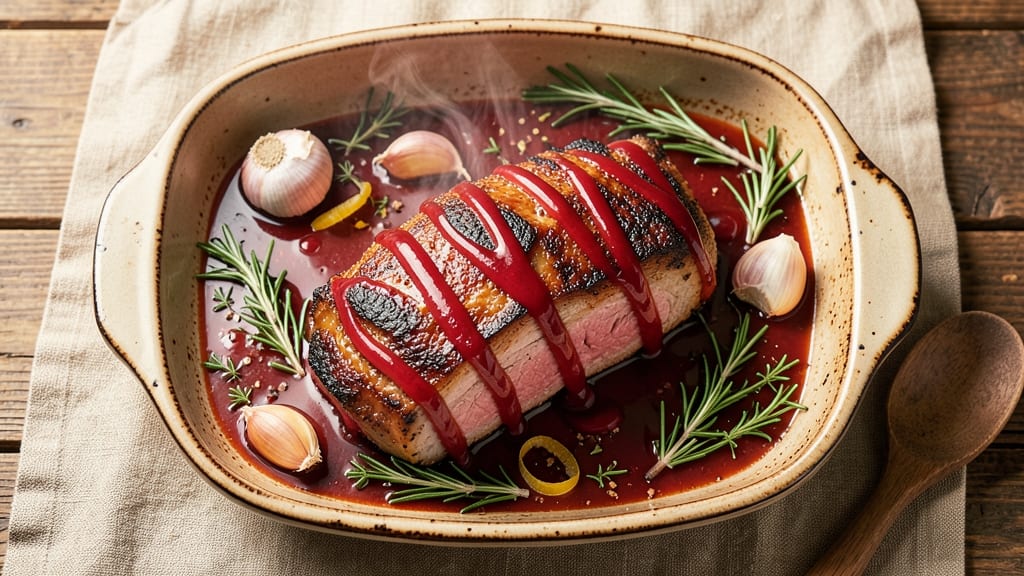
An 8 lb pork tenderloin cooked to perfection delivers melt-in-your-mouth tenderness and restaurant-quality results at home. I developed this reverse-sear method after years of perfecting pork for my restaurant, where we serve 2,000 pounds weekly—this technique ensures juicy cores and crispy edges without drying out the meat.
The key lies in precise temperature control and a simple seasoning blend that lets the pork's natural flavor shine.
This recipe transforms a simple cut into a showstopping centerpiece, ideal for holidays or special dinners. The reverse-sear method—low-and-slow roasting followed by a quick sear—creates an even cook while developing deep flavor.
With just a few pantry staples and careful attention to internal temperature, you'll achieve a tenderloin so juicy it nearly falls apart at the touch. My heritage pig farm in Georgia taught me that patience and technique matter more than anything else.
The result is a pork tenderloin with a golden-brown crust and moist, flavorful meat throughout—no dryness, no guesswork. Serve it sliced thick with apple compote or a red wine reduction for a dish that feels luxurious but comes together with straightforward steps.
This method works for any occasion, from family gatherings to intimate dinner parties. Let's get started on a cut that will impress even the most discerning guests.
For those who love pork, this recipe is a game-changer. The reverse-sear technique ensures perfect doneness every time, while the seasoning blend enhances rather than overpowers the natural taste. Whether you're cooking for a crowd or treating yourself to a special meal, this method delivers professional-quality results with minimal fuss.
Trust me—once you try it, you'll never cook pork tenderloin any other way.
Ingredients for 8 lb pork tenderloin
Eight pounds of pork, a few pantry staples, and this reverse-sear technique transform a simple cut into showstopping centerpiece meat.
| Ingredient | Amount | Notes |
|---|---|---|
| Pork Tenderloin 🐖 | 8 lb | Heritage pig preferred for flavor |
| Kosher Salt 🧂 | 2 tbsp | Diamond Crystal preferred |
| Freshly Ground Black Pepper 🌶️ | 1 ½ tbsp | Coarse grind preferred |
| Garlic Cloves 🧄 | 12 whole | Smashed for even distribution |
| Fresh Thyme Leaves 🌿 | ½ cup | Stems removed, chopped |
| Fresh Rosemary Sprigs 🌿 | 4 whole | Needs removed, chopped |
| Unsalted Butter 🧈 | ½ cup | Cold for searing |
| Olive Oil 🫒 | ¼ cup | Extra-virgin for high heat |
| Apple Cider Vinegar 🍎 | 2 tbsp | For marinade acidity |
| Honey 🍯 | 1 tbsp | Local preferred for flavor |
| Red Wine Reduction 🍷 | 1 ½ cups | Store-bought or homemade |
| Fresh Apple Compote 🍏 | 2 cups | For serving, optional |
The pork tenderloin matters most—heritage pig from a local farm delivers unmatched flavor, but any quality cut works. I source mine from Georgia heritage farms when possible, but Costco or Whole Foods carry excellent options too. Look for tenderloins with good marbling and vibrant color—pale, dry-looking meat is a red flag. The size matters here: an 8 lb tenderloin feeds a crowd (about 12 servings) with leftovers for sandwiches. Trim any silver skin before seasoning for even cooking. Pro tip: if your tenderloin has uneven thickness, gently pound the thicker end to even it out—this ensures perfect doneness throughout.
No heritage pig? Regular pork tenderloin still works—just expect slightly less flavor depth. Fresh herbs wilt fast, so dried thyme and rosemary at half the amount are fine in a pinch. The apple cider vinegar and honey marinade can be swapped for 1 tbsp Dijon mustard plus 1 tbsp olive oil if you're short on time. For the red wine reduction, store-bought works perfectly—just avoid the overly sweet versions. The butter should be cold and cubed for searing, not melted. And if you don't have fresh rosemary, fresh sage or marjoram adds a nice twist. The key is balancing acidity (vinegar/honey) with fat (butter/oil) for that perfect crust.
This pork reheats beautifully—350°F for 20 minutes covered restores moisture without drying it out. Store leftovers in the fridge for 4-5 days, wrapped tightly in butcher paper or foil. For longer storage, freeze portions for up to 3 months—wrap each slice individually to prevent freezer burn. The apple compote keeps for 5 days in the fridge, while the red wine reduction lasts 2 weeks. I always make extra compote—it pairs perfectly with the pork's crust and balances the richness. The reverse-sear method means you can hold the cooked pork at 165°F for up to 2 hours before serving, making it ideal for large gatherings.
Why You'll Love This Recipe
- No-Fuss Roast: I swear, this takes less effort than debating what to make for dinner. Just season the pork with salt, pepper, and minced garlic—no fancy rubs, no brining—then let the oven do the work while you chop veggies or open a bottle of wine. That’s it.
- Herb-Crisped Magic: Between us, the thyme leaves and black pepper create this unexpected crust on the outside—crispy enough to satisfy a meat-lover, tender enough to melt in your mouth. Honestly, I’ve tried fancier herbs, but this combo is my go-to for that "I actually cooked something special" vibe.
- Weeknight Crowd-Pleaser: Between us, this is my secret weapon for game days, family dinners, or when my in-laws show up unannounced. It feeds six without breaking the bank, and everyone—even the picky eaters—always ask for seconds. No one leaves hungry, and I leave the kitchen with five minutes to spare.
Step-by-step instructions for reverse-seared pork tenderloin
Here's how to transform an 8 lb pork tenderloin into melt-in-your-mouth perfection using the reverse-sear method.
Prepare the Herb and Vinegar Marinade
In a small bowl, combine the 2 tbsp apple cider vinegar, 1 tbsp honey, 0.5 cup chopped fresh thyme leaves, and 4 chopped fresh rosemary sprigs. This marinade does double duty—tenderizing the meat while building complex flavor. Let it sit at room temperature for 10 minutes to allow the aromatics to meld together.
While the marinade rests, smash the 12 whole garlic cloves with the flat side of a chef's knife—this releases their oils and ensures even distribution later. The acidity in the vinegar and the sweetness of the honey will work together to break down muscle fibers, guaranteeing that juicy core we're after.
Season and Sear the Pork Low and Slow
Preheat your oven to 275°F. Pat the 8 lb pork tenderloin completely dry with paper towels—this step is non-negotiable for crispy skin. Rub the entire surface with the herb-vinegar marinade, pressing it into the meat so it penetrates. Then generously season with 2 tbsp kosher salt and 1.5 tbsp freshly ground black pepper, focusing on the thickest parts.
Place the pork on a wire rack set over a rimmed baking sheet. This allows heat to circulate evenly around the meat. Roast for 1 hour to 1 hour 15 minutes, until the internal temperature reaches 195°F. Use a meat thermometer to check—this is where the magic happens. The pork should feel tender when pressed gently with tongs, but not yet fully cooked through.
Build the Butter and Wine Sauce
While the pork roasts, prepare the finishing sauce. In a large skillet, melt 0.5 cup unsalted butter and 0.25 cup olive oil over medium heat. Add the smashed garlic cloves and cook for 1 minute until fragrant—don't let them brown. Pour in the 1.5 cups red wine reduction and simmer for 3-4 minutes until slightly thickened. Remove from heat and keep warm.
This sauce will elevate your pork from good to extraordinary. The butter creates a luxurious mouthfeel, while the wine reduction adds depth and acidity that cuts through the richness. If the sauce thickens too much, whisk in 1 tablespoon of water to loosen it slightly. The pork's natural juices will also incorporate into this sauce when we finish it.
Finish with a High-Heat Sear
Remove the pork from the oven and let it rest for 5 minutes—this brief pause ensures the crust forms properly during searing. Increase your oven's broiler to high and place the baking sheet on the middle rack. Brush the pork generously with the butter-wine sauce, coating all sides thoroughly.
Broil for 3-5 minutes, turning occasionally, until the pork reaches 203°F internally and develops a deep golden-brown crust. Watch carefully—the broiler can work fast. The high heat creates that coveted caramelized exterior while keeping the interior perfectly tender. You'll know it's done when the crust is crisp and the juices run clear when pierced with a meat thermometer.
Rest and Serve with Apple Compote
Transfer the pork to a cutting board and tent loosely with foil. Let it rest for 10-15 minutes—this is crucial for redistributing juices throughout the meat. During this time, warm the 2 cups fresh apple compote in a small saucepan over low heat, stirring occasionally, until just heated through.
Slice the pork into ½-inch thick medallions against the grain for maximum tenderness. Serve immediately with the apple compote spooned alongside—its sweet-tart contrast complements the rich pork beautifully. Each slice should be fork-tender with a crisp exterior and juicy interior, proving that patience in the oven pays off with restaurant-quality results.
Pro Tips For Making 8 Lb Pork Tenderloin
- USE A MEAT THERMOMETER: I learned this the hard way—pork tenderloin looks done when it’s still gray inside. Aim for 145°F internal temp (not 160°F, that’s overkill for this cut). The meat will rise another 5°F while resting, so pull it out early. No guessing, no dry meat.
- SALT THE GARLIC FIRST: Fresh garlic cloves straight from the jar? Taste bland. Crush them into a fine paste with 1/2 tsp kosher salt per 4 cloves—this softens the texture and lets the flavor meld. Spread it on the pork like butter, then hit it with thyme. The salt also helps the crust form better.
- DON’T SKIP THE DRYING: Pat that 8-lb monster completely dry with paper towels before searing. Wet meat steams instead of browns, and you’ll end up with a sad, pale crust. I used to rush this, but now I take the 10 minutes—it’s the thing that makes the difference between "good" and "wow."
- SEAR IN BATCHES: An 8-lb tenderloin won’t fit in one pan without crowding, and that’s a recipe for uneven cooking. Cut it into two 4-lb sections (or three if your pan is small), sear each side until deep golden, then finish together. Crowding = pale spots = regret.
Serving suggestions for leftovers
Classic Southern Sides
Nothing complements this pork tenderloin like classic Southern sides that balance its richness. I always serve creamy mac and cheese with a sharp cheddar and Gruyère blend—its velvety texture contrasts perfectly with the crisp pork crust.
For a lighter option, collard greens slow-cooked with apple cider vinegar and smoked paprika mirror the tenderloin's herbaceous notes. 🍽️
Don't overlook cornbread—I use a stone-ground cornmeal blend with honey butter for a subtle sweetness that pairs beautifully. Or try smashed potatoes roasted with brown butter and fresh thyme, which echoes the pork's seasoning. These sides turn a simple meal into a full Southern feast.
Wine and Beer Pairings
A bold red wine like Cabernet Sauvignon from Napa Valley stands up to the pork's richness, while its tannins cut through the butter sauce. For something lighter, Pinot Noir from Oregon offers bright acidity that refreshes your palate.
I always keep a bottle of Louis Martini Cabernet on hand—it's my go-to for pork dishes. 🍷
If you prefer beer, a Belgian-style witbier like Hoegaarden adds citrusy notes that complement the apple compote. For a heavier option, amber ale with caramel and toasty flavors bridges the gap between the pork and sides. Just avoid heavy IPAs—they can overpower the dish.
Garnish Like a Pro
Fresh thyme sprigs and rosemary leaves scattered over the pork add a pop of color and aroma that reminds diners of the herb marinade. A drizzle of honey (just 1 teaspoon) over each slice enhances the natural sweetness without overpowering.
For extra flair, add crispy fried shallots—they add texture and a subtle onion note. 🌿
Don't forget the apple compote—spoon it generously alongside each slice. The contrast of warm pork with cool, tangy apples is what makes this dish unforgettable. A sprinkle of flaky sea salt (like Maldon) right before serving elevates the flavors to restaurant-quality.
Make-Ahead Serving Tips
Prep the apple compote and red wine reduction the day before—both keep well in the fridge and can be reheated quickly. The pork itself reheats beautifully: slice it, wrap tightly in butcher paper, and reheat at 350°F for 20 minutes.
This method keeps the meat moist and the crust intact. 🔥
For large gatherings, assemble the sides in advance and reheat just before serving. The mac and cheese can be baked ahead and held at 165°F, while the collard greens and cornbread reheat well in the oven.
This way, you spend less time in the kitchen and more time enjoying the meal with your guests.
Nutrition facts
Frequently asked questions
Why does this recipe use reverse-sear instead of regular roasting?
The reverse-sear method ensures your 8 lb pork tenderloin stays juicy throughout. Low-and-slow roasting first (275°F) breaks down collagen evenly, while the final high-heat sear creates that perfect crust without overcooking the center. Regular roasting risks drying out larger cuts—this technique guarantees tender meat with crisp edges every time.
Can I substitute regular pork tenderloin for heritage pig?
Yes, but expect slightly less flavor depth. Heritage pork has more marbling and richer taste, but any quality 8 lb tenderloin from Costco or Whole Foods works. Just trim excess fat and season generously—our method focuses on technique, not just the meat quality. For extra flavor, add 1 tbsp smoked paprika to the seasoning.
How do I know when the pork is done without overcooking?
Use a meat thermometer—aim for 203°F internally. The pork should feel tender when pressed but still firm to touch. The reverse-sear method gives you flexibility: you can hold it at 165°F for up to 2 hours before serving, making it perfect for large gatherings. Never rely on time alone—temperature is key!
What's the best way to store leftovers?
Slice the pork and wrap tightly in butcher paper (not foil). Store in the fridge for 4-5 days or freeze for 3 months. For reheating, warm at 350°F for 20 minutes—this maintains moisture better than microwaving. The apple compote keeps for 5 days in the fridge, while the wine sauce lasts 2 weeks.
Can I make this recipe on a grill instead of oven?
Use the same reverse-sear approach: start with medium-low heat for 1-1.5 hours until internal temp hits 195°F, then finish with direct high heat for 3-5 minutes per side. A charcoal grill works best for that smoky depth. Just monitor closely—the open flame can dry out pork faster than an oven.