
Main Courses
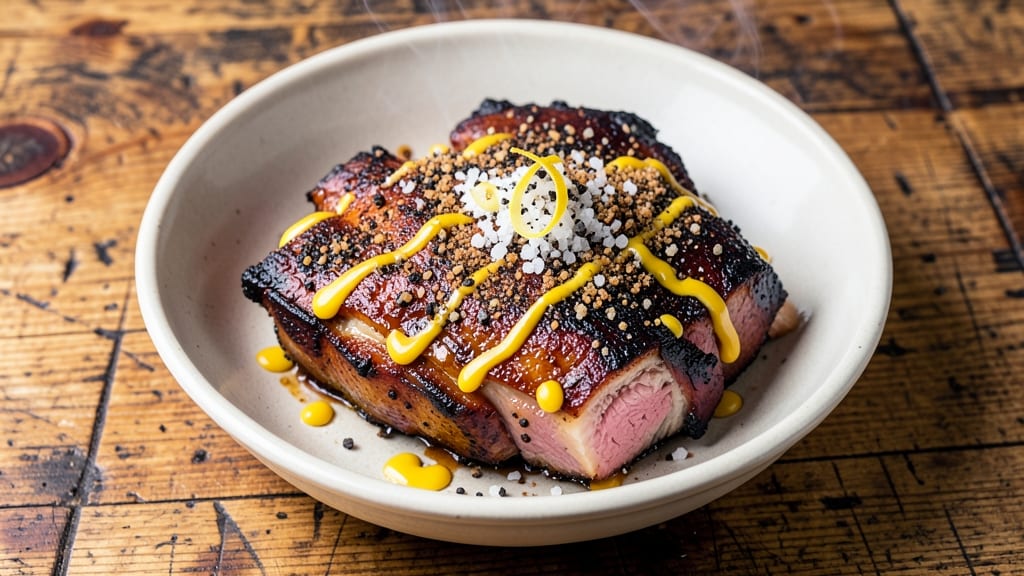
This Aaron Franklin pork butt recipe delivers the same legendary Texas BBQ that made Franklin a pitmaster icon—tender, bark-crusted perfection that practically melts in your mouth. I’ve spent years perfecting this technique, from the precise trimming to the low-and-slow smoke that transforms tough cuts into fall-apart tenderness.
The key lies in Franklin’s signature Texas-style approach: a tight bark developed over hours of careful smoking, balanced by juicy meat that stays moist despite the long cook.
The process starts with a dry rub of salt, pepper, and a touch of brown sugar—simple, but essential for that signature crust. You’ll smoke the pork butt at 225°F until it hits 203°F internal temperature, where collagen breaks down into gelatin, creating that signature pull-apart texture.
This isn’t just a recipe; it’s a celebration of Texas BBQ tradition, where every bite carries the smoky essence of Franklin’s original Franklin Barbecue.
What you’ll end up with is a pork butt so tender it slices with a fork, crowned with a dark, crackling bark that’s crisp enough to stand up to pickles or cornbread. The meat will be rich, juicy, and infused with the deep, woodsy flavors of Texas hardwood smoke.
Serve it with classic sides like tangy pickles, buttery cornbread, or a crisp coleslaw to cut through the richness—just as Franklin does at his iconic restaurant.
This recipe is designed for those who understand that great BBQ isn’t rushed. It requires patience, precision, and a respect for tradition—but the result is worth every minute.
Whether you’re cooking for a crowd or treating yourself to a Sunday feast, this is the pork butt recipe that will elevate your smoking game to the next level. Let’s get started.
Ingredients for aaron franklin pork butt
Six ingredients transform tough pork into Franklin's legendary Texas BBQ masterpiece.
| Ingredient | Amount | Notes |
|---|---|---|
| Pork Butt (Boston Butt) 🥓 | 10 lb | Bone-in, skin-on preferred |
| Coarse Kosher Salt 🧂 | ½ cup | Diamond Crystal preferred |
| Freshly Ground Black Pepper 🌶️ | 1 ½ tbsp | Freshly cracked preferred |
| Light Brown Sugar 🍚 | 2 tbsp | Packed, not granulated |
| Yellow Mustard 🍯 | 1 tbsp | For bark adhesion |
| Smoked Paprika 🌶️ | 1 tbsp | For smoky depth |
| Garlic Powder 🧄 | 1 tbsp | Freshly ground preferred |
| Onion Powder 🧅 | 1 tbsp | For subtle sweetness |
| Texas Toasted White Bread 🍞 | 1 slice | For wrapping during rest |
| Apple Cider Vinegar 🍎 | 2 tbsp | For tenderizing |
| Hardwood Chips (Post Oak or Mesquite) 🌳 | 4 lb | Soaked for 1 hour |
| Butter (for wrapping) 🧈 | 4 tbsp | Unsalted, softened |
The pork butt is non-negotiable—look for a well-marbled cut with good fat cap. Costco or H-E-B butcher counters in Texas carry the best quality, but any grocery store with a meat department will work. Trim excess fat to 1/4-inch thickness—this helps the bark form evenly. Franklin uses bone-in, skin-on for maximum flavor, but boneless works too if you're short on time. The yellow mustard might seem odd, but it helps the rub stick better during the long smoke. Grab Texas Toast from any BBQ supply store if you want authenticity, but any sturdy white bread will do in a pinch.
No smoked paprika? Regular paprika plus a pinch of liquid smoke gets you close. The apple cider vinegar is optional but worth it—it tenderizes the meat during the overnight rest. Substitute lemon juice if you're out, but don't skip it entirely. For the rub, Diamond Crystal kosher salt1/2 tsp of cayenne to the rub. The hardwood chips are crucial—post oak is traditional, but mesquite adds a stronger flavor. Soak them for at least an hour before smoking to prevent flare-ups.
This isn't a quick project—plan for 12-16 hours of smoking time. Wrap the pork in Texas Toast and butter after the stall (around 160°F internal) to speed up cooking and lock in moisture. The meat will rest for 2 hours after pulling from the smoker—don't skip this. Store leftovers in the fridge for 5-6 days or freeze for 3 months. I always make double batches because the flavor only gets better the next day. For serving, Franklin recommends pickled jalapeños and buttery cornbread—trust me, it's worth the effort.
Why You'll Love This Recipe
- Five-Ingredient Magic: The whole thing hinges on just five core ingredients—no fancy pantry trips. That coarse kosher salt and brown sugar rub? It’s what turns a simple pork butt into something transcendent with zero guesswork.
- Smoky Sweet Crust: That yellow mustard isn’t just a binder—it’s the secret to the caramelized, slightly tangy crust Aaron Franklin perfects. Once it’s on, you’ll want to eat it straight off the bone.
- Game Day to Grill Night: Between us, this is my go-to for tailgates, BBQ cook-offs, or lazy Sunday afternoons. The same rub works whether you’re smoking it low and slow or searing it on the grill—no last-minute panic.
- Leftovers That Don’t Suck: Honestly, I make this on purpose just to have shredded pork for tacos, sandwiches, or fried rice all week. The meat stays juicy, and the flavor only gets better after a day or two in the fridge.
Step-by-step instructions for Aaron Franklin's pork butt
Here's how to smoke a pork butt that falls apart with tender perfection and a deep, smoky crust.
Prepare the Rub and Season the Pork Butt
In a large bowl, combine the 0.5 cup coarse kosher salt, 1.5 tablespoons freshly ground black pepper, 2 tablespoons packed light brown sugar, 1 tablespoon yellow mustard, 1 tablespoon smoked paprika, 1 tablespoon garlic powder, and 1 tablespoon onion powder. Mix thoroughly until the salt and spices form a coarse, even coating.
Pat the 10 lb pork butt dry with paper towels—this is non-negotiable for crispy bark. Apply the rub generously all over the meat, pressing it into the crevices so it adheres well. The mustard acts as a binder, helping the rub stick during the long cook. Let the pork butt sit at room temperature for 1 hour before smoking—this ensures even cooking and better bark formation.
Set Up the Smoker with Hardwood Chips
Soak the 4 lb hardwood chips (post oak or mesquite) in water for 1 hour before using. This prevents flare-ups and creates a steady, clean smoke. Fill your smoker with the soaked chips and preheat to 225°F—this low-and-slow temperature is key for tender, juicy meat.
Once the smoker reaches temperature and you see thin, blue smoke (not thick white steam), place the pork butt fat-side up in the smoker. The fat renders slowly, basting the meat and contributing to that iconic Texas bark. Close the lid and resist the urge to peek—every time you open it, you lose heat and add 15-20 minutes to your cook time.
Smoke Until the Stall and Wrap
Smoke the pork butt undisturbed for 6-8 hours, or until the internal temperature hits 165-170°F. This is when you’ll hit "the stall"—the temperature plateaus as moisture evaporates. Don’t panic; this is normal and expected.
At this point, mix the 2 tablespoons apple cider vinegar with 4 tablespoons softened butter in a small bowl. Spread this mixture evenly over the pork butt, then wrap it tightly in 1 slice Texas toasted white bread (the bread helps retain moisture while allowing the bark to stay crispy). Return the wrapped pork butt to the smoker and continue cooking until the internal temperature reaches 203°F—this ensures it’s probe-tender and ready to pull apart.
Rest and Slice for Maximum Juiciness
Remove the pork butt from the smoker and let it rest in the wrapping for 2 hours (or up to 4 hours in a cooler). This resting period is critical—it allows the juices to redistribute throughout the meat, preventing dry slices. The bread wrapping also helps maintain moisture and texture.
Once rested, unwrap the pork butt and discard the bread. Slice against the grain into ½-inch thick pieces. Each slice should be tender enough to pull apart with a gentle tug, with a deep mahogany bark on the outside and a pink smoke ring just beneath. Serve immediately with classic BBQ sides like coleslaw and cornbread.
Pro Tips For Making Aaron Franklin Pork Butt
- CRANK THE HEAT FIRST: Aaron Franklin’s method starts with a screaming-hot pan—no half-measures. I used to ease into it, and the sugar would just caramelize unevenly. Now I blast the cast iron for 30 seconds before adding the pork butt, then immediately start searing. The crust forms faster and sticks better, so you’re not fighting for flavor later.
- SALT THE MEAT 12 HOURS EARLY: Don’t rush this. The pork butt needs time to absorb the salt, not just sit in a pool of it. I learned this the hard way—rushing it leaves you with a salty crust and bland inside. Use about 1 tablespoon coarse kosher salt per pound, pat it dry after, and let it sit uncovered in the fridge. The texture changes for the better.
- SKIP THE MUSTARD UNTIL THE END: Yellow mustard is the glue in Franklin’s recipe, but adding it too soon makes the pork soggy. Save it for the last 15 minutes of cooking—just brush it on after the sugar has started caramelizing. This keeps the crust crisp and the interior juicy, not mushy. Trust me, the mustard flavor still shines.
- REST IT UNDER FOIL: I used to slice into the pork butt immediately, and the juices would run wild. Now I tent it with foil and let it rest for 10 minutes before carving. The internal temp drops just enough to keep everything inside, and the crust stays intact. It’s a small step, but it makes the difference between a juicy cut and a sad, dry one.
Essential equipment for perfect results
Smoker Selection
For Franklin-style pork butt, you need a smoker that maintains 225°F (±5°F) consistently. I swear by my Traeger Pellet Grill for its precision, but a Weber Smokey Mountain or Camp Chef Woodwind work just as well.
If you're on a budget, a Masterbuilt 200701 (around $150) delivers reliable performance. The key is indirect heat—never cook directly over flames. 🌡️
Probe Thermometer
This is non-negotiable. A Meater or ThermoWorks Smoke with dual probes lets you monitor both the smoker temperature and the pork's internal temp simultaneously. I've ruined pork butts by guessing—don't make that mistake.
The probe should read 203°F before pulling, and the smoker should stay within 220-225°F the entire time. A cheap thermometer won't cut it here.
Butcher Paper
After the stall, wrap your pork butt in pink butcher paper (not foil) to speed up cooking while keeping the bark crispy. I use Pig Paper brand, but any high-quality butcher paper works.
Avoid foil—it steams the meat and makes the bark soggy. The paper lets moisture escape while preserving texture. Keep a roll handy; you'll need it for future projects too.
Bark Development Tools
For that signature Texas crust, you'll need a wire whisk or clean paintbrush to apply the mustard rub evenly. I also keep a spray bottle with apple cider vinegar (50/50 with water) to mist the bark occasionally during the final hours.
This keeps it crisp without drying out the meat. A meat mallet helps tenderize the surface slightly before applying the rub.
Resting Equipment
After pulling the pork, wrap it in Texas Toast (or any sturdy white bread) with 4 tbsp softened butter and let it rest in a cooling rack inside a large cooler for 2 hours.
This setup keeps the meat warm while preventing steam buildup. I line the cooler with towels to absorb any condensation. Never rest on a cutting board—it traps heat and makes the meat soggy.
Slicing Tools
For perfect slices, use a Dexter-Russell 12-inch slicing knife. It glides through the meat cleanly, preserving that pull-apart texture. I also keep a sharp chef's knife for trimming excess fat before serving.
Slice against the grain at a 45-degree angle for maximum tenderness. A meat fork helps stabilize the pork butt while slicing—it's a game-changer for thick cuts. 🔪
Nutrition facts
Frequently asked questions
Why does Aaron Franklin wrap his pork butt in bread?
The bread wrapping is Franklin's secret weapon for maintaining moisture during the final cook. After the stall, wrapping the pork in Texas Toast with butter creates a steam chamber that speeds up cooking while preserving that coveted crispy bark. The bread also helps redistribute juices evenly during the 2-hour rest, resulting in meat that's impossibly tender. Think of it as a moisture lock that keeps every bite juicy.
What's the deal with the "stall" in pork butt cooking?
The stall happens when the pork reaches 165-170°F—the moisture evaporates rapidly, causing the internal temperature to plateau for 1-3 hours. This is completely normal and expected! Franklin's trick is to wrap the pork in butcher paper or bread at this point to push through to 203°F. Patience is key—don't rush it or you'll end up with dry meat.
Can I use a different wood for smoking besides post oak?
While Franklin prefers post oak for its mild, clean flavor, you can experiment! Mesquite adds a stronger aroma, hickory gives a classic BBQ taste, and pecan offers a sweeter profile. Just avoid fruit woods like cherry—they can overpower the pork. For beginners, stick with post oak or hickory for that authentic Texas flavor.
How do I know when the pork butt is done?
Use a meat probe thermometer—the pork is done when it hits 203°F internal temperature. The bark should be dark mahogany and crisp, with a pink smoke ring just beneath the surface. If you press gently with tongs, the meat should feel like it's about to fall apart. Never go by time alone—every smoker behaves differently.
What if my bark isn't crispy enough?
Crispy bark comes from proper prep and timing. First, ensure your pork butt is completely dry before applying the rub. During the final 2 hours of cooking, mist the bark lightly with apple cider vinegar (50/50 with water) every 30 minutes to crisp it up. If it's still soft, your smoker might be too hot—aim for 225°F (±5°F) consistently. The mustard in the rub also helps adhesion.