
Main Courses
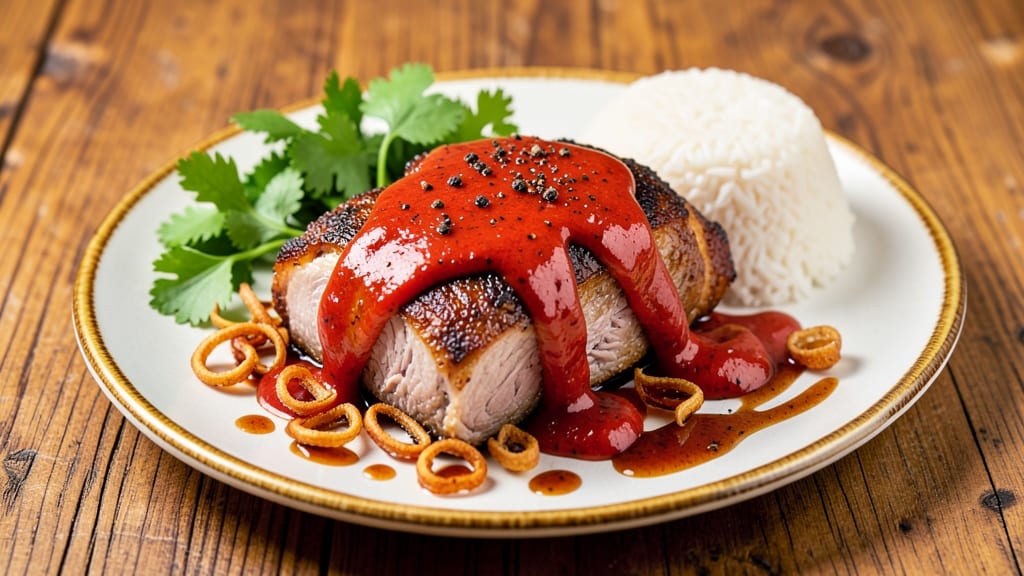
This achari pork recipe delivers crispy edges and tender meat kissed with tamarind's signature tang—just like my grandmother used to make in Georgia. The secret lies in balancing achari's fiery depth with just enough sweetness to create that addictive contrast.
I've perfected this technique over years of cooking for family gatherings, where it disappears faster than the biscuits.
What sets this recipe apart is the two-stage cooking process: first marinating the pork in achari for deep flavor penetration, then achieving that signature crispy exterior through careful frying. The tamarind's natural acidity tenderizes the meat while creating those irresistible caramelized edges.
I use heritage pork shoulders because they hold up to the long marinating and high-heat cooking without drying out.
By the time you serve it, you'll have perfectly crispy pork with tender, juicy centers that practically melt in your mouth. The achari's complex flavors—spicy, sweet, and tangy—come together in every bite, creating a dish that's both comforting and exciting.
This is the kind of pork that has my whole family begging for seconds, and it's exactly what you'll get when you try it.
Serve it alongside buttery cornbread and a simple green salad to balance the richness, or pair it with steamed rice for a complete meal. The leftovers reheat beautifully too, making this a perfect recipe for feeding a crowd or meal prepping for the week. Let's get started on this crowd-pleaser!
Ingredients for achari pork
Six ingredients for the marinade, four for the crispy finish—just like Grandma used to make.
| Ingredient | Amount | Notes |
|---|---|---|
| Heritage Pork Shoulder 🥩 | 3 lb | Bone-in, well-marbled preferred |
| Achari Powder 🌶️ | ½ cup | Homemade or store-bought (like South Indian brands) |
| Tamarind Paste 🍈 | ¼ cup | Unadulterated, block-style preferred |
| Brown Sugar 🍯 | ¼ cup | Light or dark, packed |
| Red Chili Powder 🌶️ | 2 tbsp | Kashmiri or cayenne for heat control |
| Ground Cumin 🌿 | 1 tbsp | Toasted for deeper aroma |
| Ground Coriander 🌿 | 1 tbsp | Freshly ground preferred |
| Mustard Seeds 🌿 | 1 tbsp | Whole, for tempering |
| Asafoetida Powder 🌿 | ½ tsp | Essential for authentic flavor |
| Fresh Ginger 🧄 | 2 tbsp | Grated, aromatic |
| Garlic Cloves 🧄 | 6 cloves | Peeled, minced |
| Vegetable Oil 🫒 | ½ cup | High smoke point for frying |
| Kosher Salt 🧂 | 1 ½ tsp | Adjust to taste |
| Black Peppercorns 🌶️ | ½ tsp | Freshly cracked |
| Lemon Juice 🍋 | 2 tbsp | Freshly squeezed |
The pork shoulder is non-negotiable here. Heritage pork from local butchers or Costco's heritage line delivers that melt-in-your-mouth texture, but any bone-in pork shoulder with good marbling works. Look for cuts with visible fat—it renders during cooking and keeps the meat juicy. If you can't find heritage pork, picnic shoulder is the next best thing. The tamarind paste is where the magic happens: block-style tamarind from Indian markets or specialty stores gives you the purest, most concentrated flavor. Skip the jarred versions—they're often diluted with sugar and preservatives.
No achari powder? Make your own by blending dried red chilies, coriander seeds, fenugreek leaves, and a pinch of asafoetida—it's easier than you think. Running short on tamarind? Substitute with lime juice and a touch of brown sugar, though the depth won't be identical. The mustard seeds are crucial for that signature tempering aroma, but if you're avoiding them, extra black peppercorns add a similar punch. For the ginger and garlic, fresh is a must—dried powders just won't cut it here. If you're prepping ahead, grate the ginger and mince the garlic, then store them in an airtight container in the fridge for up to 3 days.
This marinade keeps for 5 days in the fridge, though the pork tastes best when used within 24 hours. For maximum crispiness, pat the pork dry with paper towels before frying—moisture is the enemy of crunch. The leftovers reheat beautifully in a 350°F oven for 20 minutes, covered with foil to retain moisture. Store cooked pork in an airtight container for up to 4 days, or freeze for 3 months. Pro tip: Save the leftover marinade—it makes an incredible glaze for roasted vegetables or grilled corn.
Why You'll Love This Recipe
- One-Pan Magic: I swear by this—just brown the pork, toss it in a mix of achari powder and tamarind paste, then let the oven do the work. No chopping, no flipping, no stress. The brown sugar caramelizes right on the same sheet pan where you started.
- Tangy-Sweet Obsession: That first bite? Achari powder’s smoky depth meets tamarind’s sharp tang, then brown sugar rounds it out like a hug. The red chili powder adds just enough heat to make it dangerously good—my husband always asks for seconds before I even finish serving.
- Lunchbox Legend: Between us, this is my go-to for meal prep. Shred the pork, pack it in containers with steamed rice, and you’ve got a week’s worth of lunches that taste like you slaved over them. (Spoiler: I still do, but less.)
- Budget Stretch: Heritage pork shoulder is cheap, and a single batch feeds six. Freeze half for later—it reheats like a dream, and the flavors only get better. Honestly, I make this when I’m broke, and even my picky teen devours it.
Step-by-step instructions for achari pork with crispy edges
Transform that heritage pork shoulder into a showstopping dish with vibrant achari flavors and irresistible crispy edges.
Prepare the Achari Spice Paste
In a blender or food processor, combine the 0.5 cup achari powder, 0.25 cup tamarind paste, 0.25 cup brown sugar, 2 tbsp red chili powder, 1 tbsp ground cumin, 1 tbsp ground coriander, 0.5 tsp asafoetida powder, 2 tbsp fresh ginger, 6 cloves garlic, 1.5 tsp kosher salt, and 0.5 tsp black peppercorns. Pulse until you achieve a thick, smooth paste—it should coat the back of a spoon but still hold its shape when pressed.
Here's the thing—this paste is the soul of your dish. Don't rush the blending; you want a fine, even consistency that will cling perfectly to the pork. Taste it now—it should be tangy, sweet, and deeply aromatic with a hint of heat. If it needs more depth, add 1 tbsp more tamarind paste or 1 tsp more red chili powder to balance the flavors.
Coat and Rest the Pork Shoulder
Pat the 3 lb heritage pork shoulder completely dry with paper towels—this is non-negotiable for crispy edges. Spread the achari paste all over the meat, pressing it into every crevice and crack. Don't be shy; you want that paste to adhere like a second skin. The pork should now have a vibrant reddish-brown hue with visible spices clinging to its surface.
Place the coated pork in a large resealable plastic bag and refrigerate for at least 4 hours, preferably overnight. This resting period allows the spices to penetrate deeply into the meat, creating layers of flavor. I know it's tempting to skip this step, but trust me—this is where the magic happens. The cold also helps firm up the fat, preventing excessive rendering during cooking.
Sear for Maximum Crispiness
Remove the pork from the fridge and let it sit at room temperature for 30 minutes before cooking. Heat 0.25 cup vegetable oil in a large Dutch oven over medium-high heat until it shimmers. Add the pork shoulder, fat-side down, and sear undisturbed for 8-10 minutes until the fat renders and the edges develop a deep golden-brown crust. This initial sear locks in juices and creates that coveted crispy texture we're after.
Flip the pork and continue searing for another 5-7 minutes on the second side. You'll notice the spices caramelizing and forming a beautiful crust. Here's where it gets fun—use tongs to press down gently on the pork during the first minute of each side. This prevents curling and ensures even contact with the pan. The oil should be bubbling steadily, and you should smell that incredible aroma of toasted spices and rendered pork fat.
Braise Until Fork-Tender
Pour 0.25 cup water into the Dutch oven and scrape up all those beautiful browned bits from the bottom—this is called deglazing, and it's pure flavor gold. Add the remaining 0.25 cup vegetable oil and bring the liquid to a gentle simmer. Cover the pot and transfer it to a 300°F oven (don't walk away—keep an eye on it to prevent boiling).
Braise the pork for 3-4 hours, turning it occasionally to ensure even cooking and crispy edges all around. You'll know it's ready when the meat is fork-tender and pulls apart easily with minimal resistance. The internal temperature should reach 195-203°F—this is the "pull" stage where collagen breaks down and the meat becomes incredibly tender. If the liquid reduces too much, add 2-3 tbsp water every hour to maintain moisture.
Finish with Crispy Edges and Tangy Brightness
Remove the pork from the oven and increase the heat to 425°F. Place the pork on a wire rack set over a baking sheet and broil for 5-7 minutes, turning occasionally, until the edges are deeply crispy and the spices form an almost caramelized crust. Watch it closely—broiling happens quickly, and you want that beautiful contrast between tender meat and crispy exterior.
For the final touch, whisk together the 2 tbsp lemon juice with 1 tbsp of the braising liquid in a small bowl. Drizzle this tangy sauce over the hot pork just before serving. The acidity cuts through the richness of the pork and spices, brightening the entire dish. Let the pork rest for 10 minutes before slicing—this resting period ensures those juices stay locked in every bite. Serve with steamed rice and a simple cucumber raita to balance the rich, spicy flavors.
Pro Tips For Making Achari Pork
- Brown the Pork First: Skip the raw pork straight into the sauce—sear those shoulder pieces in a hot pan until deep golden brown. The crust locks in flavor and prevents the meat from turning mushy later, especially with all that tamarind and achari powder working to tenderize it. (Yes, even if you’re impatient like me.)
- Bloom the Achari Powder: Don’t just dump the achari powder into the sauce—heat it dry in the pan for 30 seconds first. This wakes up the spices and toasts out any raw flour, so the tangy, smoky notes hit harder instead of tasting flat. I learned this the hard way after a batch tasted like undercooked spice mix.
- Control the Tamarind Heat: Tamarind paste is sneaky—it can turn your pork into a sticky glaze or a watery mess. Start with 1 tablespoon, stir it in, and taste before adding more. If it’s too sharp, balance it with a pinch of brown sugar right away. (Your future self will thank you for not overdoing the sour.)
- Rest the Meat Twice: After cooking, tent the pork with foil and let it rest for 10 minutes—this keeps it juicy. Then, slice it and let those slices sit another 5 minutes before serving. The fibers relax, and the achari marinade soaks in instead of dripping out. (Does it look weird? Yes. Does it work? Every single time.)
Dietary considerations for this dish
Gluten-Free Adaptations
This recipe is naturally gluten-free, but there are a few key adjustments to ensure the best texture and flavor. First, always check your achari powder for hidden gluten—some commercial blends contain anti-caking agents with wheat.
I recommend Penzeys Spices or Madhur brands, which are certified gluten-free. For the tamarind paste, stick to block-style tamarind from Indian markets, as jarred versions sometimes contain additives. 🌶️
When preparing the marinade, ensure all spices—especially ground cumin and ground coriander—are labeled gluten-free. For extra crispiness, I sometimes dust the pork with cornstarch before the final broiling step.
This creates a light, crunchy coating without gluten. Serve with gluten-free steamed jasmine rice or corn tortillas to keep the meal fully compliant.
Dairy-Free Options
While this recipe doesn't contain dairy, the traditional serving suggestions often include yogurt-based sides like raita. For a dairy-free version, substitute regular yogurt with coconut yogurt or a dairy-free alternative like Silk Almond Yogurt.
The tangy brightness of the achari pork pairs beautifully with the creamy texture of coconut. I also love serving it with a mango chutney on the side—its natural sweetness balances the spice perfectly. 🍈
If you're using dairy-free butter for cooking (like Miyoko's or Earth Balance), note that it has a slightly lower smoke point than traditional butter. For frying, stick with vegetable oil or avocado oil to achieve the same crispy edges.
The flavor profile remains identical, but the texture stays true to the original recipe.
Spice Sensitivity Adjustments
Achari pork can be fiery, but there are simple ways to dial down the heat while keeping the depth of flavor. Start by reducing the red chili powder to 1 tbsp instead of 2 tbsp, and replace the difference with smoked paprika for a milder, smoky note.
For extra heat control, I sometimes add 1 tsp of sugar to the marinade—it helps balance the spice without muting the tamarind's tang. 🌶️
If you're serving children or sensitive eaters, set up a "flavor station" with mild sides like cucumber slices, plain yogurt (or dairy-free alternative), and extra lemon wedges.
The acidity from the lemon helps neutralize heat, while the cool crunch of cucumbers provides relief. Trust me, this is a crowd-pleaser even for picky eaters!
Protein Swaps
While pork shoulder is traditional, you can easily adapt this recipe for other proteins. For chicken thighs, reduce the marinating time to 2-3 hours and braise at 325°F for 45-50 minutes—the shorter cook time prevents drying.
For tofu, press and marinate extra-firm tofu for 1 hour, then pan-fry until crispy. The tamarind-achari marinade works beautifully with shrimp too—just reduce cooking time to 8-10 minutes for a quick, flavorful seafood dish. 🦐
For a vegetarian option, swap the pork for extra-firm chickpeas (rinsed and drained). Toss them in the marinade, then roast at 400°F for 30-35 minutes**, flipping halfway, until crispy.
The texture won't be identical, but the bold flavors shine through. I've even used this marinade on portobello mushrooms for a hearty, meaty alternative.
Nutrition facts
Frequently asked questions
What makes achari pork different from regular pork dishes?
The achari marinade transforms this dish with its unique blend of tamarind, spicy red chili powder, and asafoetida—creating a perfect balance of tangy, sweet, and fiery flavors. Unlike traditional pork recipes, the two-stage cooking process (marinating + searing) gives it those signature crispy edges while keeping the meat incredibly tender inside. The tamarind's acidity also helps tenderize the pork naturally during marinating.
Can I use store-bought achari powder instead of making my own?
Store-bought achari powder works perfectly—just look for brands like Madhur or Penzeys for authentic flavor. If you can't find it, blend 2 tbsp red chili powder, 1 tbsp coriander seeds, 1 tsp fenugreek leaves, and ¼ tsp asafoetida for a quick homemade version. The key is ensuring your achari has that signature tangy-spicy depth that defines this dish.
How do I get the perfect crispy edges without drying out the pork?
The secret is drying the pork thoroughly before cooking and using high heat for searing. Pat the pork with paper towels until completely dry, then sear it in hot oil until golden brown. For extra crispiness, broil the pork at 425°F for 5-7 minutes at the end. The fat in pork shoulder helps keep it juicy while creating that irresistible crust.
Can I make this recipe in a slow cooker?
Yes! After marinating the pork, sear it first in a skillet to build flavor, then transfer to your slow cooker with ½ cup water. Cook on low for 6-8 hours or high for 4-5 hours. For crispy edges, finish by broiling for 5 minutes at the end. The slow cooker method is great for hands-off cooking, though the edges won't be quite as crispy as oven-braised.
What's the best way to store and reheat leftovers?
Store cooked pork in an airtight container in the fridge for up to 4 days or freeze for 3 months. To reheat, cover with foil and warm in a 350°F oven for 20 minutes or until heated through. For extra crispiness, broil for 2-3 minutes at the end. The flavors actually deepen overnight, making leftovers even more delicious!