
Main Courses
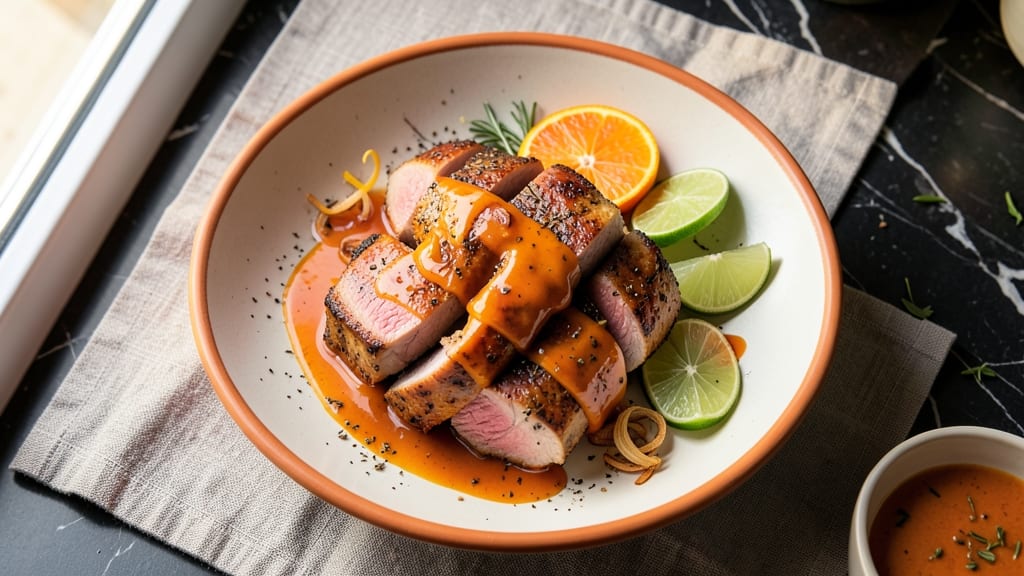
Achiote pork recipe transforms humble pork tenderloin into a dish that carries the soul of Caribbean and Latin American kitchens—deeply aromatic, tender, and infused with the earthy warmth of annatto. I first discovered this technique while working in Charleston, where the spice's smoky notes perfectly complement pork's natural richness. The secret lies in marinating the meat overnight, allowing the achiote to penetrate deeply and create that signature golden hue.
What makes this recipe special is the balance between traditional methods and modern convenience. You'll start with a simple marinade of achiote paste, citrus juices, and aromatic spices that tenderize the meat while building complex layers of flavor.
The cooking process is straightforward—whether you choose to grill, braise, or slow-roast, the result is consistently tender with a crispy exterior that locks in all those smoky, citrusy notes.
By the time you serve this dish, your kitchen will smell like a Caribbean feast, and every bite will deliver perfectly balanced flavors: the earthy depth of achiote, the bright tang of citrus, and the natural sweetness of the pork.
The marinade works its magic to keep the meat juicy while developing that beautiful caramelized crust. This is pork prepared with respect for tradition but made approachable for home cooks.
The best part? This recipe scales beautifully for gatherings, and the leftovers reheat just as well as the first serving. Pair it with black beans, rice, or a fresh mango salsa to complete the meal. Let's get started on creating this restaurant-worthy dish at home.
Ingredients for achiote pork
This Caribbean-inspired pork recipe marries smoky achiote with citrus brightness for unforgettable flavor.
| Ingredient | Amount | Notes |
|---|---|---|
| Pork Tenderloin 🥩 | 1 ½ lb | Center-cut, trimmed of silver skin |
| Achiote Paste 🌶️ | 2 tbsp | Pure, unsweetened, vibrant orange |
| Lime Juice 🍋 | ½ cup | Freshly squeezed, seeds strained |
| Orange Juice 🍊 | ½ cup | Freshly squeezed, no pulp |
| Garlic Cloves 🧄 | 6 cloves | Peeled, smashed for infusion |
| Ground Cumin 🌿 | 1 tbsp | Toasted for deeper aroma |
| Ground Coriander 🌿 | 1 tbsp | Freshly ground preferred |
| Bay Leaves 🌿 | 2 whole | Fresh or dried, torn in half |
| Olive Oil 🫒 | ¼ cup | Extra-virgin, fruity variety |
| Brown Sugar 🍯 | 2 tbsp | Light or dark, packed |
| Salt 🧂 | 1 ½ tsp | Diamond Crystal kosher |
| Black Peppercorns 🌶️ | 1 tsp | Freshly cracked, coarse grind |
| Fresh Cilantro 🌿 | ¼ cup | Chopped, for garnish (optional) |
| Lime Zest 🍋 | 1 tbsp | Fine, for finishing |
The achiote paste is non-negotiable here—Penzeys or Latin markets carry the best quality. Look for vibrant orange color and a slightly sweet, earthy aroma. If you can't find pure achiote paste, achiote seeds ground with oil works too, but the paste is more convenient. The pork tenderloin should be plump and firm to the touch; Trader Joe's or Costco often have excellent pre-trimmed cuts. For the citrus, fresh is non-negotiable—the bright acidity balances the achiote's earthiness perfectly. If you're using dried bay leaves, toast them briefly in a dry pan to deepen their flavor before adding to the marinade.
No achiote paste? Annatto seeds steeped in warm oil (1 tbsp seeds to 1/4 cup oil) creates a close substitute, though the color won't be as vibrant. Running short on lime? Grapefruit juice at half the amount adds a similar tartness. The brown sugar here isn't just for sweetness—it helps caramelize the pork's surface during cooking. If you prefer less sweetness, reduce it to 1 tbsp and add 1/2 tsp smoked paprika for depth. The cilantro garnish is optional but adds a fresh finish; skip it if you're serving to guests who dislike cilantro's flavor.
Marinate the pork overnight for maximum flavor penetration, but if you're short on time, at least 4 hours will work. The marinade keeps in the fridge for 3 days—perfect for meal prep. Cooked pork reheats beautifully; store leftovers in an airtight container for 4 days or freeze for 3 months. For best texture, reheat gently in a skillet with a splash of water or broth. The leftovers actually taste better the next day as the flavors meld further.
Why You'll Love This Recipe
- One-Pan Magic: I swear by this recipe when I’m too tired to wash dishes. Just sear the pork, toss in the achiote paste and citrus—no extra pots, no fuss. The tenderloin practically falls apart, and the pan’s already half-cleaned by the time you’re done.
- Citrus-Kissed Depth: That first bite? The achiote paste gives it a smoky, earthy warmth, while the lime and orange juice cut through the richness like a bright, tangy hug. Honestly, it’s the kind of flavor that makes you want to close your eyes and savor it.
- Crowd-Pleaser Flex: Between us, this recipe works for everything—weeknight dinners, potlucks, or even a fancy-ish Sunday lunch. Serve it sliced over rice, wrap it in tortillas, or just eat it straight with a cold beer. My in-laws asked for the recipe after one taste.
- Budget-Friendly Feast: Pork tenderloin stretches further than you’d think when marinated right, and achiote paste is a one-time buy that lasts forever. I’ve made this for six people for under $20, and the leftovers? Even better the next day, if you can resist eating it all immediately.
Step-by-step instructions for smoky annatto-infused tenderloin
This method delivers melt-in-your-mouth pork with vibrant annatto color and bright citrus notes.
Create the Achiote Marinade
In a small bowl, whisk together the 2 tbsp achiote paste, 0.5 cup lime juice, 0.5 cup orange juice, 0.25 cup olive oil, 2 tbsp brown sugar, 1 tbsp ground cumin, 1 tbsp ground coriander, 1.5 tsp salt, and 1 tsp black peppercorns. The mixture should be smooth and vibrant orange—this paste is what gives the dish its signature color and smoky depth.
Add the 6 smashed garlic cloves and 2 torn bay leaves to the marinade. The garlic will infuse its aromatic punch while the bay leaves add subtle earthiness. If you're using fresh bay leaves, tear them in half to release their oils more effectively. Let this marinade sit at room temperature for 10 minutes to allow the spices to fully bloom and the flavors to meld together.
Marinate the Pork Tenderloin
Place the 1.5 lb pork tenderloin in a resealable plastic bag or a shallow dish. Pour the marinade over the meat, ensuring it's fully coated on all sides. The tenderloin should develop a bright orange hue from the achiote as it absorbs the marinade. Seal the bag or cover the dish and refrigerate for at least 4 hours, or ideally overnight. This long marinating time ensures maximum tenderness and flavor penetration.
I know it's tempting to rush, but don't skip this step. The acid in the citrus and the spices work together to break down the muscle fibers, resulting in pork that's fork-tender. If you're short on time, at least 2 hours will make a noticeable difference in tenderness.
Sear the Pork for Crispy Perfection
Remove the pork from the refrigerator and let it sit at room temperature for 20 minutes before cooking. This ensures even cooking throughout. Heat a heavy skillet over medium-high heat and add the pork tenderloin. Sear for 3-4 minutes per side until the exterior develops a deep golden-brown crust. The sear is crucial—it locks in the juices and creates that beautiful caramelized exterior we're after.
While the pork is searing, you'll notice the marinade bubbling and sizzling in the pan. This is where the real flavor magic happens. Don't move the pork around too much—let it develop that crust. Once the exterior is deeply browned, transfer the pork to a plate and tent loosely with foil to keep it warm.
Finish with Citrus and Herbs
Return the skillet to the heat and add the 1 tbsp lime zest to the pan juices. Let it cook for 30 seconds to release its aromatic oils. Then, pour in any remaining marinade from the bag or dish, scraping up all the browned bits from the bottom of the pan. These bits are packed with flavor—don't miss this step!
Simmer the sauce for 2-3 minutes until it reduces slightly and coats the back of a spoon. The sauce should be glossy and slightly thickened, with a bright orange hue from the achiote. Return the pork to the skillet and spoon the sauce evenly over the top. Let it cook for another 1-2 minutes to heat through completely.
Rest and Garnish
Transfer the pork to a cutting board and let it rest for 10 minutes before slicing. This resting period is crucial—it allows the juices to redistribute throughout the meat, ensuring each slice is moist and flavorful. While it rests, garnish with the 0.25 cup chopped fresh cilantro for a pop of freshness and color.
Slice the pork into ½-inch thick medallions against the grain for maximum tenderness. Serve immediately with the citrus-infused sauce spooned over the top. The result should be pork that's incredibly tender, with a perfect balance of smoky, spicy, and citrusy flavors in every bite. Pair it with grilled vegetables or a fresh salad to complete the meal.
Pro Tips For Making Achiote Pork
- Sear First, Slow Later: Get that pork sizzling hot in a dry skillet for 3-4 minutes before adding the achiote paste—this locks in flavor and keeps the meat juicy. I used to skip this, and the sauce would cling like glue instead of caramelizing into something delicious.
- Whisk That Paste: Thin the achiote paste with half the orange juice first, then whisk it into a smooth paste before adding the rest of the liquid. Lumps mean uneven color and texture—trust me, you’ll taste the difference.
- Don’t Rush the Garlic: Smash those garlic cloves with the flat side of your knife before adding them to the pan. It releases more flavor and burns less, so you’re not left with bitter bits in your sauce.
- Save the Bright Juice: Strain the lime and orange juice through a fine-mesh sieve to keep the sauce silky. Fiber and pulp turn it gritty fast—especially when simmering—and no one wants to fight that while eating.
Flavor customization for this recipe
Spice Level Control
Adjust the heat by modifying the achiote amount—start with 1 tbsp for mild, 2 tbsp for balanced, or 3 tbsp for bold. I often add ½ tsp cayenne pepper for extra kick, but skip it if you prefer subtle warmth.
The citrus juices naturally mellow the spice, so don't be shy about increasing them if needed. 🌶️
Sweet-Tangy Balance
For a sweeter profile, increase brown sugar to 3 tbsp and add 1 tsp honey to the marinade. For more tang, swap ¼ cup orange juice for grapefruit juice—the bitter notes cut through the richness beautifully. I once served this with a mango-habanero salsa to let the sweetness shine.
Smoky Depth Variations
Add ½ tsp smoked paprika for extra smokiness, or try 1 tbsp ground chipotle powder for a Mexican-inspired twist. For a Caribbean touch, include 1 tsp ground allspice—it's a classic pairing with achiote. The key is balancing these spices with the citrus to avoid overpowering the pork's natural flavor.
Herb Swaps
Replace cilantro with fresh oregano for a Mediterranean vibe, or use thyme for a French-inspired version. I've also garnished with toasted sesame seeds for an Asian fusion twist. The herbs should complement, not compete with, the achiote's earthy notes.
Citrus Substitutions
Use lemon juice instead of lime for a milder tang, or add 1 tbsp pineapple juice for subtle sweetness. For a tropical twist, blend in 2 tbsp passionfruit pulp. The citrus is what brightens the dish—don't skip it, but
Nutrition facts
Frequently asked questions
Can I substitute achiote paste with something else if I can't find it?
Yes! For a similar flavor, steep 1 tbsp annatto seeds in ¼ cup warm oil for 10 minutes, then strain. This creates a vibrant orange hue and smoky depth. If you're short on time, ½ tsp smoked paprika + ½ tsp turmeric mimics the color, though the flavor won't be identical. The citrus and spices will still shine through!
How do I know when the pork tenderloin is fully cooked?
Use a meat thermometer for perfect results—the internal temperature should reach 145°F for medium doneness. The pork will appear golden-brown on the outside and juicy on the inside. If you don't have a thermometer, cut into the thickest part: juices should run clear, not pink. Let it rest 10 minutes before slicing to retain moisture.
Can I make this recipe in a slow cooker instead of searing?
After marinating, place the pork in a slow cooker with ½ cup marinade and cook on low for 4-5 hours or high for 2-3 hours. The slow cooking method keeps the meat incredibly tender. Finish by searing in a hot skillet for 2 minutes per side to create a crispy crust. The citrus sauce will still develop beautifully!
What's the best way to reheat leftovers?
Reheat gently in a skillet over medium-low heat with a splash of water or broth to prevent drying. Or warm in a 350°F oven for 10-15 minutes covered with foil. Never microwave—it makes the pork rubbery. The leftovers actually taste better as the flavors meld further! Perfect for meal prep.
How can I make this dish more authentic for a Caribbean gathering?
Serve with steamed white rice, black beans, and a side of fried plantains. For extra authenticity, add 1 tsp ground annatto seeds to the rice while cooking for a vibrant color. Garnish with sliced avocado and a sprinkle of toasted coconut flakes** for a tropical touch. The combination of flavors will transport your guests!