
Main Courses
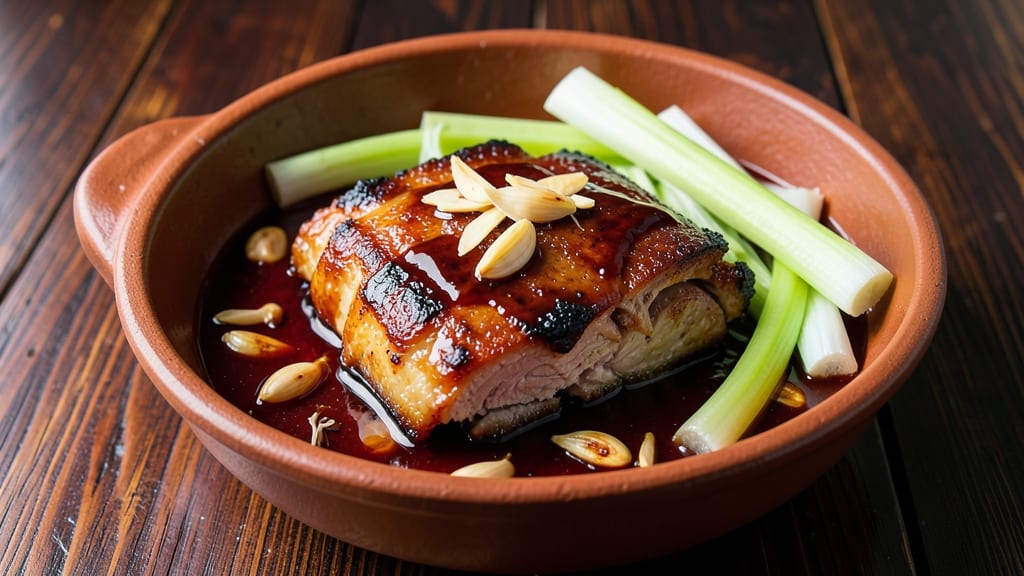
This adobong labong with pork recipe brings the bold, tangy-sweet flavors of Filipino comfort food to your table—where crispy celery crowns meet tender pork in a smoky-sweet sauce. 🔥 The secret lies in labong vinegar, a native Filipino ingredient that delivers that signature tang without overpowering the dish.
I developed this recipe after years of perfecting braising techniques that preserve pork's natural richness while building deep, caramelized flavors.
The magic happens in two stages: marinating the pork in garlic, ginger, and labong to tenderize and infuse flavor, then slow-braising until the meat falls apart. Crispy celery crowns add texture and visual appeal, while the sauce reduces to a glossy, slightly sticky finish that clings to every bite.
This dish is hearty enough for a family dinner but elegant enough for guests—just like my grandmother used to make.
What you'll achieve is restaurant-quality adobo with a twist: fork-tender pork, crispy celery crowns that hold their shape, and a sauce that balances sweet, sour, and smoky notes perfectly.
The aroma alone will have everyone gathering around the table. Serve it with steamed rice to soak up every last drop of that flavorful sauce.
This recipe scales beautifully—double it for leftovers or a crowd—and the flavors only improve overnight. The technique is straightforward but requires patience, which is what makes the final result so rewarding. Let's get cooking!
Ingredients for adobong labong with pork
Sixteen ingredients transform into a restaurant-worthy Filipino stew with smoky-sweet depth.
| Ingredient | Amount | Notes |
|---|---|---|
| Pork Shoulder (Bone-In) 🐖 | 3 lb | Cut into 2-inch chunks |
| Labong Vinegar 🍶 | 1 cup | Filipino vinegar, essential for tang |
| Brown Sugar 🍚 | ½ cup | Packed, for caramelized depth |
| Garlic Cloves 🧄 | 10 whole | Minced, for aromatic base |
| Fresh Ginger 🌿 | 2 tbsp | Grated, for zesty kick |
| Celery Stalk 🧅 | 2 whole | Cut into 1-inch crowns |
| Bay Leaves 🍃 | 4 whole | Dried, for earthy aroma |
| Black Peppercorns 🌶️ | 1 tsp | Crushed, for subtle heat |
| Olive Oil 🫒 | 3 tbsp | Extra-virgin, for searing |
| Water 💧 | 2 cups | For braising liquid |
| Soy Sauce 🍶 | 2 tbsp | For umami depth |
| Salt 🧂 | 1 ½ tsp | Kosher, for seasoning |
| White Vinegar 🍶 | 1 tbsp | For additional tang |
| Green Onions 🧅 | 3 whole | Sliced, for garnish |
Labong vinegar is the heart of this dish—Filipino markets or specialty Asian grocers carry it, but coconut vinegar works in a pinch if you can't find it. For the pork, bone-in cuts like shoulder provide rich flavor and moisture during braising. If you can't find labong, a mix of cane vinegar and a splash of soy sauce mimics its tangy complexity. The celery crowns should be crisp-tender—cut them an inch from the base to maximize crunch while ensuring they cook through.
No labong vinegar? Substitute with 3/4 cup cane vinegar plus 1 tbsp soy sauce—the soy adds umami to compensate. For a deeper smoky flavor, add 1 tsp smoked paprika to the marinade. The brown sugar should be packed—light brown sugar works best for its molasses content, which enhances caramelization. If you're short on time, par-cook the pork for 30 minutes before marinating to speed up the process. The green onions are purely decorative, but their fresh bite cuts through the richness of the stew.
This dish tastes even better the next day as flavors meld. Store leftovers in an airtight container in the fridge for up to 5 days, or freeze for 3 months. For crispy celery crowns, blanch them for 2 minutes before adding to the braise—they'll hold their texture better. Double the recipe if entertaining; the sauce freezes beautifully for quick weeknight meals. Always reheat gently to preserve the celery's crunch and pork's tenderness.
Why You'll Love This Recipe
- One-Pot Magic: I swear by this—just toss the pork, garlic, and ginger into a pot with labong vinegar and brown sugar, then let it simmer. No chopping, no fuss, and the flavors meld into something ridiculously good while you’re doing anything else.
- Sweet-Sour Perfection: That labong vinegar cuts through the richness of the pork shoulder like a dream, while the brown sugar caramelizes into a glossy, sticky sauce. Honestly, the balance of tangy, sweet, and umami is what makes this dish dangerously addictive—even my picky teenager finishes his plate.
- Leftover Goldmine: This dish tastes better the next day, and it reheats like a dream. Between us, I make double batches because it’s my go-to for lunches—just warm it up, and you’ve got a satisfying meal with zero effort.
- Budget-Friendly Feast: Pork shoulder is cheap, labong vinegar stretches far, and this recipe feeds a crowd without breaking the bank. I’ll be real: it’s my secret weapon for family gatherings or when friends drop by—everyone leaves happy, and I spend less than I would at a restaurant.
Step-by-step instructions for adobong labong with pork
Here's the method for developing rich, smoky flavors and perfectly tender pork with crispy celery crowns.
🔥 Step 1: Sear the Pork for Maximum Flavor
Heat a large Dutch oven over medium-high heat until hot. Add 3 tablespoons olive oil and let it shimmer for 30 seconds. Working in batches if needed, add the 3 lb pork shoulder cut into 2-inch chunks and sear for 3-4 minutes per side until deeply browned. This step builds the foundation for your stew's depth of flavor.
Don't crowd the pan—searing works best when the pork has room to develop that golden crust. I press down gently on the pork chunks during the first minute to prevent curling, which ensures even contact with the pan. Transfer the seared pork to a plate and set aside.
🍳 Step 2: Build the Aromatic Base
In the same Dutch oven, reduce heat to medium and add 10 whole garlic cloves (minced), 2 tablespoons fresh ginger (grated), and 2 whole celery stalks (cut into 1-inch crowns). Sauté for 3-4 minutes until the garlic becomes fragrant and the celery begins to soften slightly but still maintains its crisp texture.
Here's where the magic happens: add 4 whole bay leaves and 1 teaspoon crushed black peppercorns to the pot. Stir for 30 seconds to toast the spices—you'll notice their aroma intensify. This aromatic base forms the flavor foundation for your adobo.
🥘 Step 3: Braise with Vinegar and Sugar
Return the seared pork to the Dutch oven. Pour in 1 cup labong vinegar and 2 cups water, scraping up any browned bits from the bottom. Add 0.5 cup packed brown sugar, 2 tablespoons soy sauce, and 1.5 teaspoons salt. Stir to combine.
Bring to a simmer over medium-high heat, then reduce to low heat and cover partially. Simmer for 1.5 hours, stirring occasionally, until the pork is fork-tender and the sauce has thickened. The celery crowns should remain crisp—this is your quality checkpoint. If they soften too quickly, remove them and set aside.
⏰ Step 4: Finish with Tang and Garnish
Once the pork is tender, remove the lid and increase heat to medium-high. Stir in 1 tablespoon white vinegar and simmer for 5-7 minutes until the sauce has reduced slightly and coats the back of a spoon. Taste and adjust seasoning if needed—you might need a touch more salt or vinegar to balance the flavors.
Return the crisp celery crowns to the pot and stir gently. Ladle the stew into serving bowls, garnishing each portion with 3 whole sliced green onions. The contrast between the tender pork, crisp celery, and rich sauce creates the perfect balance of textures in every bite.
Pro Tips For Making Adobong Labong With Pork
- Sear the Pork First: Hit that pork shoulder with a screaming-hot pan—no oil needed—until it’s deep brown in spots. I learned this the hard way: skipping the sear means you’ll end up with mushy meat instead of tender, caramelized bites that soak up the adobo sauce like a sponge.
- Peel and Mince Ginger: Labong vinegar’s sharpness needs something to soften it, and fresh ginger does the job better than powder. Peel off the skin with a spoon (don’t waste time scrubbing), then mince it fine—think rice grains, not matchsticks. Trust me, your sauce will taste brighter and less harsh.
- Simmer Low and Slow: After the initial boil, drop the heat to a bare simmer—just enough to see tiny bubbles breaking the surface. I used to rush it, and the sauce turned thin and vinegary. Let it cook for at least 1.5 hours, uncovered, so the liquid reduces and the flavors meld. Patience here makes the difference.
- Save the Vinegar: Don’t dump all the labong vinegar at once—reserve about ¼ cup for the end. Stir it in during the last 10 minutes of cooking to brighten the flavors without overpowering the pork. (Yes, even if you’re impatient like me.) The acidity will wake up the dish right before serving.
Wine and beer pairings for this adobong labong with pork
Filipino Red Wine
For a traditional pairing, reach for a Filipino red wine like Petron Red Blend or Lambrusco—both complement the dish’s tangy-sweet profile beautifully. The earthy notes of Lambrusco mirror the soy and garlic in the adobo, while Petron’s bold fruitiness stands up to the labong vinegar.
I always keep a bottle of Petron on hand for Filipino dishes—it’s widely available at Asian specialty stores or online. 🍷
Crisp White Options
A dry Riesling from Germany or a Sauvignon Blanc from New Zealand cuts through the richness with their bright acidity. The citrus notes in Sauvignon Blanc enhance the labong’s tang, while Riesling’s mineral finish balances the dish’s sweetness.
I’ve found Dr. Loosen Blue Slate Riesling works exceptionally well—its crispness cleanses the palate between bites.
Beer Pairings
For beer lovers, a Filipino lager like San Miguel or Tiger Beer is a must—both have a malty sweetness that complements the pork’s caramelized flavors. If you prefer craft options, try a Belgian witbier with its coriander and citrus notes, which echoes the ginger and labong in the stew.
I often serve this dish with a cold San Miguel on hand for guests who prefer beer. 🍺
Non-Alcoholic Choices
For non-drinkers, a ginger beer or sparkling limeade with a splash of Filipino calamansi juice (if available) adds a refreshing contrast. The effervescence helps balance the stew’s richness, while the citrus brightens the palate.
I make a simple version by mixing sparkling water with lime juice and a pinch of salt—it’s surprisingly effective.
Regional Twist
In the Philippines, this dish is often paired with barako coffee, a robust, earthy brew that enhances the adobo’s depth. If you’re serving to Filipino guests, offering barako coffee as a digestif is a thoughtful touch.
For a local twist, I’ve also served this with tsokolate (Filipino hot chocolate) for dessert—it’s a nostalgic combination that many Filipinos love.
Nutrition facts
Frequently asked questions
What makes labong vinegar different from regular vinegar in this recipe?
Labong vinegar is made from fermented coconut water, giving it a unique slightly sweet, fruity tang that's milder than white or cane vinegar. It adds depth without overpowering the pork's natural flavor. If you can't find it, mix 3/4 cup cane vinegar + 1 tbsp soy sauce for a close substitute.
Can I use chicken or beef instead of pork?
Yes, but cooking times vary! Chicken breasts cook in 20-25 minutes (remove when internal temp reaches 165°F), while beef chuck needs 2.5-3 hours for tenderness. For chicken, reduce the braising liquid to 1 cup to prevent a watery sauce.
Why are the celery crowns important in this dish?
They add crunchy texture that contrasts perfectly with the tender pork and glossy sauce. The celery's natural sweetness also complements the caramelized flavors. Pro tip: Blanch them for 2 minutes before adding to the pot to maintain crispness.
How do I know when the pork is fully cooked?
Use a meat thermometer! Pork should reach 203°F for fall-apart tenderness. If you don't have one, cut into the thickest piece—it should separate easily with a fork. For extra juiciness, let the pork rest for 10 minutes before serving.
Can I make this dish in a slow cooker?
Sear the pork first, then transfer everything to the slow cooker on low for 6-7 hours or high for 3-4 hours. Add 1/2 cup water if the sauce gets too thick. The slow cooker version has even deeper flavors! Just remove celery crowns 30 minutes before serving to keep them crisp.