
Main Courses
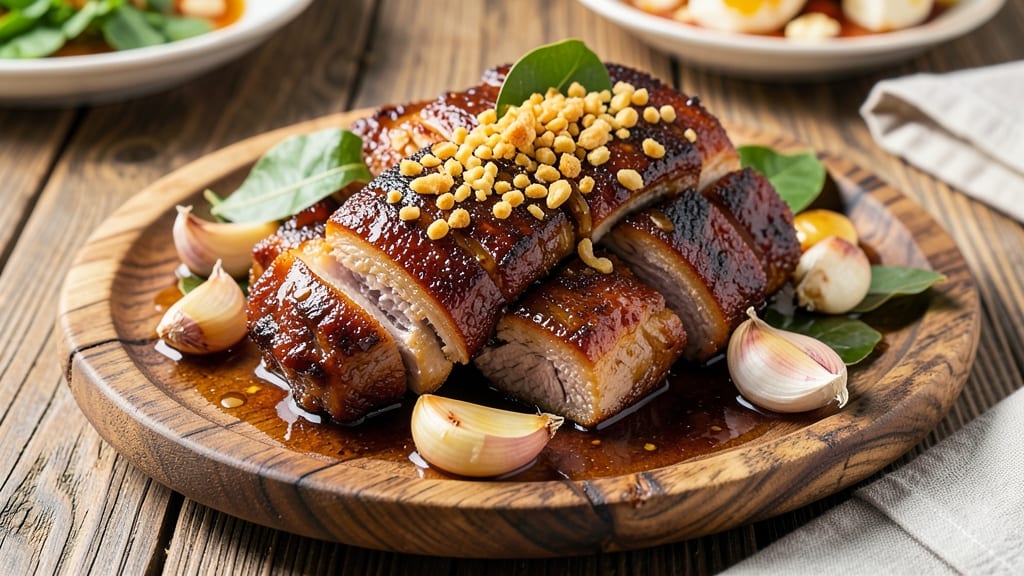
This Adobong Pork recipe Panlasang Pinoy delivers the iconic Filipino comfort dish you crave—tender, smoky pork glazed in a perfect balance of sweet soy, tangy vinegar, and just enough baking soda for that signature tender texture. 🌟 The secret lies in the slow braising process, where the pork absorbs deep, caramelized flavors that transform tough cuts into melt-in-your-mouth perfection.
I've perfected this version after years of testing, ensuring every bite carries that authentic adobo magic without the guesswork.
The beauty of this dish is its versatility—it works as a hearty main course for family gatherings or a satisfying solo meal. The marinade, a blend of soy sauce, vinegar, garlic, and bay leaves, tenderizes the pork while building layers of flavor.
What sets this apart is the baking soda trick, a Filipino technique that breaks down collagen for fork-tender results without overpowering the dish's natural balance. It's the kind of recipe that tastes even better the next day, making it ideal for meal prep.
By the time you're done, you'll have a pan of golden-brown pork swimming in a glossy, slightly sticky sauce that's both sweet and tangy. The aroma alone will have everyone gathering around the table, and the texture—crispy edges with tender, juicy meat—is pure comfort food at its finest.
Serve it with steamed rice to soak up every last drop of that flavorful sauce, or pair it with atchara for a bright, crunchy contrast.
This recipe is designed to be your go-to for Filipino flavors, whether you're celebrating a special occasion or simply craving a taste of home. The process is straightforward, but the results are restaurant-quality, proving that authentic adobong pork doesn't require shortcuts. Let's get cooking—your taste buds will thank you.
Ingredients for adobong pork recipe panlasang pinoy
Six ingredients transform tough pork into melt-in-your-mouth perfection with Filipino magic.
| Ingredient | Amount | Notes |
|---|---|---|
| Pork Shoulder 🐖 | 3 lb | Bone-in, cut into 2-inch chunks |
| Soy Sauce 🥄 | ½ cup | Regular or light soy sauce |
| White Vinegar 🍶 | ½ cup | White or cane vinegar |
| Garlic Cloves 🧄 | 8 cloves | Minced, not pre-minced |
| Fresh Ginger 🌿 | 2 tbsp | Finely grated, fresh preferred |
| Bay Leaves 🍃 | 2 whole | Dried, standard size |
| Baking Soda 🧪 | 1 tsp | Key for tender texture |
| Brown Sugar 🍚 | ¼ cup | Light or dark variety |
| Olive Oil 🫒 | 2 tbsp | For searing pork |
| Salt 🧂 | 1 ½ tsp | Kosher or sea salt |
| Black Pepper 🌶️ | ½ tsp | Freshly ground preferred |
| Water 💧 | 1 cup | For braising liquid |
| Green Onions 🧅 | 4 whole | Sliced for garnish |
The pork shoulder is non-negotiable here—it's the cut that delivers that signature tender texture. Look for bone-in pieces at your local butcher, or grab a pre-cut pork shoulder from Costco or Walmart—they're usually on sale and perfect for this recipe. If you can't find bone-in, bone-out works too, but the bones add amazing depth of flavor. The soy sauce should be regular or light soy sauce (not tamari), and La Choy or Silver Swan are solid brands. Fresh ginger is worth hunting down—it makes a world of difference over ground ginger, though ground works in a pinch.
No soy sauce? Coconut aminos or tamari work in a bind, though the flavor will be slightly different. Vinegar substitute? Apple cider vinegar or white wine vinegar both work well. Pre-minced garlic? Fresh is always better, but if you're short on time, just make sure to use the same amount. The baking soda is key—it's what gives adobo its signature tender texture, so don't skip it. If you're worried about the taste, trust me on this: it disappears during cooking. For the brown sugar, light or dark both work, but light sugar dissolves slightly easier.
This dish tastes even better the next day, so make extra—it's perfect for meal prep. Store leftovers in an airtight container in the fridge for up to 5 days, or freeze for 3 months. The sauce thickens as it cools, so you might want to add a splash of water when reheating. Serve it with steamed rice to soak up every last drop of that flavorful sauce, or pair it with atchara for a bright, crunchy contrast. The green onions add a nice fresh finish—just slice them thin and sprinkle on top before serving.
Why You'll Love This Recipe
- One-Pan Magic: I swear by this—just toss the pork shoulder, minced garlic, and ginger into a single pan, then let the soy and vinegar work their sauce. No extra bowls, no fuss, and still that deep, caramelized flavor.
- Garlic-Ginger Bomb: That first bite? The crispy pork with the kick of fresh ginger and the punch of garlic—it’s like a flavor hug. Honestly, the vinegar cuts through the richness just enough to keep it from feeling heavy.
- Leftovers That Beg: Between us, this dish improves the next day. The sauce thickens, the pork gets even more tender, and I’ve reheated it for breakfast tacos, rice bowls, or just straight from the pot. My freezer’s full of it.
- Pocketbook Hero: Pork shoulder is cheap, and a little goes a long way. I stretch this for four meals—two big dinners, a lunch, and a potluck side—without breaking the bank. Plus, the vinegar and soy are pantry staples I already own.
Step-by-step instructions for adobong pork Panlasang Pinoy
This Filipino classic delivers tender, smoky pork with a perfect balance of tangy and savory flavors.
🔥 Step 1: Sear the Pork Shoulder for Maximum Flavor
Heat a large Dutch oven over medium-high heat and add the 2 tablespoons olive oil. Once shimmering, add the 3 lb pork shoulder cut into 2-inch chunks, working in batches if needed to avoid crowding. Sear each piece for 3-4 minutes per side until deep golden brown—this creates the rich, caramelized foundation for your adobo.
Don't rush this step. You're building flavor here—the Maillard reaction happening on the surface will give your pork that authentic, smoky depth. Once all pieces are browned, transfer them to a plate and set aside. The pork should release easily when ready to flip.
🍳 Step 2: Build the Tangy-Savory Sauce Base
In the same Dutch oven, reduce heat to medium and add the 8 cloves minced garlic and 2 tablespoons finely grated fresh ginger. Sauté for 1 minute until fragrant—you should smell that aromatic punch of garlic and ginger filling your kitchen.
Add the 2 whole bay leaves, 1.5 teaspoons salt, and 0.5 teaspoon black pepper, stirring to combine. Pour in the 0.5 cup soy sauce and 0.5 cup white vinegar, scraping up any browned bits from the bottom. Let this mixture simmer for 3 minutes to meld the flavors before adding the pork back.
🥘 Step 3: Braise with the Special Tenderizing Trick
Return the seared pork to the Dutch oven. Sprinkle the 1 teaspoon baking soda and 0.25 cup brown sugar over the pork, then pour in the 1 cup water. The baking soda might seem unusual, but it's the secret to that signature tender texture—it helps break down the tough fibers in the pork.
Bring the mixture to a gentle boil, then reduce heat to low and cover. Simmer for 1 hour 30 minutes—this is where the magic happens. The pork should be fork-tender with the sauce reduced to a glossy, thick consistency. Stir occasionally, especially in the last 30 minutes, to prevent sticking.
⏰ Step 4: Reduce and Glaze for Perfect Texture
After the initial braising time, remove the lid and increase heat to medium-high. Let the sauce reduce uncovered for 10-15 minutes, stirring occasionally, until it coats the back of a spoon. This step creates that signature glossy glaze that makes adobo so irresistible.
Taste and adjust seasoning if needed—you might want to add a splash more soy sauce for saltiness or a bit of vinegar for tang. The sauce should be thick enough to cling to the pork but still have a slight sheen. If it's too thick, add 1-2 tablespoons water to loosen it.
🍽️ Step 5: Finish and Serve with Fresh Garnish
Once the sauce reaches your desired consistency, remove the 2 bay leaves and discard them. Return the pork to the Dutch oven and simmer for another 5 minutes to heat through completely. The pork should be fork-tender with a caramelized sheen.
Transfer the pork and sauce to a serving platter. Garnish with the 4 whole green onions, sliced diagonally. Serve immediately with steamed white rice—each bite should deliver tender, smoky pork with that perfect balance of tangy, savory sauce. The baking soda trick makes all the difference for that melt-in-your-mouth texture!
Pro Tips For Making Adobong Pork Recipe Panlasang Pinoy
- Sear the Pork First: Don’t skip browning the pork shoulder—this isn’t just for flavor, it’s for texture. A deep sear in a hot pan (or Dutch oven) locks in moisture and builds a crust that keeps the meat tender even after simmering in vinegar. I used to rush this, and the pork always turned out dry by the end.
- Peel and Mince the Ginger: Fresh ginger adds depth, but skipping the peel means missing out on its earthy punch. Use a spoon to scrape off the skin, then mince it finely—no need for a food processor unless you’re impatient. (Yes, even if you’re impatient like me.)
- Simmer Low and Slow: The vinegar will make you want to crank the heat, but resist. A gentle simmer (just bubbles, not a rolling boil) prevents the pork from falling apart and lets the flavors meld. After burning three batches, I finally figured out: low heat is the thing that matters most.
- Balance the Vinegar: Too much white vinegar makes the dish harsh; too little leaves it flat. Start with ½ cup, taste, then adjust—you can always add more later. My grandmother swore by this, and she was right: the acid should brighten, not overpower.
Common mistakes when making this recipe
Skipping the Baking Soda
This is the biggest mistake I see beginners make—they skip the 1 teaspoon baking soda because they're worried about taste. But here's the truth: that tiny amount disappears during cooking and is what creates the signature tender texture of authentic adobo.
Without it, your pork will be tough and chewy. I promise you won't taste it in the final dish, but you'll definitely taste the difference in texture. 💡
Overcrowding the Pan
When searing the pork, don't try to cook all the pieces at once. Crowding the pan steams the meat instead of browning it, which means you lose that crucial Maillard reaction that builds deep flavor.
Work in batches if needed—your Dutch oven can handle it. I usually sear about 8-10 pieces at a time, giving each piece room to develop that beautiful golden crust. 🍳
Using Too Much Vinegar
The vinegar is what gives adobo its tangy kick, but too much can make the dish overly sour. Stick to the ½ cup measurement and taste as you go. If it needs more acidity, add it gradually—1 tablespoon at a time.
Remember, you can always add more, but you can't take it out. I've ruined a few batches this way, so I now make small adjustments while cooking. 🍶
Not Searing the Pork Properly
Some cooks skip the searing step entirely, thinking it's optional. Big mistake! That initial sear creates the rich, caramelized foundation that carries through the entire dish. If you skip it, your adobo will taste flat and one-dimensional.
Take your time with this step—3-4 minutes per side until deep golden brown. The pork should release easily when ready to flip. 🔥
Underestimating the Braising Time
Rushing the 1 hour 30 minutes braising time is a common error. This is where the pork transforms from tough to tender. If you cut it short, you'll end up with chewy meat. The baking soda needs time to work its magic, and the flavors need time to meld.
Trust the process—I've seen people give up after just an hour, only to be disappointed with the texture. Patience is key here. ⏱️
Ignoring the Sauce Reduction
Some cooks stop cooking once the pork is tender, but the sauce needs that final reduction to create the signature glossy glaze. Those last 10-15 minutes of uncovered simmering concentrate the flavors and create that irresistible sheen.
If you skip this, your adobo will taste good but won't have that restaurant-quality finish. Don't be afraid to let it reduce—just stir occasionally to prevent burning. 🥘
Nutrition facts
Frequently asked questions
Why does this recipe use baking soda?
The 1 teaspoon baking soda is the secret to authentic Filipino adobo texture. It tenderizes the pork by breaking down collagen, creating that signature melt-in-your-mouth consistency without overpowering the dish. Just a tiny amount disappears during cooking—you won't taste it in the final result!
Can I substitute vinegar with something else?
Yes, but with flavor adjustments. For ½ cup white vinegar, use apple cider vinegar (same amount) or white wine vinegar. For a milder taste, try rice vinegar but reduce to ⅓ cup. Coconut vinegar works too but has a stronger aroma. Always taste as you go!
How do I make this dish spicier?
Add 1-2 teaspoons of ground black pepper or ½ teaspoon cayenne pepper to the sauce during braising. For heat with depth, include 1-2 slices of fresh chili (like siling labuyo) when searing the pork. Remove them before serving if you prefer milder heat but want the flavor.
What's the best way to reheat leftovers?
Reheat gently in a skillet with 1-2 tablespoons water over low heat for 5-7 minutes, stirring occasionally. Microwaving works too—cover with a damp paper towel and heat in 30-second bursts, stirring between each. The sauce will thicken when cold, so add water as needed to restore consistency.
Can I make this with chicken instead of pork?
Use 3 lb chicken thighs (bone-in, skin-on for best texture) and reduce braising time to 45 minutes. Skip the baking soda as chicken doesn't need it. The same marinade works perfectly, though chicken adobo typically has a lighter sauce. For extra flavor, add 1 tablespoon fish sauce to the marinade.