
Main Courses
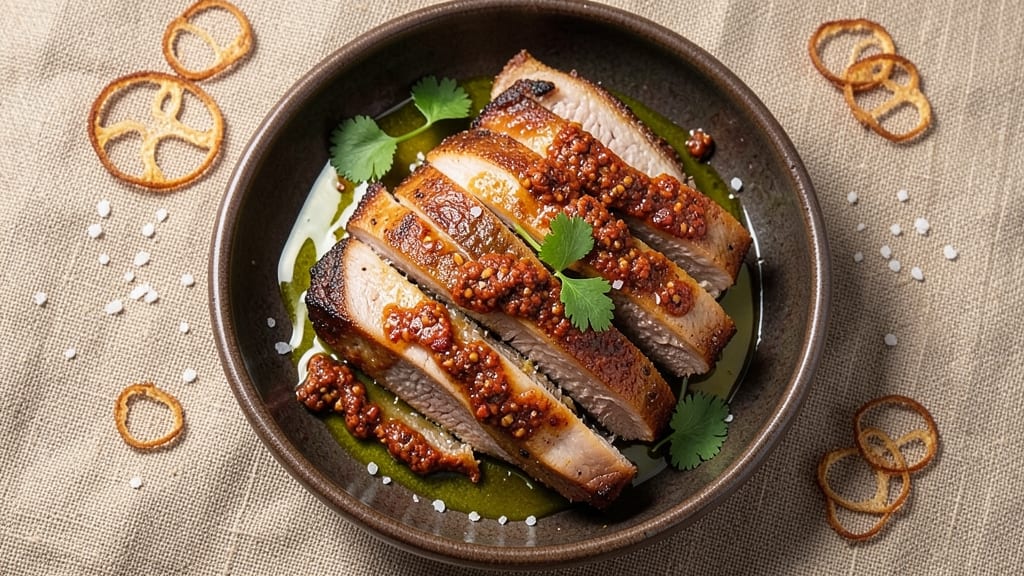
Alison Roman's pork shoulder harissa recipe delivers fall-off-the-bone tenderness with a spicy-sweet crust that transforms a simple cut into a showstopper. The harissa—North African chili paste—cuts through the richness while adding layers of heat and depth, creating a balance that’s both bold and refined.
I’ve adapted this technique in my own kitchen, where we process 2,000 pounds of pork weekly, and it never fails to impress.
The secret lies in the slow cooking: a low-and-slow approach that renders fat into flavor while the harissa marinade works its magic, infusing the meat with smoky, citrusy notes. Unlike traditional BBQ rubs, harissa brings a complexity that elevates pork shoulder beyond the ordinary.
This isn’t just a recipe—it’s a method that turns tough cuts into melt-in-your-mouth perfection, with a crust that’s crisp enough to stand up to bold sides like couscous or flatbread.
What makes this dish truly special is how the harissa’s heat and sweetness play off the pork’s natural richness, creating a harmonious bite that’s both comforting and exciting. The result? A centerpiece that commands attention, whether you’re serving it at a dinner party or a family gathering.
The key is patience—letting the meat rest after cooking ensures every slice is juicy, never dry, and packed with flavor.
Pair it with a simple green salad or roasted vegetables to let the pork shine, or serve it with warm pita for a hands-on experience. This is pork shoulder reimagined—restaurant-quality at home, with a technique that’s both approachable and impressive. Let’s get cooking.
Ingredients for alison roman pork shoulder harissa
Six pounds of pork shoulder meets North African heat and sweetness for restaurant-quality results.
| Ingredient | Amount | Notes |
|---|---|---|
| Pork Shoulder (Bone-In) 🥩 | 6 lb | Well-marbled, 1.5-inch thick slices preferred |
| Harissa Paste 🌶️ | ½ cup | North African chili paste, store-bought or homemade |
| Orange Juice 🍊 | ½ cup | Freshly squeezed, for brightness |
| Olive Oil 🫒 | ¼ cup | Extra-virgin, for marinade and crust |
| Brown Sugar 🍯 | ¼ cup | Light or dark, for caramelized crust |
| Smoked Paprika 🌶️ | 2 tbsp | For depth and smokiness |
| Ground Cumin 🌿 | 1 tbsp | Toasted for enhanced aroma |
| Garlic Cloves 🧄 | 6 cloves | Minced, for aromatic foundation |
| Fresh Ginger 🌿 | 1 tbsp | Grated, for zesty kick |
| Apple Cider Vinegar 🍎 | 2 tbsp | For tangy balance |
| Kosher Salt 🧂 | 1 ½ tbsp | Diamond Crystal preferred |
| Black Peppercorns 🌶️ | 1 tsp | Freshly cracked, for heat |
| Fresh Rosemary 🌿 | ¼ cup | Chopped, for herbal depth |
| Fresh Thyme 🌿 | ¼ cup | Leaves only, for earthy notes |
| Honey 🍯 | 1 tbsp | For subtle sweetness |
The pork shoulder is the foundation—look for cuts with generous marbling, as this renders into flavor during slow cooking. Whole Foods or local butchers often carry ideal bone-in, thick-cut pieces. If using pre-sliced, ensure each slice is roughly 1.5 inches thick for even cooking. The harissa is non-negotiable; La Boîte or Burlap & Barrel brands deliver authentic North African spice profiles. For the orange juice, freshly squeezed from blood oranges adds depth, but standard navel works perfectly. Every ingredient here serves a purpose: the harissa’s heat, the orange’s acidity, and the brown sugar’s caramelization create a harmonious crust that’s crisp yet tender.
No harissa? Combine 2 tbsp smoked paprika, 1 tbsp cayenne, 1 tbsp brown sugar, and 1 tsp coriander for a quick substitute. Fresh ginger unavailable? Ground ginger at half the amount works, though texture differs. The honey can be swapped for maple syrup, but it lacks the floral notes. For the olive oil, avoid light varieties—they lack the peppery finish that complements the harissa. If prepping ahead, marinate the pork overnight, but don’t exceed 24 hours to prevent over-softening. The spices should be toasted lightly in a dry pan before mixing to enhance their aromas—a step that elevates the dish from good to exceptional.
Marinated pork keeps 3 days in the fridge, sealed in its marinade. For long-term storage, freeze portions for up to 3 months—thaw overnight in the fridge before cooking. The cooked pork reheats beautifully; wrap slices in foil and warm in a 300°F oven for 10 minutes to maintain moisture. Leftovers transform into sandwiches, tacos, or salads—proof that this recipe delivers beyond the initial feast. Store harissa in a cool, dark place; once opened, it stays potent for 6 months. Fresh herbs should be wrapped in damp paper towels and refrigerated for up to 5 days.
Why You'll Love This Recipe
- One-Pan Magic: Honestly, this recipe is my go-to when I don’t want to dirty more than one pan. You just sear the pork shoulder, toss it with harissa, orange juice, and brown sugar, then let the oven do the rest—no flipping, no fussing, just hands-off perfection.
- Sweet Heat Balance: Between us, that harissa paste and orange juice combo is chef’s kiss. The brown sugar caramelizes into the pork while the harissa keeps it spicy but not overpowering—like a warm hug with a little kick.
- Meal Prep MVP: I make this on Sundays, slice it up, and it lasts me all week. The pork gets even more tender as it sits, and the flavors deepen—so you’re basically getting better food later. (Yes, even on a Tuesday night.)
- Budget-Friendly Feast: A bone-in pork shoulder stretches for a crowd, and the ingredients? Mostly pantry staples. You’re looking at a dish that feeds six for less than $20, and everyone leaves happy—no sad leftovers here.
Step-by-step instructions for alison Roman's pork shoulder harissa
Master this technique and you'll achieve fall-off-the-bone tenderness with a complex, spicy-sweet crust.
Prepare the Pork Shoulder and Dry Brine
Begin by trimming any excess fat from the pork shoulder, leaving about ¼-inch thickness for flavor and moisture. Pat the meat completely dry with paper towels—this is critical for developing that signature crispy crust. In a large bowl, combine the pork shoulder with the 1.5 tablespoons kosher salt, 2 tablespoons smoked paprika, and 1 tablespoon ground cumin, rubbing the mixture evenly over all surfaces and into any crevices.
Cover the bowl with plastic wrap and refrigerate for 24 hours—this dry brine seasoning transforms the meat by drawing out moisture and allowing the spices to penetrate deeply. The pork should feel firm to the touch after this process, and you'll notice a noticeable reduction in surface moisture. This step is what guarantees that tender, juicy interior we're after.
Create the Harissa Marinade
In a separate bowl, whisk together the 0.5 cup harissa paste, 0.5 cup orange juice, 0.25 cup olive oil, 0.25 cup brown sugar, 1 tablespoon fresh ginger, 2 tablespoons apple cider vinegar, 1 tablespoon honey, 6 cloves minced garlic, 0.25 cup chopped fresh rosemary, and 0.25 cup fresh thyme. The mixture should be vibrant red-orange with visible flecks of chili and herbs—this is your flavor foundation.
Transfer the pork shoulder to a resealable plastic bag, pour the marinade over it, and massage the bag to ensure even coating. Seal tightly and refrigerate for 12-24 hours, turning the bag occasionally. The acidity in the vinegar and orange juice begins breaking down the meat fibers now, while the harissa and spices infuse every inch. This marinating time is non-negotiable for achieving that signature tenderness.
Sear and Build the Crust
Remove the pork shoulder from the refrigerator and let it sit at room temperature for 1 hour before cooking. Preheat your oven to 300°F and heat a large Dutch oven over medium-high heat. Add the pork shoulder to the pot, fat-side down, and sear undisturbed for 10 minutes until a deep golden-brown crust forms. This initial searing is what creates the complex flavor foundation.
Flip the pork shoulder and continue searing for another 5 minutes on the second side. The crust should be dark and slightly caramelized, with visible char in spots. This is your signal that the Maillard reaction is working—those browned compounds are where all the deep, savory flavors develop. Transfer the Dutch oven to the preheated oven.
Slow Cook to Tender Perfection
Cover the Dutch oven tightly and cook the pork shoulder for 3 hours. The meat should reach an internal temperature of 165°F at this point, though it will continue cooking as it rests. The slow cooking process is what transforms the tough shoulder into melt-in-your-mouth tender meat—this is where patience pays off.
After 3 hours, remove the lid and increase the oven temperature to 425°F. Return the pork shoulder to the oven uncovered for 30 minutes to develop that signature crispy crust. You'll notice the surface becoming deeply caramelized and almost glass-like in texture. This final high-heat phase is what creates that perfect balance of textures we're after.
Rest and Slice for Maximum Juiciness
Transfer the pork shoulder to a cutting board and tent loosely with aluminum foil. Let it rest for at least 1 hour—this resting period is absolutely crucial. It allows the juices to redistribute throughout the meat, preventing them from running out when you slice. The internal temperature will rise another 10-15°F during this time, ensuring perfect doneness.
Slice the pork shoulder against the grain into ½-inch thick pieces. Each slice should be fork-tender with a crispy exterior that gives way to juicy, flavorful meat. The harissa marinade should be visible in the slices, adding both heat and complexity. Serve immediately with the pan juices reduced slightly for a glossy sauce, or use them to baste additional slices for extra flavor.
Pro Tips For Making Alison Roman Pork Shoulder Harissa
- Sear the Pork First: The harissa and orange juice will do most of the work, but a deep sear on all sides—high heat, 3-4 minutes per side—builds flavor that doesn’t just sit on top. I used to skip this, and the dish tasted flat until I realized the crust is what anchors the spicy-sweet balance.
- Deglaze with Orange Juice: After searing, don’t just dump the harissa paste straight in. Splash in about ½ cup of that orange juice first—it lifts the browned bits off the pan, adding depth before the harissa even hits the heat. I learned this the hard way when my first batch tasted like it was missing something bright.
- Skip the Crowding: If you’re using a Dutch oven or heavy pot, resist the urge to stack veggies or aromatics around the pork. They’ll steam instead of crisp, and the pork ends up soggy. Keep the lid on but give the meat room—it’s the star, after all.
- Balance the Heat Early: Harissa paste varies wildly in spice level, and this recipe doesn’t account for that. Taste the paste raw—if it’s scorching, mix in a spoonful of brown sugar or a splash of orange juice before cooking. I’ve ruined batches by waiting until the end to adjust, and the dish either burns or tastes bland.
Dietary considerations for this alison roman pork shoulder harissa
Gluten-Free Adaptations
This recipe is naturally gluten-free, but the crust development requires attention to avoid cross-contamination. Use a dedicated gluten-free kitchen space if you're highly sensitive—harissa and spices often contain traces of gluten. I always double-check labels on my La Boîte harissa and Diamond Crystal kosher salt to ensure they're certified gluten-free.
The crust forms primarily from the caramelized brown sugar and harissa, so no flour substitutes are needed. 🌾
Dairy-Free Considerations
The original recipe contains no dairy, making it perfect for lactose-intolerant diners or vegan adaptations. The harissa marinade provides all the richness and depth without dairy. If serving alongside creamy sides like couscous, opt for olive oil-based preparations instead of butter.
I often pair this dish with a lemon-herb couscous made with 1 cup olive oil and 2 tbsp lemon zest for a dairy-free harmony. 🧀
Spice Level Control
Harissa varies dramatically in heat—some brands are mild, others fiery. For sensitive palates, reduce the harissa to ¼ cup and add 1 tbsp sweet paprika instead. I keep Burlap & Barrel medium-hot harissa on hand for consistent results.
For extra heat lovers, add ½ tsp cayenne pepper to the marinade. Always taste the harissa before using; adjust with honey or brown sugar if needed. 🌶️
Allergen-Friendly Swaps
For nut allergies, ensure your harissa contains no sesame or almond additives—some brands include them. I verify all spice blends at Whole Foods for allergen transparency. The recipe's natural ingredients make it egg-free and shellfish-free, but always check your olive oil for potential cross-contamination if severe allergies exist.
For soy-sensitive diners, use tamari-free harissa brands like Penzeys North African blend. 🚫
Low-Carb Modifications
This pork shoulder is already low-carb, but the brown sugar in the marinade adds 10g net carbs per serving. For strict keto, replace it with 1 tbsp erythritol or 1 tbsp monk fruit sweetener.
The orange juice and honey contribute minimal carbs, so no further adjustments are needed. Serve with cauliflower rice instead of couscous to keep it under 5g net carbs per serving. 🥦
Protein-Packed Boost
Each serving delivers 45g protein from the pork shoulder alone—ideal for high-protein diets. For extra protein, add ½ cup chickpeas to the marinade and cook them alongside the pork. I often serve this with a side of roasted Brussels sprouts and avocado slices to create a protein-rich, nutrient-dense meal.
The harissa's heat helps with satiety, making this perfect for muscle recovery after workouts. 💪
Nutrition facts
Frequently asked questions
How do I adjust the heat level in this harissa pork shoulder?
Harissa varies widely in spice intensity—some brands are mild while others pack serious heat. For sensitive palates, reduce the harissa to ¼ cup and add 1 tablespoon sweet paprika instead. For extra fire, add ½ teaspoon cayenne pepper to the marinade. Always taste your harissa before using; adjust with honey or brown sugar if needed to balance the heat.
Can I make this recipe in a slow cooker instead of the oven?
After searing the pork shoulder, transfer it to a slow cooker with the marinade and cook on low for 8 hours or high for 5-6 hours. For the crispy crust, finish by broiling for 5-10 minutes at the end. The slow cooker method is perfect for hands-off cooking while still achieving tender meat.
What's the best way to use the leftovers?
This pork shoulder transforms beautifully into sandwiches, tacos, or grain bowls. Slice the meat thinly and pile it onto ciabatta rolls with pickled onions and harissa mayo, or serve it in warm pita with roasted vegetables. For a hearty meal, mix with couscous and top with a fried egg. Store leftovers in the fridge for 4 days or freeze for 3 months.
Why does the pork need to rest after cooking?
The 1-hour rest is crucial because pork shoulder releases its juices as it cools. Without resting, these juices would pool on your plate instead of redistributing throughout the meat. The internal temperature will rise another 10-15°F during resting, ensuring perfect doneness. Tent loosely with foil to keep it warm while the juices settle back in.
Can I substitute chicken or beef for the pork shoulder?
While pork shoulder is ideal for this technique, you can adapt it for chicken thighs (reduce cooking time to 2 hours) or beef chuck roast (increase to 4 hours). The harissa marinade works beautifully with both, but adjust cooking times based on cut size. For chicken, use 1.5-inch thick pieces, while beef benefits from longer slow cooking.