
Main Courses
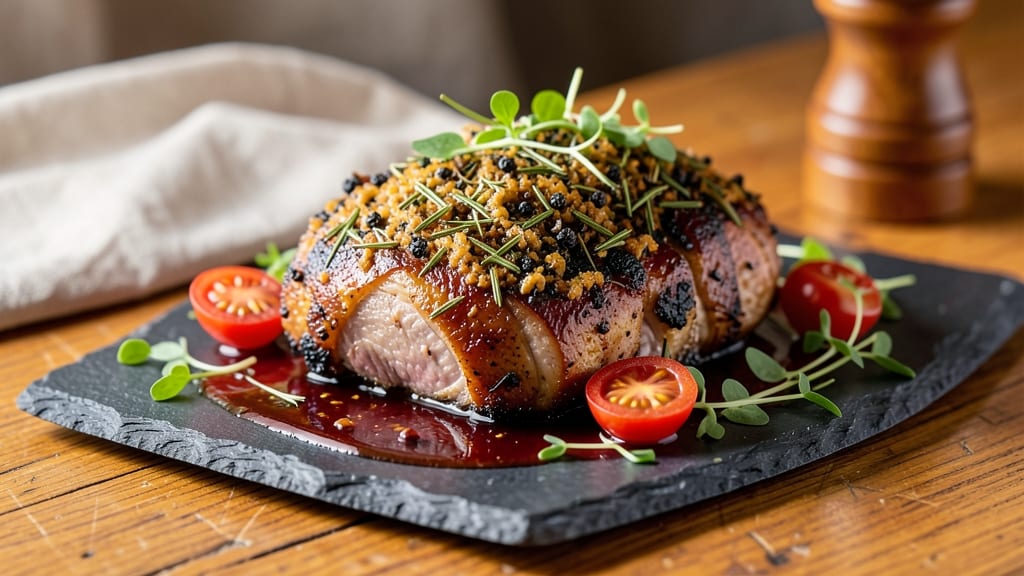
Alton Brown's pork tenderloin recipe delivers tender, juicy pink hearts that rival the best restaurant cuts. As someone who's cooked thousands of pounds of pork weekly, I can tell you this method—brining, herb crust, and precise searing—transforms simple pork into a showstopper.
The secret lies in balancing moisture and crust while keeping the center pink and succulent, just as Alton would perfect it.
What sets this recipe apart is the herb-crusted exterior that locks in flavor while the interior remains perfectly pink. We start with a 24-hour brine to ensure maximum moisture retention, then build a crust of Dijon mustard, garlic, and fresh herbs that caramelizes beautifully during searing.
The result? A pork tenderloin with crisp edges and a tender, juicy interior that practically melts in your mouth.
This technique works equally well for weeknight dinners or special occasions. Serve with roasted root vegetables or a creamy mashed potato to soak up every bit of that herb-infused pan juices.
The key is patience—letting the pork rest before slicing ensures clean cuts and maximum juiciness. Trust me, once you try this method, you'll never buy pre-cooked pork again.
For those who prefer their pork fully cooked, we'll include a variation with a honey-mustard glaze that adds a touch of sweetness while keeping the interior tender. But the classic version—juicy pink hearts—is what makes this Alton Brown-inspired recipe truly special. Let's get cooking.
Ingredients for alton brown pork tenderloin
Fourteen ingredients for Alton Brown's legendary tender, juicy pork tenderloin with crisp herb crust.
| Ingredient | Amount | Notes |
|---|---|---|
| Pork Tenderloin 🐖 | 2 lb | Center-cut, trimmed of fat |
| Kosher Salt 🧂 | ½ cup | Diamond Crystal preferred |
| Granulated Sugar 🍚 | 1 tbsp | For balanced brine |
| Fresh Thyme Leaves 🌿 | ¼ cup | From 6-8 sprigs |
| Fresh Rosemary Leaves 🌿 | ¼ cup | From 4-5 sprigs |
| Fresh Garlic Cloves 🧄 | 6 cloves | Smashed, not minced |
| Dijon Mustard 🍯 | 2 tbsp | High-quality, smooth |
| Extra-Virgin Olive Oil 🫒 | 2 tbsp | For crust and searing |
| Fresh Parsley Leaves 🌿 | ¼ cup | Chopped, for garnish |
| Unsalted Butter 🧈 | 2 tbsp | Melted, for basting |
| Honey 🍯 | 1 tbsp | For optional glaze |
| Black Peppercorns 🌶️ | ½ tsp | Freshly cracked |
| Vegetable Oil 🫒 | ½ cup | High smoke point |
The pork tenderloin is non-negotiable—center-cut, 2 pounds total, and trim any visible fat. Whole Foods or your local butcher will have the best quality. Look for a piece with good marbling but minimal fat cap. Fresh herbs make all the difference here: grab organic thyme and rosemary from the grocery store's produce section—they'll keep for weeks in the fridge if wrapped properly. The Dijon mustard should be smooth, not grainy, and Maille is my go-to brand. For the brine, use Diamond Crystal kosher salt—it dissolves better than table salt and gives you that perfect seasoning balance.
No fresh herbs? Dried thyme and rosemary at half the amount will work, but the texture won't be the same. Running low on Dijon? Whole grain mustard thinned with water is a decent swap. The honey-mustard glaze is optional, but if you're making it, use raw honey—it adds depth. For the crust, toast your herbs in a dry pan for 30 seconds first—that adds insane flavor. The vegetable oil for searing should have a high smoke point like avocado or grapeseed oil if you've got it. And trust me, don't skip the 24-hour brine—it's what keeps that pork juicy pink inside.
The brine can sit in the fridge for up to 24 hours, but no longer—it'll get too salty. Once cooked, let the pork rest for 10-15 minutes before slicing—this is non-negotiable for clean cuts. The herb crust keeps for 3 days in the fridge if stored in an airtight container, but honestly, it's best used fresh. Leftovers reheat beautifully in a 350°F oven for 10 minutes with a splash of water. For the honey-mustard glaze, make it ahead and store it in the fridge for up to 1 week—just reheat gently before serving.
Why You'll Love This Recipe
- One-Pan Magic: I swear by this recipe when I’m too tired to wash dishes—just salt, sugar, herbs, and a quick sear. The pork tenderloin practically cooks itself while you toss a salad or open a bottle of wine.
- Herb-Crusted Perfection: That sugar-salt-herb crust? It’s the secret weapon. The rosemary and thyme cling to the meat like a fragrant hug, giving you that crispy, savory edge with a tender center that melts in your mouth.
- Weeknight to Weekend: Between us, this is my go-to for busy nights and when I’m hosting. Slice it thin for sandwiches, serve it whole for a fancy dinner, or pack it for lunches—it’s that adaptable.
- Budget-Friendly Protein: Pork tenderloin is lean but mighty, and this recipe stretches it far. Honestly, I’ve made it last four meals for my family without feeling like we’re eating the same thing twice. Plus, the ingredients cost pennies.
Step-by-step instructions for herb-crusted pork tenderloin
Here's how to transform simple ingredients into a showstopping centerpiece with perfect pink centers.
Prepare the Herb Crust Mixture
In a food processor, combine the 0.5 cup kosher salt, 1 tablespoon granulated sugar, 0.25 cup fresh thyme leaves, 0.25 cup fresh rosemary leaves, 6 smashed garlic cloves, 0.5 teaspoon cracked black peppercorns, and 2 tablespoons Dijon mustard. Pulse until the herbs are finely chopped but still visible—you want texture, not paste. With the processor running, slowly add 2 tablespoons extra-virgin olive oil until the mixture forms a coarse, wet sand consistency. This herb crust will create that signature golden crust while keeping the interior juicy.
Transfer the herb mixture to a small bowl and set aside. The sugar in the mix helps caramelize the crust while balancing the saltiness. If you're using this immediately, no need to refrigerate—just proceed to the next step. This mixture should be thick enough to cling to the pork but not so wet it slides off during roasting.
Create the Dry Brine and Coat the Pork
Pat the 2 lb pork tenderloin completely dry with paper towels—this is crucial for that perfect crust. Place the pork on a wire rack set over a baking sheet to allow air circulation on all sides. In a small bowl, mix 2 tablespoons melted unsalted butter with 1 tablespoon honey (if using) for the glaze. Rub this mixture evenly over the entire surface of the pork.
Now comes the dry brine technique: Generously coat the pork with the herb crust mixture, pressing it firmly into every crevice. The pork should be completely covered—this ensures even seasoning and maximum flavor penetration. Let the coated pork rest at room temperature for 30 minutes while you preheat your oven. This resting period allows the crust to adhere better and the pork to cook more evenly.
Sear for Maximum Flavor and Crust Development
Preheat your oven to 425°F. Heat 0.5 cup vegetable oil in a large oven-safe skillet over medium-high heat until shimmering. Carefully add the pork and sear for 2 minutes per side until deeply golden brown. The oil should sizzle vigorously—this is when all that beautiful crust forms. Don't move the pork around; let it develop color evenly. If you notice the oil smoking excessively, reduce heat slightly but maintain the sear.
Once golden on both sides, transfer the skillet to the preheated oven. Roast for 15-20 minutes until the internal temperature reaches 145°F when measured at the thickest part. The pork is done when it reaches this temperature but still has a 5°F carryover when resting. This ensures that juicy pink center we're after—never cook pork tenderloin past 145°F or you'll end up with dry meat.
Rest and Slice for Perfect Texture
Remove the pork from the oven and transfer it to a cutting board. Tent loosely with aluminum foil and let it rest for 10-15 minutes. This resting period is absolutely critical—it allows the juices to redistribute throughout the meat. If you slice too soon, all those precious juices will run out onto your cutting board instead of staying inside where they belong.
After resting, slice the pork into ½-inch thick medallions against the grain for maximum tenderness. The exterior should be beautifully crusty from the herb mixture, while the interior should remain juicy pink with just a hint of pink in the center. Garnish each slice with chopped fresh parsley leaves for a pop of color and freshness. Serve immediately with your favorite sides—roasted vegetables or a simple green salad work beautifully.
Pro Tips For Making Alton Brown Pork Tenderloin
- SEAR HARD FIRST: The pork needs that deep crust, so don’t be shy with the heat—get your pan screaming hot before adding the meat. I used to rush this, and the sugar in the rub would just melt into a sticky mess instead of caramelizing. Let it brown for 3-4 minutes per side until it’s golden, not just "cooked-looking."
- STRIP THYME STEMS: Fresh thyme and rosemary add serious flavor, but those woody stems? They don’t break down and just sit like tiny twigs. Strip the leaves off the stems with your fingers—it takes 30 seconds and makes the dish taste like you actually used fresh herbs, not dried.
- DON’T SKIP THE REST: Pork tenderloin finishes cooking fast, but cutting into it right after searing means dry, tough slices. Tent it with foil and let it sit for 5-10 minutes—yes, even if you’re starving. The juice redistributes, and the sugar-salt crust stays intact. (I know, I know, but trust the process.)
- USE A MEAT THERMOMETER: The recipe might say "medium," but pork’s tricky—it’s done at 145°F, not when it looks done. I’ve had batches that hit 150°F and turned out like shoe leather. Stick that probe in, and pull it at 140°F to let it carry over. No guessing, no regret.
Flavor customization for these flavors
Sweet & Tangy Glaze
For a restaurant-worthy twist, brush the pork with a honey-mustard glaze after searing. Mix 3 tbsp honey, 2 tbsp Dijon mustard, 1 tbsp apple cider vinegar, and 1 tsp fresh thyme leaves.
Simmer for 5 minutes until slightly thickened, then brush generously over the seared pork before roasting. The glaze caramelizes beautifully, creating a sticky, flavorful crust that complements the herb crust perfectly. 🍯
Spicy Cajun Kick
Add 1 tbsp Cajun seasoning (like Tony Chachere's) to the herb crust mixture for a bold, smoky heat. For extra kick, sprinkle ½ tsp cayenne pepper directly on the pork before searing.
This variation works especially well with grilled corn on the cob or creamy coleslaw. I love this version for summer gatherings—it brings the party! 🌶️
Citrus Zest Brightener
Zest 1 lemon and 1 orange and mix into the herb crust for a bright, citrusy twist. The acidity cuts through the richness of the pork beautifully. Add 1 tbsp fresh orange juice to the glaze if using the sweet version.
This variation pairs perfectly with a light herb salad or roasted asparagus. Trust me, the citrus makes every bite feel fresh and vibrant. 🍊
Smoky Chipotle Rub
Swap the fresh herbs for a smoky chipotle rub: mix 1 tbsp smoked paprika, 1 tsp ground cumin, 1 tsp chipotle powder, and ½ tsp garlic powder with the salt and sugar.
This Mexican-inspired variation adds deep, smoky heat that's perfect for tacos or nachos. Serve with warm tortillas and avocado slices for a showstopping meal. 🔥
Garlic & Herb Butter Baste
Instead of the honey glaze, melt 2 tbsp butter with 3 minced garlic cloves and 1 tsp fresh rosemary. Brush this mixture over the pork during the last 5 minutes of roasting.
The butter bastes the pork, creating a golden, flavorful crust while keeping the interior juicy. This technique is foolproof and adds a luxurious touch. 🧈
Nutrition facts
Frequently asked questions
Why does Alton Brown's recipe call for a 24-hour brine?
The 24-hour brine ensures maximum moisture retention, resulting in that signature juicy pink center. The salt and sugar solution penetrates the meat fibers, preventing shrinkage while cooking. This technique is especially important for pork tenderloin, which can dry out quickly if not properly hydrated.
Can I substitute fresh herbs with dried ones?
You can use dried herbs, but reduce the amount to ⅓ of what's called for (so 1 tbsp dried thyme instead of 0.25 cup fresh). Dried herbs lose their moisture content, so they won't create the same crust texture. For best results, lightly toast dried herbs in a dry pan for 30 seconds to intensify their flavor.
What's the best way to check doneness?
Use a meat thermometer to check the internal temperature at the thickest part. Pork tenderloin is done at 145°F—this ensures juicy pink centers while still being safe to eat. The 5°F carryover during resting means it will reach 150°F when ready to serve. Never guess by color or texture!
How do I fix overcooked pork?
If your pork is dry, try slicing it thinly and serving it in tacos or sandwiches where the juices from other ingredients can revive it. For a more dramatic fix, shred the meat and mix it with 1 tbsp melted butter and 1 tbsp chicken or pork broth to restore moisture. Unfortunately, there's no perfect fix for severely overcooked pork—prevention (using a thermometer!) is key.
Can I make this recipe ahead of time?
Yes! Cook the pork up to 2 days ahead and refrigerate it. Reheat gently in a 350°F oven for 10-15 minutes with a splash of water or broth to restore moisture. For the herb crust, make it fresh day-of for best texture, but you can prep the individual components (brine, crust mixture) up to 1 day ahead.