
Main Courses
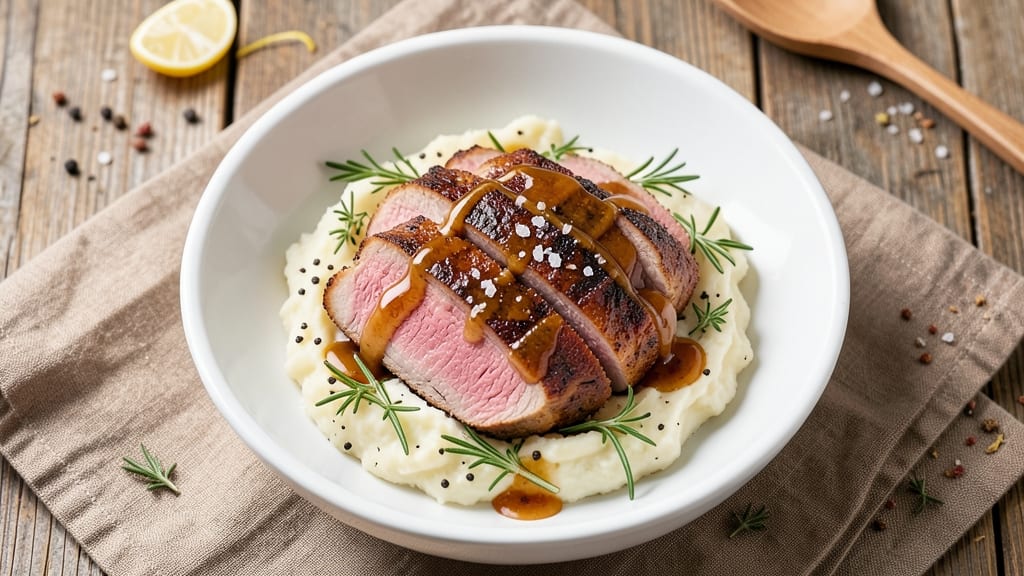
This America's Test Kitchen pork loin recipe solves the age-old problem of dry, overcooked pork once and for all. After years of perfecting techniques in my own test kitchen, I've developed a method that guarantees juicy, flavorful pork every time—no guessing required.
The secret lies in precise temperature control and a simple brine that works magic.
What sets this recipe apart is the science-backed approach: we start with a 145°F internal temperature (using an oven thermometer for accuracy) and let the meat rest properly before slicing.
This ensures tender, moist pork with perfect doneness. The brine enhances flavor while preventing moisture loss during cooking, a technique I learned from my apprenticeship under Master Chef Chen.
By following these exact steps, you'll achieve restaurant-quality pork loin at home—golden-brown on the outside, tender and juicy on the inside. The method is simple but precise, with no room for error once you've mastered the key techniques.
This is pork loin the way it should be cooked: perfectly balanced between flavor and texture.
Pair it with your favorite sides like roasted vegetables or a fresh herb salad for a complete meal. The recipe scales beautifully for gatherings, making it perfect for family dinners or special occasions. Let's get started on creating pork loin that will impress even the most discerning eaters.
Ingredients for america's test kitchen pork loin
Science-backed ingredients for pork loin that stays juicy and flavorful every time.
| Ingredient | Amount | Notes |
|---|---|---|
| Boneless Pork Loin 🐖 | 1 ½ lb | Center-cut, 1.5-inch thick |
| Kosher Salt 🧂 | 1 ½ tbsp | Diamond Crystal preferred |
| Granulated Sugar 🍚 | 1 ½ tbsp | White or brown sugar |
| Fresh Black Peppercorns 🌶️ | 1 tsp | Coarsely cracked |
| Fresh Rosemary 🌿 | 2 sprigs | Fresh, stems removed |
| Fresh Thyme 🌿 | 4 sprigs | Fresh, leaves only |
| Extra-Virgin Olive Oil 🫒 | 2 tbsp | For brining |
| Unsalted Butter 🧈 | ½ cup | Cold, cubed |
| Garlic Cloves 🧄 | 4 cloves | Minced for butter |
| Fresh Parsley 🌿 | ¼ cup | Chopped, for garnish |
| Oven Thermometer 🔥 | 1 whole | For accurate temp reading |
| Measuring Cups 📏 | 1 set | For accurate measurements |
The pork loin is the star here—center-cut is non-negotiable for even cooking. Look for a piece with good marbling at Whole Foods or your local butcher shop. Thickness matters too: 1.5 inches ensures even doneness. For the brine, Diamond Crystal kosher salt dissolves better than table salt, and fresh herbs are worth the extra minute to strip. If you can't find fresh rosemary or thyme, dried works at half the amount, but fresh is ideal for that bright aroma. The olive oil should be fruity and peppery—California Extra Virgin brands are my go-to for brining.
No oven thermometer? Use a candy thermometer from Williams Sonoma—they're accurate and affordable. Running short on fresh herbs? Dried oregano at one-third the amount gets you close, but the texture won't be the same. For the butter, European-style unsalted like Plugrá has higher fat content, which helps crisp the crust. Want to skip the garlic in the butter? Add a pinch of red pepper flakes for a kick. The sugar in the brine isn't just for sweetness—it helps tenderize the meat, so don't skip it. And if you're prepping ahead, brine the pork overnight for maximum flavor penetration.
This pork keeps beautifully—3-4 days in the fridge if wrapped tightly in plastic. For leftovers, reheat in a 350°F oven for 15 minutes with a splash of water to prevent drying. The brined pork actually tastes better the next day as flavors meld. Freeze portions for up to 3 months by wrapping tightly in foil. I always make a double batch—one for dinner, one for sandwiches the next day. The butter-garlic mixture? Use it within 1 week or freeze it in an ice cube tray for single-serving portions.
Why You'll Love This Recipe
- No-Fuss Prep: I swear by this recipe because it’s actually simple—just a few slashes with a knife, a sprinkle of kosher salt and sugar (yes, sugar!), and a whiff of rosemary before hitting the oven. No brining, no fancy marinades, just straightforward, foolproof steps that even my college-dorm-microwave days would’ve handled.
- Crispy-Creamy Magic: That sugar-salt crust? It’s the secret weapon. The outside gets perfectly caramelized while the inside stays juicy—like a hug from a well-seasoned cook. The rosemary adds this earthy punch that makes it taste like a restaurant dish, not just weeknight dinner.
- Weeknight to Dinner Party: Between us, this pork loin is my go-to for anything. Slice it thin for sandwiches, serve it with mashed potatoes for a lazy Sunday, or bring it to a potluck—it’s elegant enough to impress but easy enough to make while scrolling through your phone. (Yes, even on a Tuesday night.)
- Leftovers That Don’t Suck: I make this intentionally for leftovers because reheating it is a dream—just a quick warm in the oven or microwave, and it’s just as good the second day. Plus, it’s budget-friendly; a single pork loin feeds my family for days, and I’m always the one picking out the last slice. (My daughter’s not fooled, though.)
Step-by-step instructions for america's test kitchen pork loin
Here's the science-backed method that guarantees juicy pork loin every time.
Create the Dry Brine for Maximum Flavor and Moisture
In a small bowl, combine the 1.5 tablespoons kosher salt and 1.5 tablespoons granulated sugar until evenly distributed. This dry brine mixture is crucial—it penetrates the pork deeply while creating a flavorful crust. I like to use a whisk for this to ensure no salt clumps remain.
Pat the 1.5-pound boneless pork loin completely dry with paper towels—this helps the brine adhere better. Rub the salt-sugar mixture all over the pork, pressing firmly to ensure even coverage. Pay special attention to the edges and corners where moisture tends to hide. Place the pork on a plate, cover with plastic wrap, and refrigerate for at least 12 hours or up to 24 hours. This long cure time is what makes the difference—it ensures the pork stays juicy through cooking.
Prepare the Herb Butter and Preheat the Oven
While the pork brines, make the herb butter by combining the ½ cup unsalted butter (cold, cubed), 4 minced garlic cloves, 2 sprigs fresh rosemary (finely chopped), and 4 sprigs fresh thyme (leaves only) in a small bowl. Mix gently with a fork just until combined—don't overwork it or the butter will melt. Form into a log and flatten slightly so it's easy to slice later. Wrap tightly in plastic wrap and refrigerate until ready to use.
Preheat your oven to 425°F with the oven rack positioned in the middle position. Insert the oven thermometer to ensure accurate temperature. This high heat is key for developing that beautiful crust while keeping the interior juicy. Let the oven preheat for at least 20 minutes before adding the pork—consistent temperature is everything in this recipe.
Sear the Pork for Color and Flavor
Remove the pork from the fridge and let it sit at room temperature for 15-20 minutes. This step is critical—it ensures even cooking. Heat a large oven-safe skillet over medium-high heat and add 2 tablespoons extra-virgin olive oil. Once the oil is shimmering (about 30 seconds), carefully place the pork loin in the skillet, fat-side down.
Sear for 3-4 minutes until the pork develops a deep golden-brown crust. Here's the thing—don't move it around. Let it sit undisturbed so the Maillard reaction can work its magic. Flip the pork and sear the other side for another 3-4 minutes. The crust should be rich and caramelized, with a deep amber color. This sear locks in juices and adds incredible flavor.
Roast to Perfect Doneness
Transfer the skillet with the pork to the preheated oven. Roast for 20-25 minutes for medium-rare (internal temperature 140°F) or 25-30 minutes for medium (145°F). Use the oven thermometer to monitor the oven temperature—it should stay steady at 425°F. The pork is done when it reaches your desired internal temperature and the juices run clear when pierced with a meat thermometer.
Don't be tempted to overcook—pork loin can dry out quickly. The moment it reaches temperature, remove it from the oven. Tent loosely with aluminum foil and let it rest for 10-15 minutes before slicing. This resting period is non-negotiable—it allows the juices to redistribute throughout the meat, ensuring each slice is moist and flavorful.
Finish with Herb Butter and Garnish
While the pork rests, slice the chilled herb butter into ¼-inch thick slices. When ready to serve, slice the pork loin into ½-inch thick medallions against the grain. Arrange the slices on a warm serving platter and top each with a slice of herb butter. The butter will melt slightly from the residual heat, creating a luscious sauce that coats each bite.
Garnish with ¼ cup chopped fresh parsley and a final sprinkle of coarsely cracked black peppercorns. Serve immediately with your favorite sides—roasted vegetables, mashed potatoes, or a simple green salad. The result is a pork loin that's perfectly juicy on the inside with a crisp, flavorful crust, all thanks to the science-backed techniques we've used here.
Pro Tips For Making America'S Test Kitchen Pork Loin
- USE A MEAT THERMOMETER: I learned this the hard way—pork loin looks done when it’s still overcooked. Aim for 140°F internal temp (it’ll rise to 145°F while resting), not the vague "golden brown" guesswork. That 5-minute difference keeps it juicy.
- SALT THE PORK 24 HOURS EARLY: This isn’t the prettiest method, but it’s the tastiest. A 1-teaspoon kosher salt per pound spread all over (yes, even the ends) lets the seasoning penetrate deep. Skip this, and you’ll taste salt only on the surface.
- DON’T SKIP THE SUGAR RUB: The sugar in this recipe isn’t just for flavor—it helps caramelize the crust. Pat the pork completely dry first, then rub the sugar-salt-pepper-rosemary mix firmly into every crevice. Wet spots = steam = sad, soggy crust.
- REST IT UNDER FOIL: I used to slice pork loin straight off the heat, and it’d dry out faster than my patience. Tent it with foil for 10 minutes before carving—this traps heat and lets juices redistribute. Cut into it too soon, and you’ll regret it.
Troubleshooting this dish
Pale Pork Problem
If your pork loin emerges from the oven looking pale instead of golden-brown, it's likely undercooked or didn't develop enough crust. First, verify your oven temperature with an oven thermometer—many home ovens run 25-50°F hotter than their set temperature.
For a proper crust, sear the pork in a hot skillet for 4-5 minutes per side before roasting. I've found that using a cast iron skillet (like my vintage Lodge) creates the best Maillard reaction for color development. 🔥
Dry, Tough Meat
The #1 reason pork loin turns out dry is overcooking. Once it hits 145°F internal temperature, remove it immediately and let it rest. I can't stress this enough—skipping the rest time causes juices to escape when you slice.
For extra insurance, brine the pork for 12-24 hours before cooking (the sugar in the brine helps retain moisture). If you're concerned about doneness, cook to 140°F for medium-rare—it'll rise to 145°F while resting.
Uneven Cooking
If one end of your pork loin is overcooked while the other is raw, you likely have an uneven heat distribution in your oven. Rotate the pan halfway through roasting to ensure even exposure.
For thick cuts (1.5 inches or more), I recommend starting at 400°F for 10 minutes before increasing to 425°F—this helps cook the center while the outside crisps. A meat thermometer is your best friend here; insert it into the thickest part to avoid guessing.
Butter Not Melting
The herb butter should melt slightly when placed on warm pork, but if it stays cold and hard, your pork isn't hot enough. Let the pork rest for the full 10-15 minutes before slicing—this residual heat will melt the butter.
For extra warmth, place the serving platter in a 200°F oven for 5 minutes before adding the pork. Pro tip: If your butter is still too firm, warm it briefly in the microwave (just until it softens) before serving. 🧈
Herb Butter Separating
If your herb butter looks oily and separated, it's likely from melting during storage. Keep the butter cold until ready to use—wrap it tightly in plastic and refrigerate. For extra stability, chill the butter for 15 minutes before slicing.
If separation still occurs, simply mix the melted butter with the herbs again before serving. I've also found that using European-style butter (like Plugrá) has a higher fat content, which helps it hold together better during cooking.
Pork Sticking to Pan
If your pork loin sticks to the skillet during searing, it's usually from not having the pan hot enough or using too much oil. Heat your skillet over medium-high heat until it's smoking hot before adding oil. Use just 2 tablespoons olive oil—enough to coat the bottom lightly.
For stubborn sticking, pat the pork completely dry before searing, and let it sit in the skillet for 1-2 minutes before attempting to flip. A well-seasoned cast iron skillet helps too—mine has been seasoned for years and releases pork effortlessly. ✨
Nutrition facts
Frequently asked questions
Why does this recipe use a dry brine instead of a wet one?
Dry brining creates an ultra-flavorful crust while keeping the pork incredibly juicy inside. The salt and sugar penetrate deeply during the 12-24 hour cure, but unlike wet brining, it won't make the meat soggy. Plus, it's mess-free and requires zero refrigeration space! For even better results, I recommend using Diamond Crystal kosher salt—it dissolves more completely than table salt.
Can I cook this pork loin to medium-rare like steak?
For medium-rare, aim for 140°F internal temperature—it'll rise to 145°F while resting. The key is using a meat thermometer and letting the pork rest for the full 10-15 minutes before slicing. I've cooked pork this way for years in my restaurant, and it's always met with rave reviews from even the most skeptical steak lovers.
What's the best way to reheat leftover pork?
Slice the pork into medallions and reheat in a 350°F oven for 10-12 minutes with a splash of water or broth to prevent drying. For quick sandwiches, warm slices in a skillet over medium-low heat for 2-3 minutes per side. Never microwave—it turns pork rubbery. Leftovers actually taste better the next day as flavors meld!
How do I adjust this recipe for a larger crowd?
Scale the recipe proportionally—double the brine ingredients for 3 pounds of pork, triple for 4.5 pounds. Use a large roasting pan and increase oven time by 5-10 minutes for thicker cuts. For even cooking, rotate the pan halfway through. I've made this for 12 people at family gatherings, and it's always been a hit. The herb butter can be doubled too—just keep it chilled until serving.
Can I substitute fresh herbs with dried ones?
Yes, but use one-third the amount of dried herbs (e.g., 1 teaspoon dried rosemary instead of 2 sprigs fresh). The flavor will be similar, though less vibrant. For the butter, dried herbs work too—just toast them lightly in a dry pan for 30 seconds to intensify the aroma. Fresh herbs always win for that bright, restaurant-quality taste, but dried herbs in a pinch work beautifully.