
Main Courses
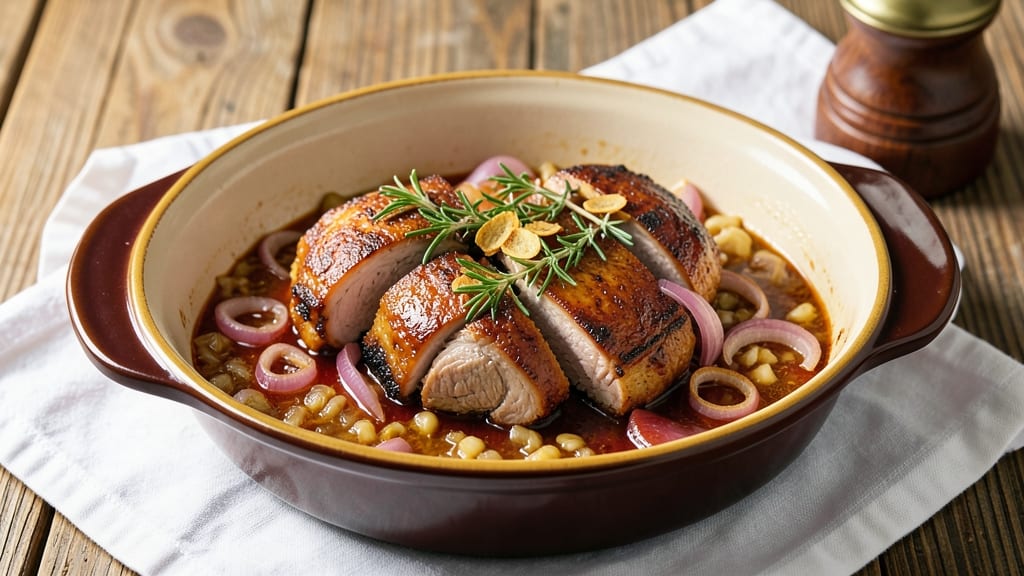
Apple cider braised pork transforms tough pork shoulder into melt-in-your-mouth perfection with a caramelized glaze that tastes like autumn. This recipe delivers restaurant-quality depth using just a Dutch oven, cider, and simple spices—no fancy techniques required. I developed it after years of perfecting braised pork for my restaurant, where it became a fall favorite that sold out within hours.
The secret lies in the glaze: simmering apple cider with brown sugar and warm spices until it reduces to a thick, sticky coating that clings to every bite. We start by searing the pork to develop flavor, then braise it low and slow until tender enough to pull apart.
The result? Juicy, flavorful meat with a glossy, caramelized surface that makes every forkful irresistible.
This dish pairs beautifully with classic sides like creamy mashed potatoes or crusty bread to soak up the rich glaze. The aroma alone will have your kitchen smelling like a harvest festival, while the texture delivers that perfect contrast between tender meat and crispy edges.
Perfect for family dinners or holiday gatherings, this recipe is designed to impress without requiring hours of prep.
For those short on time, an Instant Pot version cuts cooking time by half while maintaining the same deep flavors. The technique remains the same—sear first, then pressure cook—but you'll still end up with pork that falls apart at the touch.
Whether you braise traditionally or use modern shortcuts, this dish delivers comfort food at its finest.
Ingredients for apple cider braised pork
Pantry staples plus a few fall favorites—this pork shoulder becomes melt-in-your-mouth magic.
| Ingredient | Amount | Notes |
|---|---|---|
| Pork Shoulder (Bone-In) 🍖 | 3 lb | Cut into 2-inch chunks, skin removed |
| Apple Cider 🍎 | 2 cups | Unfiltered, preferably spiced |
| Brown Sugar 🍚 | ½ cup | Packed, light or dark |
| Onion 🧅 | 1 whole | Yellow or red, sliced |
| Garlic Cloves 🧄 | 4 cloves | Smashed, not minced |
| Fresh Thyme 🌿 | 2 sprigs | Or 1 tsp dried thyme |
| Fresh Rosemary 🌿 | 1 sprig | For aroma, remove before serving |
| Ground Black Pepper 🌶️ | 1 tsp | Freshly cracked preferred |
| Salt 🧂 | 1 ½ tsp | Kosher or sea salt |
| Olive Oil 🫒 | 2 tbsp | For searing |
| Apple Cider Vinegar 🍶 | 1 tbsp | For depth of flavor |
| Honey 🍯 | 1 tbsp | For glaze balance |
| All-Purpose Flour 🌾 | 1 tbsp | For thickening glaze |
The pork shoulder is the star here, and bone-in, skin-on cuts yield the most flavor—look for well-marbled pieces at Whole Foods or your local butcher. If you're short on time, Costco's pre-cut pork shoulder works perfectly. For the apple cider, unfiltered, spiced varieties like those from Woodchuck or Angry Orchard add depth, but any good-quality cider will do. The brown sugar should be packed—light or dark, but don't substitute white sugar unless you want a less caramelized glaze. Fresh thyme and rosemary make all the difference; dried works in a pinch but lacks that bright aroma.
No apple cider? Substitute with a mix of apple juice and a splash of vinegar—it won't be identical, but it'll still taste amazing. Running low on brown sugar? White sugar plus a pinch of cinnamon mimics the flavor profile. For the vinegar, balsamic or red wine vinegar can step in, though apple cider vinegar is ideal. If you're avoiding honey, maple syrup works beautifully in the glaze. The flour is just for thickening—if you're gluten-free, cornstarch does the job just as well. And trust me, don't skip the sear—it builds flavor that carries through the braise.
This dish tastes even better the next day—make extra and freeze portions for up to 3 months. Store the pork and glaze together in an airtight container, or freeze the glaze separately to reheat as needed. For serving, reheat gently on the stove with a splash of water or broth to restore moisture. The glaze thickens as it cools, so a quick stir with a splash of water or cider brings it back to perfection. Leftovers reheat beautifully, making this a perfect make-ahead dish for gatherings.
Why You'll Love This Recipe
- One-Pot Magic: I swear by this—just dump everything in a Dutch oven and walk away. The pork shoulder stays juicy while the cider and sugar caramelize into a glossy sauce with almost no effort.
- Sweet-Savory Symphony: That balance of tangy apple cider and rich brown sugar? It’s like fall in a bite—deep, caramelized edges on the pork with a silky center, all thanks to the garlic and onions mellowing into the sauce.
- Leftovers That Shine: Between us, this dish begs for seconds, and the flavor actually gets better the next day. I freeze portions for lazy Mondays or toss cold slices into salads—no one suspects how easy it was to make.
- Budget Crowd-Pleaser: A bone-in pork shoulder stretches for a week of meals, and apple cider is cheaper than you think. Honestly, it’s my go-to for potlucks or feeding the soccer team after practice—everyone clears their plate.
Step-by-step instructions for apple cider braised pork
This method transforms tough pork shoulder into melt-in-your-mouth perfection with a rich, caramelized glaze.
Sear the Pork Shoulder for Deep Flavor
Heat a large Dutch oven over medium-high heat until hot. Add the 2 tablespoons olive oil and swirl to coat the bottom. Working in batches if needed, add the 3 lb pork shoulder cut into 2-inch chunks and sear for 3-4 minutes per side until deep golden brown and crispy in spots.
Don't rush this step—the Maillard reaction happening here builds incredible depth of flavor. I press down gently on the pork pieces during the first minute to prevent them from curling and ensure even contact with the pan. Once all pieces are browned, transfer them to a plate and set aside.
Build the Flavor Base with Onions and Aromatics
In the same Dutch oven, add the 1 whole sliced onion and cook for 5-6 minutes until softened and beginning to caramelize at the edges. Add the 4 smashed garlic cloves, 2 sprigs fresh thyme, and 1 sprig fresh rosemary, stirring for 30 seconds until fragrant.
Here's where it gets good—sprinkle in the 1.5 teaspoons salt and 1 teaspoon ground black pepper. The onions should be tender but still holding their shape, with just a hint of color at the edges. This aromatic base forms the flavor foundation for your braise, so take your time and let those flavors develop properly.
Deglaze and Create the Braising Liquid
Pour in the 2 cups apple cider and scrape up all those delicious browned bits from the bottom of the pot with a wooden spoon. This deglazing step captures all that concentrated flavor. Bring the mixture to a gentle simmer over medium heat, then add the 0.5 cup packed brown sugar, 1 tablespoon apple cider vinegar, and 1 tablespoon honey.
Let it simmer for 5 minutes until slightly reduced and the sugar begins to dissolve. This is where the magic happens—the combination of apple cider, vinegar, and honey creates a complex flavor profile that will caramelize beautifully during the braising process. The liquid should be fragrant with warm apple and spice notes.
Braise Until Fork-Tender
Return the pork shoulder to the Dutch oven, along with any accumulated juices. The liquid should come about halfway up the pork chunks. Cover tightly with a lid and transfer to a 325°F oven. Braise for 2.5-3 hours until the pork is fork-tender and easily pulls apart.
I check for doneness by inserting a fork into the thickest piece—it should slide in easily with just a little resistance. The pork will continue cooking slightly as it rests, so it's better to pull it out when it's just barely done. If the liquid reduces too much during cooking, you can add a splash of water or apple cider to maintain the proper braising level.
Thicken the Glaze and Finish
Once the pork is tender, remove it from the pot and set it aside. Increase the heat to medium-high and stir in the 1 tablespoon all-purpose flour to thicken the braising liquid. Cook for 2-3 minutes until the sauce has thickened slightly and coats the back of a spoon.
Return the pork to the pot and spoon the thickened glaze over the top. Let it heat through for 2 minutes to meld all the flavors together. The result should be a rich, caramelized sauce that clings beautifully to the pork. Serve immediately with the sauce spooned over the top, and don't forget to remove the rosemary sprig before serving.
Pro Tips For Making Apple Cider Braised Pork
- SEAR THE PORK FIRST: Don’t skip the brown crust—it’s what carries the apple cider’s flavor. Use a heavy pot (Dutch oven if you have one) and let the pork shoulder sit undisturbed for 3-4 minutes per side until deep golden. I used to rush this, and the braise always tasted flat afterward.
- SIMMER LOW AND SLOW: After browning, cover the pot and cook at 300°F (150°C) for 2.5–3 hours, not boiling. Too much heat turns the cider to vinegar and toughens the pork. I learned this the hard way—my first attempt was a sad, rubbery mess.
- STRAIN THE CIDER: After deglazing with apple cider, strain it through a fine-mesh sieve to remove sediment and onion bits. Clear liquid = cleaner flavor. I was lazy once and left it unstrained; the texture was off-putting, like drinking a smoothie through a straw.
- USE A SPLASH OF WATER: If the braising liquid looks too thick mid-cook, add ¼ cup water to keep the pork moist. The cider reduces fast, and dry meat is a dealbreaker. My grandmother swore by this—sounds weird, but it works.
Flavor customization for this apple cider braised pork
Sweet & Spicy Twist
For a bold flavor profile, add 1 tablespoon smoked paprika and ½ teaspoon cayenne pepper to the braising liquid. The smokiness enhances the apple cider's warmth, while cayenne adds just enough heat to keep things interesting.
I like to balance it with 1 extra tablespoon of honey to soften the spice—trust me, your taste buds will thank you. 🌶️
Herb-Infused Variations
Swap the thyme and rosemary for 1 sprig fresh sage and 1 sprig fresh oregano for a more Mediterranean-inspired dish. These herbs pair beautifully with apple cider and add an earthy depth that complements the pork's richness.
For a Southern twist, add ½ teaspoon ground cloves to the braising liquid—it sounds unusual, but it works like magic. 🌿
Caramelized Onion Boost
Take your glaze to the next level by caramelizing 2 extra cups of sliced onions until deep golden brown before adding them to the braising liquid. This adds a sweet, jammy texture that intensifies the apple cider's flavor.
I often do this in a separate pan while the pork braises—it’s worth the extra effort for that restaurant-quality depth. 🧅
Spiced Rum Glaze
For a boozy twist, replace ½ cup of the apple cider with ½ cup spiced rum (like Captain Morgan or Kraken). The alcohol burns off during cooking, leaving behind warm, aromatic notes that elevate the dish.
Add it with the brown sugar and vinegar—just be sure to use a good-quality rum for the best flavor. 🍹
Creamy Finish Option
If you love cream-based sauces, stir in ¼ cup heavy cream during the final thickening step. The cream softens the caramelized edges while adding a velvety texture that pairs perfectly with the tender pork.
I recommend warming the cream separately first to prevent curdling. This version feels extra indulgent and works beautifully with mashed potatoes. 🥄
Apple Cider Reduction
For a more concentrated glaze, reduce 1 extra cup of apple cider separately until it’s syrupy and thick enough to coat the back of a spoon. Then, whisk it into the finished braising liquid.
This step adds a glossy sheen and intensifies the apple flavor—perfect for those who love their glaze to shine. 🍎
Nutrition facts
Frequently asked questions
Can I use pork tenderloin instead of pork shoulder?
Pork tenderloin is too lean and will dry out during braising. Stick with pork shoulder (or pork butt) for the best results—the fat keeps the meat juicy while it becomes fork-tender. If you're set on a quicker cook, try pork loin roast cut into chunks, but reduce braising time to 1.5-2 hours.
How do I prevent the glaze from being too sweet?
Balance the sweetness by adding 1 extra tablespoon of apple cider vinegar or ½ teaspoon cinnamon to the braising liquid. The acidity cuts through the sugar while enhancing the apple flavor. For a savory twist, add 1 teaspoon Dijon mustard during the final thickening step—it adds depth without extra sweetness.
Can I make this in an Instant Pot?
Sear the pork as directed, then add all ingredients except flour. Cook on high pressure for 60 minutes, then quick-release. Finish by thickening the sauce with flour and a splash of apple cider. The Instant Pot version cuts cooking time by half but delivers the same tender, flavorful result.
What's the best way to reheat leftovers?
Reheat gently in a skillet with 1 tablespoon apple cider or water to restore moisture. Cover and cook on low heat for 5-7 minutes, stirring occasionally. Never microwave—it makes the pork dry. For extra shine, brush with a little reduced apple cider before serving.
Why did my pork turn out dry?
Overcooking or insufficient liquid are the usual culprits. Ensure the liquid covers at least half the pork, and use a meat thermometer—it should read 195°F-203°F in the thickest part. If using a Dutch oven, cover tightly with foil to trap steam. For Instant Pot versions, never exceed 60 minutes on high pressure.