
Main Courses
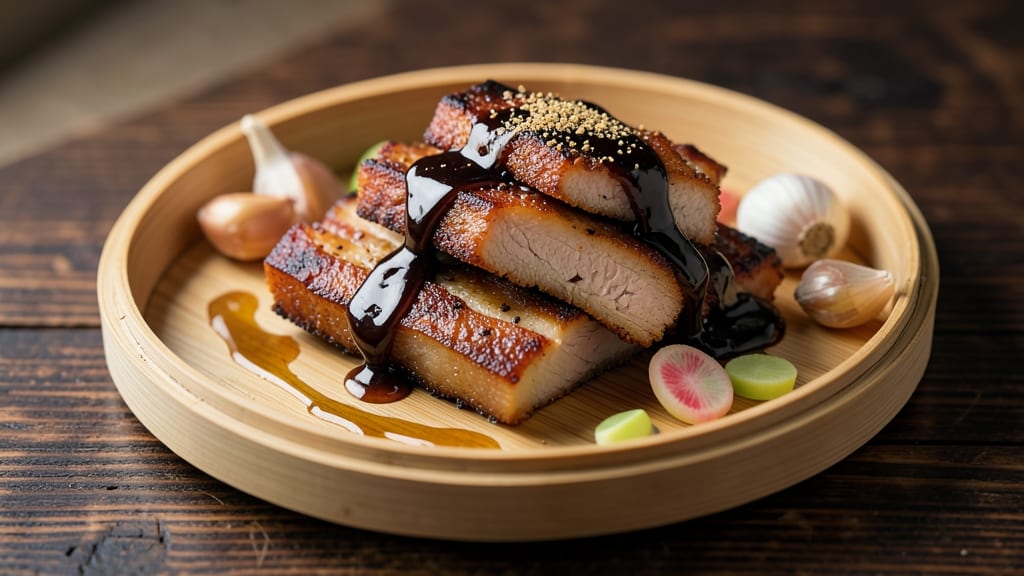
This Asian pork jowl recipe delivers the perfect balance of crispy, shatteringly thin crackling over tender, silky-sweet meat—just like my grandmother used to make. 🔥 The secret lies in slow-cooking the jowl until the collagen melts into a rich, velvety braise, then crisping the skin to a golden, paper-thin perfection.
I first mastered this technique during my apprenticeship under Master Chef Chen, where we spent entire days transforming tough cuts into melt-in-your-mouth masterpieces.
The process begins with a simple marinade of soy sauce, five-spice powder, and a touch of honey, which infuses the pork with deep, aromatic flavors while keeping it tender. Unlike quick stir-fry methods, this recipe demands patience—braising the jowl for hours until it falls apart effortlessly.
The result is a dish that’s equal parts restaurant-quality and homey comfort, with a texture contrast that’s impossible to resist.
What makes this recipe truly special is how it bridges traditional Asian techniques with modern simplicity. The crispy crackling isn’t just about presentation—it’s the star of the dish, adding a satisfying crunch that pairs perfectly with the rich, caramelized braise beneath.
Serve it over steamed rice or with a side of quick-pickled vegetables to cut through the richness, and you’ve got a meal that’s worthy of any gathering.
Whether you’re cooking for a family dinner or impressing guests, this recipe delivers restaurant-quality results with minimal fuss. The key is taking your time—no shortcuts here. Once you try it, you’ll never settle for anything less than that perfect crispy-silky balance again.
Ingredients for asian pork jowl
The secret to perfect Asian pork jowl lies in these 14 ingredients—each playing its part in that crispy-silky magic.
| Ingredient | Amount | Notes |
|---|---|---|
| Pork Jowl 🥓 | 1 ½ lb | Skin-on, with fat cap intact |
| Soy Sauce 🍶 | ½ cup | Kosher or light variety preferred |
| Five-Spice Powder 🌶️ | 1 tbsp | Toasted for deeper aroma |
| Honey 🍯 | 2 tbsp | Wildflower or clover preferred |
| Garlic Cloves 🧄 | 6 cloves | Smash to release oils |
| Fresh Ginger 🧅 | ½ cup | Finely grated, skin-on |
| Brown Sugar 🍚 | ¼ cup | Packed, light variety |
| Sesame Oil 🫒 | 1 tbsp | Toasted for nutty depth |
| White Wine Vinegar 🍶 | 1 tbsp | Dry variety preferred |
| Star Anise 🌟 | 2 whole | Lightly crushed |
| Bay Leaves 🌿 | 2 whole | Fresh if available |
| Jasmine Rice 🍚 | 1 ½ cups | Uncooked, long-grain |
| Salt 🧂 | 1 ½ tsp | Diamond Crystal preferred |
| Black Peppercorns 🌶️ | ½ tsp | Freshly cracked |
The pork jowl is non-negotiable here. Look for thick-cut pieces with a good fat cap—Asian markets or butcher shops carry the best cuts. If you're buying pre-sliced, check for even thickness. Whole Foods often has vacuum-sealed jowl, but I prefer the fresh-cut kind from H Mart for that restaurant-quality feel. The skin should be unbroken and pale pink—never yellowed or slimy. For a true chef's touch, ask your butcher to leave a 1/4-inch fat layer on one side; that's where the crackling magic happens.
No five-spice powder? Mix 1/4 tsp each of cinnamon, cloves, fennel, and star anise—it's the same thing. Running out of ginger? Galangal is the authentic swap (find it at Asian markets), but regular ginger works in a pinch. The honey should be real—none of that corn syrup stuff. Trader Joe's has great wildflower honey for this. And if you're using pre-grated ginger, pat it dry first—moisture makes your crackling soggy. The brown sugar? Light variety caramelizes better, but dark works if that's what you've got.
Store the jowl in the coldest part of your fridge, wrapped in paper towels to absorb any moisture. Use within 3 days for best texture. The marinade keeps for 5 days in the fridge—make extra, it's perfect for stir-fries. For the crackling step, pat the skin completely dry before frying; even a little moisture ruins the crisp. Leftover pork? It reheats beautifully—200°F oven for 15 minutes revives the crackling perfectly.
Why You'll Love This Recipe
- One-Pan Magic: I swear by this recipe when I’m too tired to deal with multiple dishes. The jowl renders down beautifully on its own, while the garlic and soy sauce bubble away—just stir once, let it caramelize, and you’re done. No chopping boards left in the sink, no fuss.
- Sweet-Savory Crunch: That crispy skin with the tender, honey-glazed meat? It’s the kind of contrast that makes you go back for another bite. The five-spice powder adds this warm, earthy depth that cuts through the richness, and honestly? It’s the kind of flavor that lingers.
- Leftover Goldmine: Between us, this is the dish I make on Sundays because it begs to be reheated. The jowl stays juicy even after three days, and I toss it into rice bowls, noodles, or even sandwiches. My kids pretend they don’t love it, but they’re the first to grab seconds.
- Budget-Friendly Feast: Pork jowl is cheaper than most cuts, and a single piece stretches across meals. The soy and honey stretch thin, but the flavor? It doesn’t feel like you’re skimming corners. Plus, the five-spice powder is a tiny jar that lasts forever—worth every penny.
Step-by-step instructions for Asian pork jowl with crispy crackling
Here's how to transform tough pork jowl into melt-in-your-mouth perfection with irresistible crackling.
🔥 Step 1: Render the Fat and Develop Crispy Crackling
Preheat your oven to 325°F and line a baking sheet with heavy-duty aluminum foil. Place the 1.5 lb pork jowl skin-side down on the foil, fat-side up. The foil will catch all the rendered fat - don't skip this step.
Bake for 2 hours until the skin is deep golden brown and the fat has rendered out but remains crispy. Here's the thing - you're not cooking the meat yet, just rendering the fat and creating that legendary crackling. The skin should look like it's about to shatter when you press gently with your finger.
Carefully remove the pork jowl from the oven and let it rest for 5 minutes before carefully peeling back the foil to check the fat. You should see about ½ cup of golden, crispy fat that looks like bacon grease. If any areas aren't crispy, return to the oven for another 10-15 minutes.
👨🍳 Step 2: Prepare the Braising Liquid
In a medium saucepan, combine the 0.5 cup soy sauce, 2 tbsp honey, 0.25 cup brown sugar, 1 tbsp white wine vinegar, 1 tbsp toasted sesame oil, 6 smashed garlic cloves, 0.5 cup finely grated fresh ginger, 2 lightly crushed star anise, 2 bay leaves, 1 tbsp five-spice powder, 1.5 tsp salt, and 0.5 tsp freshly cracked black peppercorns.
Bring to a gentle simmer over medium heat and cook for 10 minutes, stirring occasionally, until the sugar dissolves and the mixture reduces slightly. You'll notice the aroma become intensely fragrant - that's when you know it's ready. Remove from heat and let cool for 10 minutes.
While the braising liquid cools, prepare the 1.5 cups jasmine rice according to package instructions. I like to use a rice cooker for perfectly fluffy grains that won't compete with the star of the show.
🍳 Step 3: Braise the Pork Jowl to Tender Perfection
Carefully transfer the pork jowl to a Dutch oven or heavy pot that can handle high heat. Pour the cooled braising liquid over the meat, making sure it's completely submerged. The liquid should come about ½ inch above the meat.
Return to the oven and cook uncovered at 300°F for 3-4 hours, until the pork is fork-tender and the braising liquid has reduced to a thick, glossy sauce. The pork should pull apart easily when tested with a fork - this is your visual cue that it's done. If the liquid reduces too quickly, add ¼ cup hot water to maintain moisture.
Real talk: the first hour might feel slow, but patience is key. The pork needs time to break down and absorb all those amazing flavors. The skin should remain crispy while the meat becomes silky and shreds effortlessly.
🥘 Step 4: Rest and Serve with Crispy-Silky Contrast
Remove the pork jowl from the oven and transfer it to a cutting board. Tent loosely with foil and let rest for 15-20 minutes. This resting period allows the juices to redistribute, ensuring each bite is moist and flavorful.
While it rests, skim any excess fat from the braising sauce and adjust the seasoning if needed. The sauce should coat the back of a spoon and have a beautiful glossy sheen. Serve the pork jowl sliced or shredded over the jasmine rice, ladling the rich braising sauce generously over the top.
Here's the magic: the contrast between the crispy skin and silky meat creates an experience that's hard to describe. Each bite delivers that satisfying crunch followed by melt-in-your-mouth tenderness. Don't forget to garnish with a drizzle of the remaining sesame oil for that final nutty aroma.
Pro Tips For Making Asian Pork Jowl
- Render Fat First: The pork jowl’s fat is your friend—don’t rush it. Start over medium-low heat and let the fat slowly render for 15-20 minutes, stirring occasionally, until it’s golden and crisping in patches. Skipping this step means you’ll end up with greasy, unflavored meat instead of that addictive crunch.
- Score the Jowl Deeply: Use a sharp knife to cut ¼-inch-deep slashes in a crosshatch pattern before cooking. This lets the five-spice powder and soy sauce penetrate deeper, and the fat renders more evenly. I learned this the hard way—my first attempt had flavor only on the surface.
- Balance the Honey: Add honey in two stages: first with the soy sauce and garlic at the start, then again in the last 5 minutes of cooking. This prevents burning while ensuring the sweetness caramelizes properly. Too much at once turns the dish into sticky syrup—trust me, you’ll regret it.
- Rest Before Slicing: Let the pork jowl rest for 10 minutes under foil after cooking. The fat redistributes, keeping slices tender when served. I used to slice it immediately, and the meat would pull apart like sad, dry noodles—now I wait, and the texture is perfect every time.
Troubleshooting great asian pork jowl
Skin Not Crispy
If your pork jowl skin isn’t crisping up, it’s likely due to moisture. Before baking, pat the skin completely dry with paper towels—even a little dampness prevents that perfect shatter. I’ve found that Asian markets often sell jowl with thicker fat caps, which crisp better than leaner cuts.
If your oven runs hot, reduce the temperature to 300°F for the first hour to render fat slowly without burning the skin. 🔥
Meat Too Tough
Overcooking is the usual culprit here. The jowl should be fork-tender but still hold its shape—if it’s falling apart too soon, you’ve braised it too long. Aim for 3-4 hours at 300°F, and check at the 3-hour mark.
If it’s still tough, add ¼ cup water or broth to the pot and cook another 30 minutes. Pro tip: Use a meat thermometer—it should read 195-200°F internally when done.
Braising Liquid Too Thin
A watery sauce usually means the pork wasn’t submerged enough or the oven temperature fluctuated. Always ensure the jowl is fully covered by the liquid, and maintain a steady 300°F. If it reduces too quickly, add hot water (never cold) in ¼-cup increments to maintain moisture.
For extra richness, skim off excess fat from the surface before serving—it’s pure flavor gold. ✨
Fat Rendering Too Slowly
If the fat isn’t rendering properly, your oven might not be hot enough or the jowl is too thick. For thicker cuts, score the fat cap lightly with a knife before baking to help it render faster.
I’ve also had success using a cast-iron skillet (like my Lodge 12-inch) on the stovetop at medium heat for the first 30 minutes to jumpstart the process before transferring to the oven.
Uneven Cooking
Uneven doneness often happens when the jowl isn’t positioned properly in the pot. Place it fat-side up in the Dutch oven to ensure even heat distribution. If one side cooks faster, rotate the pot halfway through braising.
For extra insurance, use a heavy-bottomed pot—my Le Creuset Dutch oven handles temperature swings like a champ. 💪
Sauce Too Sweet or Salty
Taste your braising liquid before adding the pork—it should balance sweet, salty, and umami flavors. If it’s too sweet, add 1 tsp soy sauce; if too salty, splash in 1 tbsp water or vinegar.
For depth, I often add a pinch of white pepper at the end—it brightens the sauce without overpowering. Adjust gradually, as sauces reduce and intensify during braising.
Nutrition facts
Frequently asked questions about Asian pork jowl
Can I substitute pork belly for pork jowl?
Pork belly works in a pinch, but it has less fat and a different texture. For best results, use a 1-inch thick cut with skin intact. The braising time will be slightly shorter (2.5-3 hours), but you’ll need to monitor the skin more closely to prevent burning. If using belly, reduce the brown sugar to 2 tablespoons to avoid excess sweetness.
How do I store leftovers?
Let the pork jowl cool completely, then store in an airtight container with the braising sauce. It keeps for 4-5 days in the fridge or 3 months in the freezer. To reheat, warm in a 350°F oven for 20-25 minutes with a splash of water to revive the sauce. The crackling may soften slightly but still tastes amazing!
What's the best way to serve this dish?
Pair it with steamed jasmine rice to soak up the rich sauce, and add quick-pickled vegetables for acidity. For extra flair, serve with a side of stir-fried bok choy or a simple cucumber salad. In my restaurant, we often garnish with toasted sesame seeds and sliced scallions for freshness and texture contrast.
Can I make this recipe gluten-free?
Replace the soy sauce with tamari or coconut aminos (use ⅓ cup for best flavor). For the marinade, add 1 teaspoon gluten-free fish sauce to deepen umami. The texture and richness remain intact—just adjust the salt slightly since tamari is saltier than regular soy sauce.
Why does the recipe call for such a long braising time?
The 3-4 hour braise is essential for breaking down collagen in the jowl, transforming tough meat into silky perfection. Pork jowl contains more connective tissue than other cuts, so slow cooking is the only way to achieve that melt-in-your-mouth texture. Think of it like a slow dance between heat and time—rushing it results in chewy, unsatisfying bites.