
Main Courses
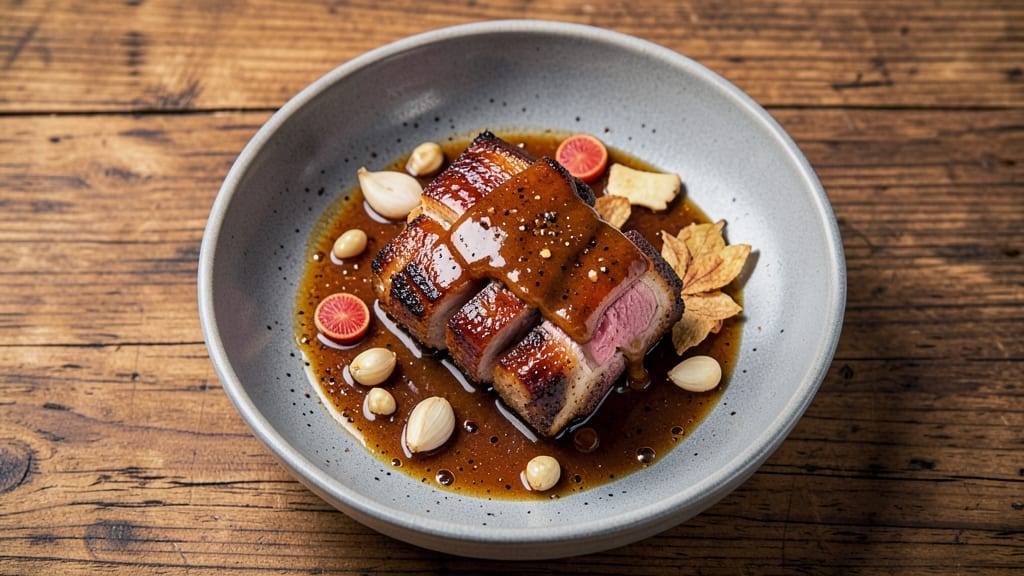
This Asian pork neck recipe transforms tough cuts into melt-in-your-mouth perfection with crispy skin and tender, braised meat—just like my grandmother used to make in Charleston. The secret lies in a slow-cooked soy-ginger marinade that infuses every bite with deep umami and aromatic heat.
I've perfected this technique over years of cooking for crowds at The Smoky Pig, where pork neck is our signature dish.
The process begins with a foolproof marinade of soy sauce, garlic, ginger, and five-spice powder that tenderizes the meat while building complex flavors. After searing the neck to lock in juices, we slow-braise it until the collagen dissolves into a rich, glossy sauce.
The result? A dish that's equally at home on a weeknight table or a holiday spread, with a texture that's impossible to resist.
What makes this recipe special is its versatility—serve it with steamed jasmine rice and quick-pickled vegetables for a complete meal, or let the pork neck shine as the star of a banh mi sandwich.
The crispy skin gives way to silky, shreddable meat that practically falls apart at the touch of a fork. Trust me, once you try this method, you'll never buy pork neck again without making it this way.
This technique works equally well with fresh or frozen pork neck, making it perfect for meal prep. The flavors deepen overnight, so if you have time, let it marinate longer—your patience will be rewarded with even more tender, flavorful meat. Let's get cooking!
Ingredients for asian pork neck
Four pounds of pork neck, aromatic spices, and a few pantry staples transform into a showstopping dish.
| Ingredient | Amount | Notes |
|---|---|---|
| Pork Neck 🥓 | 3 lb | Bone-in, skin-on preferred |
| Soy Sauce 🍶 | ½ cup | High-quality, preferably Japanese |
| Garlic Cloves 🧄 | 8 cloves | Minced for marinade |
| Fresh Ginger 🌿 | ½ cup | Grated, peeled |
| Five-Spice Powder 🌶️ | 2 tbsp | For aromatic depth |
| Brown Sugar 🍯 | ¼ cup | Light or dark |
| Vegetable Oil 🫒 | 2 tbsp | For searing |
| Jasmine Rice 🍚 | 1 ½ cups | Uncooked, for serving |
| Green Onions 🧅 | ¼ cup | Sliced, for garnish |
| Sesame Oil 🫒 | 1 tsp | For finishing |
| Salt 🧂 | 1 ½ tsp | Kosher or sea salt |
| Black Pepper 🌶️ | ½ tsp | Freshly ground |
| Water 💧 | 1 cup | For rice and braising |
The pork neck is the star, so don't skimp on quality. Look for cuts with good marbling and crispy skin—local butchers or Whole Foods often have the best selections. Fresh or frozen works, but if using frozen, thaw it overnight in the fridge. The skin should be intact and golden, not gray or slimy. I always grab extra because this dish feeds a crowd. For the soy sauce, Kikkoman or Lee Kum Kee are my go-tos—they've got that perfect balance of salt and umami that makes this recipe sing.
No five-spice powder? Mix cinnamon, cloves, fennel, star anise, and Sichuan peppercorn in equal parts—it's a game-changer. Short on ginger? Galangal or turmeric can step in, though the flavor will shift slightly. The brown sugar can be swapped for coconut sugar or even maple syrup in a pinch, though it'll taste a little different. For the rice, jasmine is ideal, but basmati or short-grain white will work too. If you're prepping ahead, marinate the pork for up to 24 hours—the longer it sits, the deeper the flavors get.
This dish tastes even better the next day, so make extra if you can. Store leftovers in an airtight container in the fridge for up to 5 days, or freeze for 3 months. I like to portion it into single servings for easy reheating. When reheating, add a splash of water or broth to keep it moist. The crispy skin might soften a bit, but a quick broil before serving brings it back to perfection. Garnish with green onions and a drizzle of sesame oil right before eating—trust me on this.
Why You'll Love This Recipe
- One-Pot Magic: I swear by this recipe when I’m too tired to wash a million dishes. The pork neck simmers right in its own juices with the garlic and ginger—no extra pans, no fuss. Just toss everything in, let it do its thing, and you’re left with something that tastes like it took hours.
- Flavor Bomb: That five-spice powder? It’s the secret weapon. Warm, earthy, with a hint of spice that lingers just enough to make you reach for seconds. The soy sauce caramelizes into a glossy glaze that clings to every bite—salty, sweet, and impossible to resist.
- Lunchbox Hero: Between us, this is my go-to for meal prep. The pork stays tender for days, so I can throw it in rice bowls, noodle dishes, or even cold sandwiches (yes, really). It’s the kind of leftovers that actually make me happy to open the fridge.
- Budget Win: Pork neck is cheap, and this recipe stretches it far. A single cut feeds my family for three meals—breakfast hash, dinner stir-fry, you name it. Plus, the ingredients won’t break the bank, but the flavor? Pure gold.
Step-by-step instructions for Asian pork neck
Here's how to transform tough pork neck into melt-in-your-mouth perfection with crispy skin and tender meat.
Prepare the Pork Neck with Marinade
Pat the 3 lb pork neck dry with paper towels—this is crucial for crispy skin later. In a large bowl, combine the 0.5 cup soy sauce, minced 8 cloves garlic, grated 0.5 cup fresh ginger, 2 tbsp five-spice powder, 0.25 cup brown sugar, 1.5 tsp salt, and 0.5 tsp black pepper. Mix until the spices dissolve completely into the sauce.
Place the pork neck in a resealable plastic bag and pour the marinade over it. Seal the bag and massage the marinade into the meat, coating every surface. Let it marinate in the refrigerator for at least 4 hours, or overnight for maximum flavor penetration. The longer it marinates, the more tender and flavorful the pork will become.
Sear the Pork Neck for Crispy Skin
Remove the pork neck from the marinade (reserve the marinade for later) and let it sit at room temperature for 30 minutes. Heat a large Dutch oven over medium-high heat and add the 2 tbsp vegetable oil. Once the oil is shimmering, add the pork neck skin-side down and press gently with a spatula to help it crisp up.
Sear for 8-10 minutes until the skin is golden brown and crispy, and the pork releases easily from the pan. Flip the pork neck and sear the other side for another 4-5 minutes. The goal is to create a deep, flavorful crust while keeping the meat juicy inside. Don't rush this step—patience here ensures that perfect texture.
Braise the Pork Neck Until Tender
Return the pork neck to the Dutch oven skin-side up. Pour in the reserved marinade and add 1 cup water. Bring to a simmer over medium heat, then reduce the heat to low. Cover the pot and let it braise for 2.5 to 3 hours, turning the pork neck occasionally, until it's fork-tender and easily pulls apart.
Here's the thing—you'll know it's done when the meat separates easily at the bone and the sauce has thickened slightly. The pork should have a rich, caramelized color and be falling off the bone when you test it. If the sauce reduces too quickly, add a splash of water to keep it moist but not watery.
Finish with Jasmine Rice and Garnish
While the pork neck is braising, prepare the 1.5 cups jasmine rice according to package instructions. Cook the rice in a separate pot with water and a pinch of salt until tender and fluffy. Stir in the 1 tsp sesame oil during the last minute of cooking for added aroma.
Once the pork neck is fully cooked, remove it from the braising liquid and let it rest for 10 minutes. Skim any excess fat from the braising liquid, then strain it to remove any impurities. Slice the pork neck against the grain into ½-inch thick pieces and serve over the jasmine rice. Garnish with sliced 0.25 cup green onions and drizzle with any remaining braising liquid for extra flavor.
Pro Tips For Making Asian Pork Neck
- SEAR FIRST, SIMMER LATER: After browning the pork neck in batches (yes, it’s messy but worth it), don’t rush the simmer—drop the heat to low and cover for the first 20 minutes. I learned this the hard way by boiling it too fast, which turned the meat tough instead of tender. Let the liquid bubble gently, or you’ll end up with a watery stew instead of rich, caramelized flavor.
- GRATE GINGER FINE: Skip the big chunks—grate the ginger so fine it’s almost paste-like. This isn’t just about flavor; it’s about texture. When the pork neck simmers, you want that ginger to dissolve smoothly into the sauce, not sit as a chewy afterthought. (And yes, even if you’re impatient like me, don’t skip this.)
- DON’T SKIP THE FAT RENDERING: Let the pork neck render its own fat in the pot before adding liquids—about 5 minutes on medium heat. This isn’t just for flavor; it’s the foundation of your sauce. If you rush and add soy sauce or water too soon, you’ll dilute the depth of the five-spice and garlic. Trust me, the extra time here makes a real difference.
- USE DOUBLE SOY SAUCE: Start with half the soy sauce called for in the recipe, then add the rest after the pork has simmered for 45 minutes. This two-step approach keeps the sauce from turning bitter too soon. I was skeptical until I tried it—now it’s non-negotiable for me. The pork absorbs the first batch, and the second layer adds that glossy, umami finish.
Troubleshooting this dish
Skin Not Crispy
If your pork neck skin isn't crisping up, try this: Pat it extra dry with paper towels before searing—moisture is the enemy of crispiness. I swear by using a wire rack over a baking sheet in the oven at 425°F for 15 minutes after braising to revive that skin.
Another trick? Use a heavy-bottomed skillet like my Lodge cast iron—it distributes heat evenly for that perfect golden crust. 🔥
Meat Too Tough
Tough pork neck usually means it didn't braise long enough. The meat should pull apart easily at the bone—if not, extend the braising time by 30-60 minutes and add ½ cup water to keep the liquid level high.
I've found that bone-in cuts stay more tender than boneless, so don't trim those bones unless you're desperate. For extra tenderness, add 1 tbsp cornstarch to the braising liquid during the last hour—it helps thicken the sauce and coat the meat.
Sauce Too Thin
A watery sauce happens when the pork releases too much liquid. To fix this, reduce the heat to low and let it simmer uncovered for 10-15 minutes to evaporate excess moisture. For next time, add 1 tbsp tomato paste to the marinade—it thickens naturally during braising.
I also like to strain the sauce through a fine-mesh sieve before serving to remove any impurities that might thin it out.
Uneven Cooking
If some parts cook faster than others, it's likely due to uneven heat distribution. Use a Dutch oven with a tight-fitting lid—my All-Clad is a game-changer. Place the pork neck fat-side down first to render fat slowly, then flip it halfway.
For large cuts, poke a few holes in the meat with a skewer before braising to help the marinade penetrate deeper. Rotate the pot quarter-turns every 30 minutes to ensure even cooking.
Marinade Not Sticking
If the marinade slides off instead of clinging, the pork needs better texture. Use a meat mallet to gently pound the pork neck to an even thickness—about ½ inch—before marinating. For extra grip, add 1 tbsp honey to the marinade.
I also recommend massaging the marinade into the meat for at least 5 minutes to ensure it penetrates those tough fibers. The longer it sits, the better it sticks—overnight is ideal.
Overpowering Flavors
Too much soy sauce or five-spice can make the dish taste harsh. Balance it by adding sweetness—a splash of orange juice or apple cider vinegar cuts through the saltiness beautifully.
For next time, reduce the soy sauce to ⅓ cup and add 1 tsp fish sauce for umami depth without overpowering. Taste the marinade before applying—it should be savory but not salty.
Nutrition facts
Frequently asked questions
Can I substitute pork neck with pork shoulder?
Yes, but with adjustments! Pork shoulder has more fat and connective tissue, so reduce braising time by 30-45 minutes and add ½ cup extra liquid to prevent drying. The flavor will be richer, but the texture will be slightly different—shoulder stays more fibrous even when cooked low and slow. For best results, trim excess fat before marinating to help the skin crisp properly.
How do I make this recipe gluten-free?
Replace soy sauce with tamari or coconut aminos (use ⅓ cup instead of ½ cup—they're saltier). For extra umami, add 1 tsp fish sauce or 1 tbsp gluten-free oyster sauce to the marinade. The dish will still be packed with flavor, just without the gluten. Always check labels on five-spice powder—some blends contain wheat.
What's the best way to reheat leftovers?
Reheat in a skillet over medium-low heat with 1 tbsp water or broth for 5-7 minutes until warmed through. For crispy skin, broil for 2-3 minutes at the end. Microwaving works in a pinch, but the skin gets soggy—always cover with a damp paper towel to retain moisture. Leftovers taste even better the next day!
Can I slow-cooker this instead of braising?
Sear the pork neck first, then transfer to a slow cooker with the marinade and 1 cup water. Cook on low for 8 hours or high for 5-6 hours until tender. The skin won't be as crispy, but the meat will be incredibly tender. For extra richness, stir in 2 tbsp hoisin sauce during the last hour. Perfect for busy weeknights!
What are the best sides to serve with this?
Jasmine rice is classic, but try steamed bok choy or pickled daikon radish for fresh contrast. For heartier meals, pair with garlic green beans or sesame noodles. The crispy skin pairs beautifully with cool, tangy elements—think cucumber salad or kimchi. Don't forget a drizzle of chili crisp for heat lovers!