
Sauces & Condiments
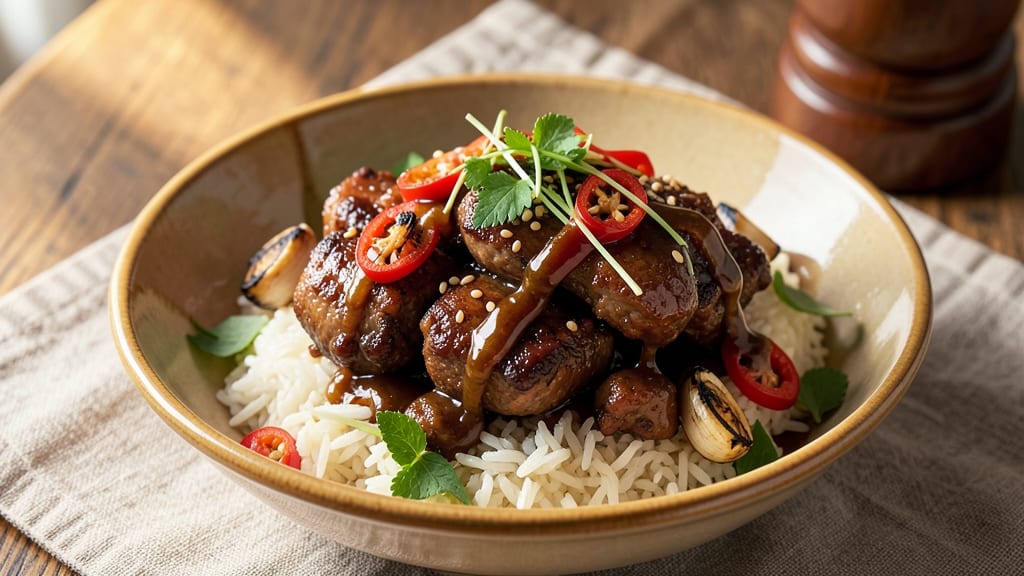
This Asian pork sauce recipe transforms simple stir-fries into restaurant-quality masterpieces with its deep umami richness and perfect balance of sweet, salty, and tangy flavors. The secret lies in simmering aromatic ingredients—garlic, ginger, and fermented soy—until they meld into a glossy, velvety glaze that clings to every bite. I developed this sauce after years of testing, and it’s become my go-to for adding depth to grilled meats, noodles, or even dumplings without overpowering the dish.
The beauty of this sauce is its versatility and simplicity. With just 10 minutes of active prep and 20 minutes of simmering, you’ll have a sauce that’s bold enough to stand alone but flexible enough to complement any Asian-inspired meal.
The combination of soy sauce, hoisin, and a touch of honey creates a perfect harmony, while optional minced pork or pork broth adds an extra layer of savory complexity. It’s the kind of sauce that elevates ordinary ingredients into something extraordinary.
What sets this recipe apart is its ability to deliver restaurant-quality results at home. The sauce thickens beautifully as it reduces, creating a glossy finish that coats proteins and vegetables evenly.
Whether you’re glazing seared pork chops, drizzling over steamed rice, or tossing with stir-fried vegetables, the flavor is consistently rich and balanced. The best part? It keeps well in the fridge for up to 2 weeks or freezes perfectly for future use.
Once you master this sauce, you’ll find endless ways to use it—from marinades and dipping sauces to finishing touches for soups and noodles. The instructions are straightforward, but the flavor payoff is undeniable.
Let’s get started on creating your own umami-packed glaze that will make every dish taste like it came from a bustling Asian street market.
Ingredients for asian pork sauce
Ten ingredients transform any stir-fry into a restaurant-worthy masterpiece with umami depth.
| Ingredient | Amount | Notes |
|---|---|---|
| Ground Pork 🐖 | ½ lb | Optional for extra richness |
| Light Soy Sauce 🍶 | ½ cup | Use Kikkoman for authentic flavor |
| Dark Soy Sauce 🍶 | ¼ cup | For deeper color and complexity |
| Hoisin Sauce 🍶 | ¼ cup | Thick, sweet-savory base |
| Honey 🍯 | ¼ cup | Pure clover honey preferred |
| Garlic Cloves 🧄 | 6 cloves | Minced for aromatic depth |
| Fresh Ginger 🌿 | ¼ cup | Finely grated, peel removed |
| Sesame Oil 🫒 | 1 tbsp | Toasted for nutty aroma |
| Cornstarch 🌾 | 1 tsp | For perfect glossy finish |
| Rice Vinegar 🍶 | 1 tbsp | For bright tangy balance |
The foundation starts with Kikkoman soy sauces—light for saltiness, dark for richness. Grab the hoisin from Trader Joe's for that perfect sweet-savory balance, or use Lee Kum Kee if you want to splurge. Fresh ginger and garlic are non-negotiable here—buy organic if possible, as the peel is tough to remove otherwise. The honey should be pure clover; avoid processed brands that can taste artificial. For sesame oil, toasted is key—skip the unrefined kind, which can taste bitter. If you're feeling adventurous, add a splash of pork broth instead of ground pork for even deeper umami without the texture change.
No hoisin? Mix 2 tbsp soy sauce + 1 tbsp brown sugar + 1 tsp five-spice powder for a quick substitute. Short on cornstarch? Arrowroot powder works 1:1, though it has a slightly lighter finish. The rice vinegar can be swapped for mirin if you prefer a sweeter note, but keep it to 1 tbsp to avoid overpowering. For extra depth, add 1 tsp fish sauce (if not vegetarian) or 1 tsp soy sauce + 1 tsp sugar as a substitute. The sauce thickens as it reduces, so start with slightly less cornstarch if you prefer a looser glaze. Want it spicier? Add 1 tsp sriracha or chili crisp at the end—trust me, it’s worth it.
This sauce is a flavor powerhouse that keeps beautifully. Store in an airtight container in the fridge for up to 2 weeks, or freeze in ice cube trays for perfect single-use portions. The flavor actually improves overnight as everything melds together. For best results, reheat gently on the stove—no microwaving, as it can make the sauce watery. Double the batch if you can; it disappears faster than you think. Perfect for glazing seared pork chops, drizzling over rice, or tossing with stir-fried veggies—every drop is pure umami magic.
Why You'll Love This Recipe
- Pantry Magic: I swear by this sauce—just five ingredients, no fancy prep. The ground pork browns in minutes while the soy sauces and hoisin marry into something rich and sticky without any fuss. Honestly, I make it when I forget to meal prep.
- Sweet-Savory Balance: That honey cut through the saltiness like a dream, and the dark soy gave it depth. It’s not too sweet, not too salty—just that perfect umami punch that makes you reach for seconds. (Yes, even on a Tuesday night.)
- Double-Duty Sauce: Use it slathered on rice bowls, drizzled over noodles, or even as a glaze for roasted veggies. My kids ask for it on their grilled cheese—no joke. It’s the kind of sauce that turns boring meals into something special without extra effort.
- Budget Win: Ground pork is cheap, and a little goes a long way. I stretch this into three meals: stir-fry, tacos, and even a quick dumpling dip. Leftovers? They’re the best kind—tastier the next day. (Not the prettiest, but the taste makes up for it.)
Step-by-step instructions for Asian pork sauce
This umami-packed glaze transforms simple stir-fries into restaurant-quality masterpieces.
Prepare the Aromatic Base
In a medium saucepan, combine the 0.5 cup light soy sauce, 0.25 cup dark soy sauce, 0.25 cup hoisin sauce, and 0.25 cup honey. Place over medium heat and bring to a gentle simmer, stirring constantly to dissolve the honey completely. You'll notice the mixture darkening slightly as the flavors meld—this is where the magic begins.
Add the 6 minced garlic cloves and 0.25 cup finely grated fresh ginger, stirring for 2-3 minutes until the garlic turns golden and the ginger becomes fragrant. This step builds the aromatic foundation—don't rush it. The garlic should smell intensely sweet, and the ginger should release its zesty warmth into the sauce.
Build Depth with Rice Vinegar and Sesame Oil
Reduce the heat to low and stir in the 1 tablespoon rice vinegar and 1 tablespoon toasted sesame oil. The vinegar will brighten the sauce with a subtle tang, cutting through the richness of the other ingredients. The sesame oil adds a nutty aroma that elevates the entire dish.
Let the sauce simmer gently for 5 minutes, stirring occasionally. You're looking for a reduction that thickens slightly but remains glossy. If the sauce becomes too thick prematurely, add 1-2 tablespoons water to maintain the right consistency. The mixture should coat the back of a spoon smoothly without being syrupy.
Thicken for Perfect Glaze Texture
In a small bowl, whisk together the 1 teaspoon cornstarch with 2 tablespoons water until smooth. Slowly pour this slurry into the simmering sauce while stirring continuously. The moment the cornstarch hits the hot liquid, it will begin thickening almost instantly.
Continue simmering for 2-3 minutes until the sauce reaches your desired consistency—it should coat the back of a spoon but still be pourable. If you're using this for stir-fry, aim for a glossy, syrupy finish that clings beautifully to proteins and vegetables. For extra richness, stir in the 0.5 lb ground pork now and simmer for another 3-4 minutes until heated through.
Test and Adjust for Balance
Taste the sauce and adjust the seasoning if needed. For more umami depth, add a pinch of salt or a splash of additional soy sauce. If it needs brightness, add a tiny bit more rice vinegar. For sweetness, stir in a touch of honey. The sauce should be perfectly balanced—sweet, salty, tangy, and umami-rich with a hint of spice from the ginger.
Let the sauce cool slightly before using. If it thickens as it cools, simply reheat it gently and stir in a splash of water or broth to restore the perfect consistency. This sauce keeps well in the refrigerator for up to 1 week in an airtight container, making it perfect for meal prep and quick stir-fry sessions.
Pro Tips For Making Asian Pork Sauce
- Preheat Your Pan: I learned this the hard way—cold pans make soggy pork. Get your wok or skillet screaming hot before adding the ground pork, or you’ll end up with greasy, undercooked bits instead of that perfect caramelized texture. Two minutes on high heat does the trick.
- Toast the Soy Sauces: Skip this, and you’ll miss the depth. After cooking the pork, turn off the heat and let the light and dark soy sauces sit in the pan for 30 seconds—just until they darken slightly. This develops the umami without burning, and the sauce won’t taste flat.
- Balance the Sweetness: Honey’s job is to cut through the salt, not drown it. Add it gradually—start with half the recipe’s amount, taste, then adjust. Too much? The sauce turns cloying. Too little? The pork feels dry. Find that middle ground.
- Simmer, Don’t Boil: Once the sauces are mixed, keep the heat low and let it bubble gently. Boiling burns the hoisin’s caramelized notes, making the sauce taste bitter. A slow simmer (3-4 minutes) keeps everything rich and cohesive—no shortcuts here.
Creative variations of this recipe
Sweet-Savory Fusion
For a honey-glazed twist, boost the sweetness by adding 2 tbsp brown sugar and 1 tbsp maple syrup to the base mixture. Simmer for an extra 3 minutes to caramelize the sugars, then finish with 1 tsp toasted sesame seeds for texture.
This variation works beautifully with grilled pork skewers or as a dipping sauce for spring rolls. 🍯
Spicy Chili Crisp Twist
Add 1-2 tbsp chili crisp (or 1 tsp sriracha) at the end for a fiery kick. For balance, include 1 tsp rice wine to mellow the heat slightly.
This version pairs perfectly with crispy pork belly or steamed dumplings. If you love heat but want depth, try 1 tsp gochujang instead—it adds fermented umami complexity. 🌶️
Fermented Depth
Swap 1 tbsp of the soy sauce for 1 tbsp fish sauce (or vegetarian fish sauce) to deepen the umami. Add 1 tsp miso paste for a rich, fermented note that elevates the sauce to restaurant-level quality.
This works exceptionally well with seared scallops or grilled shrimp alongside pork. For extra funk, stir in ½ tsp black vinegar at the end. 🍶
Creamy Coconut Version
Replace ½ cup of the soy sauce with ½ cup coconut milk for a tropical twist. Add 1 tsp lime zest and 1 tbsp lime juice to brighten the flavors.
This sauce is perfect for pork satay or curry dishes. For thickness, reduce the cornstarch to ½ tsp—coconut milk naturally thickens as it simmers. 🥥
Herb-Infused Glaze
Stir in 2 tbsp chopped cilantro or thai basil at the end for a fresh, herbaceous finish. For a garlic-herb boost, add 2 extra minced garlic cloves and 1 tsp chopped scallions while simmering.
This version shines with stir-fried greens or rice noodles. Garnish with extra herbs before serving for a vibrant touch. 🌿
Smoky BBQ Fusion
Add 1 tbsp molasses and ½ tsp smoked paprika for a smoky-sweet profile inspired by American-Asian fusion. This works surprisingly well with pulled pork or grilled ribs. For extra depth, include 1 tsp liquid smoke (sparingly!) and adjust the honey to 3 tbsp for balance. 🔥
Nutrition facts
Frequently asked questions
Can I make this sauce without pork?
The sauce's rich flavor comes from the soy, hoisin, and aromatics—not the pork. Simply omit the ground pork or pork broth, and you'll still get a delicious umami-packed glaze perfect for vegetables, tofu, or even grilled chicken. The base ingredients create plenty of depth on their own.
How do I adjust the sweetness level?
Start with the 0.25 cup honey called for, then taste as you go. For less sweetness, reduce honey by 1 tablespoon and add 1 teaspoon rice vinegar for balance. Need more sweetness? Add 1 extra tablespoon honey or 1 teaspoon maple syrup while simmering. The sauce should complement your dish, not overpower it.
Why did my sauce turn out too thick?
This usually happens from over-reducing or adding too much cornstarch. To fix it, whisk in 1-2 tablespoons warm water while stirring constantly. For future batches, remove the sauce from heat as soon as it reaches your desired consistency—it will thicken further as it cools. If you prefer a thinner glaze, reduce simmering time by 2-3 minutes.
Can I use this sauce for marinades?
Yes, but with caution! This sauce is best as a finishing glaze rather than a marinade because the high sugar content can cause uneven browning. For marinating, use only half the sauce mixed with 2 tablespoons oil, and marinate for no more than 30 minutes. It works beautifully for quick searing of pork chops or skewers before finishing with extra sauce.
What's the best way to reheat leftover sauce?
Gently reheat in a small saucepan over low heat with 1 tablespoon water to restore its glossy texture. Stir constantly to prevent scorching. Avoid microwaving—it can make the sauce watery and lose its velvety finish. If the sauce separates, whisk vigorously while heating. The reheated sauce will be just as delicious as fresh!