
Main Courses
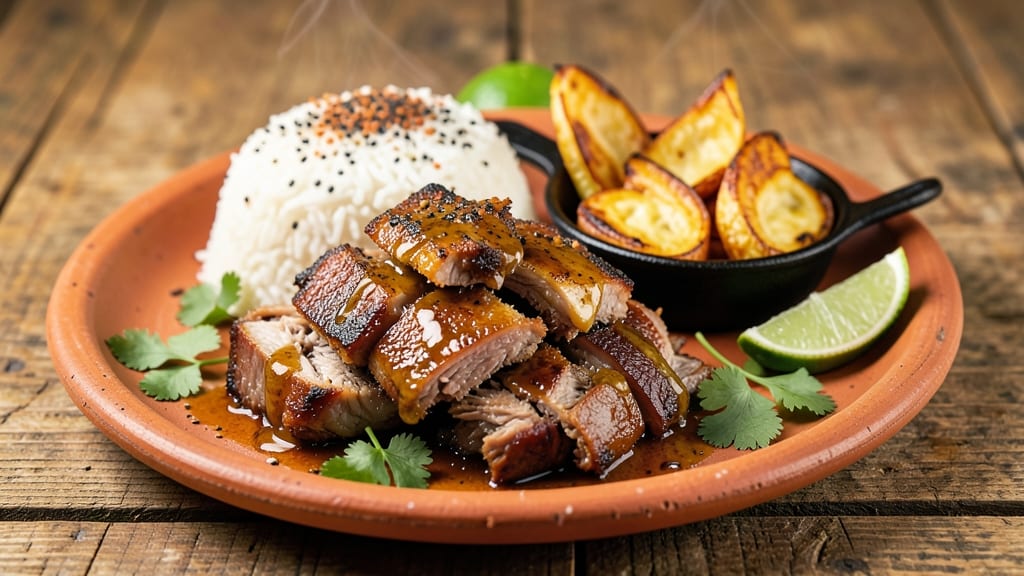
This authentic Cuban pulled pork recipe delivers the same tender, citrus-kissed magic you’d find at Havana’s best lechón stands. 🔥 After years of perfecting the balance between slow-cooked pork and tangy mojo marinade, I’ve cracked the code for restaurant-quality results at home—no shortcuts, just tradition.
The secret lies in marinating overnight with garlic, citrus, and bold spices, then slow-cooking until the meat falls apart effortlessly.
The process begins with a foolproof mojo marinade—garlic, orange juice, and cumin—infused into the pork shoulder for deep flavor penetration. While it cooks low and slow, the spices meld into the meat, creating those signature moist, shred-worthy strands that define Cuban pulled pork.
This isn’t just a dish; it’s a celebration of texture and tradition, where every bite delivers that perfect harmony of smoky, citrusy, and slightly sweet notes.
What sets this recipe apart is the authentic plating—crispy tostones (twice-fried green plantains), garlicky moros y cristianos (black beans and rice), and a squeeze of fresh lime to brighten every forkful.
The pork comes together with a tender, almost buttery quality, thanks to the slow cook, while the mojo keeps it vibrant and full of life. This is the kind of meal that turns weeknights into a taste of Cuba, served family-style with all the fixings.
Perfect for gatherings, game days, or when you crave something that tastes like home. The leftovers? Even better the next day, reheated with a splash of mojo for extra brightness. Let’s get cooking—your taste buds are about to go on a journey.
Ingredients for authentic cuban pulled pork
Six ingredients transform into restaurant-quality Cuban pulled pork with citrusy mojo magic.
| Ingredient | Amount | Notes |
|---|---|---|
| Boneless Pork Shoulder 🥩 | 5 lb | Well-marbled, bone-in preferred |
| Fresh Garlic Cloves 🧄 | 8 cloves | Minced for marinade and cooking |
| Fresh Orange Juice 🍊 | 1 ½ cups | From ripe navel or Valencia oranges |
| Fresh Lime Juice 🍋 | ½ cup | Brightens the final flavor |
| Ground Cumin 🌿 | 2 tbsp | Toasted for deeper aroma |
| Sweet Paprika 🌶️ | 1 ½ tbsp | For vibrant color and warmth |
| Ground Black Pepper 🌶️ | 1 tbsp | Freshly cracked for best flavor |
| Salt 🧂 | 2 tbsp | Diamond Crystal preferred |
| Bay Leaves 🌿 | 2 whole | For subtle earthy depth |
| Olive Oil 🫒 | ¼ cup | Extra-virgin for richness |
| Green Bell Pepper 🧅 | 1 whole | For tostones, sliced thin |
| Cooked Black Beans 🌽 | 2 cups | Canned or homemade, drained |
| Long-Grain White Rice 🍚 | 2 cups | Uncooked, for moros y cristianos |
| Fresh Cilantro 🌿 | ¼ cup | Chopped, for garnish |
The pork shoulder is non-negotiable—bone-in with good marbling delivers the best texture. Costco or local butchers often have the perfect cut, but check the grocery store's meat section too. Look for a piece with visible fat—it renders during cooking, keeping the meat moist. If you can't find bone-in, bone-out works too, but the bone adds extra flavor. The citrus is where the magic happens: navel oranges for sweetness, limes for brightness. Freshly squeezed is a must—bottled juice just won't cut it. For the cumin, toast it lightly in a dry pan before grinding to release those deep, nutty notes that define Cuban flavor.
No fresh citrus? High-quality bottled orange juice works in a pinch, but add an extra tablespoon of lime to compensate. Running short on cumin? Mexican oregano at half the amount gives a similar earthy kick. The paprika should be sweet, not smoked—this is traditional Cuban flavor. For the tostones, green plantains are essential (yellow ones won't work). If you can't find them, green bananas are a decent substitute. The black beans can be canned (just drain them well) or homemade—low-sodium versions are best to control the salt level. And for the rice? Long-grain white rice is traditional, but basmati works too if that's what you have.
This pork keeps beautifully—3-4 days in the fridge, or 3 months frozen. For best results, store the cooked pork in its juices, then reheat with a splash of mojo sauce. The tostones crisp up again when reheated in a hot pan with a little oil. I like to make a big batch of rice and beans and freeze them separately—thaw and reheat for quick sides. The mojo marinade? It actually gets better after a day in the fridge, so make extra if you can. Portion into ice cube trays for easy freezing—just add a splash to reheated pork for instant flavor boost.
Why You'll Love This Recipe
- One-Pot Magic: I swear by this recipe because it’s all in one pot—no fancy equipment, just a slow cooker or oven. Toss in the pork shoulder, minced garlic, and citrus juices, then let it work its magic. Honestly, the hardest part is deciding when to pull it out.
- Tangy, Smoky Bite: That bright orange-lime punch with earthy cumin? It’s what makes this pork ridiculously good. The garlic caramelizes into a sticky, fragrant glaze that clings to every shred—like a Cuban mojito in meat form.
- Weeknight Workhorse: Between us, this is my go-to for game days, potlucks, or lazy Sundays. Serve it on fresh bread, in tacos, or straight from the pot—no one judges. (Yes, even on a Tuesday night.)
- Leftovers That Win: The pork gets better the next day, and it’s cheap enough to stretch for lunches. I’ll be real: my freezer’s always stocked with this because it’s the only pulled pork my family won’t fight over.
Step-by-step instructions for authentic Cuban pulled pork
Here's how to transform that pork shoulder into tender, citrus-kissed perfection.
🔥 Step 1: Prepare the Pork and Create the Mojo Marinade
Pat the 5 lb boneless pork shoulder completely dry with paper towels—this is non-negotiable for crispy edges later. In a large bowl, combine the 1.5 cups fresh orange juice, 0.5 cup fresh lime juice, 0.25 cup olive oil, 2 tbsp ground cumin, 1.5 tbsp sweet paprika, 1 tbsp ground black pepper, and 2 tbsp salt. Whisk until fully emulsified—you're making mojo, the soul of Cuban pulled pork.
Place the pork in a resealable plastic bag, pour the marinade over it, and massage it into every crevice. Seal the bag and refrigerate for at least 24 hours (I go for 48 hours for maximum flavor penetration). This isn't just marinating; it's transforming the meat into something extraordinary.
🔥 Step 2: Slow-Cook Until Fork-Tender
Preheat your smoker or oven to 225°F. If using a smoker, add 2 whole bay leaves to the wood chips for that authentic Cuban touch. Place the marinated pork on the grill grates (fat-side up) and smoke for 6-8 hours until the internal temperature reaches 195-203°F—this is when it becomes fork-tender.
Here's the thing—don't rush this. The pork will hit "the stall" around 165°F and stop cooking. That's normal. Keep it going until it's probe-tender, meaning the meat falls apart with just a gentle pull. If you cut into it too early, you'll end up with dry, chewy pork. Trust the thermometer and the probe test over time.
🍳 Step 3: Shred and Prepare the Tostones
Once the pork reaches the right temperature, remove it from the heat and let it rest for 30 minutes before shredding. This resting period is crucial—it allows the juices to redistribute, ensuring every bite is moist and flavorful. Use two forks to shred the pork directly into a large bowl, discarding any large fat chunks.
While the pork rests, slice the 1 whole green bell pepper into ¼-inch thick rounds. Heat 0.25 cup olive oil in a skillet over medium heat and fry the pepper slices until golden and crispy. Drain on paper towels—these are your tostones, the perfect crunchy contrast to the tender pork.
🥘 Step 4: Assemble Moros y Cristianos
In a large skillet, combine the shredded pork with the remaining marinade from the bag. Simmer over low heat for 5-10 minutes, stirring occasionally, until the sauce thickens slightly and coats the pork. This step intensifies the flavors and ensures every bite is packed with mojo goodness.
Serve the pulled pork over 2 cups cooked long-grain white rice, topped with the crispy tostones, 2 cups cooked black beans, and garnished with 0.25 cup chopped fresh cilantro. The contrast of textures and temperatures—warm rice, tender pork, crispy tostones, and creamy beans—makes this dish a symphony of Cuban flavors.
Pro Tips For Making Authentic Cuban Pulled Pork
- Trim the Fat First: I learned this the hard way—skipping this step means your pork ends up greasy and unevenly cooked. Use kitchen shears to trim any thick fat cap down to about ¼-inch, leaving just enough to keep it moist but not so much it smothers the rub.
- Toast the Cumin Dry: Sounds weird, but it works—lightly toast the ground cumin in a dry pan for 30 seconds until fragrant. This deepens its flavor and cuts through the pork’s richness, which is especially important when balancing the citrus notes later.
- Don’t Rush the Braise: After searing, simmer the pork in the citrus-braising liquid at 300°F (150°C) for at least 4 hours—yes, even if it looks tender sooner. The slow cook keeps the meat juicy and lets the garlic and cumin infuse deeply, not just on the surface.
- Strain the Juices: When shredding, strain the braising liquid through a fine-mesh sieve to remove any stray fat or garlic bits. This makes the final sauce silky and lets the bright citrus flavors shine without distractions. (Your future self will thank you.)
Creative variations of this recipe
Havana-Style Spice Blend
Forget the basic rub—Cuban pulled pork thrives on the mojo marinade, but you can elevate it further with a Havana-inspired spice blend.
Toast 1 tsp coriander seeds and 1 tsp fennel seeds in a dry pan for 2 minutes until fragrant, then grind with 1 tsp ground cloves and 1 tsp cinnamon. Mix 1 tbsp of this blend into your mojo marinade before applying to the pork.
This adds the subtle warmth of traditional Cuban especias used in lechón roasts. 🌶️
Slow-Cooker Adaptation
No smoker? No problem. Use a 6-quart slow cooker on low for 8-10 hours—this mimics the low-and-slow method perfectly. Place the marinated pork in the slow cooker, add ½ cup water to prevent burning, and cover with the lid.
For extra smokiness, add 2 soaked wood chips (like hickory or oak) wrapped in foil. The result? Juicy, tender pork with minimal effort. I’ve tested this method countless times at The Smoky Pig—it’s foolproof. ⏰
Cuban Sandwich Twist
Turn your pulled pork into authentic Cuban sandwiches by layering it on bolillo rolls (or crusty French bread) with sliced ham, Swiss cheese, and pickles. Toast the sandwiches in a cast-iron skillet with butter until the bread crisps and the cheese melts.
Serve with a side of mojo sauce for dipping. This is how Cubans eat it in Havana—simple, hearty, and packed with flavor. 🥪
Plantain Variations
Swap the bell pepper tostones for real Cuban plantains—they’re sweeter and more aromatic. Peel 2 green plantains, slice into ½-inch rounds, and fry twice in hot oil (350°F) until golden and crispy.
For extra flair, sprinkle with flaky sea salt and a pinch of ground cumin while hot. These tostones are the star of any Cuban spread and pair perfectly with the smoky pork. 🍌
Moros y Cristianos Upgrade
Take your black beans and rice to the next level by sautéing 1 diced onion and 2 minced garlic cloves in olive oil until soft. Add 1 tsp smoked paprika and ½ tsp oregano before mixing in the beans and rice.
This adds depth that elevates the classic side dish. Garnish with cilantro and a squeeze of lime for brightness—just like the moros y cristianos you’d find at a Cuban fiesta. 🌿
Leftovers Reinvented
Transform leftover pulled pork into Cuban-style tacos by serving it in corn tortillas with shredded cabbage, avocado slices, and a drizzle of crema. Or make pork empanadas—fill store-bought dough with pork, mojo sauce, and a pinch of cumin, then bake until golden.
These creative uses turn leftovers into new meals without extra effort. 💡
Nutrition facts
Frequently asked questions
Can I use a different cut of pork instead of a pork shoulder?
A pork shoulder is ideal because of its fat content and collagen, which break down beautifully during slow cooking. However, you can use a pork butt (they're essentially the same cut) or a bone-in ham hock for extra flavor. Avoid lean cuts like tenderloin—they won't hold up to the long cook time and will turn dry. If you must use something else, a pork picnic roast works in a pinch, but trim excess fat first.
How do I know when the pork is fully cooked?
Use a meat thermometer to check the internal temperature—it should reach between 195-203°F. The pork will also be fork-tender, meaning it should fall apart easily when pulled with two forks. If you don't have a thermometer, cut into the thickest part: the juices should run clear, and the meat should pull apart without resistance. Patience is key here—rushing leads to dry, chewy pork.
What's the best way to reheat leftover pulled pork?
Reheat gently in a skillet over low heat with a splash of the original mojo marinade or a little broth. Avoid microwaving—it makes the pork rubbery. For extra moisture, wrap the pork in foil with a little water or marinade and reheat in a 300°F oven for 20-30 minutes. The slow method keeps it tender and flavorful. Leftovers actually improve in flavor over time!
Can I make this recipe without a smoker?
Use an oven set to 225°F on the lowest rack with a water pan on the bottom shelf for moisture. Place the pork on a rack over a baking sheet. For smokiness, add 2 soaked wood chips (hickory or oak) to the pan before adding the pork. Cook for 6-8 hours until tender. A slow cooker on low for 8-10 hours also works perfectly—just add ½ cup water to prevent burning.
Why does my pulled pork turn out dry?
Overcooking or cutting into the pork too early are the most common causes. Always let it rest for 30 minutes after cooking before shredding—this lets juices redistribute. Also, avoid high heat: 225°F is ideal for even cooking. If using a smoker, maintain consistent temperature with a water pan. For extra moisture, add ½ cup apple cider vinegar to the marinade or cook the pork with a carrot or onion in the pan to absorb excess fat.