
Main Courses
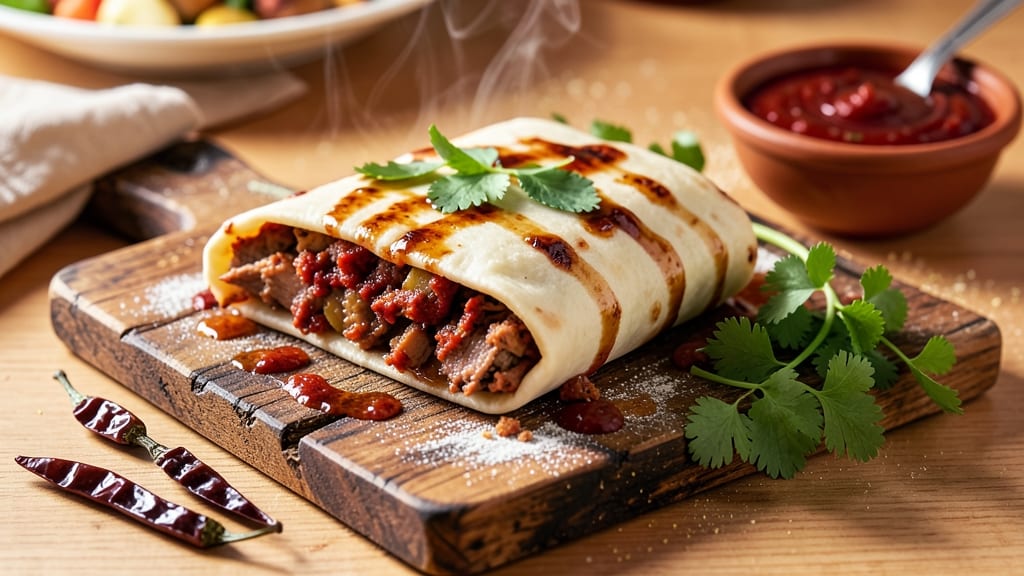
This authentic red pork tamales recipe from scratch brings the rich traditions of Mexican home cooking to your kitchen, where every layer tells a story. 🌟 The secret lies in homemade masa—nixtamalized corn dough that transforms simple ingredients into something extraordinary.
I still remember the first time I watched my abuela fold these delicate packages, her hands moving with decades of practiced precision.
What sets these tamales apart is the red pork filling, slow-cooked with achiote and chiles until tender and infused with deep, smoky warmth. The masa, steamed just right in corn husks, becomes tender yet firm, creating the perfect vessel for that flavorful filling.
This isn’t just a recipe—it’s a celebration of tradition, passed down through generations with every carefully wrapped bundle.
By the time you’re done, you’ll have tamales that steam open to reveal layers of golden masa and rich, spiced pork, ready to be served with salsa verde or crema.
The aroma alone will transport you to a family gathering, where laughter and good food bring everyone together. This is comfort food at its finest—authentic, heartfelt, and impossible to resist.
Whether you're making them for a special occasion or simply craving a taste of home, these tamales deliver restaurant-quality results with a personal touch. Let’s get started on this flavorful journey that begins with masa and ends with pure satisfaction.
Ingredients for authentic red pork tamales recipe from scratch
Twelve ingredients, twelve layers of tradition—this is where homemade masa meets slow-cooked pork magic.
| Ingredient | Amount | Notes |
|---|---|---|
| Dried Red Chili Peppers (Ancho or Guajillo) 🌶️ | ½ cup | Stems and seeds removed |
| Achiote Powder 🌶️ | 2 tbsp | For vibrant red color |
| Pork Shoulder (Pork Butt) 🥩 | 4 lb | Boneless, cut into 1-inch cubes |
| Dried Corn (Nixtamalized) 🌽 | 4 cups | Soaked overnight for masa |
| Lard (or Vegetable Shortening) 🧈 | ½ cup | Rendered, for masa richness |
| White Corn Masa Harina 🌾 | 2 cups | Maseca brand preferred |
| Chicken or Vegetable Broth 💧 | 2 cups | Low-sodium preferred |
| Garlic Cloves 🧄 | 6 cloves | Minced for filling |
| White Onion 🧅 | 1 whole | Finely chopped |
| Cumin Seeds 🌿 | 1 tbsp | Toasted for depth |
| Bay Leaves 🍃 | 2 whole | Dried, for aroma |
| Corn Husks 🌿 | 24 whole | Soaked for flexibility |
| Salt 🧂 | 2 tsp | Kosher or sea salt |
| Ground Black Pepper 🌶️ | ½ tsp | Freshly ground |
| Orange Zest 🍊 | 1 tbsp | Freshly grated |
The pork shoulder is non-negotiable here—pork butt delivers the best texture and flavor. Look for cuts with good marbling at Costco or your local butcher shop, where they can trim it for you. If you can't find pork shoulder, pork butt is the next best thing, though it might need slightly longer cooking. The dried chiles are the soul of the red filling—Ancho for mild heat or Guajillo for a touch of smokiness. Toast them lightly in a dry skillet to deepen their flavor before soaking. For achiote powder, Penzeys or Latin markets carry the best quality—it's what gives those tamales their signature color.
No pork shoulder? Chicken thighs work in a pinch for a lighter filling, though the texture won't be identical. Running short on corn husks? Banana leaves are the traditional alternative, but they can be tricky to find outside specialty stores. The masa harina is crucial—Maseca is the gold standard, but Bob's Red Mill works too if you're in a bind. For the lard, if you're avoiding it, vegetable shortening gives a neutral flavor, though purists swear by the authentic richness of lard. The orange zest might seem small, but it brightens the whole dish—use a microplane for the best results, and don't skip it if you can get fresh oranges.
The masa dough keeps best in the fridge for 2 days if wrapped tightly in plastic, but it's easier to make fresh batches as you go. The pork filling can be prepped ahead and refrigerated for 3 days or frozen for 3 months, making this a perfect make-ahead project. Once assembled, tamales steam for about 1.5 hours—don't peek! The steam is what creates that perfect texture. Store leftover tamales in an airtight container for 4 days, but honestly, they're best enjoyed fresh from the steamer.
Why You'll Love This Recipe
- No Fuss, Big Payoff: I’ll be real—this isn’t some fussy recipe where you’re stuck chopping for hours. Soak those dried chilies overnight (set it and forget it), then blend them with achiote and a splash of broth. The actual assembly? Just spread the masa, fold in the pork, and steam. That’s it.
- Smoky-Sweet Magic: Between us, the combo of guajillo and ancho peppers gives this a depth you won’t find in store-bought versions. The achiote lends that warm, earthy richness, while the slow-cooked pork shoulder turns tender enough to melt. Honestly, the first bite makes you question why you ever bought tamales.
- Party or Pantry: Here’s what sold me—these work everywhere. Serve them at a fiesta with salsa and lime, or pack a batch for lunchboxes (yes, they reheat beautifully). And if you’re feeding a crowd? One pork shoulder stretches to 40+ tamales—no one leaves hungry.
- Budget-Friendly Luxury: Pork shoulder and dried chilies are cheap, and nixtamalized corn lasts forever. Make a double batch, freeze half, and you’ve got a $5 meal that tastes like a restaurant. I’ve fed my whole family for days with just one recipe—no takeout needed.
Step-by-step instructions for authentic red pork tamales
Let's bring tradition to life with these layered tamales—every step matters for that perfect balance of smoky, citrusy, and tender flavors.
👨🍳 Step 1: Prepare the Masa Dough from Scratch
Start by soaking the 4 cups dried corn (nixtamalized) in hot water for 1 hour until pliable. Drain well and transfer to a food processor with the 2 cups white corn masa harina, 0.5 cup lard, 2 tbsp achiote powder, 2 tsp salt, 0.5 tsp ground black pepper, and 1 tbsp orange zest. Process until it forms a smooth, slightly sticky dough—like wet sandpaper. This is your masa base, and texture is everything.
For the red chili paste, toast the 0.5 cup dried red chili peppers in a dry skillet over medium heat for 2 minutes until fragrant. Add 2 cups chicken or vegetable broth and blend until smooth. Stir this vibrant paste into your masa dough until fully incorporated. The color should deepen to a rich, rusty red—this is your tamale's signature hue and flavor. Let the dough rest for 15 minutes while you prep the filling.
🔥 Step 2: Cook the Pork Filling to Perfection
In a heavy pot, render the 4 lb pork shoulder over medium-high heat until the fat runs clear and the meat is browned on all sides—about 10 minutes. Add the 1 whole white onion (finely chopped), 6 cloves garlic (minced), 1 tbsp toasted cumin seeds, and 2 whole bay leaves. Pour in 1 cup chicken or vegetable broth and simmer uncovered for 1 hour 15 minutes until the pork shreds easily with two forks.
Real talk: Don't skip the simmering time. This is where the pork transforms from tough to melt-in-your-mouth tender. Once done, remove the bay leaves and shred the pork finely. Stir in the remaining 1 cup broth and let cool completely before assembling—you want the filling to be room temperature when you layer it.
🥘 Step 3: Soak and Prepare the Corn Husks
Fill a large pot with water and bring to a boil. Add the 24 whole corn husks and boil for 10 minutes until pliable. Drain and set aside. Here's the thing—each husk must be free of cracks or tears. If you find any damaged ones, set them aside for wrapping smaller portions later. The husks are your tamales' protective layer, so treat them with care.
While the husks soak, preheat your oven to 350°F. Line two baking sheets with parchment paper—this makes cleanup a breeze. You'll need these for steaming your tamales later. The husks should be soft enough to fold without cracking, but still retain their structure to hold the filling.
🍳 Step 4: Assemble the Tamales with Precision
Spread about ¼ cup masa dough on each husk, leaving a 1-inch border at the top. Spoon ¼ cup pork filling onto the masa, then fold the sides inward and roll tightly from the bottom up, sealing the edges with a dab of masa. Place seam-side down on your prepared baking sheets. You should have about 12 tamales—each one a perfect balance of masa and filling.
Here's where it gets technical: The first tamale is always the hardest. After that, you'll find your rhythm. Keep the filling centered and the masa even—this ensures even cooking. If you notice any gaps, seal them with more masa before proceeding. The goal is airtight wraps that steam perfectly.
⏰ Step 5: Steam to Golden Perfection
Arrange the tamales in a steamer basket (or a colander over a pot of boiling water) with about 1 inch between each. Bring water to a boil in the pot below, then cover and steam for 60 minutes. That's right—no peeking! Every time you lift the lid, you lose heat and steam, which can make your tamales tough instead of tender.
You'll know they're done when the husks peel away easily and the masa has a slight give when pressed gently. The aroma should be intoxicating—smoky, citrusy, with that unmistakable tamale scent. Let them rest for 10 minutes before serving. This resting period allows the flavors to meld and the masa to set properly, giving you that perfect texture.
Pro Tips For Making Authentic Red Pork Tamales Recipe From Scratch
- SOAK CHILIES 20 MINUTES: I used to think longer was better, but 20 minutes in hot water—no boiling—softens ancho and guajillo just enough to blend smoothly without losing their depth. Any longer and they turn to mush, which weakens the sauce’s texture. Drain well and pat dry; residual water dilutes your hard work.
- SEAR PORK IN BATCHES: Crowd the pan and you’ll steam the meat instead of browning it. Work in 2-inch-thick layers, giving each side 4-5 minutes over medium-high heat until deep caramel forms. That crust locks in flavor when you later shred it for the filling—don’t skip it.
- STEAM TAMALES AT 170°F: Most recipes say "low heat," but 170°F (not simmering water’s 212°F) guarantees even cooking without soggy masa. Use a thermometer—visual checks lie. If the steam’s too aggressive, your tamales will burst open before the filling’s done.
- USE LARD COLD: Warm lard just enough to soften (about 5 minutes in a bowl over hot water), then mix it into masa. Cold lard blends better than melted, and it won’t turn your dough greasy. I know—it feels counterintuitive, but your tamales will stay firm and flavorful.
Make-ahead tips for this dish
Masa Prep Ahead
Make the masa dough the night before—it actually tastes better after resting! Store it in an airtight container (I use Pyrex glass containers) between uses. The flavors meld beautifully overnight, and you'll thank me when assembly day comes. Just
Pork Filling Prep
Cook the pork filling completely, then refrigerate it in an airtight container for up to 3 days or freeze for 3 months. When reheating, warm it gently on the stove with a splash of broth—this prevents drying. I like to portion it into 1-cup servings for easy assembly later. The key is letting it cool completely before wrapping.
Husk Prep Shortcut
Buy pre-soaked husks from Latin markets—they save 20 minutes of prep time! If you can't find them, here's my trick: Microwave dry husks for 1 minute in a bowl of hot water, then let them soak for 5 minutes.
They'll be pliable and ready for wrapping without boiling. Just don't overdo it—they should be soft but not mushy. 🥣
Assembly Line
Set up a tamale assembly station the day before: arrange husks, measure masa and filling into small bowls, and keep everything within arm's reach. I use quart-sized mason jars for the filling—just scoop and go!
This keeps everything organized and makes the process feel like a fun project rather than a chore. Pro tip: Keep a damp towel nearby to wipe sticky hands.
Steaming Schedule
Tamales steam best when done in batches—never overcrowd the steamer! I schedule mine in two 30-minute sessions with a 10-minute break between. The first batch gets the full 60 minutes, while the second batch might only need 50 minutes since it benefits from residual heat.
Always use fresh water in the pot between batches for consistent steaming. ⏰
Storage Secrets
Leftover tamales keep perfectly in the fridge for 4 days—just store them in their husks in an airtight container. For longer storage, freeze them (still in husks) for up to 3 months.
To reheat, steam for 10 minutes or microwave for 1 minute covered with a damp paper towel. The beauty of tamales is they reheat almost as well as they taste fresh! 💫
Nutrition facts
Frequently asked questions
Can I substitute lard with another fat in the masa?
Yes, you can use vegetable shortening or even butter for a slightly different flavor profile. However, lard is traditional because it creates a more tender masa. If using butter, reduce the amount by 1 tablespoon since it's less stable at high heat. For a dairy-free option, coconut oil works well but may give a subtle sweetness.
How do I know when the pork is fully cooked?
The pork should shred easily with two forks and reach an internal temperature of 203°F—this is the magic number for tender, fall-apart texture. If it's not quite there after 1 hour 15 minutes, add 1 cup more broth and simmer uncovered for another 15 minutes. Never rush this step—patience is key for authentic flavor!
What if my corn husks tear while wrapping?
Don't stress! Use the damaged husks for smaller tamales or as "pockets" for extra filling. For repairs, dab a bit of masa dough over tears and press gently. If you're short on husks, banana leaves make a beautiful traditional alternative—just make sure they're fresh and pliable. The key is keeping everything sealed tightly for proper steaming.
Can I make these tamales without a steamer?
Use a large pot with a colander or rack inside (place a towel on the bottom to prevent sticking). Keep water simmering at low heat—the tamales should steam, not boil. Cover tightly with a lid and check after 45 minutes. Another option is a large baking dish with an inch of water in the bottom, covered with foil (poke holes for steam). Just monitor closely!
How do I serve these red pork tamales authentically?
Traditionally, they're served with salsa verde, crema, or avocado slices on top. For a complete meal, pair with black beans, Mexican rice, and warm tortillas. In Mexico, they're often enjoyed with atole (a warm corn drink) or horchata. The key is balancing the rich pork with something fresh and bright to cut through the fat.