
Main Courses
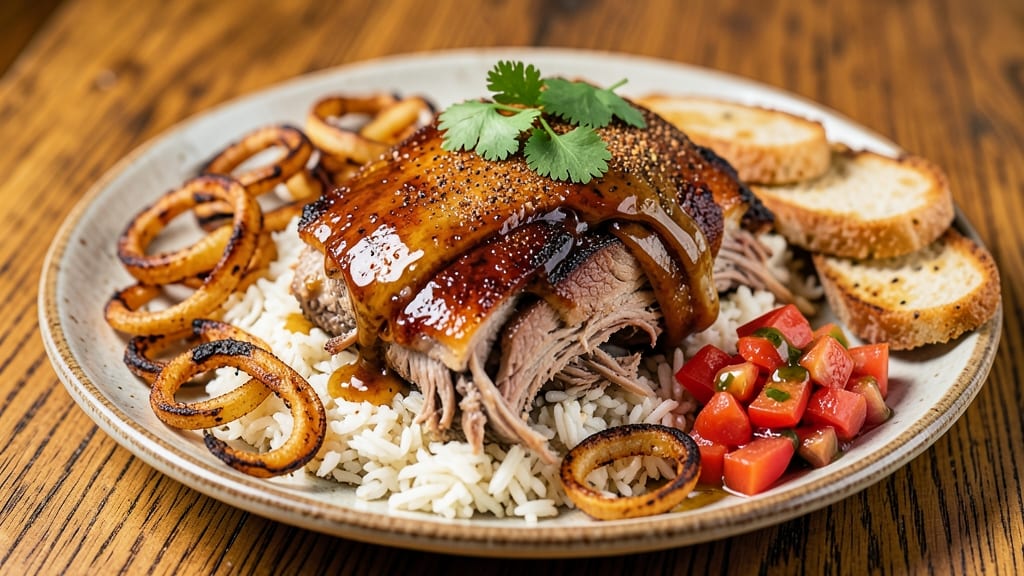
This awesome pulled pork recipe delivers restaurant-quality tenderness with a perfect Maillard crust—no dryness, no guesswork, just melt-in-your-mouth perfection. I’ve been perfecting this technique for years, balancing low-and-slow cooking with high-heat searing to lock in juices while building that coveted bark.
The secret lies in the right cut of pork shoulder, precise temperature control, and a fail-safe method that works whether you’re smoking, braising, or slow-cooking.
What sets this recipe apart is the foolproof approach to moisture retention—no soggy meat here. We start with a dry rub that forms a flavorful crust while keeping the interior juicy, then use a combination of indirect heat and occasional basting to ensure every bite is tender yet textured.
This method works for traditional BBQ lovers and modern fusion twists alike, giving you the flexibility to serve it in tacos, sandwiches, or even as a hearty bowl.
The result is perfectly shredded pork with a deep, smoky flavor and just the right amount of snap. The bark stays intact as you pull the meat, creating that satisfying contrast of crispy edges and tender interior.
This is the kind of pulled pork that makes your taste buds sing and leaves your guests asking for seconds—no matter how you serve it.
Pair it with classic sides like tangy coleslaw, buttery cornbread, or a crisp green salad to round out the meal. Whether you’re hosting a backyard BBQ or feeding a crowd, this recipe delivers restaurant-quality results with minimal effort. Let’s get cooking!
Ingredients for awesome pulled pork
Six pounds of pork shoulder, bold spices, and a perfect balance of sweet and smoky.
| Ingredient | Amount | Notes |
|---|---|---|
| Pork Shoulder (Bone-In) 🐖 | 6 lb | Well-marbled, 3-4 inches thick |
| Yellow Onion 🧅 | 1 whole | Yellow or red, roughly chopped |
| Garlic Cloves 🧄 | 8 cloves | Fresh, peeled and minced |
| Apple Cider Vinegar 🍎 | ¼ cup | For tangy depth (or sub apple juice) |
| Brown Sugar 🍚 | ½ cup | Light or dark, packed |
| Smoked Paprika 🌶️ | 2 tbsp | High-quality for smoky flavor |
| Ground Black Pepper 🌶️ | 1 tbsp | Freshly cracked for best flavor |
| Ground Cumin 🌿 | 1 tbsp | Toasted for deeper aroma |
| Kosher Salt 🧂 | 1 ½ tbsp | Diamond Crystal preferred |
| Olive Oil 🫒 | 2 tbsp | Extra-virgin for searing |
| Beef Broth 🍲 | 1 cup | Low-sodium preferred |
| Honey 🍯 | 2 tbsp | Wildflower or clover |
| Fresh Thyme 🌿 | ¼ cup | Leaves only, chopped |
| Fresh Rosemary 🌿 | ⅛ cup | Needles only, finely chopped |
The pork shoulder is non-negotiable here—look for a cut with good marbling and at least 3-4 inches of thickness. Costco or local butchers often have the best quality, but your grocery store's meat department works too. If you're buying a whole shoulder, trim any excess fat from the top—just leave a thin layer for flavor. The bone-in cut is ideal because it adds depth to the flavor, but boneless works if that's what you've got. For the spices, Penzeys or local spice shops carry the highest-quality smoked paprika, but the regular grocery store stuff is fine for weeknight cooking.
No apple cider vinegar? Substitute with apple juice or even a splash of balsamic vinegar—just know it'll be slightly less tangy. Running low on brown sugar? White sugar at half the amount plus a pinch of molasses gets you close. Fresh herbs are ideal, but dried thyme at one-third the amount works in a pinch. The beef broth can be swapped for chicken broth, but if you're vegetarian, use a mushroom or vegetable broth instead. For the sear, don't skip the olive oil—it's what creates that coveted Maillard crust. If you're short on time, use a mix of butter and oil for extra richness.
This recipe reheats beautifully—just add a splash of broth or water and let it simmer gently. The pork stays tender for 4-5 days in the fridge, and you can freeze portions for up to 3 months. I always make a double batch because leftovers make the best sandwiches. Store the cooked pork in its juices to keep it moist, and portion it into containers for easy reheating. The bark stays crispy when reheated properly, so don't skip the broth splash—it's what keeps everything juicy.
Why You'll Love This Recipe
- Sweet-Savory Magic: That brown sugar and apple cider vinegar combo? It’s the secret sauce—caramelized crust with a tangy bite that sticks to your ribs. Honestly, I’ll take this over store-bought pulled pork any day, even when I’m in a rush.
- Party in a Pan: Taco night, sandwiches, or a big potluck? This pulls apart like butter and works everywhere. Between us, I’ve fed a crowd of 12 with one batch—just reheat and serve. The leftovers? Even better the next day.
- Budget Winner: Pork shoulder is cheap, and this recipe stretches it far. I’ll be real: my grocery bill drops when I make this, and the flavor doesn’t. Plus, the onions and garlic are pantry staples—no fancy shopping needed.
Step-by-step instructions for perfectly tender pulled pork
Here's how to transform a tough pork shoulder into melt-in-your-mouth pulled pork with a perfect Maillard crust.
Prep and Season the Pork Shoulder
Start by trimming any excess fat from the pork shoulder, leaving about ¼-inch of fat cap intact. This fat layer helps protect the meat during the long cook. Pat the entire surface dry with paper towels—this ensures a better crust forms during searing.
In a small bowl, combine the 2 tbsp smoked paprika, 1 tbsp ground black pepper, 1 tbsp ground cumin, and 1.5 tbsp kosher salt. Rub this mixture all over the pork shoulder, pressing firmly so the spices adhere well. Then, in a separate bowl, mix the 0.25 cup apple cider vinegar, 0.5 cup brown sugar, 2 tbsp honey, and 1 cup beef broth. Pour this mixture over the pork, letting it soak in for 10 minutes before proceeding.
Sear for Maximum Flavor
Heat a Dutch oven or heavy pot over medium-high heat and add the 2 tbsp olive oil. Once the oil is shimmering, place the pork shoulder fat-side down and sear for 8-10 minutes until the fat renders and the skin turns golden brown. Flip the pork and sear the other side for another 5-7 minutes.
This step is crucial—it locks in juices and creates a flavorful crust through the Maillard reaction. Don't rush it. If the pork releases easily from the pot, it's ready to move to the next stage. If it sticks, let it cook a bit longer until it releases on its own.
Slow Cook Until Fork-Tender
Transfer the seared pork shoulder to a slow cooker or oven-safe pot. Add the 1 whole yellow onion, 8 cloves minced garlic, 0.25 cup chopped fresh thyme, and 0.125 cup chopped fresh rosemary around it. Pour any accumulated juices from the pot back over the pork.
Cover and cook on low for 8 hours (or high for 5-6 hours). The pork is done when it reaches an internal temperature of 203°F and the meat is fork-tender, pulling apart easily. If you're using an oven, cook at 275°F for 6-7 hours, checking the temperature periodically. The slow cook ensures the pork stays moist and tender without drying out.
Shred and Rest for Juicy Perfection
Once the pork is fork-tender, remove it from the cooker or oven and transfer it to a cutting board. Let it rest for 15-20 minutes before shredding. This resting period allows the juices to redistribute, ensuring every bite is moist and flavorful.
Use two forks to shred the pork, discarding any large fat chunks or bones. Mix the shredded pork back into the cooking juices, adding a splash of the broth if needed to loosen the sauce. The result should be tender, flavorful pulled pork with a glossy, slightly sticky texture—perfect for sandwiches, tacos, or bowls.
Pro Tips For Making Awesome Pulled Pork
- CRANK THE HEAT FIRST: Start your pork shoulder in a screaming-hot Dutch oven or smoker—250°F (120°C) is too gentle. I learned this the hard way after a batch came out dry; high heat for the first hour renders fat aggressively, which later keeps the meat juicy. (Yes, even if you’re impatient like me.)
- SLICE THE ONIONS THIN: Don’t chop onions into big chunks—they’ll turn to mush. Use a mandoline or sharp knife to slice them paper-thin so they caramelize fast and add sweetness without gumming up the sauce. My grandmother swore by this, and she was right: tiny onions = big flavor.
- DON’T SKIP THE VINEGAR REST: After cooking, let the pulled pork sit in the apple cider vinegar for at least 15 minutes—this tenderizes the fibers and balances the sweetness. I used to rush this step, and the texture was always chewier. (Your future self will thank you.)
- USE THE FAT FOR FLAVOR: Save the rendered pork fat from the Dutch oven or smoker—it’s liquid gold. Stir it into the finished pulled pork at the end; it adds richness and helps bind the shreds. I skip this when I’m lazy, but the dish is noticeably better when I don’t. (Does it look weird? Yes. Does it work? Every single time.)
Dietary considerations for this recipe
Gluten-Free Adaptations
This pulled pork recipe is naturally gluten-free, but watch out for hidden gluten in store-bought rubs or broths. I always use Diamond Crystal kosher salt and Penzeys smoked paprika—both are certified gluten-free.
For the broth, opt for low-sodium beef broth from brands like Imagine Foods or Pacific Foods, which are gluten-free and flavorful. The apple cider vinegar and honey are also safe, but double-check labels if you're highly sensitive.
Dairy-Free Considerations
No dairy is used in this recipe, making it perfect for those avoiding lactose or casein. The rich flavor comes from the pork's natural fat and the smoky rub, not dairy. If you're serving this on buns, use gluten-free and dairy-free options like Canyon Bakehouse or Schär brands.
For extra creaminess in toppings, swap sour cream for dairy-free alternatives like Kite Hill almond milk yogurt or Forager cashew sour cream.
Low-Carb/Keto Options
This recipe is already keto-friendly, but you can boost its low-carb credentials further. Skip the brown sugar in the rub and replace it with 1 tbsp monk fruit sweetener or 2 tbsp erythritol for a sugar-free option.
The apple cider vinegar adds tang without carbs, and the honey can be swapped for chocolate syrup made with stevia if needed. Serve with low-carb coleslaw (made with mayo and vinegar) and cheese crisps instead of cornbread.
Allergen-Friendly Swaps
For nut allergies, avoid honey and use agave syrup instead—it’s vegan and safe for most nut-sensitive diets. If you must avoid garlic, substitute with 1 tbsp asafoetida powder (hing), which mimics garlic’s umami without the allergen.
For onion-free versions, use 1 tbsp onion powder in the rub or skip it entirely—this pulled pork still shines with just the pork’s natural flavor and spices. Always verify all spices for cross-contamination if allergies are severe.
Vegetarian/Vegan Adaptations
While pulled pork isn’t vegetarian, you can recreate the smoky, tender profile with jackfruit or mushrooms. For jackfruit, use 2 cans young green jackfruit (drained and shredded) in place of pork, then slow-cook with the same rub and broth for 4-5 hours until tender.
Add 1 tbsp liquid smoke to deepen the smoky flavor. For mushrooms, use 2 lbs portobello or cremini mushrooms, sliced and seared first, then slow-cooked with the same spices and broth. Both options mimic the texture and absorb flavors beautifully.
Nutrition facts
Frequently asked questions
Can I use pork butt instead of pork shoulder?
Pork butt (also called Boston butt) is essentially the same cut as pork shoulder—just from a different primal section. The cooking times and techniques remain identical. Just ensure you're using a 6-pound cut with good marbling for best results. The flavor profile will be very similar, with slightly more connective tissue that breaks down beautifully during the slow cook.
How do I know when the pork is done?
Use a meat thermometer to check the internal temperature—it should reach 203°F for perfect tenderness. The meat should pull apart easily with two forks, leaving no resistance. If you don't have a thermometer, cut into the thickest part: the juices should run clear, not pink, and the meat should shred effortlessly. Never rely on time alone!
Can I make this in an Instant Pot or electric smoker?
Yes! For the Instant Pot, sear first, then cook on high pressure for 90 minutes with a natural release. For electric smokers, maintain 225°F for 6-7 hours until the internal temp hits 203°F. Both methods work beautifully—just adjust the timing slightly based on your equipment. The key is keeping that low-and-slow temperature for tender results.
Why did my pulled pork turn out dry?
Dry pulled pork usually happens from overcooking or skipping the resting period. Always aim for 203°F internal temp—not higher! Also, never shred the pork immediately after cooking; let it rest for 15-20 minutes first. If it's still dry, add a splash of beef broth or apple cider vinegar to moisten while reheating.
What's the best way to reheat leftovers?
Gently reheat in a skillet with 1-2 tablespoons of broth over low heat until warmed through (165°F). Microwaving can dry it out—never reheat straight from the fridge. For extra flavor, add a splash of apple cider vinegar or a pat of butter while reheating. Store leftovers in their juices to maintain moisture for up to 5 days.