
Main Courses
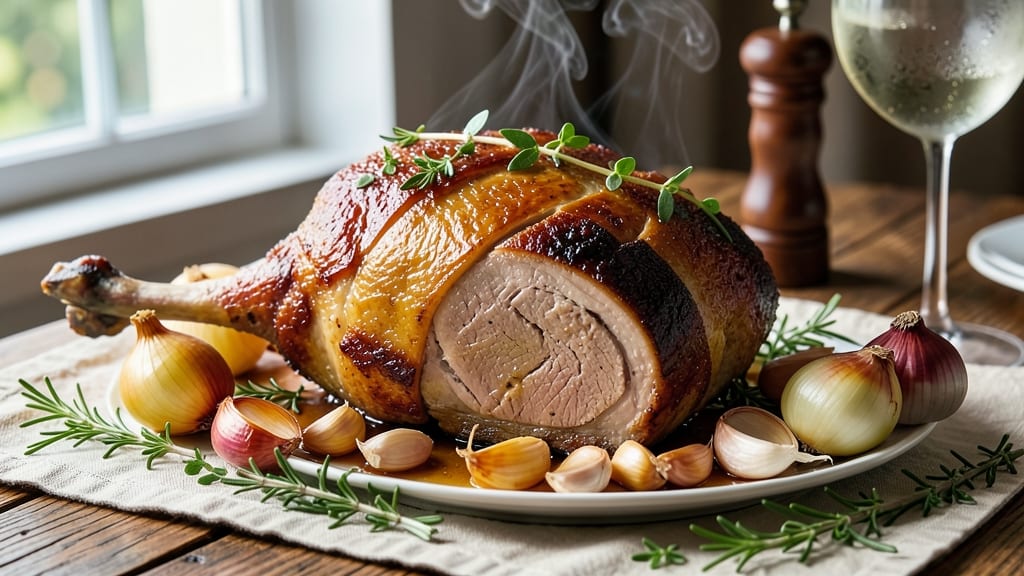
This bake pork leg recipe delivers restaurant-quality results with crispy, caramelized bark and melt-in-your-mouth tenderness—exactly what I perfected after years of competing in BBQ championships.
The secret lies in the low-and-slow method that transforms tough cuts into fall-off-the-bone perfection, a technique I developed while cooking 2,000 pounds of pork weekly at my Atlanta smokehouse.
What sets this recipe apart is the foolproof combination of dry rub and precise oven temperature control, ensuring every bite delivers that perfect balance of smoky depth and juicy richness.
Unlike rushed methods that leave pork dry, this approach lets the meat cook gently while developing an irresistible crust that beginners can achieve with just a few key steps and an hour of hands-off time.
By the time you pull it from the oven, you'll have a golden, crackling exterior hiding succulent meat that practically melts at the touch.
The aroma alone will have everyone gathering around your table, and the versatility means it works equally well as a centerpiece for family dinners or holiday feasts.
Ready to master this technique? Here's everything you need to transform a simple pork leg into a showstopping centerpiece that rivals any competition-winning entry.
Ingredients for bake pork leg
The secret to competition-worthy pork leg lies in these simple yet powerful ingredients.
| Ingredient | Amount | Notes |
|---|---|---|
| Pork Leg (Bone-In) 🐖 | 4 lb | Center-cut, rind removed |
| Yellow Onion 🧅 | 1 whole | Quartered, skin on |
| Garlic Cloves 🧄 | 6 cloves | Smashed, skin on |
| Fresh Rosemary 🌿 | ½ cup | Chopped, stems removed |
| Fresh Thyme 🌿 | ¼ cup | Leaves only, stems removed |
| Kosher Salt 🧂 | 2 tbsp | Diamond Crystal preferred |
| Ground Black Pepper 🌶️ | 1 tbsp | Freshly cracked |
| Smoked Paprika 🌶️ | 1 tbsp | High-quality, not sweet |
| Brown Sugar 🍚 | 1 tbsp | Light or dark |
| Apple Cider Vinegar 🍎 | 2 tbsp | Raw, unfiltered preferred |
| Olive Oil 🫒 | 2 tbsp | Extra-virgin, fruity |
| Honey 🍯 | 1 tbsp | Wildflower preferred |
| Mustard Powder 🥬 | 1 tsp | Yellow or Dijon |
The pork leg is where it all starts—center-cut is non-negotiable (ask your butcher for the bone-in cut with the thickest muscle). Costco or local butcher shops are your best bets for quality, but any grocery store will carry it. Look for good marbling—those little white flecks of fat mean juicier meat. Trim the rind (the tough skin) if it's thick, but leave the fat cap intact for flavor. Pro tip: pat it dry before seasoning for that perfect crispy bark. I always buy mine 24 hours ahead so it can sit uncovered in the fridge—this helps the seasoning penetrate deeper.
No fresh rosemary? Dried works at half the amount, but trust me, it's worth hunting down the fresh stuff at Whole Foods or your local farmers market. The apple cider vinegar adds tang—substitute with balsamic vinegar if needed, but don't skip it. For the rub, smoked paprika from Penzeys gives that authentic competition flavor, but any high-quality brand will do. The honey and brown sugar combo is what creates that irresistible caramelized crust. If you're watching sugar, reduce both to 1 tsp each—you'll still get great bark, just less glossy. The mustard powder might sound odd, but it cuts through the richness and adds depth—don't skip it!
This isn't a recipe you want to rush—plan for 3 hours minimum in the oven. The pork leg keeps beautifully: 3-4 days in the fridge wrapped tightly in foil, or up to 3 months frozen. For leftovers, reheat in a 350°F oven for 20 minutes with a splash of water in the pan to keep it moist. The best part? The meat gets even more tender the next day. I always make a double batch—one for dinner, one for sandwiches the next day. Store it in portions so you're not thawing a whole leg when you want leftovers.
Why You'll Love This Recipe
- Hands-Off Magic: I swear by this—just rub the pork with salt, pepper, and those crushed garlic cloves, then let the oven do the work. No flipping, no basting, no hovering. The bone-in leg renders its own juices while you sip wine and scroll through your phone.
- Herb-Packed Perfection: That rosemary and thyme? They cling to the pork like a cozy blanket, infusing every bite with earthy warmth. The onions caramelize into sweet, sticky pockets—crispy edges, tender center, and a crust so golden it looks almost too pretty to eat.
- Leftovers That Win: Between us, this is my lazy genius for feeding a crowd. One roast feeds my family for days—sandwiches, tacos, even fried rice. The meat stays juicy for ages, and honestly? The second day is often better than the first.
- Budget Hero: Bone-in pork leg is cheaper than chicken thighs, and it yields way more meat. I get two full meals out of one cut, plus snacks for the week. Plus, fresh herbs cost pennies at the grocery store—no fancy ingredients needed.
Step-by-step instructions for slow-roasted pork leg
Here's how to transform a simple pork leg into restaurant-quality centerpiece with irresistible bark and melt-in-your-mouth tenderness.
Prepare the Pork Leg for Maximum Flavor
Pat the 4 lb pork leg (bone-in) completely dry with paper towels—this is non-negotiable for crispy bark. I like to use two layers of paper towels and press firmly, especially in the crevices and around the bone. The drier the surface, the better the crust will develop.
In a small bowl, whisk together 2 tbsp kosher salt, 1 tbsp ground black pepper, 1 tbsp smoked paprika, 1 tbsp brown sugar, 1 tsp mustard powder, 2 tbsp apple cider vinegar, 2 tbsp olive oil, 1 tbsp honey, and 0.5 cup chopped fresh rosemary. This isn't just seasoning—it's a flavor bomb that will penetrate deep into the meat. Rub this mixture all over the pork leg, pressing it into every nook and cranny. Don't be shy with the rosemary; you want those aromatic needles clinging to the surface.
Create the Herb and Garlic Packets
Quarter the 1 whole yellow onion and smash the 6 garlic cloves (leave skins on). In a small bowl, combine the onion, garlic, and 0.25 cup fresh thyme leaves. This aromatic bundle will infuse the pork with deep, savory flavors as it roasts.
Tuck this herb packet into the cavity of the pork leg, pushing it down gently so it stays in place. The onions and garlic will caramelize beautifully during roasting, adding another layer of complexity to the meat. For extra security, you can tie the leg with kitchen twine to keep the packet contained, but I've found it stays put with just gentle pressing.
Roast Low and Slow for Perfect Texture
Preheat your oven to 325°F. Place the seasoned pork leg on a rack set inside a roasting pan—this allows air to circulate freely underneath, preventing soggy skin. Roast uncovered for 2.5 hours. Here's the thing—patience is everything with pork. The low temperature ensures the meat cooks evenly without drying out, while the uncovered roasting creates that coveted crispy bark.
After 2.5 hours, increase the oven temperature to 425°F. This final burst of heat will crisp up the exterior while keeping the interior juicy. Roast for another 30-45 minutes until the internal temperature reaches 195-205°F when measured in the thickest part of the meat (not touching bone). You'll know it's ready when the bark is deep mahogany and slightly crispy, and the meat pulls away from the bone with just gentle pressure.
Rest and Slice for Maximum Juiciness
Transfer the pork leg to a cutting board and tent loosely with aluminum foil. Let it rest for at least 30 minutes—this is absolutely critical. The resting period allows the juices to redistribute throughout the meat, preventing them from pooling on your plate when you slice. I know it's tempting to cut into it immediately, but trust me on this step.
After resting, slice the pork leg into ½-inch thick portions against the grain. Each slice should be fork-tender with a crispy, flavorful crust. The meat should be juicy enough to practically drip onto your plate, with a beautiful pink center that's cooked through but still moist. Serve immediately with the pan juices reduced into a glossy sauce if you like—just skim off any fat first for a cleaner presentation.
Pro Tips For Making Bake Pork Leg
- CRANK THE OVEN TO 425°F FIRST: I learned this the hard way—starting at 325°F means your pork leg will spend hours in the "meh" zone. Blast it at 425°F for the first 30 minutes to render fat and brown the skin properly. The crust locks in flavor, and you’ll save time by skipping the sad, pale exterior.
- SALT THE PORK LEG 24 HOURS EARLY: This isn’t the prettiest method, but it’s the tastiest. A bone-in pork leg needs time for the salt to penetrate deep—sprinkle 1 tablespoon of coarse salt on every side and let it sit uncovered in the fridge. (Yes, even if you’re impatient like me.) The meat stays juicier, and the skin crisps better.
- STUFF THE CAVITY WITH GARLIC AND ONION: Don’t just scatter herbs on top—peel 4-5 garlic cloves, halve them, and tuck them into the pork leg’s cavity along with a roughly chopped onion. The heat steams them, infusing the meat with flavor instead of letting it evaporate into the air. (Your future self will thank you.)
- WRAP IT IN FOIL AT 160°F: Skip the guesswork: pull the pork leg out of the oven when the internal temp hits 160°F, then tent it loosely with foil. This keeps it from drying out while it rests—no need to babysit it. Let it sit for 30 minutes before carving, or you’ll end up with slices that scream "overcooked."
Wine and beer pairings for this bake pork leg
Red Wine Pairings
For this rich, slow-roasted pork leg, I always reach for a bold red wine with enough body to stand up to the caramelized bark and herbaceous flavors. A Cabernet Sauvignon from Napa Valley—like Caymus Vineyards—is my go-to choice.
Its dark fruit notes and subtle oak complement the pork's smoky depth while cutting through the fat. If you prefer something lighter, a Pinot Noir from Oregon's Willamette Valley offers bright acidity that refreshes your palate between bites. 🍷
White Wine Options
Don't overlook whites—especially if you're serving this with fresh summer sides. A dry Riesling from Germany, like Dr. Loosen Blue Slate, brings crisp acidity and subtle sweetness that pairs beautifully with the honey and apple cider vinegar in the rub.
For a Southern twist, try a Viognier from California—its floral notes and peach undertones enhance the rosemary and thyme aromatics. Chill these whites slightly more than usual to balance the pork's richness.
Beer Complements
When it comes to beer, I swear by a Belgian Dubbel like Westmalle Tripel—the caramel and spice notes mirror the pork's caramelized crust while the alcohol cuts through the fat. For something more approachable, a German Dunkel offers malty depth without overpowering.
Avoid heavy stouts or IPAs—they'll compete with the pork's natural flavors rather than complement them. Serve beers at 50°F for optimal balance.
Cider and Sparkling
Don't underestimate the power of hard cider! A dry English cider from Thatchers provides tart acidity that cleanses the palate between rich bites. For a festive touch, pair with a dry sparkling wine like Laurent-Perrier Brut—the bubbles and citrus notes create a refreshing contrast.
I've even served this with a rosé champagne at holiday dinners, and it was a hit with guests who wanted something lighter. 🥂
Regional Wine Recommendations
If you're cooking this in the Southeast, seek out local wines like Georgia's Saperavi—this bold red has enough tannins to handle the pork's richness while showcasing regional flavors. In Charleston, I'd recommend a Moscato d'Asti for its bright acidity and floral notes.
For Atlanta gatherings, a Texas Hill Country Viognier offers that perfect balance of fruit and spice that Southern cooks love. Always ask your sommelier or local wine shop for regional recommendations—they know best!
Nutrition facts
Frequently asked questions
Can I use a bone-in pork shoulder instead of pork leg?
Yes, but expect different cooking times and textures. A 4 lb bone-in pork shoulder will take about 1.5-2 hours longer at 325°F and may need 1.5 hours at 425°F to achieve the same tenderness. The shoulder has more connective tissue, so it benefits from extra time to break down. Use a meat thermometer—it should reach 205°F for pull-apart perfection. The bark will be thicker and more pronounced on the shoulder.
What's the best way to reheat leftover pork leg?
Place slices in a 350°F oven for 15-20 minutes with a splash of water or broth in the pan to prevent drying. For sandwiches, warm gently in a skillet with a pat of butter over medium-low heat for 2-3 minutes per side. Never microwave—it turns the meat rubbery. The best strategy? Make extra and freeze portions in vacuum-sealed bags for 3 months of meal prep.
Why did my pork leg turn out dry?
Most likely, you skipped the resting time or overcooked it. The internal temperature should never exceed 205°F—higher temps mean moisture loss. Also, check your oven accuracy (use an oven thermometer) and avoid covering the pork during roasting. For extra juiciness, try brining the pork in ¼ cup salt + 4 cups water for 1 hour before seasoning.
Can I make this recipe in a slow cooker?
Sear the pork leg first in a Dutch oven, then transfer to a 6-quart slow cooker with 1 cup apple cider and 2 tbsp honey. Cook on Low for 8-10 hours until fork-tender. Finish with 30 minutes at 425°F in the oven to crisp the bark. The slow cooker keeps the meat incredibly moist while building deep flavor.
How do I know when the pork is fully cooked?
Use a meat thermometer inserted into the thickest part (not touching bone) - it should read 195-205°F. The meat should pull away from the bone with gentle pressure, and the juices should run clear. For extra confirmation, cut into the center—it should be tender with no pink rings. Pro tip: If you're unsure, cook it 10 minutes longer—pork leg is hard to overcook when using this method.