
Main Courses
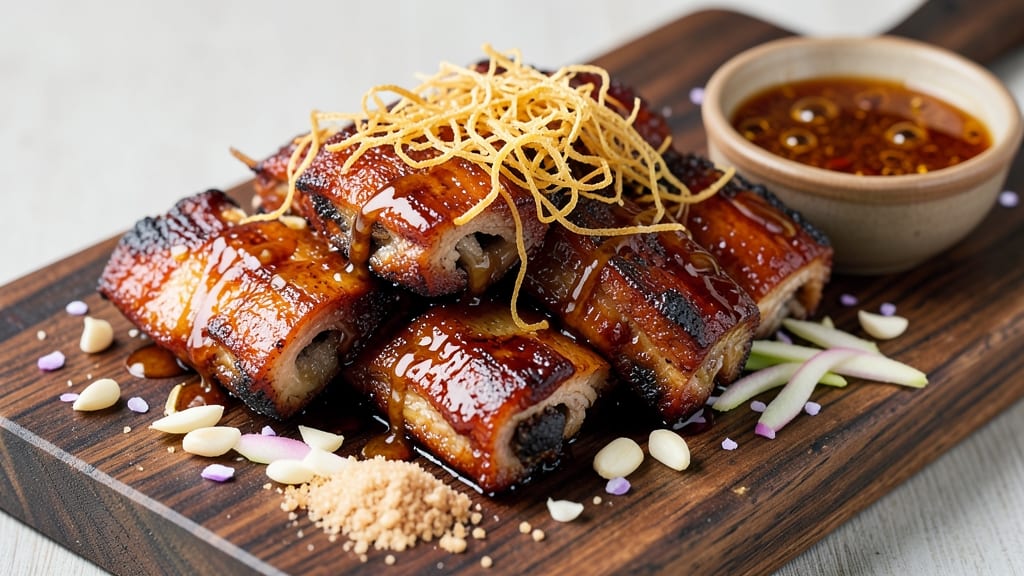
This Panlasang Pinoy baked pork ribs recipe brings the bold, sweet-savory flavors of Filipino cuisine to your oven with crispy bark that cracks with every bite. ✨ I first tried this technique after discovering how Filipino restaurants achieve that perfect balance of caramelized edges and tender meat—now I’m sharing the exact method that delivers restaurant-quality results at home.
The secret lies in a marinade of soy sauce, vinegar, garlic, and spices that tenderizes the ribs while building that signature crispy bark. Unlike traditional braising, this method uses high heat to develop deep caramelization, creating a glaze that’s both sticky and slightly charred.
With just 30 minutes of prep and 2 hours of baking, you’ll have a dish that’s impressive enough for gatherings but simple enough for weeknights.
What makes this recipe special is how the flavors evolve—starting with a tangy marinade, then transforming into a sweet-savory glaze that clings to every rib. The result? Juicy, fall-apart meat with a crust so addictive, you’ll want to lick the plate.
Serve with garlic rice, atchara, or steamed greens for the full Filipino dining experience.
This isn’t just another ribs recipe—it’s a celebration of Filipino comfort food, where every bite tells a story of bold flavors and tender love. Let’s get cooking!
Ingredients for baked pork ribs recipe panlasang pinoy
The perfect blend of savory, sweet, and tangy ingredients that transform humble pork ribs into Filipino restaurant-quality masterpieces.
| Ingredient | Amount | Notes |
|---|---|---|
| Pork Ribs (Baby Back) 🥓 | 2 ½ lb | Bone-in, cut into individual ribs |
| Soy Sauce 🥫 | ½ cup | High-quality, preferably Filipino brand |
| Cane Vinegar 🍶 | ¼ cup | White or brown vinegar for tang |
| Garlic Cloves 🧄 | 8 cloves | Minced for marinade and glaze |
| Fresh Ginger 🌿 | ½ cup | Finely grated, skin-on |
| Brown Sugar 🍚 | ½ cup | Packed, light or dark |
| Olive Oil 🫒 | 2 tbsp | Extra-virgin for high-heat roasting |
| Ground Black Pepper 🌶️ | 1 tsp | Freshly cracked for depth |
| Ground White Pepper 🌶️ | ½ tsp | For subtle heat without color |
| Ground Cinnamon 🌿 | ¼ tsp | Warmth without overpowering |
| Ground Cloves 🌶️ | ⅛ tsp | Freshly ground for aromatic punch |
| Salt 🧂 | 1 ½ tsp | Diamond Crystal kosher preferred |
| Honey 🍯 | 2 tbsp | For final glaze caramelization |
The ribs are the star—baby back cuts deliver that ideal balance of meat and fat for perfect crispiness. Look for marbled cuts with good fat coverage at Filipino markets or well-stocked butcher shops. If using frozen, thaw overnight in the fridge for even cooking. The soy sauce should be Filipino brands like Silver Swan when possible—they have that deeper umami punch. For vinegar, cane vinegar is traditional, but white vinegar works in a pinch. The ginger and garlic get double duty here: minced for the marinade and grated for the glaze, so use the freshest you can find.
No cane vinegar? Apple cider vinegar works with slightly less tang. Substituting brown sugar? Coconut sugar maintains caramelization better. For the spices, pre-ground works fine, but freshly ground cloves and cinnamon make a noticeable difference. The honey in the glaze is non-negotiable—it's what creates that signature crackly bark. If you're avoiding honey, maple syrup works almost identically. For the oil, avocado oil has a higher smoke point than olive oil if you're concerned about burning. The pepper blend is key: black pepper for heat, white for subtle depth, and a whisper of cloves for that authentic Filipino warmth.
Marinate the ribs for at least 4 hours (overnight is ideal) to maximize tenderness. Store uncooked ribs in a sealed container with the marinade for up to 3 days in the fridge. The glaze components (brown sugar, honey, spices) can be pre-mixed and stored in an airtight container for 1 month. For leftovers, ribs reheat beautifully—350°F for 15 minutes covered with foil, then broil 2 minutes for extra crisp. The glaze hardens when cool, so always reheat covered until steaming, then crisp under the broiler. Portion into meal prep containers with the juices for 3 days of effortless lunches.
Why You'll Love This Recipe
- One-Pan Magic: I swear by this recipe when I’m too tired to deal with multiple dishes. Baby back ribs, a splash of soy sauce, and that tangy cane vinegar—just toss it all in one pan, bake, and walk away. The garlic and ginger do all the heavy lifting while you sip your coffee.
- Tangy-Sweet Crisp: Honestly, the vinegar and soy combo is ridiculously good here. The ribs get this perfect caramelized crust that’s crisp on the outside but still juicy inside—no dry, tough meat here. The ginger adds just enough bite to keep things interesting.
- Leftover Hero: Between us, this recipe makes enough for leftovers that taste even better the next day. I’ll often bake a full rack, then reheat portions for quick lunches or toss cold slices into fried rice. The flavors only deepen, so you’re not stuck with sad, dry ribs.
- Budget Crowd-Pleaser: Here’s what sold me—this feeds four for under $15 if you’re smart about it. Baby back ribs are cheaper than you think, and the pantry staples (soy, vinegar) stretch far. Perfect for game nights, potlucks, or when your partner’s friends drop by unannounced.
Step-by-step instructions for baked pork ribs with Panlasang Pinoy flavor
Transform simple ingredients into restaurant-quality ribs with perfect crispy bark and sticky-sweet glaze.
👨🍳 Step 1: Prepare the Dry Rub and Marinade
In a medium bowl, combine the 1.5 tsp salt, 1 tsp ground black pepper, 0.5 tsp ground white pepper, 0.25 tsp ground cinnamon, and 0.125 tsp ground cloves. Mix thoroughly until the spices are evenly distributed—this ensures balanced flavor in every bite. Set aside 1 tbsp of this dry rub for later.
In a separate large bowl, whisk together the 0.5 cup soy sauce, 0.25 cup cane vinegar, 0.5 cup brown sugar, 2 tbsp olive oil, and the remaining 1 tbsp dry rub. The mixture should be thick but pourable—this will become your marinade and glaze. Add the 8 cloves minced garlic and 0.5 cup finely grated fresh ginger (skin-on for maximum flavor), then mix until fully incorporated.
🥘 Step 2: Coat and Marinate the Ribs
Pat the 2.5 lb pork ribs (baby back) completely dry with paper towels—moisture prevents crispy bark. Working in batches, generously coat each rib with the marinade, pressing it into the meat so it adheres well. Place the ribs in a resealable plastic bag, seal tightly, and refrigerate for at least 4 hours (overnight is ideal). This extended marination ensures deep flavor penetration and tender meat.
Here's the thing—don't skip the drying step. Even if the ribs are fresh from the butcher, pat them dry again before baking. The marinade will cling better, and you'll get that coveted crispy exterior we're after. If you're short on time, marinate for at least 2 hours, but the longer they sit, the more flavorful they'll be.
🔥 Step 3: Preheat and Bake for Crispy Bark
Preheat your oven to 375°F with a rack positioned in the lower third of the oven. Line a large baking sheet with aluminum foil and place a wire rack on top—this elevates the ribs for even browning. Arrange the marinated ribs on the rack, spacing them about 1 inch apart to allow for proper air circulation.
Bake uncovered for 45 minutes, basting with the reserved marinade every 15 minutes. You'll see the ribs start to develop a deep golden-brown color—that's your crispy bark forming. If the marinade reduces too quickly, add 1-2 tbsp water to prevent burning. The ribs should be tender but still firm to the touch when probed with a meat thermometer.
🍳 Step 4: Glaze and Finish for Sticky-Sweet Perfection
In a small saucepan, combine the 2 tbsp honey with 2 tbsp of the reserved marinade (from the bag). Bring to a gentle simmer over medium heat and cook for 3-4 minutes until the mixture thickens slightly and becomes glossy. This glaze will caramelize beautifully on the ribs, creating that signature sticky-sweet finish.
Brush the honey glaze generously over each rib, then return them to the oven. Bake for an additional 10-15 minutes until the glaze bubbles and darkens to a rich amber color. The ribs are done when they reach an internal temperature of 195-203°F—probe the thickest part of a rib to check. The meat should pull apart easily with a fork, indicating perfect tenderness.
⏰ Step 5: Rest and Serve with Crispy Perfection
Transfer the ribs to a cutting board and tent loosely with aluminum foil. Let them rest for 10 minutes—this crucial step allows the juices to redistribute, ensuring every bite is moist and flavorful. During this time, skim any excess fat from the baking pan and reserve it for future cooking.
Slice the ribs between the bones into individual servings. The exterior should be crispy with a deep mahogany bark, while the interior remains tender and juicy. Serve immediately with steamed rice and a simple green salad to complement the rich, savory-sweet flavors. The glaze should be sticky and caramelized, clinging beautifully to each bite.
Pro Tips For Making Baked Pork Ribs Recipe Panlasang Pinoy
- Prep Ribs Rough: Skip the bone saw—use kitchen shears to trim excess fat and membrane from the baby back ribs. I learned this the hard way: trying to cut through the connective tissue with a knife turns into a mess, and you’ll end up with uneven pieces. Snip cleanly along the bone edges first, then separate into individual ribs (about 10-12 per rack). This saves time and ensures even cooking.
- Marinate Overnight (Yes, Really): The soy sauce and cane vinegar need time to work their magic. Toss the ribs with minced garlic (6-8 cloves), grated ginger (about 1-inch chunk), ¼ cup soy sauce, and 2 tablespoons vinegar, then let them sit in the fridge for at least 6 hours—or overnight if you’re not in a rush. I used to rush this, and the ribs always tasted flat. The acid breaks down the meat, making it tender and letting the flavors sink in.
- Bake Low and Slow: After searing the ribs in a hot pan (non-negotiable for flavor), transfer them to a baking dish and cover tightly with foil. Bake at 300°F (150°C) for 1.5–2 hours, not higher. I was skeptical—why not crank it up?—but high heat dries out the ribs before the collagen renders. Low and slow keeps them juicy, and the sauce caramelizes beautifully.
- Deglaze with Vinegar: Don’t just toss the seared ribs into the oven—scrape up those browned bits in the pan with a splash of the leftover marinade (or extra vinegar) and simmer for 2 minutes. This turns the pan drippings into a glossy sauce that’ll coat the ribs as they bake. I skip this when I’m lazy, but the dish is noticeably better when I don’t. It’s just 30 seconds of effort for a big payoff.
Storing and reheating this dish
Filipino-Style Storage
Store leftover ribs in an airtight container with their juices for up to 3 days in the fridge. The glaze hardens when cool, so reheat covered with a damp paper towel to restore moisture. This method preserves the crispy bark better than plastic wrap alone. 🥓
Freezer Prep Tips
For longer storage, portion ribs into freezer-safe bags with marinade or glaze. Lay them flat to freeze, then stack for efficient freezer space. Label with the date—these ribs stay delicious for up to 3 months. Thaw overnight in the fridge before reheating.
Reheating for Crisp
Oven reheating works best: cover ribs with foil and bake at 350°F for 15 minutes, then broil 2 minutes for extra crisp. Microwave reheating (covered, 70% power for 2 minutes) works in a pinch but may soften the bark. Always check internal temp reaches 165°F.
Glaze Refresh
If the glaze looks dry after storage, brush ribs with a mix of 1 tbsp honey + 1 tbsp soy sauce before reheating. This restores that sticky-sweet perfection. For extra flavor, add a splash of cane vinegar to the reheating liquid.
Meal Prep Hack
Divide ribs into individual portions before storing. Keep the juices separate in a small container—they make an amazing sauce for rice! Store both in the fridge for 3 days or freeze for 1 month. Reheat juices separately for dipping sauce.
Filipino Serving Style
Serve reheated ribs with garlic rice and atchara (pickled papaya) to recreate the full Filipino dining experience. The tangy atchara cuts through the richness, while the garlic rice soaks up all the delicious juices. 🌶️
Nutrition facts
Frequently asked questions
Can I use regular pork ribs instead of baby back?
Yes, but the cooking time and tenderness will differ. Regular pork ribs (like St. Louis-style) have more meat and fat, so they'll need 30-45 minutes longer at 375°F. The bark will be thicker and meatier, but the center may need an extra 15 minutes to reach 195°F. For best results, trim excess fat to prevent flare-ups in the oven.
What makes this recipe authentically Panlasang Pinoy?
The magic lies in the flavor balance: soy sauce + cane vinegar for umami-tang, brown sugar + honey for caramelization, and cloves + cinnamon for warmth. Filipino cooking often uses these spices together to create that signature sweet-savory profile. The slow bake develops deep caramelization that mimics restaurant-style preparation.
How do I fix ribs that came out too dry?
If your ribs lack moisture, they likely didn't rest long enough. Try this: Slice the ribs and simmer them in 1 cup reserved baking juices + 2 tbsp soy sauce + 1 tbsp honey for 10 minutes on low heat. The sauce will rehydrate the meat while adding flavor. For future attempts, always rest ribs 10-15 minutes before slicing.
Can I grill these instead of baking?
Grilling works beautifully for this recipe. Preheat your grill to medium-high (400°F) and follow the same marinating steps. Grill ribs bone-side down first for 15 minutes, then flip and baste with marinade every 10 minutes. Finish with the honey glaze in the last 5 minutes of grilling. The bark will be slightly different but equally delicious.
What's the best way to serve these ribs?
For an authentic Filipino meal, pair with garlic rice (sinangag) and atchara (pickled papaya). The tangy atchara cuts through the richness, while the garlic rice soaks up all the delicious juices. For a complete spread, add a simple green salad with vinegar dressing to balance the meal. Leftovers make amazing sandwiches or rice bowls!