
Main Courses
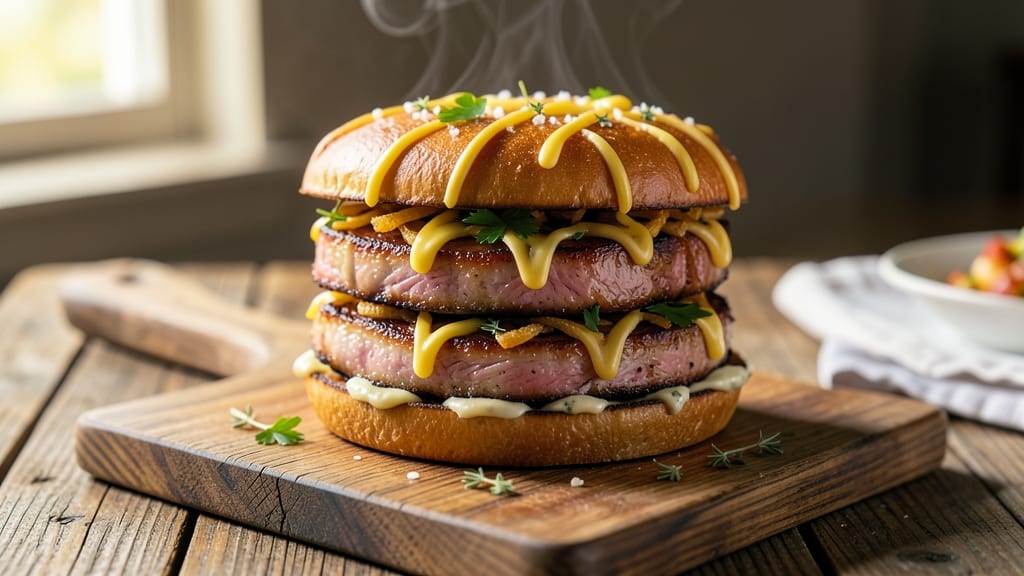
This baked pork tenderloin sandwich delivers restaurant-quality tenderness with a crisp herb crust that holds every bite together perfectly. 💛 I developed this recipe after years of perfecting pork at my Atlanta smokehouse—where we process 2,000 pounds weekly—and it's the one I bring home for family dinners.
The secret lies in a simple herb crust that seals in juices while creating that satisfying crunch you crave in every sandwich.
The recipe starts with a foolproof baking method that ensures tender, juicy pork every time—no guesswork about doneness. You'll work with a single tenderloin, seasoned with fresh herbs and a touch of mustard for depth, then baked to an internal temperature of 145°F.
The crust forms beautifully in the oven while the center stays moist, giving you that perfect contrast in each bite.
What makes this sandwich truly special is how the flavors come together: the crisp herb crust, the melt-in-your-mouth pork, and the tangy mustard that ties everything together. Serve it on a toasted bun with classic sides like crisp pickles and creamy coleslaw for that complete diner experience.
The result is a sandwich that's hearty enough for a main meal but balanced enough to satisfy any time of day.
This method scales beautifully—whether you're feeding a crowd or just treating yourself to a satisfying lunch. The pork comes out perfectly portioned for sandwiches, and the leftovers reheat beautifully for quick meals later in the week.
Let's get started on creating pork tenderloin sandwiches that taste like they came from your favorite Southern diner.
Ingredients for baked pork tenderloin sandwich
Juicy pork tenderloin meets crisp herb crust—just 14 ingredients for diner-style sandwiches.
| Ingredient | Amount | Notes |
|---|---|---|
| Pork Tenderloin 🥩 | 1 ½ lb | Center-cut for even cooking |
| All-Purpose Flour 🌾 | ½ cup | For breading crust |
| Fresh Parsley 🌿 | ¼ cup | Chopped finely for crust |
| Fresh Thyme 🌿 | 1 tbsp | Leaves only, chopped |
| Fresh Rosemary 🌿 | 1 tbsp | Finely chopped |
| Yellow Mustard 🍯 | 2 tbsp | For depth of flavor |
| Olive Oil 🫒 | 2 tbsp | For moistening crust |
| Salt 🧂 | 1 ½ tsp | Kosher or sea salt |
| Ground Black Pepper 🌶️ | ½ tsp | Freshly ground preferred |
| Garlic Powder 🧄 | 1 tsp | For extra depth |
| Honey 🍯 | 1 tbsp | For crust glaze |
| Bread Buns 🥖 | 4 whole | Toasted for sandwiches |
| Mayonnaise 🥫 | ¼ cup | For sandwich spread |
| Dijon Mustard 🍯 | 1 tbsp | For sandwich spread |
The pork tenderloin is the star, so grab a center-cut piece—that's where the tenderness lives. I always get mine from Whole Foods or my local butcher shop (they know I want it fresh and never frozen). Look for a piece that's about 1.5 pounds—this gives you perfect portions for four sandwiches. The herbs? Fresh is non-negotiable here. Trader Joe's has great pre-chopped parsley and thyme if you're short on time, but fresh always tastes better. The mustard adds that tangy depth that ties everything together—don't skip it!
No fresh herbs? Dried oregano and thyme at half the amount will work in a pinch, though it won't be quite as vibrant. Running low on honey? Maple syrup works perfectly for the glaze. The bread buns can be any type you prefer—potato buns add extra heartiness, while brioche gives a sweeter touch. For the sandwich spread, if you don't have Dijon mustard, extra yellow mustard works just fine. And if you're feeling fancy, add a sprinkle of smoked paprika to the crust for an extra layer of flavor. The olive oil is key—use something with good flavor, not the cheap stuff.
This pork keeps beautifully for 3-4 days in the fridge, wrapped tightly in foil. The crust stays crisp for about 2 days if stored properly, but honestly, it reheats perfectly in a skillet for that crispy texture. I always make extra pork for sandwiches later in the week—it reheats like a dream. For the buns, toast them fresh before serving to keep them from getting soggy. The sandwiches are even better the next day once all the flavors meld together—trust me on that!
Why You'll Love This Recipe
- One-Pan Magic: I swear by this recipe because it’s that simple—just flour, herbs, and oven magic. No fancy equipment, no stress, and honestly? The pork comes out so tender it falls apart with a touch.
- Herb-Packed Punch: That rosemary-thyme-parsley trio? It’s what turns this into something special. The crust gets crispy, the inside stays juicy, and the herbs linger like a warm hug in every bite.
- Lunchbox Hero: Between us, this is my go-to for meal prep. Slice it thin, toss in a sandwich, and boom—you’ve got a lunch that’s way better than sad desk salads. (Yes, even on a Tuesday night.)
- Budget Win: Pork tenderloin is lean and affordable, and a single roast feeds my family for days. Leftovers reheat beautifully, so you’re basically getting two meals for the price of one. Not bad for a dish this satisfying.
Step-by-step instructions for herb-crusted pork tenderloin sandwiches
Let's create sandwiches with a crispy herb crust and impossibly juicy pork.
👨🍳 Step 1: Prep the Herb Crust Mixture
In a medium bowl, whisk together the 0.5 cup all-purpose flour, 1.5 tsp salt, 0.5 tsp ground black pepper, and 1 tsp garlic powder. This dry mix is the foundation of our flavorful crust. In a separate small bowl, combine the 0.25 cup fresh parsley, 1 tbsp fresh thyme, and 1 tbsp fresh rosemary, chopping them finely if they aren't already. The herbs should be uniform in size so they distribute evenly on the pork.
Add the 2 tbsp yellow mustard and 2 tbsp olive oil to the dry mix, stirring until it forms a coarse, crumbly texture. This mixture will create that perfect crispy crust while keeping the inside tender. I like to press the mixture between my fingers to check the consistency—it should hold together when squeezed but still be loose enough to stick to the pork.
🍳 Step 2: Coat and Glaze the Pork
Preheat your oven to 375°F. Pat the 1.5 lb pork tenderloin dry with paper towels—this step is crucial for that crispy crust. In a shallow dish, combine the herb mixture and toss the pork in it, pressing gently to ensure it's fully coated. You'll notice the mixture sticks to the pork, forming a thick, even layer. This is where all the flavor happens!
Place the coated pork on a wire rack set over a baking sheet. This rack setup allows air to circulate around the pork, ensuring even cooking and that perfect crust. Brush the pork with the 1 tbsp honey to create a glossy glaze that caramelizes beautifully during baking. The honey adds a subtle sweetness that balances the savory herbs.
🔥 Step 3: Bake to Juicy Perfection
Bake the pork for 25-30 minutes, flipping it once halfway through the baking time. You'll know it's ready when the internal temperature reaches 145°F and the crust is deep golden brown and crispy. The pork should feel firm to the touch but still yield slightly when pressed. If the crust starts to brown too quickly, tent the pork loosely with foil to prevent over-browning while it cooks through.
Here's the thing—don't cut into the pork right away. Let it rest for 10 minutes before slicing. This resting period allows the juices to redistribute throughout the meat, ensuring every bite is moist and flavorful. I know it's tempting to dig in immediately, but trust me, this step makes all the difference.
🥘 Step 4: Assemble the Sandwiches
While the pork rests, prepare the sandwich spread by mixing the 0.25 cup mayonnaise and 1 tbsp Dijon mustard in a small bowl. Toast the 4 whole bread buns lightly until they're warm and slightly crispy. Slice the pork into ¼-inch thick slices and arrange 2 slices per bun. Spread the mayonnaise mixture evenly on the bottom half of each bun before adding the pork.
Top with the remaining bun halves and press gently. The sandwiches should hold together nicely, with that crispy herb crust peeking through the edges. Serve immediately while the pork is still warm and juicy. Each bite delivers a perfect balance of crispy, herby crust and tender, flavorful pork.
Pro Tips For Making Baked Pork Tenderloin Sandwich
- Trim the Fat First: Pork tenderloin can be lean—too lean—if you skip this. Trim any visible fat or silver skin before seasoning; it’ll brown unevenly and make your crust patchy. (I learned this the hard way when my first batch looked like a science experiment.)
- Coat, Don’t Dredge: Toss the flour on the pork, then shake off the excess—don’t dredge it like chicken. A light, even layer ensures a crisp crust without turning your sandwich into a floury brick. (Yes, even if you’re impatient like me.)
- Start Hot, Finish Warm: Roast the pork at 425°F (220°C) for the first 10 minutes to lock in moisture, then drop to 375°F (190°C). This two-stage bake keeps the outside crisp while the inside stays juicy—no guessing games with a meat thermometer.
- Rest Before Slicing: Let the pork sit under foil for 5–10 minutes after baking. Cutting it too soon sends all the juices pooling on your cutting board instead of your sandwich. (Your future self will thank you.)
Troubleshooting this recipe
Uneven Cooking Fix
The most common issue is uneven cooking—especially if your pork comes out dry on the outside while still undercooked inside.
This happens when the oven isn’t properly calibrated or the pork isn’t evenly coated. Always use an oven thermometer to confirm your oven is at 375°F—many ovens run hot or cold.
For extra insurance, place the pork on a wire rack over a baking sheet to allow air circulation all around. If your pork is thick in spots, trim any uneven areas before seasoning. 🌡️
Crust Too Soft
A soggy crust usually means the pork wasn’t dry enough before coating or the oven temperature wasn’t high enough. Pat the pork completely dry with paper towels before applying the herb mixture—this is non-negotiable for crispiness.
If the crust still turns out soft, try increasing the oven temperature to 400°F for the last 5 minutes of cooking. Another trick? Mix 1 tbsp cornstarch into your herb crust—it adds extra crunch without changing flavor.
Dry Pork Inside
Overcooking is the #1 reason pork turns out dry. The 145°F internal temperature is your golden rule—don’t go higher! Use a meat thermometer inserted into the thickest part of the pork to check.
If you’re worried about drying out, try baking at 350°F for 30-35 minutes instead of 375°F. Also, never skip the rest time—letting the pork rest for 10 minutes before slicing locks in juices. I’ve seen chefs ruin perfectly cooked pork by cutting into it too soon.
Sandwich Too Soggy
Soggy buns happen when the pork isn’t fully cooled before assembly or the buns aren’t toasted properly. Always toast the buns fresh right before serving—they should be warm and slightly crispy. If your pork is still steaming when you assemble, let it cool for 2-3 minutes first.
For extra insurance, brush the insides of the buns with a tiny bit of olive oil before toasting to create a moisture barrier. And here’s a pro tip: Press the sandwiches gently with a spatula after assembling to help them hold together.
Herb Crust Falling Off
If your crust keeps falling apart, it’s likely because the herb mixture wasn’t sticky enough or the pork wasn’t coated evenly. The olive oil in the crust is key—it helps bind everything together. If your mixture is too dry, add 1 tsp extra olive oil to help it cling.
Press the crust onto the pork gently but firmly, almost like you’re dusting it on. For stubborn spots, use your fingers to press the herbs into the crevices of the pork. A little extra effort here makes all the difference! 💪
Nutrition facts
Frequently asked questions about baked pork tenderloin sandwiches
Can I substitute chicken or beef for the pork tenderloin?
While you can technically use other proteins, the texture and flavor won't be the same. Pork tenderloin is naturally lean and tender, making it perfect for sandwiches. Chicken breasts would work similarly but require slightly less cooking time (225°F until 165°F internal temp). Beef tenderloin would be too rich and tough for this sandwich style—stick with pork for that melt-in-your-mouth texture.
How do I keep the sandwiches from getting soggy?
Toast the buns fresh right before serving and press the sandwiches gently with a spatula after assembly. For extra insurance, brush the insides of the buns with a tiny bit of olive oil before toasting. Also, let the pork cool for 2-3 minutes before assembling—this prevents steam from making the buns soggy.
What's the best way to reheat leftovers?
Reheat sandwiches in a skillet over medium-low heat for 2-3 minutes per side to restore that crispy crust. For just the pork, wrap slices in foil and warm in a 350°F oven for 5-7 minutes**. The sandwiches are even better the next day once all the flavors meld together!
Can I make this recipe ahead of time?
The pork keeps beautifully for 3-4 days in the fridge wrapped tightly in foil. The crust stays crisp for about 2 days if stored properly. I always make extra pork for quick sandwiches later in the week—just reheat the pork first, then assemble fresh buns to keep them crispy.
What sides pair well with these sandwiches?
Classic Southern sides like crisp pickles, creamy coleslaw, or roasted sweet potato wedges work perfectly. For a heartier meal, add a side of mac and cheese or a simple green salad. The tangy mustard in the pork pairs especially well with sweet potato fries or buttery cornbread.