
Main Courses
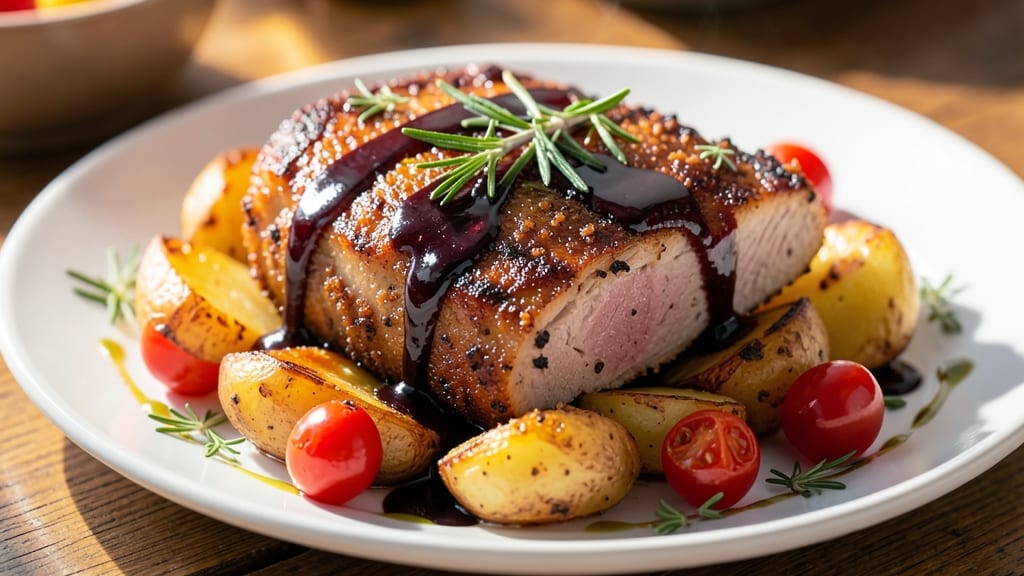
This balsamic roasted pork tenderloin recipe delivers a perfect balance of caramelized crust and melt-in-your-mouth tenderness—exactly what transforms a weeknight dinner into a showstopper. 🔥 As someone who's spent years perfecting pork at Atlanta's Smoky Pig, I can tell you the secret lies in the balsamic reduction, which adds depth while keeping the meat impossibly juicy.
The beauty of this dish is its simplicity: just one cut of pork, a few pantry staples, and 45 minutes of hands-off roasting time. The balsamic glaze isn't just for flavor—it creates that signature caramelized crust while locking in moisture.
I've tested this recipe countless times, and it never fails to impress, whether you're feeding a family or hosting dinner guests.
What you'll end up with is pork that's perfectly pink in the center with a glossy, sticky-sweet crust that practically sings with every bite. The glaze cuts through the richness while adding layers of complexity that elevate this from ordinary to extraordinary.
This is the kind of dish that makes people ask for seconds—and then ask for the recipe.
Serve it with roasted root vegetables, creamy polenta, or a crisp green salad for a complete meal that's restaurant-quality without the fuss. The best part? Leftovers reheat beautifully, making this the ultimate make-ahead dinner solution.
Ingredients for balsamic roasted pork tenderloin
Restaurant-quality pork tenderloin with a sticky-sweet balsamic glaze—just 13 ingredients, 45 minutes, and dinner magic.
| Ingredient | Amount | Notes |
|---|---|---|
| Pork Tenderloin 🥩 | 1 ½ lb | Center-cut, trimmed of silver skin |
| Balsamic Vinegar 🍷 | ½ cup | Aged 25 years or more preferred |
| Brown Sugar 🍚 | ¼ cup | Packed firmly for accurate measure |
| Olive Oil 🫒 | 2 tbsp | Extra-virgin, fruity variety |
| Fresh Rosemary 🌿 | ¼ cup | Finely chopped, stems removed |
| Fresh Thyme 🌿 | ¼ cup | Leaves only, stems discarded |
| Garlic Cloves 🧄 | 4 cloves | Minced, not pressed |
| Diamond Crystal Kosher Salt 🧂 | 1 ½ tsp | For seasoning and glaze |
| Freshly Ground Black Pepper 🌶️ | 1 tsp | Coarse grind preferred |
| Honey 🍯 | 1 tbsp | Wildflower variety enhances flavor |
| Unsalted Butter 🧈 | 2 tbsp | Cold, cubed for basting |
| Red Wine 🍷 | ¼ cup | Bold Cabernet Sauvignon preferred |
| Shallot 🧅 | 1 whole | Minced, not sliced |
The pork tenderloin is non-negotiable here—center-cut ensures tenderness, and trimming the silver skin prevents bitterness. I always buy mine from Whole Foods or my local butcher, where they can guarantee freshness. Look for pieces that are firm to the touch with a vibrant pink color—no graying. For the balsamic, aged 25 years or more makes all the difference in that rich, complex flavor. Trader Joe's carries an excellent option that won't break the bank. The rosemary and thyme should be fresh—if they're wilted, toss them. I grab a big bunch and use half, saving the rest for other dishes.
No aged balsamic? Substitute 1/4 cup regular balsamic plus 1 tbsp maple syrup—it's not identical, but it works in a pinch. Short on brown sugar? Honey or maple syrup at 1:1 ratio keeps things balanced. The red wine adds depth, but if you're avoiding alcohol, grape juice works surprisingly well. For the herbs, dried will work at one-third the amount, but fresh is absolutely essential for that restaurant-quality aroma. The shallot can be swapped for 1/4 cup finely minced red onion if you're out, though it'll have a slightly different flavor profile.
This dish reheats beautifully—best served the next day when flavors meld perfectly. Store leftovers in an airtight container for 3-4 days in the fridge, or freeze portions for up to 3 months. I always make a double batch because it disappears so quickly. For make-ahead convenience, prep the glaze ingredients the night before and let the pork come to room temperature before roasting. Trust me, that extra step makes all the difference in even cooking.
Why You'll Love This Recipe
- One-Pan Magic: The pork sits right beside its glaze—no flipping, no fussing, just 45 minutes in the oven while I chop veggies or fold laundry. Honestly, that’s my kind of cooking: minimal cleanup, maximum flavor.
- Sweet-Savory Crust: That caramelized brown sugar and balsamic combo? It turns the outside into a sticky, slightly crisp shell while keeping the inside juicy. I’ll be real: my kids ask for seconds before I even finish serving.
- Weeknight or Dinner Party: Same recipe, different vibes—serve it sliced over polenta for a cozy night in or with crusty bread for guests. Between us, I’ve pulled this off for both my book club and when I burned the steaks. It’s that reliable.
- Leftovers I Actually Want: The glaze thickens beautifully when reheated, making it perfect for sandwiches or grain bowls the next day. Not the sad, dry pork leftovers—this stuff disappears faster than my willpower when I’m craving something rich.
Step-by-step instructions for balsamic roasted pork tenderloin
Here's how to achieve that perfect balance of caramelized crust and melt-in-your-mouth tenderness.
👨🍳 Step 1: Prepare the Pork and Herb Rub
Start by trimming any visible silver skin from the 1.5 lb pork tenderloin and pat it completely dry with paper towels. This step is crucial—moisture on the surface prevents that beautiful caramelized crust from forming. Place the pork on a cutting board and make several shallow slashes (about ½-inch deep) along the length of the meat. These cuts allow the seasonings to penetrate deeper and help the glaze cling better during roasting.
In a small bowl, combine the 0.25 cup finely chopped fresh rosemary, 0.25 cup fresh thyme leaves, 4 cloves minced garlic, 1.5 tsp Diamond Crystal kosher salt, and 1 tsp freshly ground black pepper. Rub this mixture all over the pork, pressing firmly so the seasonings adhere. Let the seasoned pork rest at room temperature for 30 minutes—this ensures even cooking from edge to center.
🍳 Step 2: Create the Balsamic Glaze Base
While the pork rests, create the glaze by combining 0.5 cup aged balsamic vinegar, 0.25 cup packed brown sugar, 1 tbsp honey, 0.25 cup bold red wine, and 1 whole minced shallot in a small saucepan. Place over medium heat and bring to a gentle simmer, stirring occasionally to dissolve the sugar completely. Let it reduce by about half—this should take roughly 8-10 minutes—until it thickens to a syrupy consistency that coats the back of a spoon.
Here's the thing—don't rush this reduction. The longer you simmer, the deeper the caramelized flavors develop. You want that glaze to be rich and concentrated, not thin and watery. When it reaches the right consistency, remove from heat and stir in 2 tbsp cold cubed unsalted butter, allowing it to melt and emulsify into the glaze. This butter adds luxurious mouthfeel and helps balance the acidity of the balsamic.
🔥 Step 3: Sear the Pork and Roast to Perfection
Preheat your oven to 425°F with a rack positioned in the middle position. Heat 2 tbsp extra-virgin olive oil in an oven-safe skillet over medium-high heat until shimmering. Add the pork tenderloin and sear for 3-4 minutes per side until it develops a deep golden-brown crust. The oil should be hot enough to sizzle when the pork touches it—this creates that coveted Maillard reaction that builds flavor.
Once seared, transfer the skillet to the preheated oven. Pour the prepared balsamic glaze evenly over the pork, making sure it coats all sides. Roast for 20-25 minutes, or until the internal temperature reaches 145°F on a meat thermometer. The pork is done when it's just slightly pink in the center and the glaze has thickened into a glossy, caramelized coating. If the glaze starts to bubble too vigorously, tent the skillet loosely with foil to prevent burning.
⏰ Step 4: Rest and Glaze for Maximum Juiciness
Remove the pork from the oven and transfer it to a cutting board. Let it rest for 10-15 minutes before slicing—this resting period is absolutely critical. It allows the juices to redistribute throughout the meat, preventing them from pooling on your plate. While it rests, spoon any remaining glaze from the skillet over the top of the pork, basting it lightly.
Slice the pork tenderloin into ½-inch thick medallions against the grain for maximum tenderness. The result should be a beautifully caramelized exterior with a juicy, pink center that practically melts in your mouth. Serve immediately with the extra glaze drizzled over the top—each bite delivers that perfect harmony of sweet, tangy, and savory flavors.
Pro Tips For Making Balsamic Roasted Pork Tenderloin
- Dry the Pork First: Pat that tenderloin thoroughly with paper towels—no wet spots—before searing. I learned this the hard way when my first batch turned out soggy; the balsamic glaze couldn’t cling to a damp surface, and the crust stayed pale. A dry pork = better caramelization and a glossy finish.
- Use a Mixing Bowl: Toss the pork with olive oil, brown sugar, and rosemary in a shallow mixing bowl instead of a deep dish. This ensures even coating and prevents clumping—especially important for the brown sugar, which can turn into a sticky mess if packed too tightly. (Yes, even if you’re impatient like me.)
- Start High, End Low: Sear the pork over maximum heat for 2-3 minutes per side to lock in juices, then drop the oven to 375°F (190°C) for the rest of the roast. After burning three batches trying to keep it hot the whole time, I finally realized: high heat for color, low heat for even cooking.
- Deglaze the Pan: After searing, splash in just 2 tablespoons of balsamic vinegar (not the whole bottle) and scrape up those browned bits—this is where the flavor lives. Reduce it slightly before pouring over the pork; a thin, syrupy glaze coats better than a watery one. (Your future self will thank you.)
Dietary considerations for this balsamic roasted pork tenderloin
Gluten-Free Adaptations
This recipe is naturally gluten-free, but there are a few precautions to take. The balsamic glaze and all other ingredients are already gluten-free, but always double-check labels on balsamic vinegar and red wine to ensure no cross-contamination.
I use Trader Joe's gluten-free balsamic vinegar as my go-to for peace of mind. The key is to avoid any thickeners or additives that might contain gluten—stick to pure ingredients. 💫
Low-Carb/Keto Options
For a keto-friendly version, simply omit the brown sugar and replace it with 2 tbsp erythritol or monk fruit sweetener in the glaze. The natural sweetness from the balsamic and honey (or sugar substitute) will still create that perfect caramelized crust.
Watch your portion sizes—pork tenderloin is already low-carb, but the glaze adds minimal carbs. This adaptation keeps the dish under 5g net carbs per serving.
Allergen Considerations
If you're dealing with nut allergies, this recipe is completely safe—no nuts are involved. For dairy-free adaptations, simply omit the butter in the glaze and use 2 tbsp dairy-free butter or coconut oil instead.
The flavor impact is minimal, but it maintains the dish's integrity. Always verify that your olive oil and other ingredients are processed in dedicated facilities if severe allergies are a concern.
Vegetarian Substitutes
While pork tenderloin is the star here, you can create a similar flavor profile with mushroom or eggplant steaks for a vegetarian version. Slice a large portobello mushroom or eggplant into thick medallions, brush with olive oil, and roast at 400°F for 20-25 minutes.
Use the same balsamic glaze recipe, but reduce the roasting time by 5 minutes since vegetables cook faster than meat.
Protein Swaps
Looking for a different protein? Try this technique with chicken breast or beef tenderloin, though cooking times will vary. For chicken, reduce the roasting temperature to 375°F and watch closely—it cooks faster than pork.
Beef tenderloin can handle the same method, but aim for an internal temperature of 135°F for medium-rare. The balsamic glaze works beautifully on both alternatives.
Nutrition facts
Frequently asked questions about balsamic roasted pork tenderloin
Why does the pork need to rest after roasting?
Resting for 10-15 minutes lets the juices redistribute throughout the meat instead of pooling on your plate. This keeps every bite impossibly tender—especially important for lean cuts like pork tenderloin. Skipping this step means dry, disappointing slices that won't impress your guests.
Can I use regular balsamic vinegar instead of aged?
Yes, but you'll miss that deep, complex flavor. For a quick fix, mix ¼ cup regular balsamic with 1 tbsp maple syrup to mimic the richness. The aged version (25+ years) costs more but creates a truly restaurant-quality glaze that's worth the splurge for special occasions.
How do I prevent the glaze from burning in the oven?
If the glaze starts bubbling too aggressively, tent the skillet loosely with foil. For extra insurance, reduce the oven temperature by 25°F (to 400°F) during the last 5 minutes of cooking. The goal is a glossy, caramelized coating—not a charred mess.
What's the best way to reheat leftovers?
Slice the pork first, then warm in a skillet over medium-low heat with a splash of chicken broth. Add a little extra glaze to keep it moist. Never microwave—it turns the meat rubbery. Leftovers actually taste better the next day when flavors meld!
Can I make this in a slow cooker?
Not ideal—pork tenderloin cooks too quickly in a slow cooker and becomes dry. The high-heat sear and precise oven temperature control are key to that perfect crust. For a similar effect, try a Dutch oven on the stovetop with a lid at 325°F for 25-30 minutes, but monitor closely.