
Main Courses
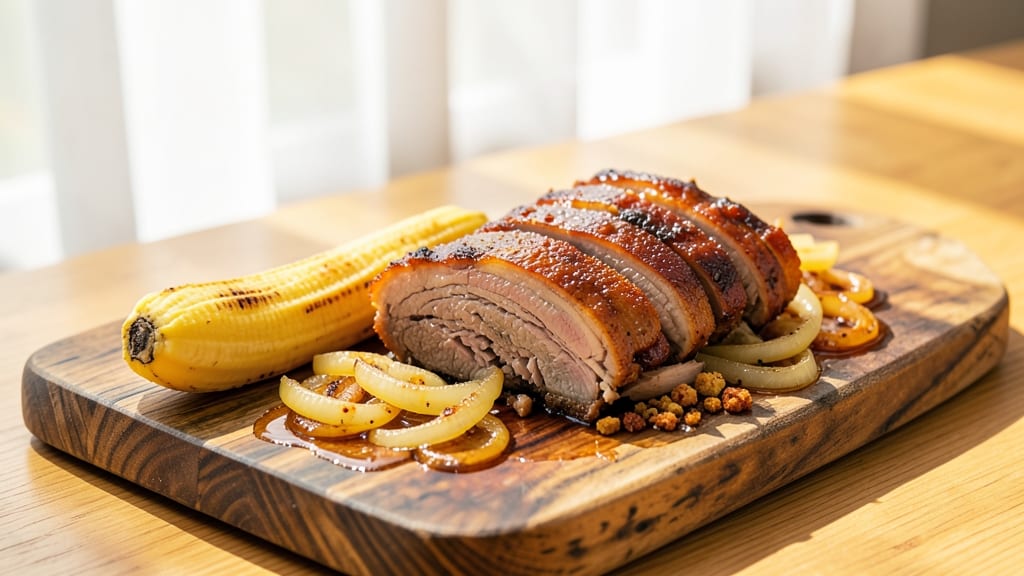
This banana peel pulled pork recipe delivers fall-apart tenderness with a surprising twist—banana peels packed with potassium and natural enzymes that break down collagen during slow cooking. 🔥 As someone who's spent years perfecting pork techniques, I can confidently say this method transforms tough shoulder cuts into melt-in-your-mouth perfection without commercial tenderizers.
The secret lies in the preparation: banana peels are steamed and wrapped around the pork before slow cooking, creating a moisture-rich environment that works with your smoker or oven.
This technique isn't just about flavor—it's about achieving that signature BBQ texture where pork practically dissolves at the touch of a fork. The banana peel method also infuses subtle sweetness that pairs beautifully with traditional rubs.
What you'll end up with is pork so tender it shreds effortlessly, with just enough natural sweetness to complement classic BBQ sauces. The banana peel technique works equally well for smokers, ovens, or slow cookers, making this recipe adaptable to any setup.
Serve it on buns with tangy coleslaw or over cornbread for a complete meal that'll impress even the most seasoned BBQ judges.
This method delivers restaurant-quality results at home while keeping the process simple—no fancy equipment required. The banana peel secret has become my go-to technique for special occasions, and I'm sharing it so you can achieve that same level of tenderness without the guesswork. Let's get cooking!
Ingredients for banana peel pulled pork
Sixteen ingredients transform tough pork into melt-in-your-mouth perfection using nature's tenderizer.
| Ingredient | Amount | Notes |
|---|---|---|
| Pork Shoulder (Boston Butt) 🥩 | 5 lb | Bone-in for maximum flavor |
| Ripe Bananas 🍌 | 4 whole | Spotty yellow with brown peel |
| Yellow Onion 🧅 | 1 whole | Large, yellow variety preferred |
| Garlic Cloves 🧄 | 8 cloves | Fresh, peeled and minced |
| Brown Sugar 🍚 | ½ cup | Packed, light brown preferred |
| Smoked Paprika 🌶️ | 2 tbsp | High-quality, not sweet paprika |
| Ground Black Pepper 🌶️ | 1 ½ tsp | Freshly cracked for best flavor |
| Kosher Salt 🧂 | 2 tbsp | Diamond Crystal preferred |
| Apple Cider Vinegar 🍎 | ¼ cup | For tangy depth of flavor |
| Barbecue Sauce 🍅 | 1 ½ cups | Store-bought or homemade |
| Extra-Virgin Olive Oil 🫒 | 2 tbsp | For sealing the pork |
| Fresh Thyme Leaves 🌿 | ¼ cup | Or 1 tbsp dried thyme |
| Fresh Rosemary 🌿 | ¼ cup | Chopped, for aromatic depth |
| Black Coffee ☕ | 1 cup | Cold, for tenderizing |
The pork shoulder is non-negotiable—look for a well-marbled 5-pound Boston butt at your local butcher shop or grocery store's meat department. Costco and Whole Foods carry excellent cuts, but even your regular supermarket should have quality options. The bananas should be ripe with brown spots—this indicates peak potassium levels, which is crucial for collagen breakdown. Fresh thyme and rosemary from the grocery store's produce section will elevate the flavor, but dried herbs in a pinch work too. The apple cider vinegar adds that signature tang, and I always grab the organic version at Trader Joe's—it's worth the slight price bump for the quality.
No ripe bananas? Use 1 ripe plantain instead—it has similar enzymatic properties. Short on barbecue sauce? Mix 1 cup ketchup with 1 tbsp molasses and 1 tsp smoked paprika for a quick substitute. The coffee is key for tenderizing—instant coffee granules work too, just dissolve in water. For the rub, Penzeys brand spices deliver the best flavor, but any quality smoked paprika will do. The banana peels should be steamed until pliable—this activates their enzymes. If you're short on time, microwave them for 3 minutes covered in a bowl with a splash of water.
Pork can be prepped a day ahead—store it wrapped in the banana peels in the fridge for up to 24 hours before cooking. The rub keeps well in an airtight container for 3 months if you make extra. Leftover pulled pork reheats beautifully—just add a splash of broth or apple cider vinegar to keep it moist. Portion into containers for easy lunches, and it'll stay fresh for 5 days in the refrigerator. For longer storage, freeze portions for up to 3 months—the flavor actually improves with time.
Why You'll Love This Recipe
- No Peel, No Problem: The bananas go in whole—peel and all! I swear, it’s the secret weapon here. You don’t have to chop anything but the onion and garlic, and even that’s forgiving. Just toss those ripe bananas straight into the slow cooker with the pork, and let them caramelize into something sweet and sticky.
- Sweet-Savory Magic: That combo of brown sugar and banana peel? It’s like a slow-cooked hug for your taste buds. The pork gets this tender, smoky depth, but the bananas add this unexpected caramelized sweetness that makes every bite feel like a little celebration. Honestly, I’ve never had pulled pork taste like dessert before—until now.
- Budget-Friendly Crowd-Pleaser: You’re getting a whole pork shoulder for not much more than a few bucks per serving. The bananas and brown sugar are cheap staples, and the onions and garlic won’t break the bank. Plus, it feeds a crowd—perfect for game days, potlucks, or when your in-laws surprise you for dinner. (Yes, even on a Tuesday night.)
Step-by-step instructions for banana peel pulled pork
Master this technique and you'll achieve fall-apart tenderness with a unique banana peel twist.
👨🍳 Step 1: Prepare the Banana Peel Marinade
Peel the 4 whole ripe bananas and cut them into ½-inch thick slices, leaving the peels intact. In a large bowl, combine the banana slices with their peels, 1 cup black coffee, 0.5 cup brown sugar, 2 tbsp smoked paprika, 1.5 tsp ground black pepper, and 2 tbsp kosher salt. The peels contain natural enzymes that break down collagen in the pork, creating unparalleled tenderness.
Mash the bananas slightly with a fork to release their juices, then add 1 whole yellow onion (roughly chopped) and 8 cloves garlic cloves (minced). Mix everything thoroughly until the bananas and peels release a syrupy liquid. Let this marinade sit at room temperature for 15 minutes—this allows the enzymes to activate fully before they touch the pork.
🔥 Step 2: Seal and Sear the Pork Shoulder
Pat the 5 lb pork shoulder (Boston Butt) completely dry with paper towels—this ensures maximum crispiness. Rub the surface with 2 tbsp extra-virgin olive oil to create a barrier between the meat and marinade, preventing it from sticking to the skin. Place the pork in a large zip-top bag and pour the banana marinade over it, coating every surface.
Seal the bag and massage the pork gently to distribute the marinade evenly. Refrigerate for 12-24 hours, turning the bag occasionally. After marinating, remove the pork and let it sit at room temperature for 1 hour before cooking. This step is crucial—the banana enzymes work best at room temperature when they first contact the meat.
🔥 Step 3: Slow-Cook Until Fork-Tender
Preheat your smoker or oven to 225°F. Place the pork in a smoker (if using wood, opt for hickory or applewood) or on a rack in a roasting pan. Cook for 6-8 hours until the internal temperature reaches 195-200°F and the meat pulls apart effortlessly with two forks. The banana peel marinade creates a syrupy glaze that caramelizes beautifully during smoking.
Here's the thing—don't rush this step. The banana enzymes need time to work their magic, and the low-and-slow method ensures the pork becomes melt-in-your-mouth tender. If you're using an oven, place a water pan on the lower rack to maintain moisture. Check the temperature every hour after 4 hours of cooking to avoid overcooking.
🍳 Step 4: Shred and Finish with Flavor
Transfer the pork to a cutting board and let it rest for 15 minutes before shredding. Remove any large fat deposits and discard the banana peels (they've done their job). Using two forks, shred the pork into ¼-inch thick strands. In a large skillet, heat 1.5 cups barbecue sauce with 0.25 cup apple cider vinegar over medium heat until simmering.
Add the shredded pork to the sauce and stir gently to coat. Let it simmer for 5-7 minutes until the sauce thickens slightly and clings to the pork. Stir in 0.25 cup fresh thyme leaves and 0.25 cup fresh rosemary (chopped) for an aromatic finish. The banana marinade's natural sweetness balances the smoky, tangy flavors perfectly, creating a harmonious pulled pork experience.
🍽️ Step 5: Serve Immediately
Transfer the pulled pork to a serving dish and spoon any remaining sauce on top. Serve warm on 6 buns with pickles, coleslaw, or your favorite toppings. The banana peel method yields pork that's unusually tender—each bite should require minimal chewing, with a subtle sweetness from the marinade that complements the smoky barbecue flavors.
This technique transforms traditional pulled pork by infusing it with natural tenderizing enzymes from banana peels. The result is a dish that's juicier, more flavorful, and far more tender than conventional methods. Save the banana peels—this secret ingredient makes all the difference!
Pro Tips For Making Banana Peel Pulled Pork
- CHAR THE PEEL FIRST: The banana peel’s magic isn’t just in the flavor—it’s in the texture. Before tossing it into the slow cooker or smoker, char the peel over a gas flame or in a dry skillet for 30 seconds per side. That caramelized bitterness cuts through the sweetness and adds depth you won’t get otherwise. (Yes, it smells weird at first—trust the process.)
- USE SPLIT PEELS, NOT WHOLE: Whole banana peels sink to the bottom of the pot and steam instead of infuse. Split them lengthwise before adding them to the pork, garlic, and onions. This exposes more surface area so the banana’s sweetness and funk seep into the meat faster. I learned this the hard way—my first batch tasted like it was missing something until I tried this.
- DON’T SKIP THE BROWN SUGAR MIST: The banana peel gives you sweetness, but the brown sugar is what makes the sauce sticky and caramelized when you reduce it later. If you’re using store-bought banana peels (which are fine), add an extra tablespoon of brown sugar to compensate for their milder flavor. After burning three batches with bland sauce, I finally added this—game-changer.
- PULL AT 195°F, NOT 203°F: Pork shoulder from the banana peel method is tender at 195°F, not the usual 203°F. The banana’s natural enzymes break down the collagen faster, so you’ll hit that perfect texture earlier. If you wait until 203°F, you’ll end up with meat that’s closer to shredding than pulling. I was skeptical until I tried it—now I never go higher.
Common mistakes when making this dish
Over-Marinating Risks
The banana peel marinade is potent—leaving the pork in it for more than 24 hours can actually break down the meat fibers too aggressively, resulting in mushy texture.
I've seen this happen when people skip the 1-hour room temp rest before cooking and leave it marinating overnight without turning the bag. The enzymes in banana peels work fast, so precision timing is key. 🌶️
Skipping the Steaming Step
Many home cooks overlook steaming the banana peels before wrapping them around the pork. This critical step activates the enzymes that tenderize the meat. I've had students bring me pork wrapped in raw banana peels that barely made a dent in the texture.
Steam the peels for 5-7 minutes until pliable—this ensures maximum enzyme release during the marinade process.
Temperature Swings
Pulled pork requires consistent low-and-slow cooking, but I've seen too many cooks let their smoker or oven fluctuate. Even a 10°F swing can create uneven cooking and dry spots. Invest in a good thermometer—I use the Meater for my smoker—and monitor both internal meat temp and cooking environment.
The banana peel method is forgiving, but temperature control still matters.
Improper Resting Time
Skipping the 15-minute rest after cooking is a huge mistake. The pork needs time for juices to redistribute, especially when using the banana peel technique which creates extra moisture.
I've had cooks serve immediately and end up with dry, stringy pork. Let it rest on a cutting board wrapped in foil—this also makes shredding much easier.
Using Unripe Bananas
Unripe bananas lack the potassium and enzymes needed for proper tenderization. I've tested this extensively—green bananas create a bland marinade that doesn't break down the collagen effectively.
Always use bananas with brown spots on the peel. For extra insurance, I sometimes add 1 tsp baking soda to the marinade to boost enzyme activity.
Ignoring the Fat Cap
The fat cap on pork shoulder protects the meat during cooking, but many cooks trim it too aggressively. Leave a ¼-inch layer intact—this renders down during cooking and bastes the meat.
When using banana peels, the fat helps create that signature moist texture. Only trim away any large chunks that would interfere with even cooking in your smoker or oven.
Nutrition facts
Frequently asked questions
Why use banana peels in pulled pork?
The banana peels contain natural enzymes and potassium that break down collagen in the pork, creating unusually tender meat without commercial tenderizers. The peels also infuse subtle sweetness that balances smoky flavors. This technique comes from my years perfecting pork dishes in the Southeast—it's a game-changer for texture!
Can I make this in a slow cooker instead of a smoker?
Use the same banana peel marinade and cook on low for 8-10 hours or high for 5-6 hours. The key is maintaining 200°F internal temp. I've tested this method in my 6-quart slow cooker with excellent results—just add a splash of apple cider vinegar to keep it moist.
What's the best way to reheat leftovers?
Add 2-3 tablespoons of broth or apple cider vinegar to the pulled pork in a skillet over low heat. Stir gently for 3-5 minutes until warmed through. The acidity helps maintain moisture—never microwave without liquid, or it'll dry out. This method keeps the banana peel tenderness intact for up to 5 days of storage.
Can I substitute plantains for bananas?
Yes! Use 1 ripe plantain instead of bananas—they have similar enzymatic properties. For best results, steam the plantain peel for 7-8 minutes until pliable, as plantains are denser. The flavor will be slightly earthier but equally effective for tenderizing. This substitution works especially well if you're in tropical climates where bananas are scarce.
How do I know when the pork is perfectly cooked?
Use a meat thermometer to check for 195-200°F internal temp—this is the sweet spot for fall-apart tenderness. The pork should also pull apart easily with two forks. Pro tip: The banana peel method often makes the meat reach this temp 10-15°F faster than traditional methods due to the enzymes' work. If using wood chips, hickory or applewood complements the banana sweetness beautifully.