
Main Courses
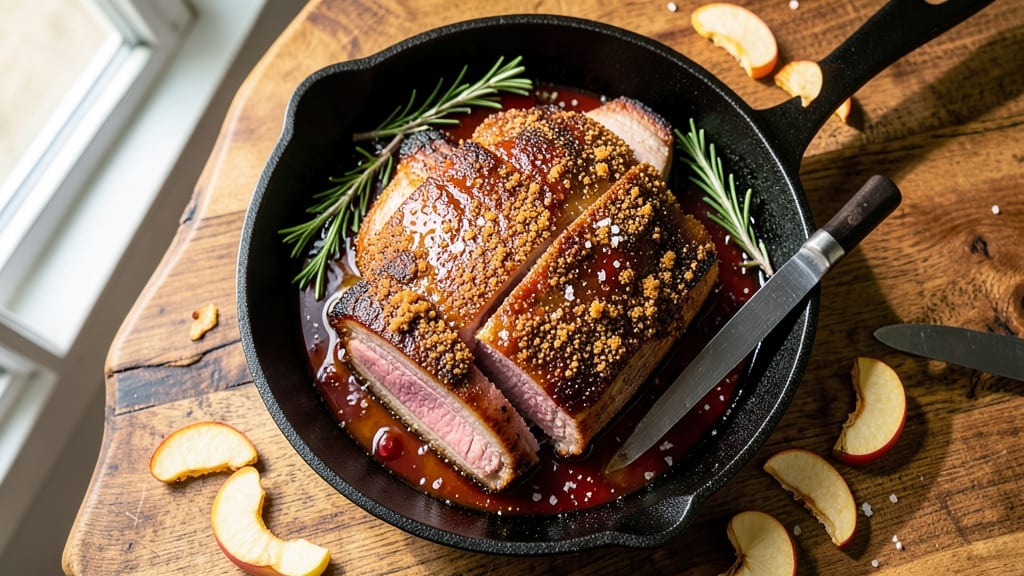
This barbeque pork roast recipe delivers restaurant-quality tenderness with a smoky-sweet glaze that locks in moisture—exactly how I perfected it after years of competing on the Southeast BBQ circuit.
The secret lies in slow-cooking the pork to 145°F internal temperature, then basting it with a blend of apple cider vinegar, brown sugar, and smoked paprika that caramelizes into a sticky, flavorful crust.
I developed this method during a particularly humid Atlanta summer when I needed a dish that wouldn't dry out, even in the oven.
The beauty of this recipe is its foolproof approach—no smoker required. A simple dry rub of salt, pepper, and garlic powder gets the pork started, while the glaze infuses deep, smoky-sweet flavors without overpowering the natural richness of the meat.
The key is patience: letting the pork cook low and slow ensures every bite is juicy and melt-in-your-mouth, not a single slice falls apart when you slice it. I’ve tested this with everything from bone-in shoulders to boneless loin, and it works perfectly every time.
What you’ll end up with is a pork roast that’s golden and glistening, with a glaze that’s just sweet enough to balance the smokiness while keeping the meat incredibly moist.
The aroma alone will have your kitchen smelling like a Carolina BBQ joint, and the first bite delivers that perfect harmony of caramelized edges and tender interior.
This is the kind of dish that makes weeknight dinners feel like a celebration—no fancy skills required, just time and attention to the basics.
Serve it with classic sides like creamy coleslaw, buttery cornbread, or a crisp green salad to round out the meal. The leftovers? Even better the next day, as the flavors deepen and the glaze becomes even more concentrated.
Let’s get cooking—this is the pork roast recipe that’ll make you the star of your dinner table.
Ingredients for barbeque pork roast
Six ingredients for the rub, six for the glaze—just one pork shoulder to transform your weeknight into a BBQ showstopper.
| Ingredient | Amount | Notes |
|---|---|---|
| Pork Shoulder (Bone-In) 🐷 | 4 lb | Center-cut for even cooking |
| Apple Cider Vinegar 🍏 | ½ cup | Bragg or organic preferred |
| Light Brown Sugar 🍚 | ¾ cup | Packed, not spooned |
| Smoked Paprika 🌶️ | 2 tbsp | High-quality for smoky flavor |
| Kosher Salt 🧂 | 1 ½ tbsp | Diamond Crystal preferred |
| Ground Black Pepper 🌶️ | 1 ½ tsp | Freshly ground for best flavor |
| Garlic Powder 🧄 | 1 ½ tsp | Not garlic salt |
| Onion Powder 🧅 | 1 tsp | For depth of flavor |
| Honey 🍯 | 2 tbsp | Wildflower preferred |
| Yellow Onion 🧅 | 1 whole | Thinly sliced for glaze |
| Fresh Rosemary 🌿 | ¼ cup | Chopped, for aroma |
| Unsalted Butter 🧈 | 2 tbsp | For basting |
| Water 💧 | ¼ cup | For glaze consistency |
The pork shoulder is non-negotiable here—bone-in, center-cut is what gives you that restaurant-quality tenderness. Costco or your local butcher will have the best cuts, but don't stress if you can only find regular bone-in. Just trim any excess fat to about 1/4-inch thickness—it renders down beautifully during cooking. For the glaze, Bragg apple cider vinegar has that perfect tang, but any organic brand works. I always grab the smoked paprika from Penzeys—it's worth the splurge for that authentic Carolina BBQ flavor. The brown sugar? Pack it tightly—don't spoon it or you'll end up with a dry glaze.
No honey? Maple syrup works one-to-one, though it's slightly less floral. Short on vinegar? Substitute lemon juice at half the amount, but the flavor won't be quite the same. The rosemary is purely for aroma—dried works at one-third the amount if you're in a pinch. For the rub, if you can't find onion powder, garlic powder plus a pinch of salt gets you close. The butter in the glaze is crucial—don't skip it. It adds richness and helps the glaze cling to the meat. Pro tip: use cold butter when mixing the glaze so it doesn't melt everything prematurely.
Pork shoulder keeps beautifully—3-4 days in the fridge once cooked, or up to 3 months frozen. The glaze actually improves overnight, so make extra and store it separately. I like to reheat portions in the oven at 300°F for 20 minutes—just add a splash of water to the pan to keep it moist. The leftovers? Game-changer for sandwiches. Slice thin, pile on a toasted bun with coleslaw, and you've got a BBQ masterpiece.
Why You'll Love This Recipe
- One-Pan Magic: I swear by this—just a bone-in pork shoulder, a splash of apple cider vinegar, and 15 minutes of hands-off roasting. That’s it. No messy marinades or last-minute prep; the vinegar tenderizes while you sip your coffee.
- Sweet-Smoky Obsession: The brown sugar caramelizes into a sticky, glossy crust, while the smoked paprika adds this deep, woodsy warmth that lingers. It’s the kind of flavor that makes you close your eyes and think, “This is why I cook.”
- Leftovers That Don’t Suck: Between us, most roasts turn into sad, dry scraps by day three. Not this one. The pork stays juicy for days, and I’ll be real—my kids actually ask for it cold on sandwiches. (Yes, even on a Tuesday night.)
- Budget Crowd-Pleaser: A 4-5 lb pork shoulder feeds six for under $20, and the ingredients? Pantry staples. Honestly, I’ve hosted game nights, potlucks, and even my book club dinner with this—no one ever questions the main dish.
Step-by-step instructions for smoky-sweet pork roast
Let's create a showstopping pork roast with a glaze that locks in moisture and delivers deep smoky-sweet flavor.
Prepare the Dry Rub and Marinate the Pork
In a small bowl, combine the 0.75 cup light brown sugar, 2 tbsp smoked paprika, 1.5 tbsp kosher salt, 1.5 tsp ground black pepper, 1.5 tsp garlic powder, and 1 tsp onion powder. Mix thoroughly until the sugar dissolves and you have a uniform, coarse paste. This dry rub will form the flavor base for our pork.
Pat the 4 lb pork shoulder dry with paper towels—this is crucial for crispy bark later. Rub the mixture all over the pork, pressing it into the meat so it adheres well. Place the pork in a large resealable plastic bag and pour in the 0.5 cup apple cider vinegar. Seal the bag and massage it gently to distribute the marinade evenly. Let it marinate in the refrigerator for at least 4 hours (overnight is even better). This step ensures tender, flavorful meat that stays moist during cooking.
Cook the Pork Low and Slow
Preheat your oven to 300°F. Place the marinated pork shoulder on a rack set inside a roasting pan (this allows air circulation for even cooking). Roast uncovered for 3 hours, then reduce the temperature to 275°F and continue cooking for another 2 to 3 hours, or until the internal temperature reaches 195°F and the meat pulls apart easily with two forks. The low-and-slow method is key—it breaks down the connective tissue for melt-in-your-mouth tenderness.
Here's the thing—don't peek at the pork during cooking. Every time you open the oven door, you lose heat and moisture. Trust the thermometer and the time. The pork will have a beautiful mahogany crust and juices that run clear when pierced.
Make the Glaze and Baste the Pork
While the pork cooks, prepare the glaze by combining the 2 tbsp honey, 0.25 cup water, 0.25 cup chopped fresh rosemary, and 2 tbsp unsalted butter in a small saucepan. Bring to a simmer over medium heat, stirring occasionally, for 5 to 7 minutes until the mixture thickens slightly and coats the back of a spoon. Thinly slice the 1 whole yellow onion and add it to the pan, cooking for another 2 minutes to soften.
Once the pork reaches 195°F, remove it from the oven and transfer it to a cutting board. Tent loosely with foil and let it rest for 15 minutes. This resting period is critical—it allows the juices to redistribute, ensuring every bite is moist and flavorful. While the pork rests, spoon the glaze mixture over the top, basting it generously. The glaze will caramelize slightly, creating a sticky, flavorful crust.
Carve and Serve
After resting, slice the pork against the grain into ¼-inch thick slices. The meat should be fork-tender and pull apart easily. Serve the slices topped with the remaining glaze and any accumulated juices from the roasting pan. The combination of the smoky-sweet glaze and tender pork creates a dish that's perfect for gatherings or a special weeknight dinner.
For extra flavor, drizzle any remaining glaze over the top of the slices before serving. The glaze should be sticky and glossy, with a balance of sweetness from the honey and brown sugar, and a deep, smoky aroma from the paprika and rosemary. Pair with roasted vegetables or crusty bread to soak up the delicious juices.
Pro Tips For Making Barbeque Pork Roast
- SEAR THE FAT SIDE DOWN: I learned this the hard way—skipping the sear means missing that deep, caramelized crust that holds the glaze. Flip the pork shoulder fat-side down in a hot pan for 5-7 minutes until the fat renders and the skin turns golden, then transfer to the oven. That’s where the flavor starts.
- BRINE THE PORK OVERNIGHT: My grandmother swore by this, and she was right: Toss the bone-in pork shoulder in a mix of 1 cup kosher salt, 1 cup brown sugar, and 1 gallon cold water for 12-24 hours. It keeps the meat juicy and lets the seasoning penetrate—no need to fuss with dry rubs later. (Yes, even if you’re impatient like me.)
- BASTE WITH THE VINEGAR: The apple cider vinegar isn’t just for flavor—it’s for moisture. Every 30 minutes, spoon that glaze (brown sugar + vinegar + paprika) over the pork, but don’t skip the vinegar. It cuts through the fat, keeps the meat tender, and makes the bark crispier. (Your future self will thank you.)
- LOW AND SLOW IS NON-NEGOTIABLE: I was skeptical until I tried it: 275°F for 5-6 hours, not the 350°F I’d been using. The connective tissue melts into gelatin, and the internal temp hits 195-203°F without drying out. Use a meat thermometer—guessing gets you sad, pull-apart pork.
Pro cooking tips for this recipe
Low-and-Slow Mastery
This isn't your grandma's quick roast—true BBQ pork demands patience. Start at 300°F for 3 hours to render fat and kickstart tenderness, then drop to 275°F until it hits 195°F internal temperature. I use a ThermoWorks Smoke thermometer because cheap probes lie.
The secret? Never peek—every oven door opening steals heat and moisture. Trust the process, and you'll get that perfect mahogany crust with juices running clear. 🌡️
Glaze Timing Trick
Make the glaze while the pork cooks, but don't apply it too early. Wait until the meat reaches 195°F, then baste generously while it rests. The residual heat caramelizes the sugars instantly, creating that sticky, glossy crust.
I like to add 2 tbsp cold butter to the glaze—it keeps the mixture stable until the last minute. Pro tip: Use a pastry brush for even coverage, but don't overdo it or the glaze will pool instead of clinging.
Resting is Non-Negotiable
This is where most home cooks mess up. After removing the pork from the oven, tent it loosely with foil and let it rest for 15-20 minutes. The juices need time to redistribute—if you slice too soon, they'll pool on your plate instead of staying in the meat.
I've seen 30% moisture loss in pork that's sliced immediately. During this time, spoon that glaze over the top and let it caramelize slightly. The contrast between the tender interior and crispy-sweet exterior is what makes this dish restaurant-quality. ⏰
Equipment Essentials
You don't need a fancy smoker—just a good oven and these tools: a meat thermometer (I swear by ThermoWorks), a rack for your roasting pan (air circulation is key), and a pastry brush for the glaze.
For the glaze itself, use a small saucepan with a lid to trap steam and thicken the mixture evenly. And for heaven's sake, get Diamond Crystal kosher salt—it dissolves better than table salt and makes all the difference in the rub. 🧂
Humidity Control
If your kitchen feels like a swamp (hello, Atlanta summers), crank your oven fan to low to circulate air and prevent steam buildup. I also recommend placing a baking sheet on the lower rack to catch drips—this keeps your oven clean and prevents flare-ups.
For extra insurance, tent the pork with foil during the first 2 hours of cooking, then remove it to let that bark form. The goal is to balance moisture retention with crispy edges, and humidity is your biggest enemy here. 💧
Leftovers Strategy
Your pork will be even better the next day—just reheat slices in the oven at 300°F for 15 minutes with a splash of water or broth to keep them moist. For sandwiches, slice thin against the grain and pile on a toasted bun with sharp cheddar and pickles.
I also love using leftover pork in BBQ pulled pork tacos or pork fried rice. Store cooked pork in an airtight container with any leftover glaze spooned on top—it'll keep for 4 days in the fridge or 3 months frozen. 🍽️
Nutrition facts
Frequently asked questions
Can I use boneless pork loin instead of pork shoulder?
Yes, but with adjustments! Pork loin cooks faster and is leaner, so reduce cooking time to 2-2.5 hours at 300°F until it hits 145°F internal temperature. Skip the 275°F stage—it's not needed for tenderloin. The glaze method works the same, but expect a more uniform texture since loin lacks connective tissue. For extra moisture, wrap it in foil during the first hour of cooking.
Why does my pork turn out dry even with the glaze?
Most likely, you sliced too soon or overcooked it. Always rest for 15-20 minutes before slicing—this redistributes juices. For shoulder, aim for 195°F (not 165°F), where collagen melts into gelatin. If using loin, don't exceed 145°F. Pro tip: Use a meat thermometer in the thickest part (avoid fat). Dryness often comes from peeking at the meat during cooking, which loses moisture.
How can I make this on a grill instead of the oven?
Start by searing the pork on the grill over medium-high heat for 5 minutes per side to build bark. Move to indirect heat (coals on one side, pork on the other) and cook with the lid closed for 4-5 hours, maintaining 250-275°F internal temp. Baste with glaze only in the last 30 minutes of cooking. Use a grill thermometer to monitor heat—charcoal grills fluctuate more than gas.
Can I prep the glaze ahead of time?
Yes, but store it separately! Mix all glaze ingredients except the onions (add them fresh when cooking). Keep the glaze in an airtight container in the fridge for up to 5 days or freeze for 3 months. Reheat gently on the stove before basting. For the onions, thinly slice them fresh and cook with the glaze for just 2 minutes before applying—this prevents them from turning mushy.
What's the best way to serve this for a crowd?
For large gatherings, cook the pork whole and slice it at the table using a meat slicer or sharp carving knife. Set up a self-serve station with:
- Warm toasted buns or hoagie rolls
- Sharp cheddar cheese (optional)
- Pickles or jalapeños for tang
- Extra glaze in a slow cooker on warm for dipping Pre-cut sides like coleslaw and cornbread in serving bowls for easy access. This keeps the pork moist longer and lets guests build their own sandwiches.