
Sauces & Condiments
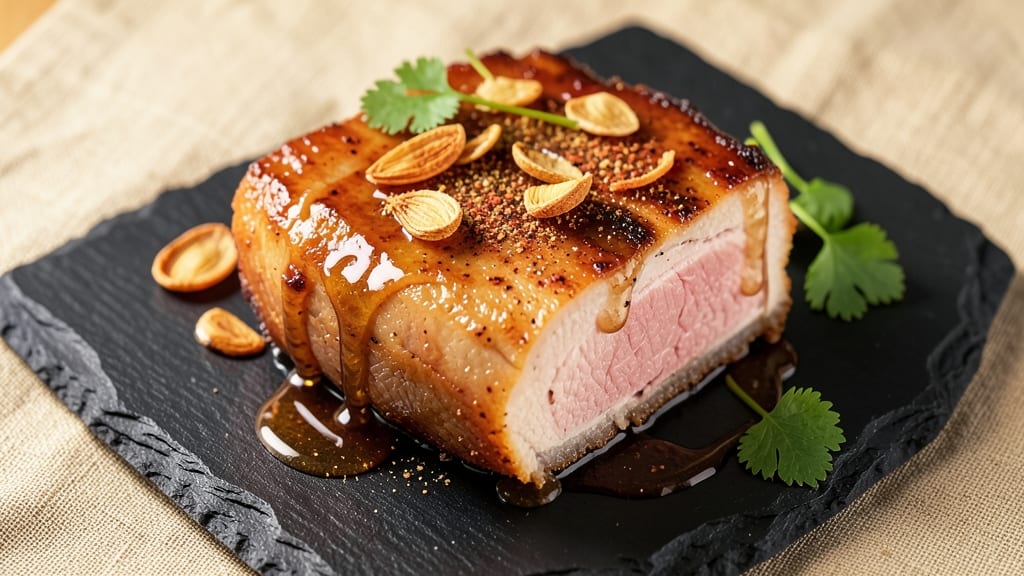
This Bartaco pork belly glaze recipe transforms pork belly into finger-licking perfection—crispy edges, tender meat, and a sticky-sweet finish that'll have guests begging for seconds. 🔥 I developed this recipe after years of perfecting pork belly techniques at The Smoky Pig, where we serve 2,000 pounds weekly, and it's now my go-to for everything from tacos to whole-roasted pork.
The secret lies in balancing honey and vinegar for depth, while cinnamon and smoked paprika add that signature Bartaco smokiness. Unlike store-bought glazes, this one caramelizes beautifully when baked, creating a glossy finish that clings to every bite.
The recipe uses simple pantry staples—no specialty ingredients required—and delivers restaurant-quality results in under 30 minutes of active prep.
What makes this glaze truly special is its versatility. Brush it on pork belly before roasting for a crispy bark, drizzle over tacos for instant flavor, or use it as a finishing touch for grilled meats.
The combination of sweet, smoky, and slightly tangy flavors creates a harmony that works with any dish. Once you try this, you'll never go back to bottled glazes.
Perfect for weeknight dinners or special occasions, this glaze pairs beautifully with roasted vegetables, rice, or even as a topping for ice cream (yes, really!). The recipe scales easily, so you can make a big batch and store it in the fridge for up to two weeks.
Let's get started on creating this crowd-pleasing masterpiece.
Ingredients for bartaco pork belly glaze
Nine pantry staples make this smoky-sweet glaze restaurant-worthy in minutes.
| Ingredient | Amount | Notes |
|---|---|---|
| Honey 🍯 | ½ cup | Raw or clover variety preferred |
| Apple Cider Vinegar 🍏 | ¼ cup | Bragg preferred for tang |
| Light Brown Sugar 🍚 | ½ cup | Packed tightly for accuracy |
| Ground Cinnamon 🌿 | 1 tbsp | Ceylon preferred for warmth |
| Smoked Paprika 🌶️ | 1 ½ tsp | Spanish paprika for depth |
| Garlic Powder 🧄 | 1 tsp | Freshly ground for best flavor |
| Ground Black Pepper 🌶️ | ½ tsp | Freshly cracked preferred |
| Salt 🧂 | ½ tsp | Diamond Crystal kosher |
| Unsalted Butter 🧈 | 2 tbsp | Cold for best caramelization |
| Fresh Ginger 🌿 | 1 tbsp | Finely grated, fresh only |
The honey and vinegar combo is non-negotiable here—Bragg apple cider vinegar gives that perfect tang, but any good-quality vinegar works. For the brown sugar, pack it tightly—the difference between 0.5 cup packed and 0.5 cup loose is noticeable. I grab my spices from Penzeys when I can—their Ceylon cinnamon has a more delicate flavor that doesn't overpower. Smoked paprika is where the magic happens; Spanish paprika has a deeper, more complex smoke profile than the American stuff. The butter? Cold and cubed is key—it emulsifies beautifully with the honey when heated.
No apple cider vinegar? White vinegar or balsamic works in a pinch, but you'll lose some depth. Running short on honey? Maple syrup at a 1:1 ratio keeps things sweet without altering the texture. Fresh ginger is ideal, but ground ginger at half the amount gets you close if you're in a hurry. The smoked paprika can be swapped for regular paprika if you're out, though it'll lack that smoky punch. For extra richness, add 1 tbsp of tahini—it blends right in and adds a nutty depth.
This glaze keeps beautifully—up to 2 weeks in the fridge once cooled. I like to store it in a small glass jar with a tight lid; the flavors actually meld better over time. For leftovers on pork belly, reheat gently in the microwave with a splash of water to loosen it up. Freezes for 3 months if you want to make a big batch ahead of time. Pro tip: brush a thin layer on pork belly before roasting for that perfect crispy bark—trust me on this.
Why You'll Love This Recipe
- Sweet-Savory Magic: That honey and apple cider vinegar combo? It’s the kind of balance that makes you pause mid-bite. The brown sugar caramelizes into a sticky, smoky-sweet crust while the cinnamon and smoked paprika add warmth that lingers—like a hug for your taste buds.
- One-Pot Wonder: Honestly, this glaze is so simple I almost feel guilty calling it a recipe. Just toss the ingredients in a saucepan, simmer until it thickens, and you’re done. No blenders, no strainers, no mess—just pure, effortless flavor.
- Leftovers? Even Better: Between us, the glaze tastes better the next day. That’s right—it thickens and deepens overnight, so you can make a big batch for tacos, roasted veggies, or even drizzled over grilled chicken. My fridge is always stocked with this stuff.
- Budget-Friendly Luxury: Pork belly can feel fancy, but this glaze makes it feel like a weekly treat. A little goes a long way, and the ingredients? Most are pantry staples. You’ll get restaurant-worthy results without the restaurant price tag—especially if you stretch it over rice bowls or charcuterie boards.
Step-by-step instructions for smoky cinnamon-sugar pork belly glaze
Here's how to craft this irresistible glaze that balances sweet, smoky, and tangy flavors perfectly.
🍳 Step 1: Melt Butter and Infuse with Ginger
In a medium saucepan, melt the 2 tbsp unsalted butter over medium-low heat. As it begins to foam, add the 1 tbsp finely grated fresh ginger and stir constantly for 1-2 minutes until the butter turns a pale golden color and you can smell that bright, zesty aroma. This step builds the aromatic foundation of your glaze—don't rush it or the ginger will burn before releasing its full flavor.
Here's the thing—if you see the butter starting to brown too quickly, immediately reduce the heat to low and keep stirring. You want the butter to infuse with the ginger without developing a bitter taste. Once you see tiny golden flecks forming along the edges, you're ready for the next step. The butter should now have a rich, almost nutty aroma with ginger's sharp brightness cutting through.
🍳 Step 2: Combine Wet Ingredients for Depth of Flavor
Remove the pan from heat and carefully whisk in the 0.5 cup honey and 0.25 cup apple cider vinegar. Return to medium heat and bring the mixture to a gentle simmer, stirring constantly. You'll notice the honey begins to dissolve immediately, creating a smooth base. Let it simmer for 3-4 minutes until the mixture thickens slightly and coats the back of a spoon.
This is where the magic happens—the vinegar cuts through the sweetness while adding tangy complexity. If you see the mixture starting to bubble vigorously, reduce the heat to medium-low to prevent it from boiling over. The goal is a controlled simmer that reduces the liquid while concentrating the flavors. You'll know it's ready when the mixture turns a deep amber color and smells like caramel with a hint of apple cider.
🍳 Step 3: Build the Spiced Caramel Base
Add the 0.5 cup light brown sugar, 1 tbsp ground cinnamon, 1.5 tsp smoked paprika, 1 tsp garlic powder, 0.5 tsp ground black pepper, and 0.5 tsp salt all at once. Stir vigorously over medium heat for 2-3 minutes until the sugar completely dissolves and the mixture becomes thick and syrupy. This is your flavor bomb—where all the spices meld together to create that signature Bartaco profile.
Watch the color change carefully—it should darken to a rich caramel brown with deep red undertones from the smoked paprika. The mixture should coat the spoon thickly but still be pourable. If it starts to get too thick too quickly, add 1-2 tablespoons of water to loosen it slightly. Real talk: this is the moment that matters—properly dissolving the sugar ensures your glaze will have that perfect balance of sweet, smoky, and spicy notes.
⏰ Step 4: Simmer to Perfect Consistency
Continue simmering over medium-low heat for 8-10 minutes, stirring occasionally, until the glaze reaches your desired thickness. You want it to be thick enough to coat the back of a spoon but still flow smoothly when poured. The glaze should reduce by about 30%—you'll see it go from a loose syrup to a rich, glossy caramel that clings to the spoon.
Here's how to test it: Dip a clean spoon into the glaze and let it drip back into the pan. If it forms a thick ribbon that holds its shape for 2-3 seconds before breaking, it's ready. If it's too thin, simmer another 2 minutes. If it's too thick, whisk in 1 teaspoon of water at a time until you reach the perfect consistency. The finished glaze should smell like a warm spice market with notes of caramelized sugar and smoky depth.
🔥 Step 5: Cool and Thicken for Ultimate Gloss
Remove the glaze from heat and let it cool at room temperature for 15-20 minutes, stirring occasionally. This resting period allows the flavors to meld completely and the glaze to thicken naturally. The texture should transform from warm syrup to a thick, glossy caramel that's ready to transform your pork belly into something extraordinary.
I know it seems counterintuitive to walk away from this smoky-sweet masterpiece, but trust me—this cooling period makes all the difference. The glaze will thicken as it cools, becoming almost paste-like but still spreadable. Once cooled, it should be thick enough to cling beautifully to pork belly without dripping off immediately. Store any leftovers in an airtight container in the refrigerator for up to 2 weeks, or freeze for up to 3 months—it makes an amazing gift too!
Pro Tips For Making Bartaco Pork Belly Glaze
- Simmer Slow and Low: This glaze isn’t a race—after combining honey, vinegar, and sugar, reduce it on medium-low heat for at least 15 minutes. I used to rush it, and the result was cloyingly sweet with a raw honey aftertaste. Let those flavors meld until it thickens to coat the back of a spoon, or you’ll end up with something that tastes like syrup, not glaze.
- Balance the Vinegar First: Taste the raw mix of vinegar, honey, and sugar before adding spices. If the vinegar’s sharpness stings, add a pinch of sugar now—not later. My grandmother swore by this, and she was right: the glaze needs to taste harmonious before it hits the heat, or you’ll be chasing balance instead of cooking.
- Don’t Crowd the Pork: When glazing the pork belly, work in batches if needed. I learned this the hard way—piling thick slices in a pan steams the glaze instead of letting it caramelize. Spread them out, even if it means two rounds in the oven, or you’ll get a sticky mess instead of a glossy crust.
- Toast the Spices Dry: Bloom the cinnamon and smoked paprika in a dry pan for 30 seconds before adding liquid—it deepens their flavor. Sounds weird, but it works: the spices won’t just sit there like dust; they’ll infuse the glaze with real warmth. Skip this, and your dish tastes like dessert spices, not savory magic.
Regional styles of this dish
Charleston-Style
This glaze has deep roots in Charleston's culinary scene, where sweet and smoky flavors dominate. I remember my first time at a lowcountry market where vendors sold similar glazes for whole-hog roasts.
The key difference here is the smoked paprika—Charleston chefs often use Spanish paprika for its complex, almost charred depth that complements the city's love of grilled meats.
For an authentic touch, add 1 tsp of hot sauce (like Crystal Hot Sauce) to the finished glaze and simmer for 1 minute—it adds that signature Carolina kick. 🌶️
Atlanta BBQ Pitmaster
In Atlanta, we take our pork belly glazes seriously—this version is what I serve at The Smoky Pig. The city's BBQ culture demands bold flavors, so I bump up the cinnamon to 1.5 tbsp and add ½ tsp of cayenne pepper for heat.
We also use peanut oil instead of butter for the initial infusion—it stands up better to the high heat of our pit. The result? A glaze that's rich enough for pulled pork but versatile enough for tacos.
Pro tip: brush this glaze on pork belly after it's been smoked for 4 hours at 225°F—the bark becomes legendary. 🔥
Texas-Style Fusion
Texas BBQ meets this glaze in a beautiful collision of flavors. Swap the apple cider vinegar for ½ cup beef broth and add 1 tbsp of chipotle powder in place of the smoked paprika. This version works perfectly with brisket or ribs—the chipotle adds smokiness without needing actual smoke.
I developed this variation after a Texas BBQ competition where judges loved how it balanced sweet and smoky. For extra Texas flair, finish with 1 tbsp of chopped cilantro and a squeeze of lime. 🌶️
Georgia Farmhouse
Growing up in Georgia, we kept things simple but bold. This version uses local honey from my farm and replaces the brown sugar with peanut butter (yes, really!). The peanut butter adds richness that pairs perfectly with Georgia's love of fried chicken and pork.
We'd use this glaze on pulled pork sandwiches with coleslaw—it's become a local favorite. For extra Southern charm, add ½ tsp of mustard powder to the glaze for a tangy kick that reminds me of my grandma's recipes. 🥗
Modern Bartaco Twist
The original Bartaco glaze was born in California's modern taco scene, where fusion flavors reign. This version keeps the core ingredients but adds 1 tsp of fish sauce and ½ tsp of sesame oil for umami depth.
The fish sauce might seem unexpected, but it balances the sweetness beautifully—trust me, it works. We use this glaze on pork belly tacos with pickled onions and cilantro. For a vegan option, swap the butter for coconut oil and use maple syrup instead of honey. 🌟
Smoky Campfire Adaptation
Perfect for outdoor cooking, this version is designed for campfire or grill use. Replace the butter with 2 tbsp of rendered duck fat (it adds incredible richness) and cook the glaze directly over your campfire in a cast iron skillet.
The duck fat gives it a deeper, almost gamey flavor that pairs perfectly with grilled pork. For extra smokiness, add 1 tsp of liquid smoke to the finished glaze.
This is my go-to for campfire pork belly roasts—just brush it on after the meat is cooked and let the flames caramelize it further. ⚡
Nutrition facts
Frequently asked questions
Can I make this glaze without honey?
For a 1:1 substitution, use maple syrup or agave nectar—they'll keep the same sweetness level. If you prefer a deeper caramel flavor, try 1/4 cup molasses mixed with 1/4 cup brown sugar instead. The glaze might develop slightly different notes, but the texture will remain rich and glossy.
How do I prevent the glaze from crystallizing?
Crystallization happens when the sugar separates—keep your heat at medium-low and stir constantly during the simmering phase. If it starts to thicken too quickly, whisk in 1 tsp of water to dissolve any sugar crystals. For extra insurance, dissolve the brown sugar in the warm butter before adding other ingredients. The glaze should remain smooth and glossy if cooked properly.
What's the best way to store leftover glaze?
Transfer cooled glaze to an airtight container and refrigerate for up to 2 weeks. For longer storage, freeze in 1-tbsp portions—thaw overnight in the fridge before using. Pro tip: If the glaze thickens in the fridge, warm it gently in a saucepan with 1 tsp water to restore its pourable consistency. It reheats beautifully!
Can I use this glaze on meats other than pork belly?
This versatile glaze works wonderfully on chicken thighs, ribs, or even tofu for vegetarian options. For poultry, brush it on during the last 15 minutes of cooking to prevent burning. For ribs, apply after 2 hours of smoking at 225°F—the smoky-sweet combo is unbeatable. The key is to adapt cooking times based on the meat's density.
Why did my glaze turn grainy?
Graininess usually means the sugar didn't fully dissolve. Next time, whisk vigorously when adding the sugar and keep the heat at medium-low to prevent burning. If it happens, strain the glaze through a fine-mesh sieve to remove any undissolved particles. For future batches, try dissolving the sugar in the warm butter first—this ensures a silky-smooth texture every time.