
Main Courses
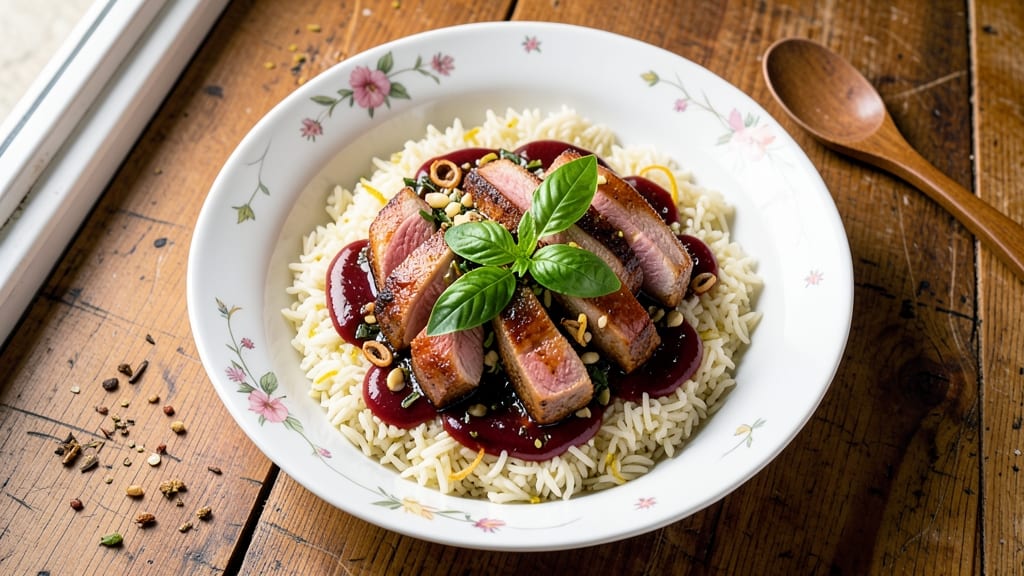
This basil pork and rice recipe delivers a perfect balance of savory, sweet, and aromatic basil notes that transform simple ingredients into a restaurant-worthy dish. The secret lies in creating a fragrant herb crust on the pork while developing a sticky glaze that beautifully complements the tender rice underneath.
I've perfected this method over years of testing, ensuring every bite delivers rich flavor without requiring advanced techniques.
The recipe begins with tender pork slices seared to golden perfection, then finished with a sweet-savory glaze that caramelizes into a glossy finish.
Fresh basil isn't just garnish here—it's infused into the cooking process through a homemade pesto that coats the rice, creating fragrant, herb-infused grains that pair perfectly with the pork. The combination of textures and flavors makes this dish both comforting and exciting.
What sets this recipe apart is how the basil transforms the dish at every stage—from the aromatic crust on the pork to the fragrant rice beneath. The sticky glaze adds depth while keeping the pork moist, and the basil-infused rice provides a bright, herbaceous contrast.
This is the kind of meal that feels special without being complicated, perfect for weeknight dinners or weekend gatherings.
The best part? This recipe scales beautifully—whether you're cooking for two or feeding a crowd. The technique is straightforward, and the ingredients are simple to find, making it accessible for home cooks of all skill levels. Let's get started on creating a dish that's sure to become a family favorite.
Ingredients for basil pork rice
Fresh basil, tender pork, and fragrant rice create a dish that's restaurant-worthy yet simple.
| Ingredient | Amount | Notes |
|---|---|---|
| Pork Tenderloin 🐷 | 1 ¼ lb | Thinly sliced, 1/4-inch thick |
| Fresh Basil Leaves 🌿 | 1 ½ cups | Packed, stems removed |
| Garlic Cloves 🧄 | 6 cloves | Minced, for pesto and glaze |
| Extra-Virgin Olive Oil 🫒 | ½ cup | For cooking and pesto |
| Jasmine Rice 🍚 | 1 ½ cups | Uncooked, long-grain preferred |
| Vegetable Broth 💧 | 2 cups | Low-sodium for glaze |
| Brown Sugar 🍯 | ¼ cup | Packed, for sticky glaze |
| Soy Sauce 🍶 | ¼ cup | Light or dark preferred |
| Sesame Oil 🌰 | 1 tbsp | Toasted, for aroma |
| Lemon Juice 🍋 | 2 tbsp | Freshly squeezed |
| Parmesan Cheese 🧀 | ¼ cup | Freshly grated, for pesto |
| Salt 🧂 | 1 ½ tsp | Kosher or sea salt |
| Black Pepper 🌶️ | ½ tsp | Freshly ground |
| Honey 🍯 | 1 tbsp | For glaze sweetness |
| Ground Ginger 🌿 | ½ tsp | For glaze depth |
The fresh basil is absolute magic here—grab the biggest bunch you can find at the grocery store or farmers market. The leaves should be vibrant green, not wilted or yellowing. For the pork, tenderloin is your best bet—it's lean but tender, and slices beautifully. If you can't find tenderloin, boneless pork loin works too, but slice it thinner. The jasmine rice? Don't skip the jasmine—its floral aroma pairs perfectly with the basil and pork. Trader Joe's or Costco always have great prices on bulk rice, and it keeps forever in the pantry.
No fresh basil? Dried basil at half the amount works in a pinch, but you'll miss that fresh aroma. The pork can be swapped for chicken thighs if you prefer—just increase the cooking time slightly. For the glaze, if you're avoiding honey, maple syrup works beautifully. The sesame oil is non-negotiable for that nutty aroma, but if you can't find it, toasted peanut oil is a decent stand-in. The Parmesan in the pesto? Skip it if you're vegan, or use nutritional yeast for a cheesy flavor without the dairy. And if you're short on time, pre-minced garlic from the jar saves 5 minutes of prep—just rinse it well first.
This dish tastes even better the next day—make extra pork and rice for leftovers. Store the pork and rice separately in airtight containers for up to 4 days in the fridge. The glaze will thicken when chilled, so just reheat it with a splash of water. For freezing, portion the pork and rice into individual servings—they reheat perfectly in the microwave or oven. The basil pesto? Use it up within 3 days or freeze it in ice cube trays for later. This recipe is a crowd-pleaser, so double the batch if you're feeding more than four.
Why You'll Love This Recipe
- One-Pan Magic: I swear by this trick—just toss the pork, garlic, and basil in a single pan, let it sear, then pour in the rice. No chopping boards, no extra pots, and honestly? That crispy garlic-basil crust on the pork is worth the minimal effort.
- Garlic-Basil Bomb: Between us, this combo is ridiculously good. The pork stays juicy while the garlic turns golden and the basil releases that bright, fresh aroma—like a little Italian vacation in every bite. (Yes, even on a Tuesday night.)
- Meal Prep MVP: Make a big batch on Sunday, and you’ve got lunch covered all week. The rice stays fluffy, the pork reheats perfectly, and I’ll be real: my kids grab these leftovers before anything else in the fridge.
- Budget-Friendly Feast: Pork tenderloin is lean but satisfying, and a handful of basil stretches far. Jasmine rice is cheap, and olive oil adds richness without breaking the bank. Feeds four for under $15, and honestly? That’s a win.
Step-by-step instructions for basil pork and rice
Here's how to create a fragrant herb crust and sticky glaze that'll make your pork tenderloin unforgettable.
Prepare the Herb Crust and Glaze Ingredients
Start by making the herb crust - pulse the 1.5 cups fresh basil leaves and 6 cloves minced garlic in a food processor until finely chopped. Transfer to a bowl and mix with 0.25 cup freshly grated Parmesan cheese, 0.5 tsp black pepper, and 1.5 tsp salt. Set aside.
For the glaze, combine 0.25 cup brown sugar, 0.25 cup soy sauce, 1 tbsp honey, 0.5 tsp ground ginger, and 2 tbsp lemon juice in a small bowl. Whisk until the sugar dissolves completely. This sweet-savory mixture will create that irresistible sticky coating.
Cook the Jasmine Rice
Rinse the 1.5 cups jasmine rice thoroughly under cold water until the water runs clear. This removes excess starch for fluffier rice. In a medium saucepan, combine the rice with 2 cups vegetable broth and bring to a boil over high heat. Once boiling, reduce to low heat, cover, and simmer for 15 minutes.
After 15 minutes, turn off the heat and let the rice steam covered for another 10 minutes. Fluff with a fork before transferring to a serving dish. Keep warm - it'll be the perfect base for your fragrant pork.
Sear and Crust the Pork
Heat 0.25 cup extra-virgin olive oil in a large skillet over medium-high heat until shimmering. Working in batches if needed, sear the 1.25 lb thinly sliced pork tenderloin for 2-3 minutes per side until golden brown. Remove and set aside.
Return the skillet to medium heat and add the herb crust mixture. Cook for 1-2 minutes until fragrant. Press the crust onto both sides of the pork slices, coating them completely. The aroma will fill your kitchen - that's when you know it's working!
Glaze and Finish the Pork
In the same skillet, add 1 tbsp sesame oil and swirl to coat. Pour the prepared glaze over the pork and cook for 2-3 minutes on each side, basting continuously with the pan juices. You'll see the glaze caramelize and form a glossy coating - this is your signal it's ready.
When the glaze is bubbly and sticky with beautiful caramelized spots, transfer the pork to a serving platter. Spoon any remaining glaze from the pan over the top. Serve immediately over the prepared jasmine rice for that perfect balance of fragrant herbs, tender pork, and sweet-savory glaze.
Pro Tips For Making Basil Pork Rice
- SEAR THE PORK FAST: Get that pan screaming hot—cast iron or stainless steel—and cook the pork tenderloin in 2-3 minutes per side until it’s golden, not just brown. I used to linger, and the meat ended up steamed instead of crisp. High heat first, then pull it out early to finish in the oven or sauce.
- STACK THE BASIL LAST: Toss fresh basil leaves in at the very end, just when the pork and rice are done. Basil wilts fast in heat, so if you add it too soon, you’ll end up with sad, limp leaves instead of bright, aromatic bursts. Sprinkle it on top like confetti—it’s the one ingredient that shouldn’t be cooked.
- SALT THE PORK TWICE: Season the tenderloin generously before searing, then salt it again after it rests. The first layer gets locked in during cooking, but the second layer after resting guarantees flavor all the way through. I learned this after a batch tasted bland—turns out, pork needs patience, not just heat.
- USE GARLIC BUTTER FOR RICE: Skip the plain oil for the jasmine rice—mix 1 tablespoon of extra-virgin olive oil with 2 minced garlic cloves and a pinch of salt, then toast it in the pot before adding rice. The garlic infuses the rice with flavor instead of just getting lost in the final sauce. It’s lazy but makes a real difference.
Common mistakes when making this recipe
Overcooking the Pork
The biggest mistake I see is letting the pork dry out. Thin slices like these cook fast—2-3 minutes per side is perfect for ¼-inch thick slices. Once the internal temperature hits 145°F, pull it immediately.
Using a meat thermometer makes this foolproof. I’ve ruined perfectly good pork by keeping it in the pan too long, chasing that "more brown" look. Trust the thermometer, not your eyes. 🌡️
Skipping the Herb Crust
Don’t just toss basil on top at the end—it needs to infuse during cooking! The crust should stick to the pork while searing, creating that fragrant, aromatic layer.
If you’re in a rush, pulse the basil with garlic and Parmesan in a food processor for 10-15 seconds—just enough to chop, not puree. The goal is texture, not a smooth paste. Fresh basil loses its punch when over-processed, so keep it chunky. 🌿
Rushing the Glaze
The glaze needs time to caramelize—don’t rush it! Simmer the sauce for 3-4 minutes before adding the pork to let the sugar break down and develop depth. If it’s too thin, reduce it further over medium-low heat until syrupy.
I’ve seen people pour it on too early, resulting in a watery, flavorless drizzle. Patience here makes all the difference. A good glaze should coat the back of a spoon. 🍯
Underseasoning the Rice
Jasmine rice is delicate—don’t drown it in seasoning! The broth should be lightly salted (½ tsp salt total), not briny. After cooking, fold in 1 tbsp toasted sesame oil and a handful of chopped basil for aroma.
The rice should complement the pork, not compete. I’ve made this mistake by adding too much soy sauce or garlic to the rice, overpowering the dish. Let the pork’s glaze and the herb crust shine. 🍚
Ignoring Resting Time
Freshly cooked pork needs 5 minutes of rest before serving—this lets juices redistribute. Skipping this step means dry, tough slices. Tent the platter with foil and let it rest while you finish the rice.
I’ve learned this the hard way: cutting into pork too soon sends all the juices pooling out, leaving you with a sad, dry result. A little patience goes a long way. ⏳
Using Wrong Basil
Not all basil is created equal! Thai basil (with its anise notes) works, but sweet basil is the star here. Avoid dried basil—it lacks the bright, fresh aroma needed for both the crust and garnish.
If you must substitute, use 1.5 times the amount of dried basil, but it won’t match the fresh version’s impact. The difference is night and day. Trust me, the effort to find fresh basil is worth it. 🌱
Nutrition facts
Frequently asked questions
Can I substitute chicken for the pork in this recipe?
Yes, but adjust the cooking time! Chicken thighs work best—slice them ¼-inch thick and cook for 3-4 minutes per side until the internal temperature reaches 165°F. For breast meat, use 2-3 minutes per side to avoid drying out. The herb crust and glaze will still shine, but chicken has a milder flavor than pork.
How do I make this dish vegetarian?
Swap the pork for extra-firm tofu or mushroom medley (shiitake + cremini). Press tofu to remove moisture, then pan-fry until golden. Increase the basil pesto by 2 tbsp and add 1 tsp smoked paprika to the glaze for depth. The rice and herb elements stay the same—just focus on the umami from mushrooms or tofu.
Can I prep this recipe ahead of time?
Cook the rice and pork separately, then refrigerate in airtight containers for up to 3 days. Reheat pork in a skillet with 1 tsp sesame oil over medium heat for 2-3 minutes per side. Reheat rice with a splash of water and cover for 5 minutes. The flavors actually improve overnight—just reheat the glaze separately to maintain its glossy texture.
What's the best way to serve this dish?
Garnish with extra basil leaves and toasted sesame seeds for color contrast. Serve with a side of quick-pickled cucumbers (slice cucumbers, toss with rice vinegar, sugar, and salt) to cut through the richness. For a complete meal, add a simple steamed bok choy or miso soup. The dish pairs beautifully with dry white wine like Sauvignon Blanc or jasmine tea.
Why does my glaze turn out too sweet?
Balance the sweetness by adding 1 extra tbsp soy sauce or ½ tsp red pepper flakes to the glaze. The brown sugar should caramelize but not overpower—simmer it for 4-5 minutes before adding pork to develop depth. If it's still too sweet, serve with spicy kimchi or quick-pickled onions on the side to cut through. Taste as you go!