
Main Courses
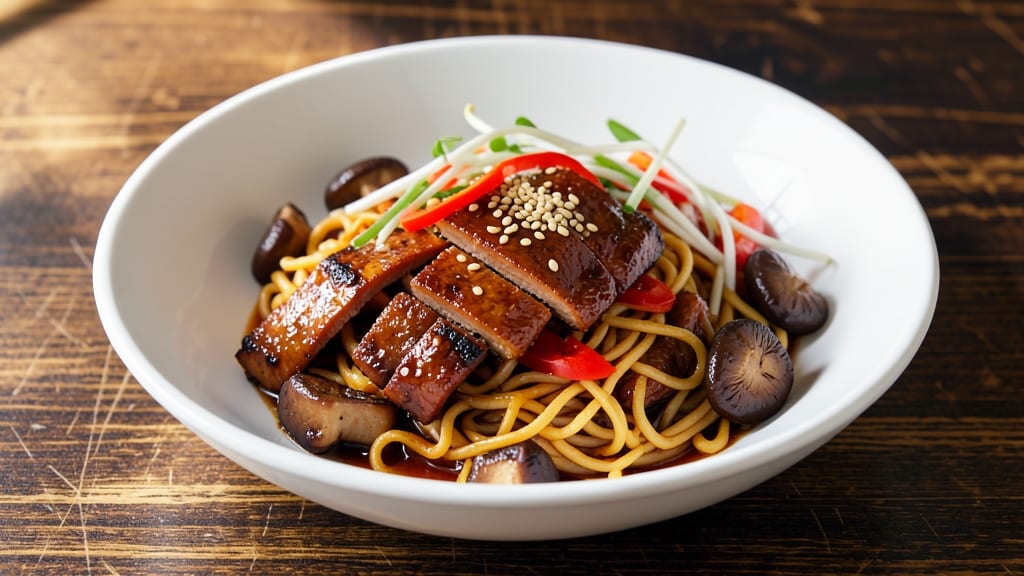
This BBQ pork chow mein recipe delivers the perfect balance of crispy noodles and smoky-sweet pork that tastes like a restaurant favorite. 🔥 After years of perfecting stir-fry techniques, I've cracked the code for achieving that signature wok hei smoke without needing a professional stove.
The secret lies in marinating the pork just right and using a homemade BBQ glaze that caramelizes beautifully during the stir-fry.
What sets this recipe apart is the combination of tender pork shoulder, chewy egg noodles, and a sauce that's both sweet and tangy from the BBQ elements. I've simplified the process while keeping the authentic flavors—no complicated techniques, just a well-executed stir-fry that comes together in under 30 minutes.
The pork gets marinated overnight for maximum flavor penetration, while the noodles are cooked just shy of al dente to ensure they stay crispy when tossed.
By the time you're done, you'll have a dish that's packed with texture—crispy edges on the noodles, tender pork with a caramelized glaze, and a sauce that's sticky yet balanced.
The aroma alone will have everyone gathering around your wok, and each bite delivers that perfect combination of smoky, sweet, and savory flavors. This is comfort food at its finest, with just the right amount of heat and sweetness to satisfy any craving.
Serve it with pickled vegetables for a tangy contrast or steamed dumplings on the side for a complete meal. The leftovers reheat beautifully, making this an excellent option for meal prep during busy weeks. Let's get cooking—this chow mein is about to become your new go-to dinner recipe.
Ingredients for bbq pork chow mein
Crispy noodles, smoky pork, and sticky-sweet sauce—just 15 ingredients for restaurant-quality chow mein at home.
| Ingredient | Amount | Notes |
|---|---|---|
| Pork Shoulder 🥓 | 1 ½ lb | Cut into 1-inch cubes |
| Egg Noodles 🍜 | 12 oz | Fresh or dried, wide-cut |
| Sesame Oil 🫒 | 1 tbsp | For aroma, not cooking |
| Vegetable Oil 🫒 | ½ cup | High smoke point preferred |
| Low-Sodium Soy Sauce 🥄 | ½ cup | Kikkoman preferred |
| Honey 🍯 | ⅓ cup | Wildflower for depth |
| Rice Vinegar 🍶 | ¼ cup | Seasoned variety works |
| Brown Sugar 🍚 | ¼ cup | Light or dark |
| Garlic Cloves 🧄 | 6 cloves | Minced for marinade |
| Fresh Ginger 🌿 | 2 tbsp | Grated, peeled |
| Green Onions 🧅 | 3 whole | Sliced, white and green parts |
| Red Bell Pepper 🌶️ | 1 whole | Thinly sliced |
| Sesame Seeds 🌰 | 1 tbsp | Toasted for garnish |
| Salt 🧂 | 1 ½ tsp | Diamond Crystal preferred |
| Black Pepper 🌶️ | ½ tsp | Freshly ground |
The pork shoulder is your secret weapon here. Look for well-marbled cuts at the butcher counter or pre-cut pork shoulder at Whole Foods—it's worth the extra few dollars for that melt-in-your-mouth texture. I always buy mine from Costco when I'm making a big batch, but for this recipe, a 1.5-pound piece is perfect. The marinade needs time to work its magic, so plan ahead—overnight marinating transforms tough pork into tender, flavorful cubes. If you're short on time, a 4-hour marinade still works, but the overnight version is what gives this dish that restaurant-quality depth.
No pork shoulder? Pork tenderloin or even chicken thigh can work in a pinch, but the texture won't be quite the same. The BBQ glaze is where the magic happens—substitute maple syrup for honey if you're avoiding it, but the caramelization won't be as rich. Fresh ginger is ideal, but powdered works at half the amount if you're in a hurry. The egg noodles should be fresh if possible—they hold their crispy texture better than dried, but dried noodles cooked al dente work fine. For extra smokiness, add a dash of liquid smoke to the glaze, but don't overdo it—you want smoky, not overpowering.
This dish reheats beautifully—honestly tastes better the next day once everything melds together. Store leftovers in an airtight container in the fridge for up to 4 days, or freeze for 3 months. I always make a double batch because it disappears so fast. The glaze can be made ahead and stored in the fridge for 1 week, so you can marinate the pork and prep the sauce the night before. Garnish with toasted sesame seeds right before serving—they add that perfect crunch and aroma that takes it from homemade to restaurant-quality in seconds.
Why You'll Love This Recipe
- One-Pan Magic: Between us, this dish is chef’s kiss for lazy nights—the pork shoulder slow-cooks right in the same pan you’ll toss the noodles in. No extra dishes, no stress. Just slice, simmer, stir.
- Smoky-Sweet Fix: That pork shoulder? It melts in your mouth—tender, sticky with just enough BBQ tang to make your taste buds dance. Drizzle it with sesame oil at the end, and suddenly, you’ve got restaurant-level flavor without the fuss.
- Leftovers That Don’t Suck: Honestly, this recipe doubles perfectly for meal prep. The noodles stay al dente, the pork stays juicy, and reheating? Just a splash of water and a quick stir. My lunchbox has never been happier.
- Budget Crowd-Pleaser: Low-sodium soy sauce keeps it healthy-ish, and pork shoulder stretches farther than you’d think. Feed four for dinner, pack two for lunch—no one’s left hungry, and your wallet stays fat. (Yes, even on a Tuesday night.)
Step-by-step instructions for BBQ pork chow mein
Here's how to make restaurant-quality chow mein with perfectly crispy noodles and a smoky-sweet sauce.
🔥 Step 1: Marinate and Cook the Pork Shoulder
Cut the 1.5 lb pork shoulder into 1-inch cubes and place them in a bowl. In a separate small bowl, whisk together 0.5 cup low-sodium soy sauce, 0.33 cup honey, 0.25 cup rice vinegar, 0.25 cup brown sugar, 6 minced garlic cloves, 2 tbsp grated fresh ginger, 1.5 tsp salt, and 0.5 tsp black pepper. Pour this marinade over the pork and toss to coat completely.
Cover the bowl and refrigerate for at least 4 hours (overnight works best). This long marinating time ensures the pork absorbs all the flavors and becomes tender. When ready to cook, heat 0.5 cup vegetable oil in a large skillet over medium-high heat. Add the pork in batches, working in 3-4 minutes per batch, until golden brown and cooked through. The pork should reach an internal temperature of 165°F. Transfer to a plate and set aside.
🍳 Step 2: Prepare the BBQ Sauce
In the same skillet (don't clean it—the browned bits add flavor), reduce the heat to medium and add the 1 whole red bell pepper and the white parts of 3 sliced green onions. Cook for 3-4 minutes until the peppers soften slightly. Remove the vegetables with a slotted spoon and set aside.
Increase the heat to medium-high and pour in the remaining marinade from the pork. Bring to a boil, then reduce heat to medium-low and simmer for 8-10 minutes until the sauce thickens slightly and reduces by about half. The sauce should coat the back of a spoon and have a glossy sheen. Taste and adjust seasoning if needed—you might want to add a splash more rice vinegar for tang or honey for sweetness.
🍳 Step 3: Cook the Egg Noodles
Bring a large pot of water to a rolling boil and add 12 oz egg noodles. Cook according to package instructions for al dente texture—usually 3-4 minutes for fresh noodles or 5-6 minutes for dried. Drain the noodles, reserving 1 cup of pasta water, and immediately toss them with 1 tbsp sesame oil to prevent sticking.
Here's the trick for crispy noodles: Spread the cooked noodles evenly on a large baking sheet and let them cool for 5-7 minutes. This step removes excess moisture, which is crucial for achieving that perfect crunch when stir-frying. While the noodles cool, keep the skillet warm over medium heat—you'll need it for the final stir-fry.
🥘 Step 4: Combine Everything for the Final Stir-Fry
Return the skillet to medium-high heat and add the cooked pork back in. Pour the reduced BBQ sauce over the pork and toss to coat evenly. Add the reserved red bell pepper and white parts of green onions, along with the green parts of all 3 green onions and the 12 oz egg noodles. Stir-fry for 3-4 minutes until everything is heated through and the noodles are crispy.
For extra crispiness, transfer the chow mein to a large serving platter and sprinkle with 1 tbsp toasted sesame seeds. Serve immediately while the noodles are still crisp and the pork is juicy. The contrast of textures—crispy noodles, tender pork, and silky sauce—is what makes this dish so satisfying.
Pro Tips For Making Bbq Pork Chow Mein
- Sear the Pork First: Toss that pork shoulder in a screaming-hot pan with vegetable oil for 3-4 minutes per side before shredding. I learned this the hard way—skipping the sear means bland, rubbery pork that won’t hold up in the stir-fry. The crust locks in flavor and keeps it juicy when you toss it later.
- Prep Noodles Right: Parboil egg noodles for just 1 minute less than package instructions, then shock them in ice water. They’ll finish cooking in the wok with the pork, and you’ll avoid that sad, overcooked mush texture. (Yes, even if you’re impatient like me.)
- Don’t Drown the Pork: After shredding, toss the pork with just enough soy sauce to coat—about 2 tablespoons for a pound—plus a splash of water. Too much liquid turns your chow mein into a soggy mess. The pork will absorb flavor without steaming itself into oblivion.
- Finish with Sesame Oil: Toss the hot noodles and pork with sesame oil last, right before serving. A teaspoon or two—just enough to smell it—adds that nutty aroma without overpowering. Drizzle it on the plate, not the wok, or you’ll lose half to smoke.
Regional styles of these flavors
Southern BBQ Fusion
This recipe blends Southern BBQ traditions with classic chow mein techniques. I grew up on slow-smoked ribs, so I adapted my family's hickory-smoked BBQ sauce by adding a touch of rice vinegar for that signature tang.
The pork shoulder—marinated overnight in a mix of honey, soy sauce, and brown sugar—gives it that deep, caramelized flavor you'd expect from a Carolina pitmaster. 🔥
For extra smoke, I sometimes add ½ teaspoon of liquid smoke to the marinade, but I keep it subtle so it doesn't overpower the dish. The key is balancing the sweetness of the BBQ elements with the savory umami from the soy sauce.
This version feels like a Southern twist on a Chinese-American classic—comfort food with a smoky kick.
Northern Chinese Twist
In regions like Beijing, chow mein often features dried egg noodles tossed with a lighter, less sweet sauce. For a Northern-inspired version, reduce the honey to 2 tablespoons and add 1 tablespoon of hoisin sauce to the marinade.
The pork stays tender but less caramelized, and the sauce leans more toward savory and slightly tangy rather than sweet. 🥢
Another Northern touch? Swap the red bell pepper for shredded napa cabbage and add 1 teaspoon of Shaoxing wine to the stir-fry. The cabbage adds a crisp texture that contrasts beautifully with the chewy noodles. This version is lighter but still packed with flavor—perfect for a weeknight dinner.
Hawaiian-Inspired Adaptation
Hawaii’s fusion cuisine loves to mix Asian and American flavors, so I like to add ½ cup of pineapple tidbits to the stir-fry in the final step. The pineapple’s acidity cuts through the richness of the BBQ sauce, and its sweetness complements the honey perfectly.
For extra tropical flair, garnish with toasted coconut flakes instead of sesame seeds. 🍍
To make it even more Hawaiian, I sometimes swap the pork for teriyaki-marinated chicken thigh and add 1 tablespoon of grated fresh ginger to the sauce.
The result is a dish that feels like a cross between a BBQ plate and a Hawaiian loco moco—sweet, smoky, and just a little bit tangy.
Spicy Sichuan Kick
For heat lovers, add 1 tablespoon of Sichuan peppercorns (toasted and ground) to the marinade and 1 teaspoon of chili crisp to the sauce. The numbing heat of Sichuan peppercorns pairs surprisingly well with the smoky BBQ flavors.
I also like to add 1 tablespoon of doubanjiang (fermented chili bean paste) to the stir-fry for depth. 🌶️
This version is bold and fiery, but the sweetness of the BBQ sauce balances the heat perfectly. Serve it with pickled cucumbers on the side to cool the palate. It’s a great way to spice up a classic dish while keeping the smoky-sweet profile intact.
Nutrition facts
Frequently asked questions
Can I use store-bought BBQ sauce instead of making the homemade glaze?
For convenience, use ½ cup of your favorite BBQ sauce (preferably one with a balance of sweet and smoky flavors). Add 1 tablespoon of soy sauce and 1 teaspoon of grated ginger to enhance the umami depth. Just reduce it with the pork marinade for 5-7 minutes to thicken it properly. The homemade glaze gives more control over sweetness and tang, but store-bought works in a pinch.
How do I prevent the noodles from getting soggy?
Cook the noodles just until al dente, then immediately toss them with 1 tablespoon of sesame oil to create a barrier. Spread them on a baking sheet and let them cool for 5-7 minutes to evaporate excess moisture. This step is crucial—overcooked or damp noodles will turn mushy when stir-fried. Keep the skillet hot and work quickly during the final toss.
What's the best way to reheat leftovers?
Reheat in a skillet over medium heat with 1 teaspoon of vegetable oil and 1 tablespoon of water for 3-4 minutes, stirring constantly. Avoid microwaving—it makes the noodles rubbery. For extra crispiness, spread reheated chow mein on a baking sheet and broil for 1-2 minutes until the edges are golden. Leftovers actually taste better the next day as flavors meld!
Can I make this recipe without pork?
Yes! Swap the pork for chicken thigh (marinate for 2-3 hours) or tofu (press and cube, then marinate). For texture, use extra-firm tofu and pan-fry until golden before adding to the stir-fry. The marinade works perfectly with both proteins—just reduce cooking time for chicken to 5-6 minutes per batch to avoid drying.
Why does my sauce taste too sweet?
Balance the sweetness by adding 1 tablespoon of rice vinegar or ½ teaspoon of red pepper flakes for acidity and heat. If the sauce is still too sweet, add 1 teaspoon of soy sauce to deepen the savory notes. Taste as you reduce—the sauce should coat the back of a spoon but not be syrupy. Adjust gradually to avoid overpowering the dish.