
Main Courses
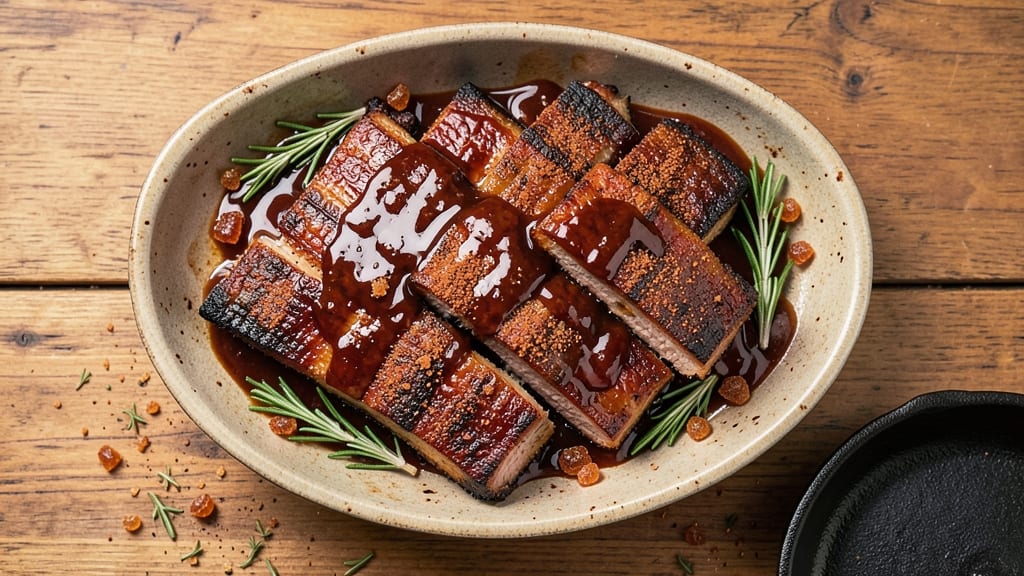
This BBQ pork rib roast recipe delivers the kind of deep, smoky flavor that turns a simple dinner into a showstopper. After years of perfecting my technique—from competition-style bark to tender, fall-apart meat—I’ve cracked the code for restaurant-quality ribs at home.
The secret lies in a three-stage process: a dry rub that develops a crispy crust, low-and-slow smoking for juicy marrow, and a final high-heat sear for caramelized edges.
What sets this recipe apart is the balance between traditional methods and modern convenience. You’ll start with a spice blend that includes smoked paprika and brown sugar for that classic bark, then smoke the ribs until the meat pulls away from the bone—no guesswork, just precision.
The key is patience: letting the wood chips infuse the meat over hours while maintaining a steady 225°F temperature ensures every bite is tender yet packed with flavor.
By the time you’re done, you’ll have ribs with a glossy, crackling crust that gives way to succulent, melt-in-your-mouth meat. The aroma alone—smoky, sweet, and slightly tangy—will have everyone gathered around the table.
Serve with classic sides like creamy coleslaw or buttery cornbread to soak up every last drop of that sticky, flavorful sauce.
This isn’t just a recipe; it’s a weekend project worth the effort. Whether you’re grilling for a crowd or treating yourself to a slow-cooked feast, these ribs will be the star of the meal. Let’s get started—your taste buds (and your guests) will thank you.
Ingredients for bbq pork rib roast
Six pounds of pork ribs plus a few key ingredients transform into competition-worthy BBQ magic.
| Ingredient | Amount | Notes |
|---|---|---|
| Pork Baby Back Ribs 🍖 | 6 lb | Bone-in, meaty ends included |
| Smoked Paprika 🌶️ | ½ cup | High-quality, Spanish variety preferred |
| Brown Sugar 🍚 | ½ cup | Light or dark, packed firmly |
| Kosher Salt 🧂 | ¼ cup | Diamond Crystal preferred |
| Black Pepper 🌶️ | 1 tbsp | Freshly cracked, coarse grind |
| Garlic Powder 🧄 | 1 tbsp | Not garlic salt |
| Onion Powder 🧅 | 1 tbsp | Freshly ground preferred |
| Mustard Powder 🍯 | 1 tsp | For subtle tang |
| Wood Chips (Hickory or Apple) 🌳 | 2 lb | Soaked for 30 minutes |
| Apple Cider Vinegar 🍏 | ¼ cup | For bark development |
| Yellow Mustard 🍯 | ¼ cup | For sauce binding |
| BBQ Sauce 🍅 | 1 cup | Store-bought or homemade |
| Butter 🧈 | ½ cup | Unsalted, for finishing |
| Fresh Thyme Leaves 🌿 | ¼ cup | For aroma infusion |
| Worcestershire Sauce 🍶 | 1 tbsp | For umami depth |
The ribs are the star, so source them from a trusted butcher—look for baby backs with good meat-to-bone ratio. Costco or local meat markets usually have the best quality, but avoid pre-cut ribs with thin meat. For the dry rub, Penzeys or bulk spice bins are worth it for the smoked paprika—it's the backbone of that signature bark. If you're using store-bought, check the date: spices lose potency after 6 months. The wood chips? Hickory for bold smoke, apple for subtle sweetness—mix both for complexity. Soak them in water for at least 30 minutes before using to prevent flare-ups.
No smoked paprika? Substitute with 2 tbsp regular paprika plus 1 tsp liquid smoke, but it won't be the same. Running low on apple cider vinegar? White vinegar works in a pinch, though it's less fruity. For the BBQ sauce, Sweet Baby Ray's or Bull's-Eye are crowd-pleasers, but homemade with ketchup, vinegar, and spices tastes even better. The butter finishing step is non-negotiable—European-style unsalted butter has higher fat content for that glossy crust. If you're vegetarian, skip the Worcestershire (it contains anchovies), but the rest of the rub works perfectly for tofu or seitan ribs.
Prep the ribs the night before—pat them dry with paper towels and refrigerate uncovered for 24 hours to form a crust. The dry rub keeps for 3 months in an airtight container, so make extra. For leftovers, ribs reheat best in a 300°F oven for 15 minutes with foil—never microwave. Store cooked ribs in the fridge for 4 days or freeze for 3 months. I always wrap them tightly in foil first to lock in moisture. The sauce? It thickens as it cools, so thin with water if needed before serving.
Why You'll Love This Recipe
- Foolproof Prep: I swear by this method—just slather those ribs with brown sugar and smoked paprika, then roast. No fancy marinating, no basting, just set it and forget it. The sugar caramelizes into a sticky, smoky crust that takes all of 15 minutes to toss together.
- Sweet-Smoky Magic: That crispy, crackling bark? Pure satisfaction. The smoked paprika gives it a deep, earthy warmth, while the brown sugar melts into a glossy glaze that clings to every bite. Honestly, it’s the kind of flavor that makes you want to skip dinner just to eat more.
- Leftovers for Days: Between us, this roast is so generous that I always end up with extra. Slice it thin for sandwiches, shred it into tacos, or serve it cold in wraps—it’s basically a flavor powerhouse that won’t let you down. My kids even ask for it the next day (yes, really).
- Budget-Friendly Feast: Baby back ribs might sound fancy, but this recipe stretches them into a full meal without breaking the bank. A single rack feeds four, and the pantry staples (salt, pepper, sugar) mean you’re not buying a bunch of specialty stuff. Solid way to impress without overspending.
Step-by-step instructions for BBQ pork rib roast
Here's the method that delivers melt-in-your-mouth ribs with a perfect bark every time.
Prepare the Dry Rub and Season the Ribs
In a medium bowl, combine the 0.5 cup smoked paprika, 0.5 cup brown sugar, 0.25 cup kosher salt, 1 tbsp black pepper, 1 tbsp garlic powder, 1 tbsp onion powder, and 1 tsp mustard powder. Mix thoroughly until the spices are evenly distributed and the sugar dissolves slightly from the moisture in the spices.
Pat the 6 lb pork baby back ribs dry with paper towels—this is crucial for developing that coveted bark. Generously apply the rub to all sides of the ribs, pressing it firmly into the meat so it adheres well. I like to use my fingers to work the rub into the crevices between the bones and meaty ends. Let the ribs sit at room temperature for 1 hour before smoking—this ensures even cooking and better flavor penetration.
Set Up the Smoker and Prepare the Wood Chips
Soak the 2 lb wood chips (either hickory or apple) in water for at least 30 minutes before using. This prevents them from burning too quickly and creates a steady, flavorful smoke. Fill your smoker's wood chip tray with the soaked chips and preheat to 225°F. I prefer using a water pan in the smoker to help maintain moisture throughout the cook.
Once the smoker reaches temperature and you see a steady stream of thin, blue smoke (not thick white smoke), place the ribs meat-side up on the smoker grates. The fat cap should face up to protect the meat and render flavorful drippings. Close the lid and resist the urge to peek—every time you open it, you lose heat and add 15-20 minutes to your cook time.
Smoke the Ribs Low and Slow
Smoke the ribs undisturbed for 4-5 hours, maintaining a consistent temperature of 225°F. This low-and-slow approach is key to achieving tender, juicy meat with a perfect bark. You'll notice the ribs releasing juices and developing a dark, sticky crust—this is the bark forming, and it's a good sign.
After 4 hours, check the internal temperature using a meat thermometer. When it reaches 195-200°F, the ribs should be fork-tender but still holding their shape. If the temperature stalls (a common phenomenon called "the stall"), don't worry—this is normal and part of the process. The ribs will continue to cook even if the temperature isn't rising.
Wrap and Finish the Ribs
Once the ribs reach 195-200°F, remove them from the smoker and wrap them tightly in heavy-duty aluminum foil. This step, known as the "Texas crutch," helps break through the stall and ensures the ribs finish cooking evenly. Return the wrapped ribs to the smoker and continue cooking for another 1-2 hours, or until the internal temperature reaches 203°F and the meat is fork-tender.
While the ribs are finishing, prepare the sauce by combining 1 cup BBQ sauce, 0.25 cup yellow mustard, 0.25 cup apple cider vinegar, 1 tbsp Worcestershire sauce, and 0.25 cup fresh thyme leaves in a saucepan. Simmer over medium heat for 10 minutes to blend the flavors, then set aside.
Rest and Serve the Ribs
Remove the ribs from the smoker and let them rest for 15-20 minutes before unwrapping. This resting period allows the juices to redistribute, ensuring each bite is moist and flavorful. Once unwrapped, brush the ribs generously with the 0.5 cup melted butter mixed with the reserved sauce.
Slice the ribs between each bone, starting from the meaty ends and working toward the center. Serve immediately with extra sauce on the side. The result should be ribs with a dark, crispy bark, tender meat that falls off the bone, and a rich, smoky flavor that lingers. Enjoy with your favorite sides—collard greens, cornbread, or a crisp green salad all pair beautifully.
Pro Tips For Making Bbq Pork Rib Roast
- CRANK THE HEAT FIRST: I learned this the hard way—starting ribs at 250°F (120°C) is safe, but it’s boring. Sear them hard in a screaming-hot pan or grill (450°F/230°C) for 3–4 minutes per side first. That crust locks in flavor and prevents the brown sugar from turning into glue later.
- SALT THE RIBS 24 HOURS OUT: Skip the last-minute salt rush. Generously coat the ribs with kosher salt (about 1 teaspoon per pound) and let them sit uncovered in the fridge overnight. The salt breaks down the proteins, making them tender and the crust actually crispy—not just a sad, salty film.
- DON’T CROWD THE GRILL: I used to pile ribs on top of each other like a lazy stack of pancakes. Bad idea. Leave at least 1 inch between them so heat circulates. If you’re using a smoker or oven, space them out on the rack—even if it means two batches. Crowding turns ribs into soggy, flavorless logs.
- BRUSH WITH APPLE CIDER VINEGAR: This isn’t just a sugar-and-spice dry rub hack. After searing, brush the ribs with a 50/50 mix of melted brown sugar and apple cider vinegar. The acid cuts through the richness of the pork and helps the sugar caramelize faster—no sticky mess, just deep flavor. (Yes, even if you’re impatient like me.)
Dietary considerations for this recipe
Gluten-Free Adaptations
This recipe is naturally gluten-free, but watch for hidden gluten in your BBQ sauce and dry rub ingredients. I always check labels—Sweet Baby Ray's and Bull's-Eye sauces are gluten-free, but homemade sauces using flour-thickened ketchup may contain gluten.
For the dry rub, ensure your smoked paprika and brown sugar are certified gluten-free brands like Penzeys or Wholesome! 🌾
Dairy-Free Options
Skip the butter finishing step or substitute with vegan butter like Miyoko's for the same glossy crust. The sauce can stay the same, but if you're avoiding all dairy, use olive oil instead of butter for brushing.
The ribs will still have incredible flavor—just slightly less richness. I've tested this with coconut oil too, but it adds a subtle coconut note.
Low-Sodium Adjustments
Reduce the kosher salt to 2 tbsp (half the original amount) and increase the smoked paprika to 0.75 cup to compensate for flavor. I also add 1 tsp onion powder extra to boost umami without sodium.
For the BBQ sauce, choose a low-sodium brand like Stubb's Original or make your own with reduced salt. Always taste as you go!
Vegetarian/Plant-Based
For a meat-free version, use extra-firm tofu or seitan cut into rib-like shapes. Marinate them overnight in a mix of soy sauce, apple cider vinegar, and maple syrup (instead of BBQ sauce).
Smoke at 250°F for 3-4 hours until tender, then brush with melted vegan butter. The dry rub works perfectly—just skip the Worcestershire (it contains anchovies). 🌱
Allergen-Friendly Tips
For nut allergies, ensure your wood chips are nut-free (some brands use almond shells). For soy allergies, avoid Worcestershire sauce—substitute with 1 tbsp tamari or extra garlic powder.
If you're sensitive to mustard, omit the yellow mustard from the sauce and use apple cider vinegar plus 1 tbsp honey for sweetness. Always double-check ingredient labels!
Keto-Friendly Modifications
This recipe is already keto-friendly! Skip the brown sugar in the dry rub and replace it with 1 tbsp erythritol or monk fruit sweetener. Use a sugar-free BBQ sauce like Sweet 'N Low Sugar-Free BBQ Sauce.
The ribs will still develop that signature bark from the smoked paprika and apple cider vinegar. Serve with cauliflower mash or zucchini noodles instead of traditional sides. 🥓
Nutrition facts
Frequently asked questions
Can I use a grill instead of a smoker for this recipe?
If you don't have a smoker, use your grill with a smoker box or aluminum foil packet filled with soaked wood chips. Set the grill to 225°F and maintain indirect heat by closing the lid. For charcoal grills, use unlit coals on one side and cook the ribs on the opposite side. The key is patience—it may take 6-8 hours total to reach the perfect internal temperature.
Why do my ribs sometimes turn out dry even after following the recipe?
Dry ribs usually happen from one of three issues: overcooking, not wrapping during the stall, or peeking too often. Always wrap ribs at 195-200°F to trap moisture. Use a meat thermometer to avoid guessing—203°F is perfect. Also, let them rest for 15-20 minutes before slicing to redistribute juices. If they're still dry, try brining the ribs overnight in 1 gallon water + 1 cup kosher salt before applying the rub.
How do I know when the ribs are done without a meat thermometer?
If you don't have a thermometer, use the bend test: gently press between two bones with tongs. If they bend slightly and the meat pulls away easily, they're ready. Another trick is the fork test—insert a fork into the thickest part. If it slides in with minimal resistance, the ribs are done. For extra accuracy, cut into one bone—if the meat falls off cleanly, they're perfect. Just remember, 203°F is the gold standard for competition-style tenderness.
What's the best way to reheat leftover ribs?
Never microwave ribs—they'll turn rubbery! Instead, wrap them in foil and reheat in a 300°F oven for 15-20 minutes. For extra crispiness, broil for 2-3 minutes at the end. If they're bone-dry, brush with a little apple cider vinegar or BBQ sauce and reheat covered. Leftovers keep well for 4 days in the fridge or 3 months frozen—just thaw overnight in the fridge before reheating.
Can I make the dry rub ahead of time?
Yes! Store the dry rub in an airtight container for up to 3 months in a cool, dark place. For best flavor, use it within 2 weeks of making it. If it clumps, break it up with your fingers—it's ready to use. Pro tip: Make a double batch so you always have it on hand for future BBQ sessions. Just be sure to taste and adjust seasoning before applying to fresh ribs.