
Main Courses
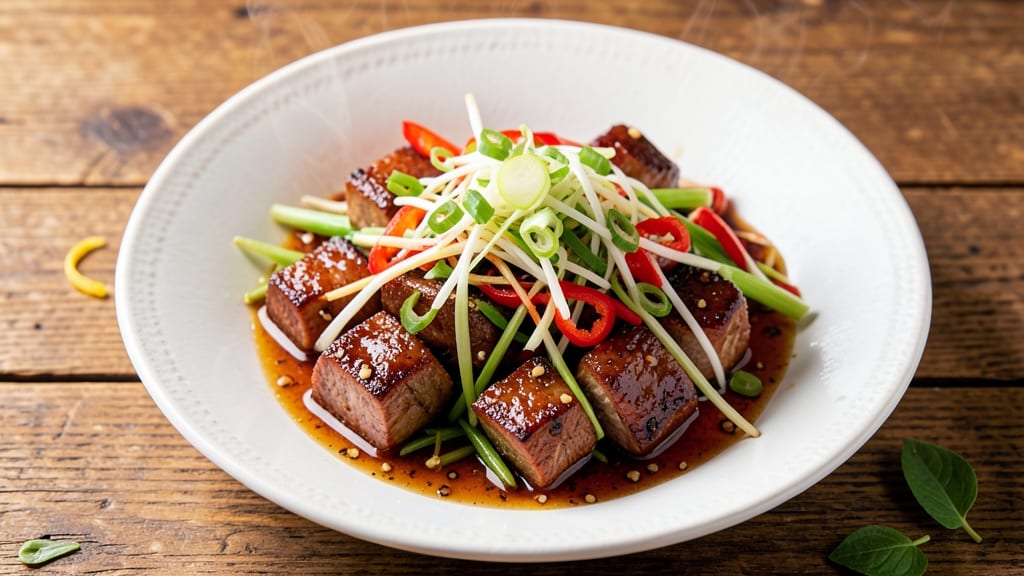
This bean sprout pork recipe delivers the perfect balance of crispy edges and tender meat, paired with fresh bean sprouts for that signature crunch. After years of perfecting stir-fry techniques in my Atlanta kitchen, I’ve developed a method that ensures restaurant-quality results at home—no wok required.
The secret lies in high-heat searing followed by a quick braise, locking in juices while building caramelized flavor.
The pork cuts into bite-sized pieces that stay tender throughout, thanks to a marinade of soy sauce, rice vinegar, and a touch of honey—just enough sweetness to complement the savory depth. Bean sprouts add freshness and texture, while optional bell peppers or scallions bring color and brightness.
This dish is as satisfying as it is simple, proving that bold flavors don’t require complicated techniques.
What you’ll end up with is a plate that’s visually striking—golden pork with vibrant green sprouts—while delivering a harmonious blend of textures and tastes. The pork achieves that coveted crispy-yet-tender contrast, and the bean sprouts retain their snap, ensuring every bite is fresh and satisfying.
It’s the kind of meal that feels special yet comes together in under 30 minutes.
Serve it over steamed rice or noodles for a complete dish, or as a standalone stir-fry that’s hearty enough for a main course. The beauty of this recipe is its versatility—adjust the seasoning to your taste, swap in other vegetables, or even use leftover pork for sandwiches the next day.
Here’s how to make it perfectly every time.
Ingredients for bean sprout pork
Fresh pork, crispy edges, and vibrant sprouts—just five key ingredients make this dish shine.
| Ingredient | Amount | Notes |
|---|---|---|
| Pork Tenderloin 🥩 | 1 ½ lb | Cut into 1-inch cubes |
| Bean Sprouts 🌱 | 4 cups | Fresh, rinsed and drained |
| Red Bell Pepper 🌶️ | 1 whole | Thinly sliced, optional |
| Green Onion 🧅 | 3 whole | Thinly sliced, for garnish |
| Soy Sauce 🥄 | ½ cup | Low-sodium preferred |
| Rice Vinegar 🍶 | 2 tbsp | White or seasoned |
| Honey 🍯 | 1 tbsp | For subtle sweetness |
| Sesame Oil 🫒 | 1 tbsp | Toasted, for aroma |
| Neutral Oil 🫒 | 2 tbsp | Vegetable or canola |
| Garlic Cloves 🧄 | 4 cloves | Minced, for marinade |
| Ginger Root 🌿 | 1 tbsp | Freshly grated |
| Cornstarch 🌾 | 1 tbsp | For crispy coating |
| Salt 🧂 | 1 tsp | Kosher or sea salt |
| Black Pepper 🌶️ | ½ tsp | Freshly ground |
| Steamed White Rice 🍚 | 2 cups | For serving |
The pork tenderloin is your star, so look for cuts with good marbling—it keeps the meat juicy while searing. Publix or Whole Foods carry excellent quality, or ask your butcher for a well-trimmed piece. Cutting it into even 1-inch cubes ensures consistent cooking. The bean sprouts? Trader Joe's has the freshest—bright green and crisp. If using bell peppers, red or yellow varieties add the most vibrant color, but green works too. Pro tip: Rinse the sprouts just before using to keep them crisp.
No soy sauce? Coconut aminos works in a pinch, though the flavor won’t be identical. Running low on rice vinegar? Apple cider vinegar at half the amount adds tang, but the sweetness will be less balanced. The honey can be swapped for maple syrup if you’re avoiding it, though it’ll be slightly thicker. For extra crispiness, toss the pork cubes in cornstarch mixed with salt and pepper before searing—game changer. And if you’re feeling adventurous, swap the bell pepper for shredded cabbage or snap peas for a different texture.
Pork cubes keep best in the fridge for 2 days if prepped ahead—marinate them overnight for deeper flavor. Bean sprouts last 5-7 days in the crisper drawer, but use them within 3 days for maximum crunch. The cooked pork reheats beautifully—just toss with a splash of soy sauce and sesame oil. For meal prep, store components separately: pork, sprouts, and sauce. Assemble fresh to keep everything crisp. Leftovers? Toss with noodles for a quick stir-fry the next day.
Why You'll Love This Recipe
- Pork in 15 Minutes: I swear, the tenderloin slices so fast it barely gets a chance to resist. Thin strips hit the pan, a splash of soy sauce, and boom—crispy edges before the sprouts even finish blanching. (Yes, even on a Tuesday night.)
- Umami Bomb Combo: That first bite? The pork’s savory punch meets the fresh crunch of sprouts, then the bell pepper’s sweetness sneaks in like a flavor ninja. Honestly, I’ve tried fancy sauces, but this simple soy-soaked magic does the trick every time.
- Lunchbox Hero: Between us, this is my go-to for packed lunches—keeps for three days in the fridge without getting sad. Toss with rice or eat cold; the pork stays tender and the sprouts add that just-picked snap. (My coworker’s been asking for the recipe.)
- Budget Flex: Pork tenderloin’s lean but still feels special, and sprouts stretch a dollar like crazy. I’ll be real: it’s not the prettiest, but the taste makes up for it. Plus, leftovers reheat like a dream—no drying out, just warm, satisfying bites.
Step-by-step instructions for crispy bean sprout pork
Here's how to transform simple ingredients into a restaurant-quality dish with perfect texture and bold flavors.
Marinate the Pork for Maximum Flavor
In a large bowl, combine the 1.5 lb pork tenderloin cut into 1-inch cubes with the 0.5 cup soy sauce, 2 tbsp rice vinegar, 1 tbsp honey, 4 cloves minced garlic, and 1 tbsp freshly grated ginger root. Use your hands to gently coat each piece of pork thoroughly in the marinade. This step ensures tender meat with deep, balanced flavors.
Cover the bowl and refrigerate for at least 30 minutes (I prefer 1 hour for maximum tenderness). The acidity in the rice vinegar and soy sauce will begin breaking down the proteins, while the honey adds just enough sweetness to complement the savory elements. Don't skip this—it's what makes the pork fall-apart tender.
Create the Crispy Cornstarch Coating
In a separate bowl, whisk together the 1 tbsp cornstarch, 1 tsp salt, and 0.5 tsp black pepper. This dry mixture is your secret weapon for achieving that perfect crispy exterior while keeping the pork tender inside. The cornstarch creates a light, lacy crust that contrasts beautifully with the juicy pork.
Remove the pork from the marinade (reserve the marinade for later) and pat each piece dry with paper towels. This step is crucial—any moisture will prevent the cornstarch from forming a proper crust. Toss the dry pork cubes in the cornstarch mixture until they're evenly coated. Don't worry if it looks like too much; trust me, the crust will be just right when cooked.
Cook the Pork to Perfect Doneness
Heat 2 tbsp neutral oil in a large skillet over medium-high heat until shimmering. Add the coated pork in a single layer and let it cook undisturbed for 3-4 minutes until the cornstarch coating turns golden brown and crispy. This is where the magic happens—the crust forms while the pork remains juicy inside.
Carefully flip the pork pieces and cook for another 2-3 minutes until they reach an internal temperature of 145°F. You'll know they're done when the pork releases easily from the pan and the crust is deep golden brown. Remove the pork and set aside, keeping it warm. The residual heat will finish cooking the pork perfectly.
Prepare the Fresh Vegetable Topping
In the same skillet (no need to clean it—the browned bits add flavor), add 1 tbsp sesame oil and heat over medium heat. Add the 4 cups bean sprouts and stir-fry for 2-3 minutes until they're bright green and just beginning to wilt. Add the 1 whole thinly sliced red bell pepper and cook for another 1-2 minutes until slightly softened but still crisp.
Pour in the reserved marinade from the pork and let it simmer for 1-2 minutes until slightly reduced. The bean sprouts should be tender-crisp with just a hint of wok hei (breath of the wok) aroma. Season with a pinch more salt if needed, but the soy sauce should have already provided plenty of flavor.
Assemble and Garnish for Serving
Return the crispy pork to the skillet with the bean sprouts and toss everything together gently. The pork will soak up just enough of the sauce to become flavorful without falling apart. Divide the 2 cups steamed white rice among serving plates and top each portion with the pork and vegetable mixture.
Garnish with 3 whole thinly sliced green onions for freshness and a final drizzle of 1 tbsp sesame oil for aroma. The contrast of crispy pork, tender bean sprouts, and warm rice creates the perfect balance of textures in every bite. Serve immediately while everything is hot and the pork is at its crispiest.
Pro Tips For Making Bean Sprout Pork
- Slice Pork Thin First: I learned this the hard way—trying to sear thick chunks of tenderloin in a stir-fry just turns them into chewy rubber. Cut the pork into ¼-inch slices before cooking, then separate into thin strips. The heat will work faster, and you’ll end up with perfectly tender, evenly cooked pieces that don’t turn to mush when tossed with the sprouts.
- Blanch Sprouts for Crunch: Bean sprouts wilt into sad, soggy piles if you toss them in raw. Give them a quick 30-second blanch in boiling water, then shock in ice water—this keeps them crisp while still softening enough to absorb flavor. Skip this, and you’ll end up with a dish that tastes like you microwaved the greens instead of stir-frying them.
- Use Less Soy Sauce: Start with half the soy sauce you think you need. The pork releases its own juices, and the bell pepper and green onion add natural umami. Taste as you go—most recipes overdo it, leaving the dish salty and masking the pork’s clean flavor. A splash of rice vinegar at the end brightens everything up without extra sodium.
- Sear Pork in Batches: Crowding the pan drops the temperature, and you’ll end up with greasy, unevenly cooked pork. Work in two batches if needed—high heat, no overfilling. The first batch should get a quick crust in 30 seconds; if it’s sticking, your pan isn’t hot enough. Patience here guarantees that crispy edge we all crave.
Serving suggestions for bean sprout pork
Rice Pairings
Steamed jasmine rice is my go-to base for this dish—its delicate floral notes complement the pork's savory depth without overpowering. Cook 2 cups of rice (about 1 cup dry) for four servings, and fluff it just before serving to keep the grains separate.
For extra flair, I sometimes mix in ½ cup cooked black rice for visual contrast and a nutty undertone. 🍚
Noodle Alternatives
Swap rice for egg noodles or ramen noodles for a quick, comforting twist. Cook 8 oz noodles according to package, drain, and toss with 1 tbsp sesame oil and 1 tsp soy sauce before serving.
The noodles soak up the pork's juices beautifully, making every bite hearty and satisfying. I love this option for a lighter, grab-and-go meal.
Fresh Garnishes
Brighten the dish with thinly sliced cucumber or mandarin orange segments for a refreshing crunch. The cool, crisp texture cuts through the richness of the pork. I also sprinkle toasted sesame seeds (about 1 tsp) over the top for a nutty crunch.
For a smoky touch, add ½ tsp smoked paprika to the pork marinade before cooking.
Sauce Enhancements
Drizzle the finished dish with sriracha mayo (mix 2 tbsp mayo with 1 tsp sriracha) for a creamy, spicy kick. Alternatively, a peanut sauce (blend 2 tbsp peanut butter, 1 tbsp soy sauce, 1 tsp honey, and 1 tsp lime juice) adds richness.
Both sauces elevate the dish without overwhelming the pork's natural flavors.
Side Dish Pairings
Serve with quick-pickled vegetables (thinly sliced carrots and daikon in 1 tbsp rice vinegar and 1 tsp sugar) for a tangy contrast. A simple cucumber salad (julienned cucumber tossed with 1 tbsp sesame oil and ½ tsp chili flakes) adds freshness.
For a heartier meal, pair with steamed bok choy or stir-fried bok choy—its slight bitterness balances the dish perfectly.
Presentation Tips
Arrange the pork and bean sprouts in a mound over rice for an elegant presentation. Use a ring mold to shape the rice into neat circles, then top with pork and garnish.
For a rustic touch, serve in individual cast-iron skillets—the residual heat keeps everything warm while adding a cozy, homestyle vibe. A final drizzle of sesame oil and sprinkle of green onions make the dish visually stunning. ✨
Nutrition facts
Frequently asked questions
Can I use pork shoulder instead of tenderloin for this recipe?
Pork shoulder works beautifully—just cut it into 1-inch cubes and marinate for at least 2 hours (overnight is best) to tenderize the tougher meat. Use the same method for crispy edges, but expect slightly longer cooking time (4-5 minutes per side) to render fat and achieve doneness at 160°F internal temp.
How do I keep the bean sprouts extra crispy?
Rinse them just before cooking and pat very dry with paper towels. Stir-fry over high heat for no more than 2 minutes—they should stay bright green with just a slight wilt. For even more crunch, add them to the skillet only in the last 30 seconds of cooking.
What's the best way to reheat leftovers?
Toss cold pork with 1 tsp soy sauce and ½ tsp sesame oil, then warm in a skillet over medium heat for 2-3 minutes. For sprouts, microwave for 15 seconds with a damp paper towel—this revives their crunch. Never reheat in water (they'll get soggy).
Can I make this gluten-free?
Yes! Swap soy sauce for coconut aminos (1:1 ratio) and use tamari if available. Check your cornstarch is certified gluten-free. The flavor will be slightly different but still delicious. For extra crispiness, use arrowroot powder instead.
Why did my pork turn out tough instead of tender?
This usually happens from overcooking or skipping the marinade. Always cook pork to 145°F internal temp (not well-done). For extra tenderness, add 1 tbsp honey to the marinade and marinate at least 1 hour. If using pork shoulder, cook it low and slow first to render fat before crisping.