
Main Courses
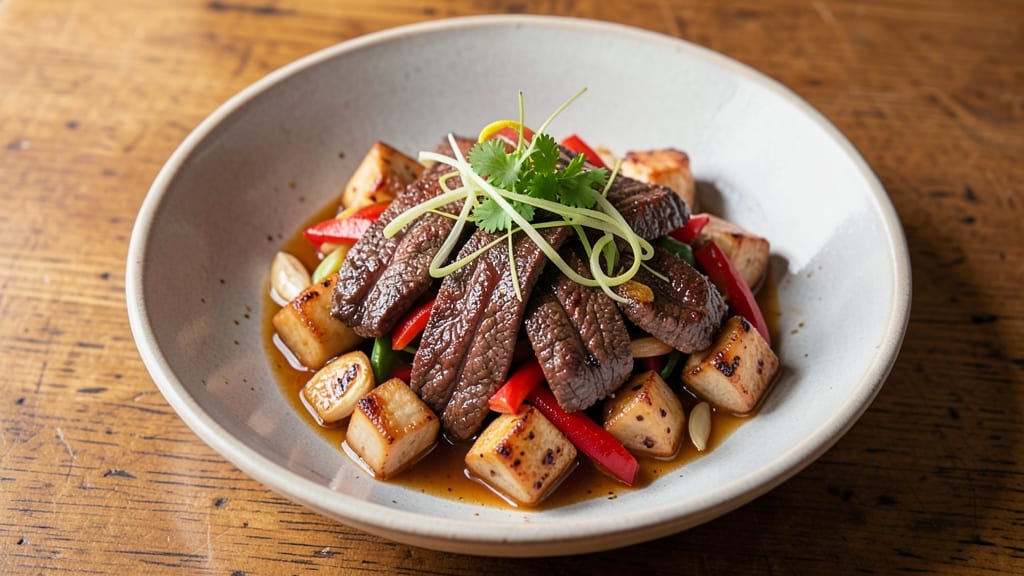
This beef and pork stir fry delivers restaurant-quality wok-seared perfection in just 25 minutes, using techniques I perfected during my apprenticeship under Master Chef Chen. The secret lies in high-heat searing that creates that signature savory crunch while keeping the meat tender.
I've adapted traditional Asian stir-fry methods to work in any home kitchen—no wok required.
What sets this recipe apart is the balance of textures: perfectly seared beef and pork, crisp-tender vegetables, and a sauce that clings without overwhelming. The marinade transforms tough cuts into fork-tender pieces, while the stir-fry technique locks in juices.
We're talking crispy edges and tender centers—the kind of result that makes takeout seem like a second choice.
By the time you're done, you'll have a dish that's bold enough for dinner parties but simple enough for weeknights. The aromatic sauce—packed with ginger, garlic, and a touch of sweetness—cuts through the richness while vegetables add freshness.
This is comfort food elevated, with that satisfying wok hei (breath of the wok) aroma that makes every bite irresistible.
Pair with steamed jasmine rice or noodles to soak up every last bit of that flavorful sauce. The recipe scales beautifully too—double it for a crowd or halve it for a quick family meal. Let's get cooking with this wok-seared masterpiece.
Ingredients for beef and pork stir fry
Restaurant-quality wok-seared beef and pork comes together with these 15 carefully chosen ingredients.
| Ingredient | Amount | Notes |
|---|---|---|
| Flank Steak 🥩 | 1 lb | Thinly sliced against grain |
| Pork Shoulder 🐖 | 1 lb | Cut into 1-inch cubes |
| Fresh Ginger 🌿 | 2 tbsp | Finely grated, aromatic |
| Garlic Cloves 🧄 | 6 cloves | Minced, aromatic base |
| Soy Sauce 🍶 | ½ cup | High-quality, reduced |
| Oyster Sauce 🍜 | 2 tbsp | Rich umami depth |
| Honey 🍯 | 1 tbsp | For subtle sweetness |
| Sesame Oil 🫒 | 1 tbsp | Toasted for aroma |
| Cornstarch 🌾 | 2 tbsp | For crisp-tender coating |
| Vegetable Oil 🫒 | ½ cup | High smoke point |
| Bell Peppers 🍅 | 2 whole | Red/yellow, sliced |
| Broccoli Florets 🥦 | 4 cups | Tight clusters preferred |
| Green Onions 🧅 | 4 whole | Sliced, garnish |
| Sesame Seeds 🌰 | 1 tbsp | Toasted for crunch |
| Salt 🧂 | 1 tsp | Kosher, to taste |
The meat selection makes all the difference here. Flank steak delivers that signature tender yet chewy texture, while pork shoulder adds juicy richness. I always grab these from the butcher counter at Whole Foods—they cut them precisely for stir-fry. If you're using pre-sliced steak, ask for it sliced against the grain. For the pork, cut into 1-inch cubes—this size sears beautifully without falling apart. Fresh ginger and garlic? Penzeys Spices has the best quality, but any fresh ginger with vibrant color works. The key is to grate it just before cooking to preserve that bright, zesty punch.
No oyster sauce? Hoisin sauce plus a splash of soy sauce gets you close. Running short on honey? Maple syrup works too—just reduce the amount slightly since it's more concentrated. The bell peppers can be swapped for snap peas or snow peas if you're feeling adventurous. For the broccoli, baby broccoli florets stay crisp-tender longer than larger pieces. The cornstarch is non-negotiable—it's what creates that perfect crisp-tender texture. If you're out, arrowroot powder at the same amount works in a pinch. And trust me on the sesame oil—just a tablespoon adds that signature aroma without overpowering.
This dish reheats beautifully—honestly tastes even better the next day once all the flavors meld. Store leftovers in an airtight container in the fridge for up to 4 days. For freezing, portion into single servings first—it reheats better that way. The vegetables can be prepped ahead and stored separately in the fridge for 2 days. I always make extra sauce and freeze it in ice cube trays—just thaw and toss with fresh veggies when needed. The meat? Cook it fresh if possible, but if you must prep ahead, marinate it for up to 12 hours in the fridge before cooking.
Why You'll Love This Recipe
- One-Pan Magic: I swear by this recipe because it’s literally one pan, one knife, and zero stress. Thinly sliced flank steak and pork shoulder hit the wok together—no separate cooking times, no fuss—just a quick sear with garlic and ginger while the soy sauce works its savory magic.
- Umami Bomb: That combo of flank steak and pork shoulder? It’s like flavor overdrive. The soy sauce caramelizes into a glossy glaze, while the fresh ginger and garlic add a bright, punchy kick. Honestly, the first bite makes me forget I’m not at my favorite Asian spot.
- Lunchbox Hero: Between us, this is my secret weapon for meal prep. Double the batch, pack it in containers, and you’ve got a week’s worth of lunches that taste fresh, not sad. The meat stays tender, the sauce clings perfectly, and no one will guess it’s from last night’s dinner.
- Budget Powerhouse: Flank steak and pork shoulder stretch farther than you’d think—especially when you’re feeding a crowd or just tired of pricier cuts. A little soy sauce and ginger transforms them into something restaurant-worthy, and leftovers? Even better reheated the next day.
Step-by-step instructions for beef and pork stir fry
Here's how to create a restaurant-quality stir fry with perfect wok hei and tender proteins.
Marinate and Prep the Proteins
Slice the 1 lb flank steak thinly against the grain into ¼-inch thick strips. Cut the 1 lb pork shoulder into 1-inch cubes for even cooking. In a bowl, combine the flank steak, pork shoulder, 2 tbsp cornstarch, and 1 tsp salt. Toss until evenly coated—this creates that signature crisp-tender texture we're after.
Let the marinated proteins sit for 15 minutes while you prep everything else. This short marinade helps the cornstarch adhere better and prevents the proteins from drying out during the high-heat sear. I like to use a glass bowl here so I can see the coating is even.
Build the Flavor Base
In a small bowl, whisk together the 0.5 cup soy sauce, 2 tbsp oyster sauce, 1 tbsp honey, 1 tbsp sesame oil, 2 tbsp fresh ginger, and 6 cloves minced garlic. Taste and adjust seasoning—you want a balance of salty, sweet, and umami. This sauce will be the foundation of your stir fry, so don't skimp on the flavors.
While the sauce rests, slice the 2 whole bell peppers into ½-inch strips and cut the 4 whole green onions into 2-inch lengths. Keep the broccoli florets whole—their natural clusters hold up better during stir frying. Prep all your vegetables now so you're ready to work quickly when the wok hits high heat.
Wok-Sear the Proteins
Heat a wok or large skillet over high heat until it's smoking hot. Add 0.5 cup vegetable oil and swirl to coat the bottom evenly. Working in batches if needed, add the marinated proteins and stir-fry for 2-3 minutes until they develop a deep golden brown color and are 80% cooked through.
Here's the key: don't crowd the pan. You want those proteins to sear quickly and develop that wok hei—those signature smoky, charred flavors. If they're too crowded, they'll steam instead of sear. Remove the proteins to a plate and set aside, keeping them warm.
Stir-Fry the Vegetables
In the same wok, add a little more oil if needed and stir-fry the 4 cups broccoli florets for 2 minutes until bright green and just beginning to soften. Add the bell peppers and stir-fry for another 2 minutes until they start to blister slightly. Finally, add the green onions and stir-fry for 30 seconds just to wilt them.
The vegetables should still have a satisfying crunch—they'll finish cooking when we add everything back together. If they're getting too soft, work quickly. The goal is to maintain that perfect texture contrast between the crisp-tender proteins and the fresh vegetables.
Combine and Finish
Return the seared proteins to the wok and pour in the prepared sauce. Stir-fry everything together for 1-2 minutes until the sauce coats all the ingredients and everything is heated through. The proteins should be fully cooked with an internal temperature of 145°F for pork and 145°F for beef.
Taste and adjust seasoning if needed. Garnish with 1 tbsp toasted sesame seeds and serve immediately over steamed rice. The dish should be packed with flavor—salty from the soy sauce, sweet from the honey, umami from the oyster sauce, and a touch of heat from the garlic and ginger.
Pro Tips For Making Beef And Pork Stir Fry
- CUT MEAT AGAINST THE GRAIN: The flank steak and pork shoulder fibers run tough—slice them thin (¼-inch max) and perpendicular to the grain before stir-frying. I used to skip this and ended up with chewy bites, no matter how long I cooked them.
- SALT THE MEAT 30 MINUTES EARLY: Season the raw flank steak and pork shoulder with soy sauce before cooking and let them sit uncovered in the fridge. This jumpstarts the marinating while keeping the meat tender—no soggy stir-fry here.
- STIR-FRY IN BATCHES: Crowd the pan and the meat steams instead of sears. Cook half the beef first, remove it, then add the pork and remaining beef in the same hot oil. Your wok’s not a pressure cooker—give it space to breathe.
- GINGER-GARLIC PASTE SAVES TIME: Mince the garlic and ginger together, then mix with a splash of water to form a paste. Slap it on the pan after the meat’s browned—it’ll sizzle like you’re using fresh minced garlic every time, no chopping mid-stir-fry.
Serving suggestions for beef and pork stir fry
Rice Pairings
Jasmine rice is my go-to base for this stir fry—its delicate floral aroma complements the bold flavors without overpowering. Cook 1 cup jasmine rice with 1.5 cups water and ½ tsp salt for perfectly fluffy grains.
For extra richness, I sometimes add 1 tbsp butter during the last minute of cooking. 💛
For a heartier option, try brown rice cooked with 1 cup water per ½ cup rice—it adds nutty depth that pairs beautifully with the umami from the oyster sauce. If you're short on time, microwaveable rice pouches work in a pinch, though fresh-cooked rice always tastes best.
Noodle Alternatives
Egg noodles or udon noodles make a fantastic alternative to rice, especially if you want to soak up more of that flavorful sauce. Cook 8 oz noodles according to package directions, then toss them with the stir fry in the final minute.
For extra indulgence, add 1 tbsp chili oil or 1 tsp sriracha to the noodles before serving. 🌶️
Vegetable Sides
A simple side of steamed bok choy or gai lan adds freshness and balance to the rich stir fry. Blanch 1 bunch for 2 minutes in boiling water, then shock in ice water to maintain vibrant color.
For a crunchy contrast, serve with sliced cucumbers tossed in 1 tbsp rice vinegar and ½ tsp sugar.
Garnish Finishes
Fresh cilantro or Thai basil adds a bright, herbaceous note that cuts through the richness. I like to add 2 tbsp chopped cilantro right before serving.
For a smoky finish, sprinkle with ½ tsp smoked paprika or a pinch of crushed red pepper flakes—just enough to add depth without overpowering. 💡
Make-Ahead Serving
This stir fry reheats beautifully, making it perfect for meal prep. Store leftovers in an airtight container in the fridge for up to 4 days. When reheating, add 1-2 tbsp water or broth to prevent drying out.
For a quick lunch, serve over leftover rice or with wonton wrappers for a fun twist. 🔥
Nutrition facts
Frequently asked questions
Can I substitute other cuts of beef or pork?
For beef, sirloin or ribeye work well—just slice thinly against the grain. For pork, tenderloin or chops are great substitutes. Avoid fatty cuts like pork belly—they'll release too much fat during high-heat cooking, making the stir fry greasy. The key is choosing cuts that stay tender when cooked quickly over high heat.
How do I get that perfect crisp-tender texture?
The secret lies in the cornstarch coating and high-heat searing. Pat the meat dry before coating, and use high heat in your wok or skillet. Cook in batches so the proteins aren't crowded—they should sizzle loudly when added to the pan. Remove them when they're 80% cooked (about 2-3 minutes) to finish in the sauce.
Can I make this stir fry ahead of time?
Yes, but with a few adjustments. Cook the proteins and vegetables separately, then store them in an airtight container in the fridge for up to 2 days. When ready to serve, reheat the proteins and vegetables separately over medium heat, then combine with fresh sauce. For best results, add a splash of water or broth when reheating to prevent drying.
What's the best way to adjust the heat level?
For a milder flavor, reduce the garlic to 4 cloves and omit the sesame oil. For extra heat, add ½ tsp chili flakes or 1 tsp sriracha to the sauce. If you love spice, stir-fry 1 thinly sliced red chili with the aromatics. Remember, the sauce can always be adjusted—taste as you go!
Why did my stir fry turn out dry?
Dry stir fry usually means one of three things: overcooking the meat, not enough sauce, or reheating too aggressively. Always remove proteins when they're 80% cooked—they'll finish in the sauce. If needed, add 1-2 tbsp water or broth to the wok when combining everything. For leftovers, reheat gently with a splash of liquid to restore moisture.