
Side Dishes
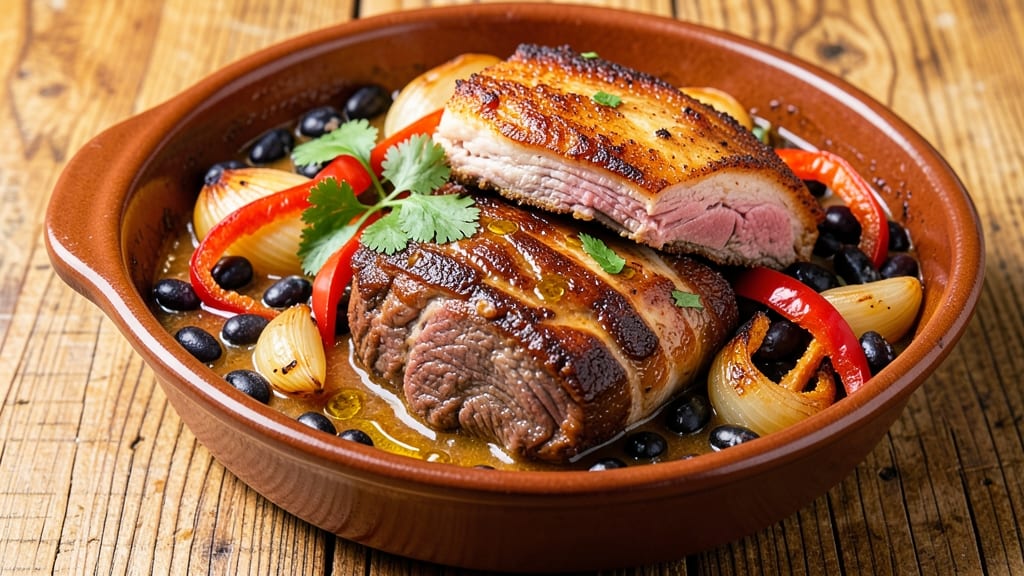
This beef pochero recipe with pork and beans brings the soul-warming flavors of Cuban home cooking to your table. 💛 I first discovered this hearty stew during a Boston neighborhood market visit, where a local vendor swore by its slow-simmered magic—tender meats, rich broth, and beans that melt into every bite.
The secret lies in patience: hours of gentle simmering transform tough cuts into melt-in-your-mouth perfection.
The beauty of this dish is its simplicity—just a few ingredients working together over time. You’ll start with beef and pork, simmered until fork-tender, then add vegetables and beans that soak up the deep, savory broth.
The key is letting flavors develop gradually, with garlic, onions, and spices building layers of warmth that make every spoonful irresistible. It’s the kind of meal that tastes even better the next day, when the flavors have fully melded.
What you’ll end up with is a perfectly balanced stew—rich but not heavy, tender yet substantial, with a broth so flavorful it deserves its own bowl.
The combination of beef, pork, and beans creates a protein-packed dish that’s satisfying enough to stand alone or pair beautifully with rice, plantains, or crusty bread. This is comfort food at its finest, the kind of recipe that brings people together around the table.
Once you try this version, you’ll understand why it’s a staple in Cuban households—simple enough for weeknights but impressive enough for gatherings. The slow-cooking method ensures every bite is packed with flavor, and the beans add heartiness without overpowering the meat.
Trust me, this is one recipe you’ll make again and again.
Ingredients for beef pochero recipe with pork and beans
Six ingredients make this soulful Cuban stew unforgettable—meats that melt, beans that soak up flavor, and spices that sing.
| Ingredient | Amount | Notes |
|---|---|---|
| Chuck Roast Beef 🥩 | 2 lb | Cut into 2-inch chunks |
| Pork Shoulder 🐖 | 1 ½ lb | Cut into 2-inch chunks |
| Black Beans 🌱 | 2 cups | Dried or canned, drained |
| Yellow Onions 🧅 | 3 whole | Chopped, medium size |
| Garlic Cloves 🧄 | 6 cloves | Minced, fresh preferred |
| Bell Peppers 🌶️ | 2 whole | Mixed colors, chopped |
| Tomatoes 🍅 | 4 whole | Ripe, San Marzano if possible |
| Olive Oil 🫒 | ½ cup | Extra-virgin for richness |
| Cumin Seeds 🌿 | 1 tbsp | Toasted for deeper flavor |
| Bay Leaves 🌿 | 2 whole | Fresh if available |
| Salt 🧂 | 2 tsp | Kosher or sea salt |
| Black Pepper 🌶️ | 1 tsp | Freshly ground preferred |
| Water 💧 | 4 cups | Or low-sodium beef broth |
| Orange Juice 🍊 | ¼ cup | Freshly squeezed |
| Fresh Cilantro 🌿 | ¼ cup | Chopped, for garnish |
The beef and pork are the stars here, so don’t skimp on quality. Chuck roast and pork shoulder are perfect—they stay tender through hours of simmering. If you're short on time, grab pre-cut chunks from the butcher counter at Whole Foods or your local market. Look for good marbling in the meat—it means more flavor. The beans? Black beans are traditional, but you can swap in kidney beans or pinto if that's what you've got. Just make sure they're not canned with added salt—rinse them well if they are.
No fresh cilantro? Dried works at one-third the amount, though fresh gives that bright finish. Running low on orange juice? Lemon juice plus a pinch of sugar gets you close. The tomatoes can be canned if fresh aren’t in season—just crush them by hand instead of chopping. For the cumin, toast the seeds in a dry pan for 30 seconds before adding to the pot—it brings out their aroma. And if you're using beef broth instead of water, low-sodium is key so you don't over-salt the stew.
This stew tastes even better the next day, so make extra if you can. It keeps for 4-5 days in the fridge, and freezes beautifully for up to 3 months. I like to portion it into containers with a little extra broth on top—just reheat gently on the stove. The flavors deepen overnight, so if you're serving it at a gathering, plan ahead. And trust me, the leftovers are just as good as the first bite—maybe even better.
Why You'll Love This Recipe
- One-Pot Magic: I swear by this recipe because it’s all in one pot—no juggling skillets or pans. Chuck roast and pork shoulder simmer together with onions and garlic while the beans soak up every last bit of flavor, so cleanup is basically just rinsing a pot.
- Deep, Slow Comfort: The secret’s in the slow cook—chuck and pork shoulder get ridiculously tender, falling apart with just a fork. That caramelized onion base? It’s like a hug in a bowl, especially when the beans add that creamy, earthy punch.
- Leftovers That Don’t Suck: Between us, most stews turn into sad, watery meals after day two. Not this one. The flavors deepens overnight, making it perfect for lunch or even breakfast (yes, really). Plus, it stretches across three meals without breaking the bank.
- Budget-Friendly Feast: Chuck roast and pork shoulder are dirt cheap compared to fancy cuts, and black beans add bulk without sacrificing taste. Honestly, I’ve fed six people for under $20 with this—no compromises, just pure satisfaction.
Step-by-step instructions for Cuban beef pochero
Here's how to make this soul-warming Cuban stew—rich, tender, and packed with flavor.
🔥 Step 1: Sear the Meats for Deep Flavor
Heat the 0.5 cup olive oil in a large Dutch oven over medium-high heat. Working in batches, add the 2 lb chuck roast beef and 1.5 lb pork shoulder, both cut into 2-inch chunks. Sear for 4-5 minutes per side until deep golden brown—this creates a flavorful crust that'll infuse the stew.
Real talk: don't overcrowd the pan or the meat will steam instead of sear. I like to work in batches, adding the pork first since it's leaner and sears faster. Once all the meat is browned, remove it and set aside on a plate.
🍳 Step 2: Toast the Aromatics and Build the Base
In the same Dutch oven, add the 1 tbsp cumin seeds and toast them for 1 minute until fragrant and slightly nutty—this deepens their flavor. Add the 3 whole yellow onions and cook for 5 minutes until softened and starting to caramelize.
Stir in the 6 cloves garlic cloves and cook for 30 seconds until golden and aromatic. Add the 2 whole bell peppers and 4 whole tomatoes (chopped), along with the 2 whole bay leaves. Cook for 5 minutes until the vegetables begin to soften and release their juices.
🥘 Step 3: Simmer the Stew to Tender Perfection
Return the seared meats to the pot. Add the 2 cups black beans, 4 cups water, 2 tsp salt, and 1 tsp black pepper. Bring to a boil, then reduce heat to low and cover partially. Simmer for 2-2.5 hours until the meats are fork-tender and falling apart easily.
Here's the thing—patience is key. The longer it simmers, the more flavorful the broth becomes. I check the meat at the 1.5-hour mark and add ½ cup more water if needed to keep it from drying out. The beans should be tender but still hold their shape.
🍋 Step 4: Finish with Bright, Zesty Notes
Once the meats are tender, stir in the 0.25 cup orange juice and simmer for another 10 minutes to brighten the flavors. Remove the 2 whole bay leaves and discard them. Taste and adjust seasoning—you might need a little more salt since the beans and tomatoes can dilute the flavors.
This orange juice addition is what makes this dish sing. It cuts through the richness of the meats and adds a refreshing contrast. The stew should be thick but still spoonable, with a rich, aromatic broth that coats every bite.
🌿 Step 5: Serve with Fresh Garnish
Ladle the steaming hot stew into bowls and garnish each serving with 0.25 cup fresh cilantro. I like to serve it with warm corn bread or over rice to soak up all that delicious broth. The cilantro adds a fresh, bright finish that balances the hearty flavors.
Let it rest for 5 minutes before serving so the flavors meld together. The aroma alone will have everyone at the table eager to dig in. This is comfort food at its finest—warm, satisfying, and full of love.
Pro Tips For Making Beef Pochero Recipe With Pork And Beans
- SEAR THE MEAT FIRST: High heat for 5 minutes—don’t skip this. The pork shoulder and chuck roast need that crust to lock in flavor, or you’ll end up with bland, mushy meat. Use a heavy pot and let it get dark brown before adding anything else.
- SOAK BEANS OVERNIGHT: Drained black beans straight from the can? Toss them. Soak them in cold water for at least 8 hours first—this cuts down on cooking time and prevents that gummy texture. Rinse them well before adding to the pot.
- DON’T BOIL THE BROTH: Once the meat is in, keep the liquid at a gentle simmer. Boiling toughens the meat and makes the beans mealy. If it’s bubbling hard, lower the heat and stir occasionally—this is the thing that matters most for tender results.
- ADD BEANS LATE: Hold off on throwing in the beans until the meat’s halfway cooked. They’ll soak up too much liquid early on, leaving you with dry beans by the end. Add them in the last 30-45 minutes, and they’ll absorb just enough flavor without falling apart.
Pro cooking tips for perfect results
Sear Like a Pro
Don’t rush the searing—this is where the magic happens. Use a large Dutch oven (I love my All-Clad) and work in batches to avoid crowding. The beef and pork need 4-5 minutes per side until deeply browned.
I test doneness by pressing a chunk with tongs—it should hold its shape but feel firm. Pro tip: Let the meat rest 5 minutes after searing before adding back to the pot. This prevents it from releasing juices too soon and keeps the broth rich. 🔥
Toast Your Spices
Never skip toasting your cumin seeds—this simple step transforms their flavor from mild to bold. Toast them in the same pot over medium heat for 1 minute until fragrant. You’ll smell that earthy, nutty aroma—trust me, it makes all the difference.
I also toast the bay leaves for 10 seconds to release their piney notes. This technique works for any whole spices in your pantry—just listen for that sizzle and pop. 🌿
Simmer Smart
Low and slow is the name of the game here. After adding all ingredients, reduce heat to low and maintain a gentle simmer—not a rolling boil. I use a meat thermometer to check the beef at 1.5 hours (it should read 170°F internally).
If the stew looks dry, add ½ cup water—just enough to keep it moist. The key is patience; the longer it simmers, the deeper the flavors become. Cover partially to let steam escape and prevent a soggy texture. ⏰
Orange Juice Finish
This is my secret weapon for brightness. Stir in the ¼ cup orange juice only in the last 10 minutes of cooking. The acidity cuts through the richness and balances the stew’s heartiness. If you’re short on time, squeeze 1 small orange—it’s fresher and more flavorful than bottled juice.
I also add a pinch of salt here to taste, since beans and tomatoes can dilute the seasoning. The result? A stew that’s rich but never heavy. 🍊
Garnish for Freshness
Fresh cilantro isn’t just for looks—it adds a bright, herbal note that elevates the dish. Chop ¼ cup and sprinkle it over each serving right before eating. For extra flair, I drizzle a little hot sauce or squeeze a wedge of lime on top.
Serve with warm corn bread or steamed rice to soak up that irresistible broth. The contrast of textures and temperatures makes every bite even better. 🌿
Leftovers Love
This stew tastes even better the next day—plan ahead! Store leftovers in an airtight container in the fridge for up to 5 days. To reheat, add 2-3 tablespoons of water or broth and simmer on the stove over low heat until heated through.
Microwaving works in a pinch, but the stove keeps the texture perfect. I like to freeze portions in single-serving bags for quick meals. The flavors deepen over time, so don’t hesitate to make extra. 💫
Nutrition facts
Frequently asked questions
Can I use ground beef instead of chuck roast for this recipe?
Ground beef won't work well for this stew since it lacks the connective tissue needed for that tender, fork-shredding texture. The chuck roast and pork shoulder are key—they break down beautifully during the long simmer, creating melt-in-your-mouth meat. If you're set on ground beef, consider making a separate version of the recipe specifically for tacos or sliders instead.
How do I know when the meats are fully cooked?
Use a meat thermometer for accuracy—the beef should reach 170°F internally, and the pork should hit 160°F. The meat should also be fork-tender, falling apart easily when pierced. If you don't have a thermometer, cut into a piece—the juices should run clear, not pink. The beans should be tender but still hold their shape after 2-2.5 hours of simmering.
Can I make this recipe in a slow cooker?
This is actually perfect for a slow cooker. Brown the meats first in a skillet, then transfer everything to the slow cooker and cook on low for 7-8 hours or high for 4-5 hours. The slow cooker maintains gentle heat, which is ideal for tenderizing the meats. Just add the orange juice in the last 10 minutes of cooking to preserve its brightness.
What's the best way to reheat leftovers?
Reheat leftovers gently on the stove over low heat, adding 2-3 tablespoons of water or broth to prevent drying out. Microwaving works in a pinch, but the stove preserves the stew's texture better. The flavors actually improve overnight, so don't hesitate to make extra—this stew tastes even better the next day! Store in an airtight container for up to 5 days in the fridge.
Can I substitute canned beans for dried?
Yes, but with one important adjustment. Use 1 (15 oz) can of drained black beans for every 1 cup of dried beans in the recipe. Rinse canned beans well to remove excess sodium. For best results, add the canned beans during the last 30 minutes of simmering so they don't become mushy. Dried beans absorb more flavor during the long cooking process, which is why they're traditional.