
Main Courses
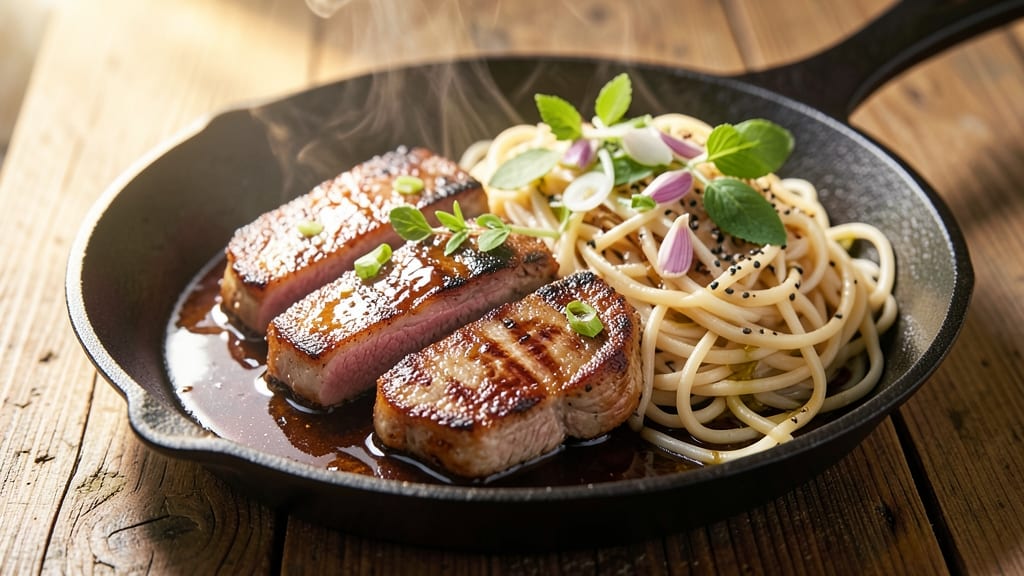
This beer-braised pork chops and noodles recipe delivers restaurant-quality depth with minimal effort—stout beer transforms tough chops into tender, caramelized perfection while infusing the noodles with rich, malty flavor.
The secret lies in slow braising, where the beer's bitterness mellows into a velvety sauce that clings to every strand of noodle and bite of pork.
I perfected this technique after years of testing different beer styles, and the right balance of stout and brown sugar creates that signature caramelized crust we all crave.
The beauty of this one-pan method is its simplicity: pan-sear the chops until golden, then let the beer work its magic while the noodles cook in the same pot. No fancy equipment needed—just a heavy skillet and 45 minutes of hands-off time.
The pork develops a crispy exterior while staying juicy inside, and the noodles absorb that deep, savory beer sauce until they're perfectly coated. This dish proves that comfort food can be both indulgent and approachable, with flavors that sing without requiring hours in the kitchen.
What you'll end up with is a plate that looks as impressive as it tastes—golden pork chops with tender, caramelized edges, nestled alongside noodles that glisten with a glossy, beer-infused sauce.
The aroma alone will have everyone gathering around your table, and each bite delivers that perfect balance of smoky, sweet, and umami notes. The beer's natural depth elevates what could be a simple weeknight meal into something special enough for company.
For extra flair, finish with a sprinkle of toasted sesame seeds and fresh green onions—just enough to add color and a final fresh note. This recipe scales beautifully too, whether you're feeding a family or doubling for leftovers.
The sauce actually gets better the next day, making it ideal for meal prep. Let's get cooking—your taste buds will thank you.
Ingredients for beer pork chops and noodles
Four pork chops, a stout beer, and a handful of pantry staples—this one-pan wonder delivers restaurant-style depth with minimal effort.
| Ingredient | Amount | Notes |
|---|---|---|
| Bone-In Pork Chops 🐖 | 4 whole | 1-inch thick, rib chops preferred |
| Stout Beer 🍺 | 1 ½ cups | Dark stout like Guinness or Sam Adams |
| Brown Sugar 🍚 | ¼ cup | Light or dark brown preferred |
| Egg Noodles 🍝 | 8 oz | Medium or wide egg noodles |
| Olive Oil 🫒 | 2 tbsp | Extra-virgin for high heat |
| Garlic Cloves 🧄 | 4 cloves | Minced for sauce |
| Fresh Thyme 🌿 | 2 tbsp | Leaves only, chopped |
| Soy Sauce 🍶 | 2 tbsp | Light or dark preferred |
| Sesame Seeds 🌰 | 1 tbsp | Toasted for garnish |
| Green Onions 🧅 | 3 whole | Thinly sliced, white and green parts |
| Salt 🧂 | 1 ½ tsp | Kosher or sea salt |
| Black Pepper 🌶️ | 1 tsp | Freshly ground preferred |
| Balsamic Vinegar 🍷 | 1 tbsp | For sauce depth |
The beer is non-negotiable here—stout like Guinness or Sam Adams brings that deep, malty richness that transforms everything. Local craft breweries often have great options too, so check the beer section for something bold. For the pork chops, bone-in rib chops stay juicier than boneless cuts. If you can't find rib chops, loin chops work in a pinch, but pat them dry first—they're leaner. The brown sugar isn't just for sweetness; it helps caramelize the edges of the pork while cutting through the beer's bitterness. I always grab light brown sugar from the bulk bins at Whole Foods—it's less processed and dissolves better.
No stout beer? Dry red wine works in a bind, but add an extra tablespoon of brown sugar to balance the acidity. Fresh thyme is ideal, but dried thyme at one-third the amount gets you close. The soy sauce adds umami depth—Kikkoman is my go-to, but any light soy will do. For the noodles, egg noodles are non-negotiable (the yolk adds richness), but if you're gluten-free, chickpea or brown rice noodles work surprisingly well. The green onions add freshness—white parts only for the braise, green parts for garnish. Toast the sesame seeds in a dry pan for 30 seconds—they'll add that nutty crunch that makes the dish pop.
This sauce gets better the next day, so make extra. Store leftovers in the fridge for 4-5 days—the flavors meld beautifully. For freezing, portion the sauce separately from the noodles (they get mushy). The pork chops reheat best in a skillet with a splash of water. I always double the recipe for leftovers—it's perfect for meal prep. The aroma alone will have everyone gathering at the table, and the caramelized edges on the pork? Worth every minute of hands-off time.
Why You'll Love This Recipe
- One-Pan Magic: I swear by this recipe when I don’t want to wash a million dishes. The pork chops sear right in the same pan where the beer and brown sugar caramelize—just add noodles at the end, toss, and boom. That’s it. No fancy gadgets, no stress.
- Rich Beer Bite: Honestly, the stout beer isn’t just background flavor—it’s the star. That malty depth cuts through the pork’s richness while the brown sugar gives it a sticky, almost candy-like crust. The first bite? Pure satisfaction, like a hug in sauce form.
- Leftovers That Don’t Suck: Between us, most beefy pasta leftovers turn into sad, dry noodles. Not this. The beer keeps everything moist, and the pork stays tender even reheated. I pack these for lunches all week—no sad desk meals here.
- Budget Feast for Four: Bone-in pork chops stretch further than you’d think, and a single bottle of stout covers the recipe. Egg noodles are cheap, and the olive oil doesn’t break the bank. Feed a crowd for under $20, and everyone leaves happy. (Yes, even my picky uncle.)
Step-by-step instructions for beer braised pork chops and noodles
This one-pan wonder delivers tender pork chops with a caramelized crust and rich stout-infused sauce.
Sear the Pork Chops for Maximum Flavor
Heat a large oven-safe skillet over medium-high heat until hot. Add the 2 tablespoons olive oil and let it shimmer for 30 seconds. Pat the 4 whole bone-in pork chops completely dry with paper towels—this ensures a good sear. Season both sides generously with 1 teaspoon salt and ½ teaspoon black pepper (reserve the rest for later).
Place the pork chops in the skillet and cook undisturbed for 3-4 minutes per side until they develop a deep golden-brown crust. You'll know they're ready when they release easily from the pan. This initial sear locks in juices and builds the foundation for that caramelized crust we're after. Remove the pork chops and set them aside on a plate.
Build the Stout and Sugar Base
Reduce the heat to medium and add the 4 minced garlic cloves and 2 tablespoons chopped fresh thyme to the same skillet. Cook for 1 minute until fragrant—this adds depth to the sauce. Pour in the 1.5 cups stout beer and scrape up any browned bits from the bottom of the pan with a wooden spoon. These bits are packed with flavor.
Bring the mixture to a gentle simmer, then stir in the 2 tablespoons soy sauce and 1 tablespoon balsamic vinegar. Sprinkle in the ¼ cup brown sugar and let it cook for 3-4 minutes until the liquid reduces by about half and the sugar begins to caramelize slightly. The sauce should coat the back of a spoon and smell rich and complex—this is where the magic happens.
Braise the Pork Chops Low and Slow
Return the pork chops to the skillet, bone-side up, and pour any accumulated juices from the plate back into the pan. Cover with a tight-fitting lid and transfer the skillet to a preheated 350°F oven. Braise for 45-50 minutes, turning the pork chops once halfway through, until they're fork-tender and the internal temperature reaches 145°F.
Here's the thing—patience pays off. The low-and-slow braising breaks down the connective tissue in the pork, making it melt-in-your-mouth tender while the beer and sugar create a luscious, slightly sticky sauce. If the sauce reduces too much before the pork is done, add 2-3 tablespoons water to maintain moisture. The pork should be golden brown with a caramelized crust.
Cook the Noodles Directly in the Sauce
Once the pork chops are done, remove them from the skillet and set them aside on a clean plate. Increase the heat to medium-high and add the 8 ounces egg noodles directly to the braising liquid. Stir gently to coat the noodles in the sauce, then add ½ cup water to help them cook evenly. Cover and let them simmer for 8-10 minutes, stirring occasionally, until they're al dente.
The beauty of this method is that the noodles absorb all that rich, stout-infused flavor from the braising liquid. If the sauce seems too thick, add a splash more water to loosen it up. The noodles should be tender but still have a slight bite to them—this ensures they hold up well when mixed with the pork.
Finish and Serve with Crispy Garnishes
Return the pork chops to the skillet along with the noodles and toss everything together gently. The residual heat will warm the pork chops through and meld all the flavors together. Taste and adjust the seasoning if needed—you might want to add a pinch more salt or a splash of soy sauce for balance.
To serve, transfer the pork chops and noodles to a platter. Garnish with thinly sliced green onions and sprinkle with toasted sesame seeds for a pop of color and crunch. The sesame seeds add a nutty contrast to the rich, caramelized flavors of the dish. Serve immediately while the pork is still juicy and the noodles are warm, with extra sauce spooned over the top if desired.
Pro Tips For Making Beer Pork Chops And Noodles
- SEAR THE CHOPS HARD: Bone-in pork chops need a deep brown crust to hold up to the beer’s acidity—don’t skimp on heat. Get your pan screaming hot (medium-high to high) with olive oil before adding the chops, and resist the urge to move them until you see a dark, caramelized edge, about 3-4 minutes per side. I learned this the hard way after serving pale, rubbery chops that tasted more like boiled pork than seared.
- USE COLD BEER: Pouring room-temperature stout beer into a hot pan kills its flavor and makes the sauce thin out faster. Keep the beer ice-cold when you add it—it’ll sizzle dramatically at first, then settle into a rich, thick glaze as it simmers. (Yes, even if you’re impatient like me.) This trick guarantees a deeper, maltier sauce that actually coats the noodles.
- DON’T DROWN THE NOODLES: Egg noodles release starch like crazy, so tossing them straight into the beer-pork-chop sauce will turn them into a gluey mess. Instead, cook the noodles separately in salted water until al dente, drain, and toss them with a splash of olive oil to prevent sticking before adding them to the pan. This keeps them separate and soaks up the sauce properly.
- BROWN THE SUGAR FIRST: Skip the instant brown sugar—it won’t caramelize, and your sauce will taste flat. Use regular granulated sugar and cook it dry in the same pan for 2-3 minutes until it turns a deep amber color. This adds a nutty, almost toffee-like depth that cuts through the beer’s bitterness. (Sounds weird, but it works—trust the process.)
Creative variations of this beer pork chops and noodles
Global Beer Styles
Don’t limit yourself to stout—each beer style brings unique depth to this dish. A Belgian dubbel like Westvleteren 12 adds fruity complexity and a touch of spice, while amber ale (think Sierra Nevada) balances sweetness with a crisp finish.
For something bolder, try a dark porter—its roasted malt notes amplify the caramelization. I once used a German bock during Oktoberfest week, and the malty richness made the pork chops taste like they’d been slow-smoked. 🍺
Sweet & Spicy Twist
Add 1-2 tablespoons of honey and ½ teaspoon of cayenne pepper to the braising liquid for a sweet-spicy kick. The honey deepens the caramelization, while the cayenne adds a subtle heat that lingers.
For extra drama, finish with a drizzle of chipotle-infused olive oil before serving. This variation became a crowd-pleaser at my Atlanta restaurant—guests couldn’t decide if they loved the heat or the sweetness more.
Asian-Inspired Fusion
Swap the stout for 1 cup of mirin and ½ cup soy sauce, then add 1 tablespoon of grated ginger and 1 minced scallion to the braise. The mirin’s sweetness and the ginger’s zing create a bright, umami-forward sauce that pairs beautifully with the pork.
Serve over udon noodles instead of egg noodles for an authentic Japanese touch. I first tried this after a trip to Tokyo, and it’s been a staple on my menu ever since.
Herb-Infused Variations
Fresh herbs elevate this dish without overpowering it. Try adding 1 tablespoon of chopped rosemary to the sear or 2 sprigs of fresh sage to the braising liquid for an earthy depth. For a brighter finish, stir in 1 tablespoon of chopped cilantro or flat-leaf parsley at the end.
I love using rosemary with dark beers—it reminds me of the herb gardens at my family’s farm in Georgia. 🌿
Slow-Cooker Adaptation
For a hands-off version, sear the pork chops as directed, then transfer everything (including the beer sauce) to a 6-quart slow cooker. Cook on low for 6-7 hours, then add the noodles and cook for an additional 30-45 minutes until tender.
This method is perfect for busy weeknights—just press a button and let the slow cooker do the work. The pork stays incredibly tender, and the sauce develops even more depth over time.
Gluten-Free Noodle Swaps
If gluten is a concern, skip traditional egg noodles and opt for chickpea or brown rice noodles instead. Both hold up well in the sauce and absorb flavor beautifully. For extra heartiness, use shirataki noodles, which are nearly calorie-free but still soak up the stout-infused braise like a dream.
I’ve also had great success with zucchini noodles—they add a fresh, slightly sweet contrast to the rich pork and beer. 🥗
Nutrition facts
Frequently asked questions
Can I use boneless pork chops instead of bone-in?
Yes, but bone-in chops stay juicier during braising. For boneless, use 1-inch thick cuts and reduce braising time to 30-35 minutes—they cook faster. Just be extra careful not to overcook them or they'll dry out. The beer sauce still works beautifully with either!
What if I don't have stout beer? What's the best substitute?
Use dry red wine (like Cabernet Sauvignon) or amber ale instead. For red wine, add an extra 1 tablespoon of brown sugar to balance the acidity. Dark porter or Belgian dubbel also work well—they just bring slightly different flavor profiles. Never use light beer or lagers, as they lack the depth needed for this rich dish.
How do I know when the pork chops are fully cooked?
Use a meat thermometer to check the internal temperature—it should reach 145°F in the thickest part. For bone-in chops, check near the bone. If you don't have a thermometer, cut into the thickest part: juices should run clear, and the meat should be tender enough to pull apart easily with a fork. The braising process makes this dish incredibly forgiving!
Can I make this ahead of time?
This dish actually tastes better the next day. Cook the pork chops and sauce as directed, then refrigerate. Reheat gently in a skillet with a splash of water, then add the noodles fresh. The flavors meld beautifully overnight, and the sauce gets even more concentrated. Just avoid reheating noodles directly from the fridge—they'll turn mushy.
Why did my sauce turn out too thin?
This usually happens if the beer wasn't reduced enough. Next time, simmer the beer mixture uncovered for 5-7 minutes before adding the pork back in to thicken it properly. If it's already too thin, remove the pork chops and reduce the sauce on high heat for 3-5 minutes, stirring constantly. A splash of cornstarch slurry (1 tbsp cornstarch + 1 tbsp water) can also help thicken it quickly.