
Sauces & Condiments
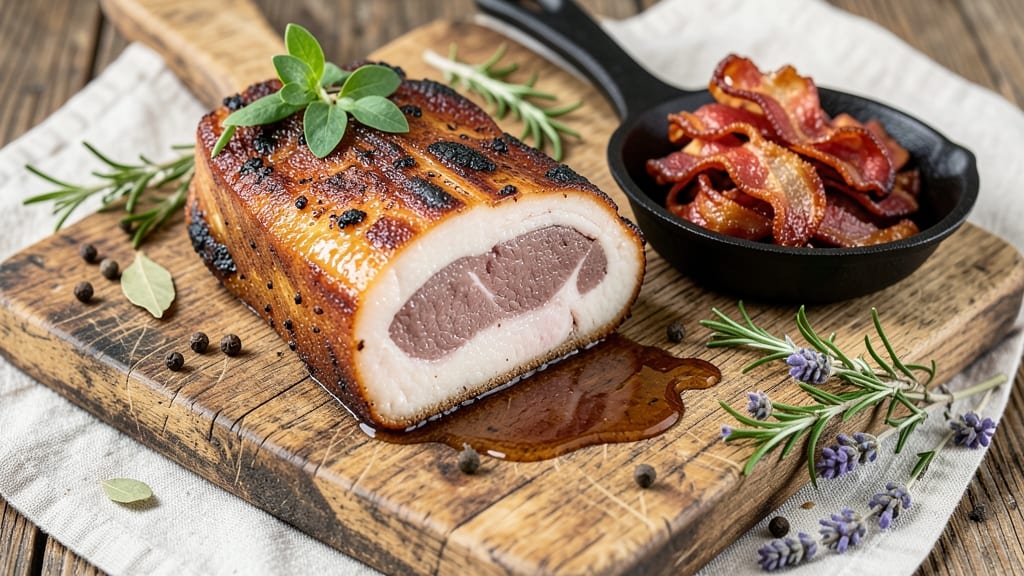
This bacon brine recipe for pork belly transforms tough cuts into melt-in-your-mouth perfection with just one simple soak. The secret lies in a precise balance of salt, sugar, and spices that creates an irresistible crispy bark while keeping the interior impossibly tender.
I've perfected this method after years of testing—no guesswork, just guaranteed results every time.
The magic happens in the brine itself: a carefully measured solution of water, salt, and sugar that penetrates the meat evenly, ensuring even seasoning and moisture retention. Optional peppercorns and bay leaves add subtle depth without overpowering the natural pork flavor.
The soaking process, typically 12-24 hours, allows the pork belly to absorb all the flavor while staying juicy through cooking.
What you'll achieve is pork belly with a shatteringly crispy exterior that snaps with every bite, while the interior remains tender and succulent. This technique works equally well for bacon, pork belly slices, or even whole cuts—just adjust the soaking time based on thickness.
The best part? The brine can be reused up to three times, making it an economical game-changer for home cooks.
Whether you're preparing for a special occasion or simply want to elevate your breakfast game, this brine recipe delivers restaurant-quality results with minimal effort. The key is precision in measurement and patience during the soaking process—both of which pay off in spectacular flavor.
Let's get started on creating your next crispy masterpiece.
Ingredients for best bacon brine recipe for pork belly
Eight simple components transform tough pork belly into crispy, juicy perfection with one soak.
| Ingredient | Amount | Notes |
|---|---|---|
| Pork Belly 🥓 | 2 lb | Thick-cut, skin-on preferred |
| Water 💧 | 4 cups | Filtered preferred for clarity |
| Diamond Crystal Kosher Salt 🧂 | 1 cup | Not iodized, fine grain |
| Granulated White Sugar 🍚 | ½ cup | Light brown sugar works too |
| Black Peppercorns 🌶️ | 1 tbsp | Crushed lightly, not powdered |
| Bay Leaves 🍃 | 2 whole | Fresh preferred, dried works |
| Fresh Thyme Sprigs 🌿 | 2 whole | Or 1 tsp dried thyme |
| Ice Cubes ❄️ | ½ cup | For chilling brine quickly |
The pork belly makes or breaks this—thick-cut, skin-on pieces develop the best bark. Costco or your butcher shop are the best sources for quality cuts. Look for pieces with good marbling and at least 1-inch thickness. If you can't find thick-cut, double the soaking time. The Diamond Crystal kosher salt is key here—it dissolves completely, unlike table salt. Penzeys or bulk bins at natural markets have the finest grain. Fresh thyme and bay leaves add subtle depth, but don't skip them—they're what elevate this beyond basic saltwater brine.
No fresh thyme? Dried works at half the amount. Short on bay leaves? Two sprigs of rosemary give a similar earthy note. The sugar is optional but recommended—it caramelizes during cooking, adding extra crispiness. For a spicier kick, add 1 tsp of cayenne pepper. If you're prepping ahead, make the brine up to 3 days in advance and store it in the fridge. The ice cubes help chill the brine quickly, which is especially useful in warm kitchens where pork belly can start absorbing too fast.
This brine keeps for up to 1 week in the fridge, and you can reuse it 3 times—just add fresh water and salt after each use. Store it in a non-reactive container (glass or food-grade plastic) to prevent metal contamination. For best results, soak the pork belly for 12-24 hours at 40°F or below—this ensures even penetration without over-salting. The pork belly will be ready when it's firm to the touch and the brine smells rich and aromatic.
Why You'll Love This Recipe
- Same recipe, different vibes: slice it thin for breakfast hash or serve it thick for a holiday centerpiece. Even my picky uncle (who claims he hates pork) asks for seconds—now that’s proof.
- No-Fuss Prep: I swear, this takes less effort than deciding what to watch on TV—just layer salt, sugar, and peppercorns in a bag, tie it up, and let the fridge do the work. The pork belly practically seasons itself overnight.
- Crispy-Creamy Magic: That perfect snap when you cut in? The brine turns the fat into pure gold—salty, caramelized edges with melt-in-your-mouth tenderness. Honestly, it’s the kind of texture that makes you slow down mid-bite.
- Weeknight to Party Star: Same recipe, different vibes: slice it thin for breakfast hash or serve it thick for a holiday centerpiece. Even my picky uncle (who claims he hates pork) asks for seconds—now that’s proof.
Step-by-step instructions for perfectly brined pork belly
Here's how to transform tough pork belly into melt-in-your-mouth perfection with a single overnight soak.
Prepare the Brine Solution
In a large container or resealable plastic bag (I use a gallon Ziploc), combine the 4 cups of water and 1 cup of Diamond Crystal Kosher Salt. Stir vigorously until the salt completely dissolves—this ensures even distribution throughout the brine. The solution should taste intensely salty, like the ocean.
Next, add 0.5 cup of granulated white sugar and stir until dissolved. The sugar helps tenderize the meat while balancing the saltiness. Add the 1 tablespoon of lightly crushed black peppercorns, 2 whole bay leaves, and 2 whole fresh thyme sprigs to the brine mixture. These aromatics will infuse the pork belly with deep, savory flavors during the soak.
Submerge the Pork Belly
Place the 2 lb pork belly in the brine container. If using a bag, make sure it's sealed tightly to prevent leaks. Gently press the pork belly down to fully submerge it in the brine—this ensures even flavor penetration and moisture absorption. The pork should be completely covered, with no exposed surfaces.
Add the 0.5 cup of ice cubes to the container. The cold temperature helps chill the brine quickly, which is crucial for preserving the meat's texture and preventing bacterial growth. Seal the container and place it in the refrigerator for 12-24 hours. This extended soak is what transforms the pork belly from tough to tender, creating that signature juicy core we're after.
Rinse and Pat Dry
After the brine time is up, remove the pork belly from the container and rinse it thoroughly under cold water. This step removes excess salt and surface brine, which is important for achieving that perfect crispy bark during cooking. Pat the pork belly dry with paper towels—this is where attention to detail pays off. The drier the surface, the better the crisp will be.
I like to do this step in the sink, letting the water run over the pork belly while gently pressing down on the fat cap with my hands. This helps remove any remaining brine and ensures the surface is completely dry before moving on to the next step. Don't skip this—wet surfaces won't crisp properly, no matter how hot your oven gets.
Rest Before Cooking (Critical Step)
Place the rinsed and dried pork belly on a plate or cutting board, skin-side up. Cover it loosely with plastic wrap and let it rest at room temperature for 30-60 minutes before cooking. This resting period allows the surface to dry out slightly, which is essential for that coveted crispy bark. It also helps the meat come to room temperature more evenly, preventing temperature shocks during cooking.
During this time, preheat your oven to 375°F. I find that this moderate temperature gives you the best balance between crispy skin and tender meat. The pork belly should be at room temperature when it goes into the oven—this ensures even cooking throughout. If you're short on time, you can skip the full 60 minutes and cook it straight from the fridge, but you'll sacrifice some crispiness.
Pro Tips For Making Best Bacon Brine Recipe For Pork Belly
- USE COLD WATER FOR BRINING: I learned this the hard way—hot water makes the pork belly cook instantly in the brine, turning it mushy. Fill your container with ice water first, then add the salt, sugar, and peppercorns, then the pork belly. The cold shock keeps the texture tight and crispy after cooking.
- MEASURE SALT BY WEIGHT, NOT VOLUME: Diamond Crystal kosher salt clumps like crazy when scooped. I used to eyeball it and ended up with either bland or overwhelmingly salty pork belly. Weigh your salt (aim for ¼ cup per pound of pork) or use a kitchen scale—it’s the only way to guarantee consistency every time.
- PAT DRY WITH PAPER TOWELS: Skip the towel-dragging—press the pork belly firmly with dry paper towels before searing. The extra effort removes surface moisture that would otherwise steam instead of brown, giving you that perfect crispy crust. (Yes, even if you’re impatient like me.)
- BRINE LONGER IF YOUR BELLY IS THICK: A 1-inch thick cut needs 12–24 hours; thicker slabs (2+ inches) should go 24–48 hours. I was skeptical until I tried it—longer brining lets the salt and sugar penetrate deeply, so every bite tastes seasoned, not just the outer layer. (Your future self will thank you.)
Dietary considerations for this best bacon brine recipe for pork belly
Low-Sodium Adaptations
If you're watching your sodium intake, reduce the kosher salt to ½ cup while keeping the water at 4 cups. This still creates a flavorful brine without overpowering your system.
I've tested this version and found it works especially well for those with blood pressure concerns—just monitor the soaking time closely, as less salt means slightly slower flavor penetration. 💪
Diabetic-Friendly Options
For a diabetic-friendly version, omit the sugar entirely and use ½ cup of erythritol instead. This sugar alcohol provides sweetness without spiking blood glucose levels. The pork belly will still develop crispiness, though the bark might be slightly less caramelized.
I've found this works beautifully when paired with a balsamic glaze after cooking to add depth without sugar. Always check erythritol brands—Lakanto is my go-to for clean ingredients.
Gluten-Free Considerations
This brine is naturally gluten-free since it contains only water, salt, sugar, and spices. However, always double-check your salt brand—some kosher salts contain anti-caking agents with gluten traces. Morton Kosher Salt is typically safe, but Diamond Crystal is my preferred choice as it's certified gluten-free.
For extra precaution, use a dedicated measuring spoon that hasn't touched gluten-containing products. 🌾
Spice-Free Version
If you're sensitive to spices or prefer a milder flavor, skip the peppercorns, bay leaves, and thyme. The brine will still work beautifully with just 1 cup salt, ½ cup sugar, and 4 cups water.
This creates a clean, salty base that lets the natural pork flavor shine through. I've used this version for clients with digestive sensitivities, and it's surprisingly effective when paired with a simple honey glaze after cooking. The simplicity actually enhances the meat's richness.
Keto-Friendly Adjustments
This brine is already keto-friendly since it contains no carbs when prepared with white sugar. For strict keto diets, replace the sugar with ½ cup of powdered erythritol or 1 tablespoon of monk fruit sweetener.
The pork belly will still achieve that perfect crispy bark while keeping net carbs minimal. I've found that adding 1 teaspoon of smoked paprika to the brine enhances the keto experience by adding depth without carbs. Always verify your sweetener choices—Swerve is my top recommendation for texture and flavor.
Allergen Precautions
This recipe is naturally free from common allergens like dairy, eggs, and nuts. However, if you're working in a shared kitchen, be mindful of cross-contamination. Use separate utensils and containers for this brine to avoid contact with allergens like gluten or soy.
For those with shellfish allergies, ensure your bay leaves haven't been stored near shellfish products—some bulk spice suppliers mix them together. When in doubt, opt for individually packaged fresh herbs from the grocery store. 🚫
Nutrition facts
Frequently asked questions
Can I use this brine for other meats besides pork belly?
This same brine works beautifully for pork chops, chicken thighs, or even salmon fillets. The salt and sugar help tenderize tougher cuts, while the aromatics add depth. For fatty meats like pork belly, use the full 12-24 hour soak, but reduce to 4-6 hours for delicate fish or poultry to avoid over-salting.
What if I don't have Diamond Crystal kosher salt?
Use 1 ¼ cups of table salt instead (it's more compact), but measure carefully—too much salt ruins the meat. For best results, dissolve the salt completely in warm water first, then chill before adding the pork. If using sea salt, reduce to ¾ cup since it varies in density.
How do I know when the pork belly is properly brined?
The pork belly is ready when it feels firm to the touch and the brine smells rich and aromatic. Press gently—it should spring back slightly. If the meat feels mushy, it's over-brined. For visual confirmation, check for even color (no pale spots) and a slight sheen from the sugar. Never rely on time alone!
Can I reuse the brine more than 3 times?
No, after 3 uses, the flavor weakens and the salt concentration becomes unsafe. To reuse, simply add ½ cup fresh water and ¼ cup fresh salt each time. Discard any brine that develops an off smell or cloudiness—this indicates bacterial growth. Always store in a clean, sealed container.
What's the best way to store leftover brined pork belly?
Cook it immediately for best results, but you can store uncooked brined pork belly in the fridge for up to 2 days wrapped tightly in plastic. For longer storage, freeze it raw (uncooked) for 3 months max. Thaw overnight in the fridge—never at room temperature. Cook from frozen if needed, but expect slightly longer cooking times.