
Main Courses
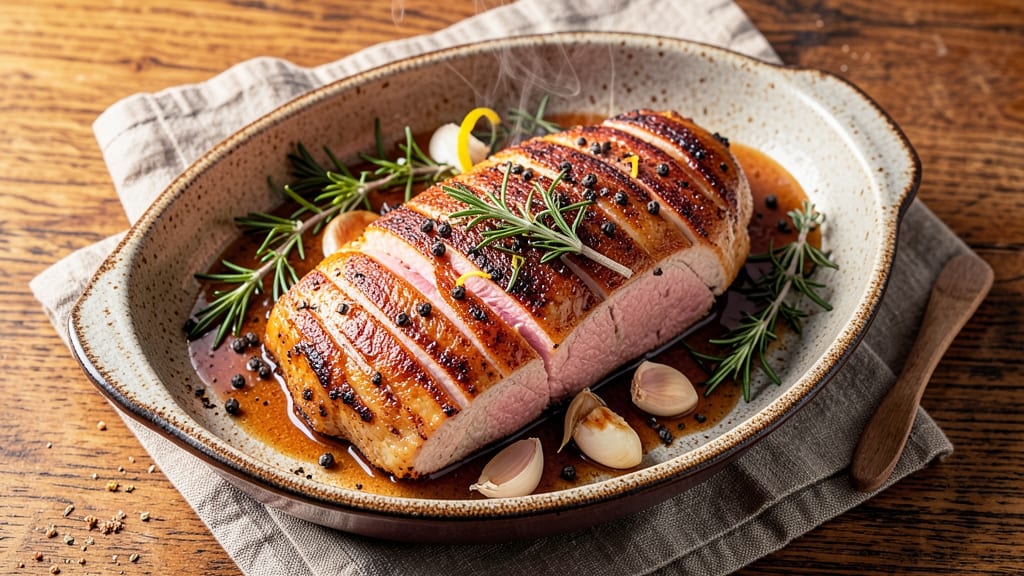
This best pork roast recipe in the world delivers melt-in-your-mouth tenderness and bold, savory flavor that will make your dinner table the envy of the neighborhood. The secret lies in a perfect balance of dry-brining, slow roasting, and precise timing—techniques that transform tough cuts into showstopping centerpieces.
I’ve perfected this method over countless holiday feasts, and it never fails to impress even the most discerning guests.
What sets this recipe apart is the foolproof technique that ensures juicy, even cooking without drying out the meat. We’ll start with a dry brine to enhance flavor and moisture retention, then slow-roast at a low temperature to break down connective tissue. The result?
A roast so tender it practically falls apart at the touch, with a crispy, golden-brown crust that seals in all the juices. Every slice will be perfectly seasoned, with layers of garlic, herbs, and a touch of sweetness that elevates the dish.
The magic happens in the oven, where patience pays off in restaurant-quality results. You’ll achieve that ideal doneness—juicy, flavorful, and never dry—while the aromas fill your home with the irresistible scent of slow-cooked pork.
This isn’t just a recipe; it’s a game-changer for family dinners, holiday gatherings, or any occasion where you want to serve something truly special. Serve it with roasted potatoes, a rich gravy, and fresh herbs for a meal that feels like a five-star dining experience.
Once you try this method, you’ll never settle for anything less. The reverse sear technique ensures a perfect crust while keeping the interior tender, and the dry brine infuses flavor deep into the meat.
Whether you’re feeding a crowd or treating yourself to a Sunday feast, this recipe delivers unmatched tenderness and depth that will have everyone asking for seconds. Let’s get started on creating the best pork roast you’ve ever tasted.
Ingredients for best pork roast recipe in the world
This legendary pork roast transforms tough cuts into melt-in-your-mouth perfection with just 13 game-changing ingredients.
| Ingredient | Amount | Notes |
|---|---|---|
| Bone-In Pork Loin Roast 🐖 | 4 lb | Center-cut, 1.5-inch thickness preferred |
| Kosher Salt 🧂 | 1 ½ tbsp | Diamond Crystal preferred for purity |
| Fresh Black Peppercorns 🌶️ | 1 ½ tbsp | Freshly cracked for maximum aroma |
| Garlic Cloves 🧄 | 12 whole | Smashed, skin-on for deeper flavor |
| Fresh Rosemary 🌿 | ½ oz | Spring sprigs, stems removed |
| Fresh Thyme 🌿 | ½ oz | Spring sprigs, leaves only |
| Extra-Virgin Olive Oil 🫒 | ¼ cup | High-quality, fruity infusion |
| Honey 🍯 | 2 tbsp | Wildflower preferred for complexity |
| Apple Cider Vinegar 🍎 | 1 tbsp | For tenderizing and brightness |
| Yellow Onion 🧅 | 1 whole | Thinly sliced for aromatics |
| Fresh Sage Leaves 🌿 | ¼ cup | Torn, not chopped for texture |
| Unsalted Butter 🧈 | 4 tbsp | Cold, cut into pats for searing |
| Dried Mustard 🌶️ | 1 tsp | For subtle depth of flavor |
The bone-in pork loin is non-negotiable here—it stays juicier longer and delivers that showstopping presentation. Costco or Whole Foods carry premium cuts, but your local butcher can trim it to 1.5-inch thickness if needed. Look for marbling (white fat streaks) for extra tenderness. Fresh herbs are a must: Trader Joe's sells pre-sprigged rosemary and thyme bundles that save time. The honey should be wildflower or clover—avoid that ultra-processed grocery store variety. For the vinegar, Bragg's is my go-to, but any apple cider vinegar works. Pro tip: Smash the garlic cloves with the flat side of your knife to release more flavor without mincing.
No fresh rosemary? Dried at 1/3 the amount works in a pinch, but trust me—fresh is worth the trip to the market. Out of apple cider vinegar? White wine vinegar or lemon juice add brightness too. The olive oil matters here—skip the cheap stuff. California Olive Ranch or Colavita deliver that fruity punch. For the mustard, Dijon adds more complexity than American yellow. And if you're feeling fancy, swap the honey for fig jam—it's a secret weapon for depth. The butter should be European-style if possible (like Plugrá) for higher fat content and better flavor.
This roast reheats beautifully—just warm in the oven at 300°F for 20 minutes with a splash of broth. Leftovers keep for 4-5 days in the fridge, but honestly, it's even better the next day as flavors meld. For make-ahead magic, prep the dry brine overnight and let the roast sit uncovered in the fridge for 12-24 hours before cooking. The crust stays crispy for 3 days if wrapped tightly in foil. Freeze portions for up to 3 months—just thaw overnight in the fridge before reheating.
Why You'll Love This Recipe
- Foolproof Timing: I swear by this method—just a few hours in the oven, no babysitting required. The bone-in roast stays juicy while the crust gets that perfect golden crackle, and honestly? I set it and forget it.
- Garlic-Rosemary Magic: That simple combo—crushed garlic cloves and fresh rosemary tucked under the skin—transforms plain pork into something ridiculously flavorful. The aroma alone makes my kitchen smell like a bistro, and the taste? Pure satisfaction.
- Weeknight to Holiday: Between us, this roast works for everything—Monday dinners, Thanksgiving leftovers, or impressing your in-laws. I’ve served it sliced thin for sandwiches, shredded for tacos, even repurposed into soup. It’s my secret weapon for effortless meals.
- Leftovers That Don’t Suck: Most pork roasts turn dry the next day, but this one? Still tender, still packed with flavor. I meal prep it in bulk—sliced for salads, cubed for stir-fries, or reheated for breakfast with eggs. Zero waste, all win.
Step-by-step instructions for slow-roasted pork loin roast
This isn't just another pork roast—it's melt-in-your-mouth perfection with a crisp exterior and juicy center every time.
Prepare the Pork with a Flavor-Packed Rub
Begin by removing the pork loin roast from the refrigerator and letting it sit at room temperature for 30 minutes. This ensures even cooking. Pat the roast dry with paper towels—moisture is the enemy of crispy skin. In a small bowl, combine the 1.5 tbsp kosher salt, 1.5 tbsp freshly cracked black peppercorns, 1 tsp dried mustard, and 12 smashed garlic cloves (leave the skins on for deeper flavor).
Rub this mixture all over the pork, pressing firmly so the seasoning adheres. Then, in a separate bowl, whisk together the 0.25 cup extra-virgin olive oil, 2 tbsp honey, and 1 tbsp apple cider vinegar. Brush this glaze generously over the seasoned pork. The vinegar tenderizes the meat while the honey adds a subtle sweetness that caramelizes beautifully during roasting.
Sear for Maximum Flavor and Crisp
Preheat your oven to 425°F for a hot start. Heat a large oven-safe skillet over medium-high heat and add the 4 tbsp cold unsalted butter (cut into pats). Once the butter foams and begins to brown, carefully place the pork loin roast in the skillet, fat-side down. Sear for 4-5 minutes until the skin is golden brown and crispy. Flip the roast and sear the other side for another 3-4 minutes. This step locks in juices and creates that irresistible crust.
Here's the thing—don't rush this. You want deep, golden-brown color, not just light browning. If the butter burns before the pork sears, reduce the heat slightly. The goal is crispy skin without bitter smoke. Once seared, transfer the skillet to the preheated oven.
Slow-Roast to Perfect Tenderness
Reduce the oven temperature to 300°F and roast the pork for 2 hours and 15 minutes, or until the internal temperature reaches 145°F (measured with a meat thermometer in the thickest part of the roast). This low-and-slow approach breaks down connective tissue for that melt-in-your-mouth texture. About 30 minutes before the roast is done, remove it from the oven and tent loosely with foil.
While it rests, prepare the aromatics: In a small sauté pan, heat 1 tbsp olive oil over medium heat. Add the thinly sliced yellow onion and cook for 3-4 minutes until softened. Stir in the 0.5 oz fresh rosemary (stems removed), 0.5 oz fresh thyme (leaves only), and 0.25 cup torn sage leaves, cooking for another 1-2 minutes until fragrant. This herb mixture will elevate the roast's flavor when served.
Rest and Slice for Juicy Perfection
Let the pork rest for 15-20 minutes before slicing. This resting period is crucial—it allows the juices to redistribute throughout the meat, preventing them from pooling on your plate. The internal temperature will rise to about 150°F during this time, which is perfect for serving. While it rests, skim any excess fat from the pan juices and reserve 2 tbsp for serving.
Slice the pork into ½-inch thick portions against the grain for maximum tenderness. Arrange the slices on a warm platter, drizzle with the reserved pan juices, and scatter the sautéed onion and herb mixture over the top. The contrast of crispy skin, tender meat, and aromatic herbs makes this roast truly extraordinary. Serve immediately with your favorite sides—roasted potatoes or a fresh green salad complete the meal.
Pro Tips For Making Best Pork Roast Recipe In The World
- CRANK THE HEAT FIRST: Sear that bone-in pork loin over screaming-hot dry heat—no rushing this. I learned the hard way that a slow start means gray meat instead of golden crust, and you’ll lose all that rendered fat that makes the roast taste like heaven.
- SMASH THE GARLIC: Don’t just toss whole cloves on top—peel, smash them flat with the side of your knife, and scatter them directly onto the meat. This releases more flavor into the crust and prevents them from burning into bitter bits.
- SALT THE NIGHT BEFORE: Season the pork loin generously with kosher salt and let it sit uncovered in the fridge overnight. The salt breaks down the surface proteins, giving you a deeper crust and juicier interior—no last-minute guesswork.
- REST IT UNDER FOIL: As soon as the roast hits 140°F (medium-rare), transfer it to a warm oven with foil tented over it for 10 minutes. Skipping this step means dry slices, and no one wants that after all your effort.
Regional styles of best pork roast recipe in the world
German Sauerbraten
This German classic transforms tough pork shoulder into melt-in-your-mouth perfection through a 3-day marinade of vinegar, spices, and aromatics. The pork is braised until fork-tender, then served with a rich gravy made from the cooking liquid.
I love using red wine vinegar and bay leaves for depth, plus gingersnaps crushed into the marinade for subtle sweetness. The result is a dish with complex flavors that feels like a homey hug. 🌟
Italian Porchetta
Southern Italy’s answer to pork roast, porchetta wraps a pork loin in a seasoned blanket of fennel, rosemary, garlic, and black pepper, then roasts until crispy. The secret is using high-quality Italian pork (look for DOP label if available) and tying it tightly with twine before roasting.
Serve thinly sliced with proscuitto-wrapped melon or crusty bread to soak up the juices. This dish screams celebration! 🍖
Carolina Pulled Pork
North Carolina’s famous pulled pork starts with a pork shoulder smoked low-and-slow until tender, then pulled apart for sandwiches. The signature rub includes cayenne, brown sugar, and paprika, while the sauce features apple cider vinegar and ketchup.
I use a Traeger pellet grill at 225°F for 8-10 hours until it falls apart. Serve on brioche buns with coleslaw for the ultimate BBQ experience. 🔥
Spanish Cochinillo Asado
Madrid’s iconic suckling pig, cochinillo, features a young piglet roasted until crispy-skinned and tender inside. The secret is using a wood-fired oven (or your oven’s highest setting with a wood tray) to achieve that signature crackling skin.
Serve with roasted potatoes and a simple garlic aioli. This dish is traditionally served at Christmas but deserves year-round celebration. 🌿
French Rôti de Porc
French cuisine elevates pork roast with a dry-brine method and a herb crust of parsley, tarragon, and Dijon mustard. The roast is seared in butter before slow-roasting at 325°F until medium-rare.
I love adding a splash of cognac to the pan juices for depth. Serve with ratatouille and crusty baguette for an elegant yet approachable meal. 🍷
American Apple Cider Glazed
New England’s take on pork roast features a honey-apple cider glaze brushed on during the final 30 minutes of roasting. The glaze caramelizes beautifully, creating a sticky, sweet-savory crust.
Pair with roasted root vegetables and a side of apple butter for a cozy fall centerpiece. This version is perfect for Thanksgiving or holiday gatherings. 🍎
Nutrition facts
Frequently asked questions
Why does this recipe call for dry-brining the pork overnight?
Dry-brining for 12-24 hours creates a perfect balance of flavor and texture. The salt penetrates deep into the meat, enhancing moisture retention while developing a flavorful crust. This method also helps tenderize the pork naturally, ensuring that every slice is juicy and full of flavor. Trust me, skipping this step can leave your roast less flavorful and potentially drier.
Can I use a different cut of pork for this recipe?
While bone-in pork loin is ideal, you can adapt this recipe for pork shoulder or tenderloin with adjustments. For pork shoulder, increase cooking time to 3-4 hours at 300°F until fork-tender. Tenderloin cooks faster (1 hour) but lacks the flavor depth of loin. Always use a meat thermometer to check doneness—145°F for loin, 195°F for shoulder.
How do I fix a pork roast that's dried out?
If your roast is dry, it likely overcooked. Next time, pull it from the oven when it hits 145°F and let it rest—it will rise to 150°F while resting. For immediate fixes, slice thinly and serve with pan juices or a flavorful gravy. If reheating leftovers, use a splash of broth and cover tightly to trap moisture. A 15-minute rest before slicing is non-negotiable!
What's the best way to reheat leftover pork roast?
Reheat slices in a skillet over medium-low heat with a splash of broth for 3-4 minutes per side until warmed through. For whole leftovers, wrap tightly in foil and bake at 300°F for 20-30 minutes. Avoid microwaving—it makes pork rubbery. Pro tip: Store leftovers in an airtight container for up to 5 days in the fridge.
Can I make this recipe in a slow cooker?
Not recommended for this specific recipe. The searing step creates that crucial crispy crust, which slow cookers can't replicate. However, you could try a hybrid approach: Sear the roast first, then transfer to a slow cooker on low for 4-5 hours until tender. Just monitor closely—slow cookers can dry out pork. For best results, stick to the oven method.