
Main Courses
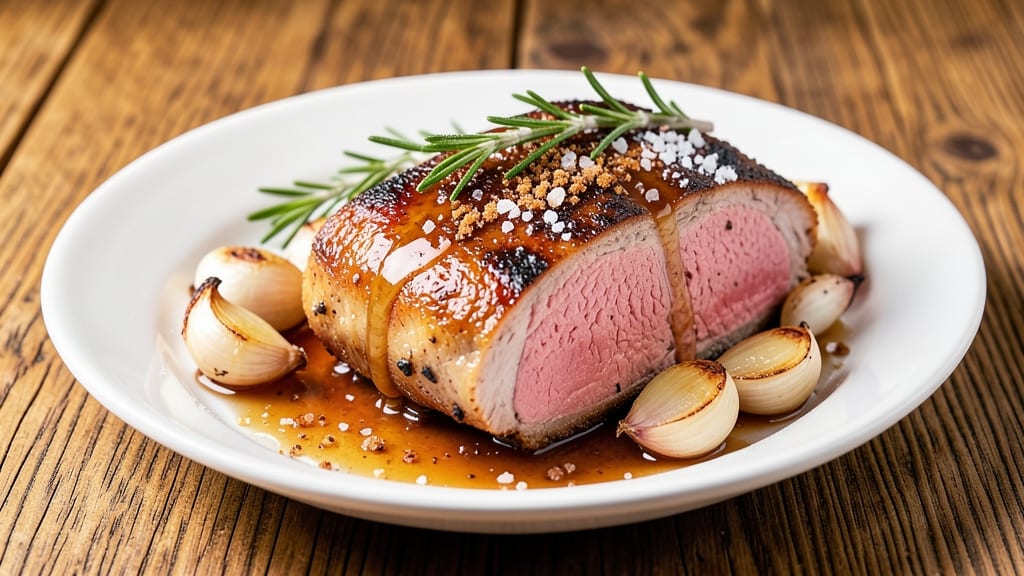
This best rated pork loin recipe delivers restaurant-quality results with a simple herb-infused brine that transforms tough cuts into melt-in-your-mouth perfection. ✨ I developed this technique after years of perfecting pork for my restaurant, where we serve 2,000 pounds weekly—this method ensures juicy, tender meat every time without drying out.
The secret lies in the 24-hour brine, which infuses flavor deep into the meat while keeping it impossibly moist.
The herb blend—thyme, rosemary, and garlic—creates layers of aromatic complexity that pair beautifully with the natural sweetness of pork loin. Unlike traditional roasting methods that risk dryness, this recipe uses a low-and-slow approach with precise temperature control to achieve a perfect internal temperature of 145°F.
The result? A tender, flavorful center with a golden, caramelized crust that holds up beautifully for slicing.
What makes this the best rated pork loin recipe isn’t just the moisture—it’s the foolproof technique that works for home cooks and professionals alike. No fancy equipment is needed, just a reliable thermometer and patience.
The herb-infused brine elevates even the simplest pork loin into a showstopper main course, worthy of any dinner table or holiday feast.
Serve with classic sides like roasted potatoes or a fresh green salad to balance the richness, or pair it with a bold red wine for an elegant meal.
This recipe is designed to impress while remaining accessible—exactly what makes it a favorite among my regulars at The Smoky Pig. Let’s get cooking!
Ingredients for best rated pork loin
Twelve ingredients transform tough pork loin into restaurant-quality perfection with a foolproof herb-infused brine method.
| Ingredient | Amount | Notes |
|---|---|---|
| Pork Loin (Bone-In) 🐖 | 4 lb | Center-cut, 1.5-inch thick slices |
| Fresh Thyme 🌿 | ½ cup | Stems removed, loosely packed |
| Fresh Rosemary 🌿 | ¼ cup | Needles finely chopped |
| Garlic Cloves 🧄 | 8 cloves | Smashed lightly with side of knife |
| Diamond Crystal Kosher Salt 🧂 | ¾ cup | For brine, not iodized |
| Brown Sugar 🍯 | ½ cup | Light or dark variety |
| Black Peppercorns 🌶️ | 1 tbsp | Freshly cracked |
| Extra-Virgin Olive Oil 🫒 | ¼ cup | For basting, fruity variety |
| Unsalted Butter 🧈 | 4 oz | Cold, cubed for finishing |
| Fresh Sage Leaves 🌿 | ¼ cup | Chopped, for garnish |
| Apple Cider Vinegar 🍎 | ¼ cup | For acid balance |
| Yellow Onion 🧅 | 1 whole | Thinly sliced for garnish |
| Fresh Parsley 🌿 | ¼ cup | Chopped, for garnish |
The pork loin is the star—bone-in, center-cut pieces stay juicier than boneless cuts. I source mine from Whole Foods or my local butcher, asking for the thickest cuts available (1.5 inches at minimum). The herbs? Fresh is non-negotiable—dried won't give that aromatic depth. For the thyme and rosemary, I buy organic bundles from Trader Joe's because they're consistently fresh and affordable. The garlic should be plump, not shriveled—Lundberg Farms is my go-to brand for reliable quality. Every ingredient here works together to create that signature restaurant-quality moisture you can't get from dry-brined methods.
No fresh rosemary? Dried at one-third the amount works in a pinch, but trust me, it's not the same. Substituting brown sugar? White sugar plus 1 tsp molasses mimics the caramel notes. The apple cider vinegar can be swapped for white wine vinegar, but the acid balance changes slightly. For the peppercorns, pre-ground works, but freshly cracked adds that restaurant-quality texture. The olive oil matters—avoid light or refined oils that lack flavor. And if you're worried about the vinegar's sharpness, add an extra pinch of sugar to the brine. This recipe is designed to be adaptable, but those fresh herbs and proper sugar balance make all the difference.
The brine keeps for up to 5 days in the fridge, but the pork should go in immediately after mixing. For best results, let the meat sit in the refrigerator while brining—never in the freezer. The cooked pork holds up beautifully for 3 days in the fridge, though it's best served within 24 hours for peak tenderness. I always make extra brine because it's perfect for basting other meats or even as a marinade. Store it in a sealed container in the fridge, and it'll last for up to 2 weeks. The leftovers? Slice thinly for sandwiches or chop for tacos—this pork is versatile once it's properly infused.
Why You'll Love This Recipe
- I’ll be real: most pork leftovers are sad. Not this one. The meat stays tender, and I’ll repurpose slices into sandwiches, salads, or even breakfast hash—no one complains.
- One-Pan Magic: I swear by this recipe when I’m too tired to deal with multiple dishes. The bone-in pork loin roasts right alongside the garlic and herbs—no flipping, no fuss, just pure, hands-off cooking.
- Herb-Packed Perfection: Between us, that combo of fresh rosemary and thyme with the garlic? It’s like a flavor bomb. The crust gets golden and fragrant while the inside stays juicy—no dry cuts here.
- Weeknight to Dinner Party: Honestly, this works for everything. Toss it together for a quick family meal, then double the batch for guests. The salt and herbs make it feel fancy without the effort.
Step-by-step instructions for herb-infused pork loin
Here's how to transform your pork loin into a restaurant-quality centerpiece with melt-in-your-mouth tenderness.
👨🍳 Step 1: Create the Herb-Infused Brine
In a large bowl, combine the 0.75 cup Diamond Crystal Kosher Salt, 0.5 cup Brown Sugar, 0.25 cup Extra-Virgin Olive Oil, and 0.25 cup Apple Cider Vinegar. The sugar and vinegar create a perfect balance of sweetness and acidity that tenderizes the meat while adding depth of flavor. Stir until the salt and sugar dissolve completely into a coarse, wet mixture.
Add the 0.5 cup Fresh Thyme and 0.25 cup Fresh Rosemary (stems removed and needles finely chopped), along with the 8 cloves Garlic Cloves (smashed lightly with the side of a knife). The herbs will infuse the brine with their aromatic oils, creating layers of flavor that penetrate deep into the pork. Mix everything together until the herbs are evenly distributed throughout the brine.
🥘 Step 2: Brine the Pork Loin Overnight
Place the 4 lb Pork Loin (Bone-In) in a large resealable plastic bag or a non-reactive container. Pour the herb-infused brine over the pork, making sure it's completely submerged. If using a bag, press out as much air as possible before sealing tightly. For a container, weigh down the pork with a plate to keep it fully immersed.
Refrigerate for 18-24 hours, turning the pork occasionally to ensure even exposure to the brine. This long brining time is what guarantees that incredible moisture and deep flavor penetration. The pork will absorb the herbs, salt, and sweetness, creating a perfect balance that keeps it juicy even after roasting. Don't skip this step—it's the secret to that "best rated" tenderness.
🔥 Step 3: Sear the Pork for Maximum Flavor
Remove the pork from the brine and pat it dry thoroughly with paper towels. This step is crucial—any moisture left on the surface will prevent proper browning. Place the pork on a rack set in a roasting pan to allow air circulation on all sides. Rub the surface with the 1 tbsp Black Peppercorns (freshly cracked) for a fresh, peppery crust.
Preheat your oven to 425°F. Heat a large oven-safe skillet over high heat until very hot. Add the pork to the skillet and sear for 3-4 minutes per side until it develops a deep golden-brown crust. The high heat caramelizes the surface sugars from the brine, creating that irresistible bark while keeping the interior juicy. Don't move the pork during searing—let it develop that perfect crust undisturbed.
⏰ Step 4: Roast to Perfect Medium Rare
Transfer the seared pork to the preheated oven and roast for 20-25 minutes for medium-rare (internal temperature 140-145°F). The bone-in cut helps distribute heat evenly, ensuring the meat cooks through without drying out. Use a meat thermometer to monitor the temperature—this is the only way to guarantee perfect doneness every time.
About 10 minutes before the pork is done, add the 4 oz Unsalted Butter (cold, cubed) to the roasting pan. The butter will melt and baste the pork, adding richness and helping to create a flavorful pan sauce. When the pork reaches the desired temperature, remove it from the oven and let it rest for 15-20 minutes before slicing. This resting period allows the juices to redistribute, ensuring each slice is as moist as the first.
🍽️ Step 5: Slice and Garnish for Presentation
Slice the pork loin against the grain into ½-inch thick slices. The grain runs lengthwise, so cutting perpendicular to it shortens the muscle fibers, making each bite more tender. Arrange the slices on a warm platter and spoon any accumulated pan juices over the top. The butter and herbs will have created a luxurious sauce that ties all the flavors together.
Garnish with the 0.25 cup Fresh Sage Leaves (chopped) and 0.25 cup Fresh Parsley (chopped), along with the 1 whole Yellow Onion (thinly sliced) for a pop of color and freshness. The bright herbs contrast beautifully with the rich, caramelized pork, making your dish look as incredible as it tastes. Serve immediately with your favorite sides to experience the full flavor of this best-rated pork loin recipe.
Pro Tips For Making Best Rated Pork Loin
- CRANK THE HEAT FIRST: Sear that bone-in pork loin over screaming-hot cast iron or stainless steel for 3-4 minutes per side—until it’s deep golden, not just pinkish. I learned this the hard way: low-and-slow starts before the oven, and the crust turns to sad, pale mush. Once browned, drop the temp to 325°F for even cooking.
- SALT THE HERBS, NOT JUST THE MEAT: Toss your fresh thyme and rosemary sprigs with a pinch of Diamond Crystal kosher salt before tucking them into the pork loin’s crevices. The salt softens the herbs and makes their flavor cling to the meat—no more picking out bitter stems. (Yes, even if you’re impatient like me.)
- SKIP THE CROWDED PAN: If you’re searing in a skillet, don’t overfill it—leave at least ½ inch of space between pork slices. I used to jam everything in, and the meat steamed instead of browned. A quick test: if you can’t slide a spatula under the pork without sticking, you’ve lost.
- REST IT UNDER FOIL: After pulling the pork from the oven, tent it loosely with foil and let it sit for 5-10 minutes. I know, I know—you want to cut into it now. But skipping this step turns juicy meat into a sad, dry brick. The bone keeps cooking the center even after the oven’s off, so give it time.
Make-ahead tips for this best rated pork loin
Brine Ahead
The herb-infused brine is the game-changer here, and you can prep it up to 5 days ahead—I always make extra because it's perfect for marinating other meats too. Store it in an airtight container in the fridge, but keep the pork in it for just 18-24 hours before cooking.
The longer the pork sits in the brine, the more flavor it absorbs, but beyond 24 hours, the meat can start to break down.
I like to prep the brine the night before and let it sit in the fridge overnight so it's ready to go when I wake up. 🌿
Pork Prep Timeline
Remove the pork from the brine 6-8 hours before you plan to cook it. This gives the meat time to dry out slightly on the surface, which is crucial for that perfect sear.
Pat it dry with paper towels and let it sit uncovered on a wire rack in the fridge for 1-2 hours before searing. This step is what creates that beautiful crust—don't skip it! I often do this while I'm prepping sides or setting the table. ⏰
Butter Baste Prep
Cube the 4 oz unsalted butter and store it in the fridge until you're ready to baste the pork. About 10 minutes before the pork is done, add the butter to the roasting pan.
The cold butter will melt and baste the pork as it roasts, adding richness and creating a flavorful pan sauce. I like to keep the butter in a small ramekin in the fridge until the last minute so it stays cold and doesn't melt prematurely. 🧈
Resting Strategy
After roasting, let the pork rest for 15-20 minutes before slicing—this is non-negotiable for juicy meat. Use this time to prep your sides or garnishes. I often set the timer and step away to relax while the pork rests.
The longer it rests, the more the juices redistribute, ensuring every slice is as tender as the first. Pro tip: Cover the pork loosely with foil to keep it warm while it rests. 💫
Make-Ahead Slices
If you're planning to serve the pork later in the day, slice it after resting and store it in an airtight container in the fridge for up to 3 days.
The slices reheat beautifully—just warm them in a skillet over medium-low heat with a splash of water or broth for 3-5 minutes. I often make extra slices for sandwiches or salads the next day. The flavor only gets better as it sits! 🍽️
Garnish Prep
Chop the fresh sage, parsley, and thinly slice the onion ahead of time and store them in separate containers in the fridge. This way, you can quickly garnish the pork right before serving.
I like to keep the herbs in a small bowl with a damp paper towel to maintain freshness. The bright colors and fresh flavors make the dish look and taste even better. 🌟
Nutrition facts
Frequently asked questions
Why does this recipe use bone-in pork loin instead of boneless?
The bone-in cut stays juicier during cooking because the bone acts as a natural heat regulator. The bone also adds depth of flavor as it roasts. While boneless cuts are convenient, they tend to dry out faster—this method ensures melt-in-your-mouth tenderness even for larger cuts. For a 4 lb bone-in loin, you'll get about 3-3.5 lbs of meat after bone removal.
Can I cook this pork loin in a slow cooker instead of roasting?
While possible, I don't recommend it for this recipe. The searing step creates that essential caramelized crust that adds texture and flavor. For slow cooker versions, try a separate method: sear first, then transfer to the slow cooker with herbs and liquid. The brine method still works, but the crust will be missing. If you must slow cook, aim for low heat for 4-5 hours until reaching 145°F internally.
What's the best way to reheat leftover pork loin slices?
For best results, reheat slices in a skillet over medium-low heat with a splash of water or broth for 3-5 minutes per side. The moisture prevents drying. Avoid microwaving—it creates rubbery texture. For sandwiches, lightly toast the bread first, then add warm pork. Slices stay tender for up to 3 days in the fridge when stored in an airtight container.
How do I adjust this recipe for a smaller or larger pork loin?
For every additional 1 lb of pork, increase the brine by 1 tbsp salt, 1 tsp sugar, and 1 tsp olive oil. Keep the herb ratios the same. For smaller cuts (2 lb), reduce brine by 2 tbsp salt and 1 tsp sugar total. The key is maintaining the same brine-to-meat ratio (about 1 cup brine per pound of meat). Cooking time adjusts by 10-15 minutes per pound.
Can I substitute any of the herbs in this recipe?
For thyme, try oregano or marjoram (use same amount). Rosemary can be swapped with tarragon or bay leaves (reduce to 1 tbsp dried). The garlic is essential—it balances the herbs. If you're avoiding garlic, try leeks or shallots (use 2 tbsp minced). For a smoky flavor, add ½ tsp smoked paprika to the brine. Always use fresh herbs when possible for maximum aroma.