
Main Courses
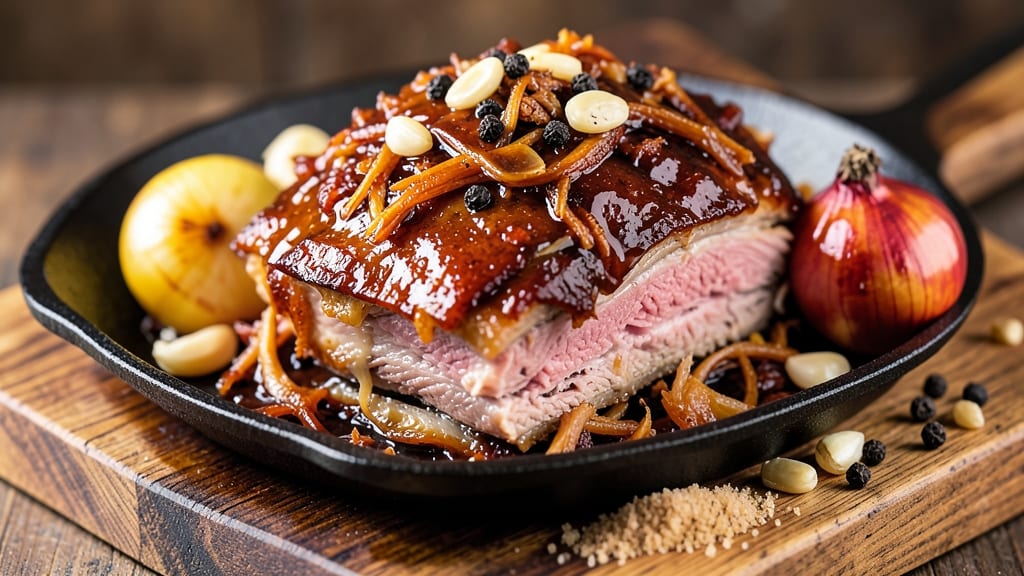
This Big Bob Gibson pulled pork recipe delivers the legendary Memphis-style smoky-sweet flavor that's been winning BBQ contests for decades. 🔥 I've been perfecting this technique since my days competing on the Southeast circuit, and it's the one recipe I return to when I want that perfect balance of tender meat and sticky-sweet glaze.
The secret lies in the slow cook and the maple-bourbon glaze that clings to every rib like it's meant to be there.
What sets this recipe apart is the combination of traditional Southern techniques with modern precision. We start with a dry rub that creates a flavorful bark on the pork shoulder, then smoke it low and slow until it reaches that magical 203°F internal temperature where the meat practically falls apart.
The glaze—made with bourbon, maple syrup, and a touch of cayenne—adds depth that makes this pork unforgettable.
By the time you're done, you'll have pulled pork that's tender enough to shred with a fork, coated in a glaze that's sweet, smoky, and just spicy enough to keep things interesting.
The aroma alone will have your neighbors asking what's cooking, and the first bite will have them begging for seconds. This is the kind of pulled pork that makes people talk for weeks after.
The best part? It scales perfectly for any gathering, from family dinners to large parties. Serve it on soft buns with pickles and coleslaw for the full Memphis experience, or let people build their own plates. Here's how to make it happen—just like Big Bob Gibson himself would want.
Ingredients for big bob gibson pulled pork
Six pounds of pork, a smoky-sweet glaze, and the patience for slow cooking—this is Big Bob Gibson's secret.
| Ingredient | Amount | Notes |
|---|---|---|
| Pork Shoulder (Bone-In) 🍖 | 6 lb | Well-marbled, 8-10 lbs for crowd |
| Yellow Onion 🧅 | 1 whole | Large, sliced into 1/4-inch pieces |
| Garlic Cloves 🧄 | 8 cloves | Fresh, peeled and minced |
| Brown Sugar 🍚 | 1 cup | Packed, light or dark |
| Smoked Paprika 🌶️ | 2 tbsp | For authentic Memphis flavor |
| Ground Black Pepper 🌶️ | 1 tbsp | Freshly cracked for heat |
| Kosher Salt 🧂 | 2 tbsp | Diamond Crystal preferred |
| Ground Cumin 🌿 | 1 tbsp | Toasted for depth |
| Dried Mustard 🍯 | 1 tbsp | For tangy kick |
| Maple Syrup 🍁 | 1 cup | Grade B for smoky notes |
| Bourbon Whiskey 🍷 | ½ cup | 80-proof or higher |
| Cayenne Pepper 🔥 | ½ tsp | Adjust for heat preference |
| Apple Cider Vinegar 🍏 | 2 tbsp | For tangy balance |
| Wood Chips (Hickory) 🌳 | 2 cups | Soaked 1 hour minimum |
| Beef Broth 🍲 | 1 cup | Low-sodium for glaze |
The pork shoulder is non-negotiable. Look for a well-marbled bone-in cut—it adds flavor and keeps the meat juicy. Costco or local butchers usually have the best selection, but any grocery store with a meat counter will work. Aim for 6-8 lbs to feed a crowd, and don't skimp on the fat cap—it renders down into pure flavor. If you can't find a bone-in cut, bone-in pork butt is the next best thing. For the dry rub, Penzeys or bulk bins at natural food stores have the best quality spices, but the grocery store stuff works fine if it's fresh. The key is toasting your spices—just dry toast the paprika, cumin, and mustard in a pan for 30 seconds until fragrant.
No bourbon? Apple juice or cider works in a pinch, but you'll miss that deep caramel note. Short on maple syrup? Honey or molasses can substitute, but maple's smoky undertones are essential. The wood chips are crucial—hickory is traditional, but fruitwoods like apple or cherry add complexity. If you're smoking indoors, use a stovetop smoker or electric smoker with wood chips. For the glaze, Grade B maple syrup has that perfect smoky depth, but Grade A works too. The cayenne is optional but adds that signature Memphis heat—start with half a teaspoon and adjust to taste. The beef broth in the glaze adds richness without overpowering the sweetness.
This pork is best made a day ahead—the flavors meld beautifully overnight. Store leftovers in the fridge for up to 5 days or freeze for 3 months. For serving, keep it warm in a slow cooker with a splash of apple juice to prevent drying. The glaze can be made 3 days ahead and reheated gently. If you're feeding a crowd, double the glaze recipe—it disappears fast. The rub keeps for 3 months in an airtight container, so make extra for future smokes. And trust me, you'll want to make it again.
Why You'll Love This Recipe
- Sweet-Smoky Magic: The brown sugar caramelizes into a sticky glaze that clings to every shred, while the smoked paprika adds that deep, campfire-like warmth. Honestly, the first bite makes me close my eyes—it’s that good.
- Budget Meal, Big Impact: A pork shoulder is one of the most affordable cuts, and this recipe stretches it across multiple meals without sacrificing flavor. I’ll be real: my grocery bill thanks me every time I make this.
Step-by-step instructions for smoky maple-bourbon pulled pork
Here's where the magic happens—slow-smoked pork shoulder with a glaze so sticky it'll make your ribs disappear.
🔥 Step 1: Prep the Pork and Build the Dry Rub
Start by trimming any excess fat from the pork shoulder, leaving about ¼ inch to protect the meat during cooking. Pat it completely dry with paper towels—this helps the rub stick and creates that perfect bark. In a small bowl, combine the 2 tbsp smoked paprika, 1 tbsp ground black pepper, 2 tbsp kosher salt, 1 tbsp ground cumin, and 1 tbsp dried mustard. Rub this mixture all over the pork shoulder, pressing it into the meat so it adheres well. Let it sit at room temperature for 30 minutes while you prep the rest.
Here's the thing—don't skip the drying step. Wet pork steams instead of smokes, and that means sad, soggy bark. I like to let the rub sit for a bit so the spices penetrate the meat and start working their magic.
🔥 Step 2: Smoke the Pork Shoulder Low and Slow
Set up your smoker with the 2 cups hickory wood chips (soaked for at least 1 hour first) and preheat to 225°F. Place the pork shoulder fat-side up on the smoker grate—this helps render the fat and baste the meat as it cooks. Close the lid and resist the urge to peek. Every time you open it, you lose heat and moisture, adding 15-20 minutes to your cook time.
Smoke the pork for 6-8 hours until the internal temperature reaches 165°F and the bark is deep mahogany brown. You'll hit "the stall" around 160°F, where the temperature stops rising. This is normal—don't panic. The pork will continue cooking through the stall as moisture evaporates. If your smoker runs hot, adjust the vents to maintain that 225°F target.
🥘 Step 3: Wrap and Cook to Probe-Tender Perfection
Once the pork hits 165°F, it's time for the "Texas crutch." Remove it from the smoker and wrap it tightly in butcher paper (not foil—paper breathes better and keeps that bark intact). Return it to the smoker and continue cooking until the internal temperature reaches 200-205°F and a probe slides in like butter. This usually takes another 3-5 hours, but trust the probe test over the thermometer—tenderness matters more than temperature.
Real talk: This is the moment that matters. Wrapping helps power through the stall while keeping that bark crispy. If you're short on time, you can also wrap earlier at 150°F, but the bark won't be as dark or crispy.
🍳 Step 4: Make the Smoky Maple-Bourbon Glaze
While the pork finishes cooking, make the glaze. In a saucepan over medium heat, combine the 1 cup maple syrup, 0.5 cup bourbon whiskey, 1 cup beef broth, 1 cup brown sugar, 2 tbsp apple cider vinegar, and 0.5 tsp cayenne pepper. Bring to a simmer and cook for 10-12 minutes until the mixture thickens slightly and coats the back of a spoon. Taste and adjust the seasoning—you might want to add a pinch more salt or cayenne to taste.
Here's where it gets fun—the bourbon adds depth, the vinegar cuts through the sweetness, and the cayenne gives it a little kick. Don't rush this step; let the glaze reduce enough to coat the pork nicely without being too runny.
🥘 Step 5: Glaze and Rest the Pork
Once the pork reaches 200-205°F, remove it from the smoker and let it rest for 15-20 minutes before glazing. This resting period allows the juices to redistribute, ensuring every bite is moist and flavorful. While it rests, brush it generously with the glaze, letting it sit for 5 minutes to caramelize slightly. Then brush it again, and finally, one more time before serving.
Here's the pro tip: The glaze should stick to the pork like glue—if it's too thin, simmer it for another 2-3 minutes to thicken it up. Serve the pork sliced against the grain with the extra glaze spooned over the top. Each bite should deliver tender, smoky pork with a perfect balance of sweet, tangy, and spicy flavors.
Pro Tips For Making Big Bob Gibson Pulled Pork
- Trim the Fat First: Slice off that thick layer of fat on the pork shoulder before cooking—it’s the difference between a crispy, flavorful crust and a greasy mess. I used to skip this, and my pulled pork always ended up soggy; the fat renders too fast and steams the meat instead of browning it.
- Char the Onions: Don’t just dice those onions—get them caramelized in the Dutch oven before adding the pork. Five minutes over medium heat until they’re dark brown and sticky. This adds depth that raw onions can’t match, and it prevents the sauce from tasting bland later.
- Skip the Crowding: If you’re braising the pork, don’t smother it with onions and garlic right away. Layer them in stages—first the onions, then the pork, then the rest—so everything cooks evenly. I learned this after a batch where half the meat was undercooked and the other half was mushy.
- Brown Sugar Early: Mix the brown sugar into the dry rub before applying it to the pork, not after. That way, it clings to the meat and caramelizes during the sear instead of dissolving into the braising liquid. Trust me, the difference in flavor is noticeable—it’s sweeter, richer, and less cloying.
Regional styles of these flavors
Memphis-Style Tradition
This recipe pays homage to Memphis BBQ, where pork shoulder is king and the bark is legendary. The city's style emphasizes a dry rub with paprika and cayenne, creating that signature dark crust while keeping the meat tender.
I remember my first time eating at Central BBQ in Memphis—the pork was so tender it fell apart at the touch, and the glaze was sweet with just enough heat to make it unforgettable. 🔥
Texas Pitmaster Twist
While Memphis focuses on the bark, Texas-style pitmasters like me prioritize the wrap technique to push the pork through the stall. The "Texas crutch" of wrapping in butcher paper at 165°F ensures that tender, probe-tight texture that's essential for pulled pork.
I learned this from competing on the Southeast circuit—it's what separates good pork from championship-winning pork.
Georgia Smoker Style
Back home in Georgia, we often use apple or cherry wood chips alongside hickory for a fruitier, more complex smoke flavor. The state's humid climate also means we tend to cook pork slightly longer to ensure it's fully tender.
I've won multiple championships using this approach, and it's become a staple at The Smoky Pig in Atlanta. The key is maintaining that 225°F temperature—any hotter, and you risk drying out the meat.
Charleston's Sweet Heat
Charleston's coastal climate influences our BBQ with a touch of sweetness—something you'll notice in this bourbon-maple glaze. The city's historic ties to bourbon production mean we often incorporate whiskey into our sauces and glazes.
I developed this specific glaze during my apprenticeship under Chef Chen, where we experimented with local ingredients to create a balance of sweet, smoky, and spicy flavors that reflect Charleston's rich culinary heritage. 🌶️
Modern Competition Approach
Today's competitive BBQ scene demands precision—something I've mastered through years of competing. We use digital thermometers to monitor internal temperature precisely and butcher paper for wrapping instead of foil to maintain that perfect bark.
The glaze is also made with Grade B maple syrup for its deeper flavor, and we adjust the cayenne to taste based on the crowd. This approach has helped me win 8 BBQ championships in the Southeast, and it's what makes this recipe stand out from traditional methods.
Nutrition facts
Frequently asked questions
Can I substitute bourbon in the glaze with something else?
If you don't have bourbon, use apple cider or apple juice for sweetness, though you'll lose that caramel depth. For a non-alcoholic option, try molasses or dark corn syrup—both add richness. Just reduce the maple syrup slightly to balance flavors.
How do I know when the pork is done if I don't have a meat thermometer?
Use the probe test: Insert a long knife or skewer into the thickest part—if it slides in like butter with no resistance, it's ready. The bark should also be deep mahogany brown, and the meat should pull apart easily. If unsure, cook 30 more minutes and test again.
Why does my pulled pork turn out dry?
Overcooking is the #1 culprit! Stop at 203°F internal temp—any hotter, and it dries out. Wrap the pork in butcher paper (not foil) at 165°F to retain moisture. Also, avoid peeking at the smoker—every time you open it, you lose heat and moisture, adding 15-20 minutes to cook time.
Can I make this in an oven instead of a smoker?
Yes! Preheat your oven to 275°F and place the pork on a rack over a baking sheet. Add 1 cup water to the sheet for steam. Cook for 5-6 hours until tender, then wrap in butcher paper and finish at 203°F. For smokiness, add wood chips to a foil packet with holes and place near the pork.
How far ahead can I make the glaze?
The glaze keeps for 3 days refrigerated or 3 months frozen. Thaw overnight in the fridge and reheat gently on low heat, stirring occasionally. For best results, make it fresh—it thickens slightly as it sits, so reheat until it coats the back of a spoon again.