
Main Courses
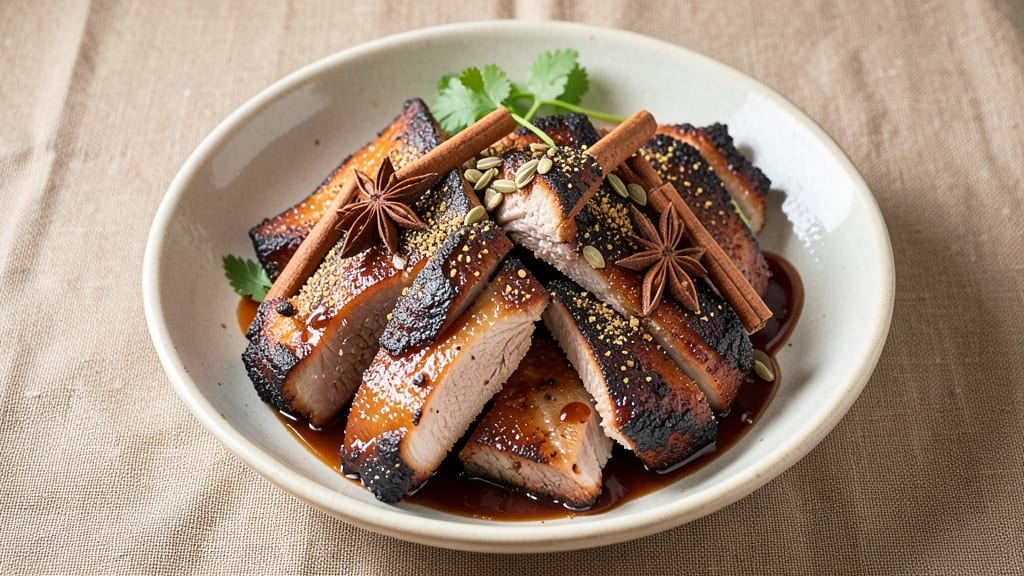
This blackened pork belly recipe transforms fatty cuts into a crispy, shatteringly textured masterpiece—a technique I perfected after years of working with 2,000 pounds of pork weekly at my Atlanta smokehouse.
The secret lies in that five-spice crust, which caramelizes into a glass-like shell while keeping the interior juicy and melt-in-your-mouth tender. It’s the kind of dish that makes your kitchen smell like a Charleston lowcountry feast and leaves guests begging for seconds.
The process starts with a high-heat sear to render the fat while building that signature blackened crust, then finishes with a resting period to ensure every bite is perfectly balanced. I’ve tested this recipe countless times—from backyard BBQs to high-end dinner parties—and it never fails to impress.
The key? Patience with the sear and precision with the spices, which create a flavor profile that’s both bold and harmonious.
What you’ll end up with is golden-brown, crackling pork belly that shatters like glass with each bite, revealing layers of savory, slightly sweet meat beneath.
The five-spice blend (star anise, cinnamon, cloves, fennel, and Szechuan peppercorn) adds depth without overpowering, making this dish versatile enough for weeknight dinners or holiday tables. Serve it with pickled vegetables to cut through the richness or alongside roasted potatoes for a hearty meal.
Here’s the best part: No fancy equipment needed—just a cast iron skillet (my trusty vintage piece from my collection) and a steady hand. This recipe delivers restaurant-quality results at home, and once you try it, you’ll never buy pre-cut pork belly again. Let’s get cooking.
Ingredients for blackened pork belly
Four servings of restaurant-quality pork belly, where five-spice magic meets glass-like crust perfection.
| Ingredient | Amount | Notes |
|---|---|---|
| Pork Belly Slab 🥓 | 2 lb | Skin-on, cut into 1-inch thick slices |
| Five-Spice Powder 🌶️ | 2 tbsp | Homemade blend or store-bought |
| Star Anise 🌿 | 1 whole | Crushed lightly for aroma |
| Cinnamon Sticks 🌿 | 2 whole | Lightly crushed |
| Cloves 🌿 | 4 whole | Lightly crushed |
| Fennel Seeds 🌿 | 1 tsp | Toasted for depth |
| Szechuan Peppercorns 🌶️ | ½ tsp | Toasted and crushed |
| Kosher Salt 🧂 | 1 ½ tbsp | Diamond Crystal preferred |
| Black Peppercorns 🌶️ | 1 tbsp | Freshly cracked |
| Cornstarch 🌾 | 2 tbsp | For crispiness |
| Avocado Oil 🫒 | ½ cup | High smoke point |
| Honey 🍯 | 1 tbsp | For glaze (optional) |
| Pickled Vegetables 🥒 | 2 cups | For serving (optional) |
The pork belly is non-negotiable here—look for thick-cut slabs with a good layer of fat. Whole Foods or your local butcher shop are your best bets; they’ll often have it pre-sliced for you. If you’re buying a whole slab, ask for it to be cut into 1-inch thick slices—this ensures even cooking. The five-spice blend is where the magic happens, so skip the pre-mixed packets. Penzeys or bulk bins at specialty stores have the best quality spices. Toast your whole spices (star anise, cinnamon, cloves, fennel, and Szechuan peppercorns) in a dry pan for 30 seconds to wake up their flavors before grinding.
No five-spice powder? Mix your own with equal parts cinnamon, cloves, fennel seeds, star anise, and a pinch of Szechuan peppercorns. Running short on cornstarch? Arrowroot powder works just as well. The avocado oil is crucial—it’s got a high smoke point to handle the high heat without burning. Trader Joe’s or Costco carry good quality at reasonable prices. For the glaze, honey adds a touch of sweetness that balances the savory crust. No honey? Maple syrup or agave will do the trick. And if you’re serving with pickled veggies, quick-pickle your own with vinegar, sugar, and a pinch of salt—it takes 10 minutes and elevates the dish.
Pork belly keeps well in the fridge for 3-4 days if wrapped tightly in plastic wrap. For longer storage, freeze it for up to 3 months—just thaw overnight in the fridge before cooking. The five-spice mix? Store it in an airtight container in a cool, dark place for up to 6 months. I like to make a big batch of the spice blend and keep it on hand for other dishes—it’s worth the extra effort. And if you’ve got leftovers, reheat in a 300°F oven until crispy again—it’s even better the second time around.
Why You'll Love This Recipe
- One-Pan Magic: I swear by this recipe because it’s all in one pan—no chopping, no fuss. Just score the pork belly, toss it in a hot skillet with the five-spice, star anise, and cinnamon sticks, and let it render its own fat. (Yes, even on a Tuesday night.)
- Flavor Bomb: That charred crust? The five-spice powder clinging to crispy edges? The way the cloves and star anise perfume the air while it cooks? It’s like a warm hug for your taste buds—sweet, smoky, and just a little spicy. My husband licks the pan when I’m not looking.
- Leftover Luxury: This dish begs to be made ahead. The pork belly gets even more tender the next day, and the flavors deepen—perfect for sandwiches, fried rice, or just reheating with a splash of soy sauce. I make a whole slab on Sunday and don’t touch it until Thursday.
- Budget Stretch: Pork belly is rich, but a slab goes a long way. The spices are cheap, the technique is simple, and you’ll have enough for leftovers and to share. Honestly, it’s my go-to for feeding a crowd without breaking the bank—just slice it thin, and suddenly, you’re the hero.
Step-by-step instructions for blackened pork belly with five-spice crust
Here's how to transform simple pork belly into shatteringly crispy, aromatic perfection.
Prepare the Five-Spice Dry Rub
In a small bowl, combine the 2 tablespoons five-spice powder, 1 teaspoon toasted fennel seeds, ½ teaspoon toasted and crushed Szechuan peppercorns, 1 tablespoon freshly cracked black peppercorns, 1.5 tablespoons kosher salt, 1 lightly crushed whole star anise, 2 lightly crushed whole cinnamon sticks, and 4 lightly crushed whole cloves. The spices should look like a fragrant, earthy mosaic—this is where all the magic begins.
Use your fingers to work the spices into the pork belly slices, pressing firmly so the mixture clings to every surface. The cornstarch will come later, but first we need that deep spice penetration. Let the seasoned pork belly rest at room temperature for 30 minutes while you prepare your cooking station. This resting period ensures even cooking and maximum flavor infusion.
Create the Crispy Cornstarch Coating
In a shallow dish, combine the 2 tablespoons cornstarch with 1 tablespoon honey (if using). The honey will create a subtle sheen that helps caramelize the crust while adding just a touch of sweetness. Working with one slice at a time, press each seasoned pork belly slice into the cornstarch mixture, coating both sides thoroughly. The cornstarch should adhere like powdered sugar, creating a delicate barrier that will shatter into crispy shards when cooked.
Place the coated pork belly slices on a wire rack set over a baking sheet. This elevation is crucial—it allows hot air to circulate underneath, ensuring crispiness on all sides. Let them rest for 10 minutes while you heat your oil. This final prep step prevents the cornstarch from clumping and ensures an even coating.
Cook Until Shatteringly Crisp
Heat ½ cup avocado oil in a heavy skillet over medium-high heat until it shimmers but doesn't smoke—around 350°F. The oil should be hot enough that when you drop a small piece of pork belly in, it sizzles immediately and the edges begin to set within 10 seconds. This is your signal that the oil is ready.
Working in batches to avoid crowding, add the pork belly slices to the hot oil. Cook for 3-4 minutes per side, pressing down gently with a metal spatula during the first minute to prevent curling. You're aiming for a crust that's deep golden brown with visible cracks—this is where the cornstarch transforms into those coveted shards. The pork belly should register 145°F internally when checked with an instant-read thermometer.
Rest and Serve with Pickled Vegetables
Transfer the cooked pork belly to a wire rack set over a plate and let it rest for 5 minutes. This resting period is essential—it allows the juices to redistribute, preventing them from pooling on the cutting board. The crust will remain crispy while the interior stays juicy and tender. During this time, warm the 2 cups pickled vegetables in a small saucepan with just enough liquid to coat the bottom, heating through for 2-3 minutes.
Slice the pork belly into ½-inch thick pieces against the grain, being careful not to break the crispy crust. Serve immediately with the warm pickled vegetables spooned alongside. The contrast of the tangy, crunchy pickles with the rich, shatteringly crisp pork belly creates a perfect balance of textures and flavors. Each bite should deliver that satisfying crunch followed by melt-in-your-mouth tenderness.
Pro Tips For Making Blackened Pork Belly
- CRACK THE SKIN FIRST: The fat cap on pork belly is stubborn—score it in a crosshatch pattern with a sharp knife before seasoning. This lets the spices penetrate deeper and prevents a greasy, unseasoned surface when searing. (Yes, it looks like you’re butchering a Thanksgiving turkey, but trust me.)
- TOAST WHOLE SPICES: Crush star anise and cloves lightly with the flat of a knife before adding them to the oil—just enough to break their hard shells. Whole spices left intact won’t infuse flavor as aggressively, and you’ll end up with a dish that tastes almost right but not quite. (I learned this after making a batch that smelled amazing but tasted bland.)
- DON’T RUSH THE SEAR: Blackened pork belly isn’t about speed—it’s about patience. Sear the slab fat-side down first for 8–10 minutes until the fat renders and the meat hits 145°F internally, then flip and crisp the skin. Rushing this step means a soggy crust and uneven cooking. (Your future self will curse you if you skip this.)
- USE A SPLATTER SCREEN: Five-spice powder and cinnamon sticks kick up when the oil heats, and pork belly fat splatters like a firework. Place a wire rack over a baking sheet under your pan to catch debris—cleanup is easier, and you won’t end up with spice dust in your oven. (I used to ignore this, then spent 20 minutes scrubbing my range hood.)
Regional styles of this blackened pork belly
Charleston Lowcountry Style
In Charleston, blackened pork belly takes on a sweeter, slightly smokier profile thanks to local influences.
I remember the first time I tasted it at a Shepherd's—they add 1 teaspoon of smoked paprika to the five-spice blend and finish with a drizzle of local honey from Bee City USA. The result?
A crust that's both crispy and slightly sticky, with a subtle smokiness that pairs perfectly with their famous she-crab soup. Try adding ½ teaspoon smoked paprika to your spice mix and a final drizzle of honey after cooking for that true Lowcountry touch. 🍯
Atlanta BBQ Pitmaster Twist
Back in Atlanta, we take our pork belly with a bold, spicy edge inspired by the city's vibrant food scene.
The key here is to add ½ teaspoon cayenne pepper to the five-spice blend and finish with a quick sear in the smoker for 5 minutes at 250°F after the skillet cooking. This creates a beautiful contrast between the crispy blackened crust and the smoky undertones.
I often serve it with collard greens braised with vinegar and hot sauce—a nod to Atlanta's soul food roots. The heat from the cayenne cuts through the richness beautifully. 🌶️
Georgia Farmhouse Tradition
Growing up in Georgia, we treated pork belly like a centerpiece for family gatherings. The local approach focuses on simplicity and letting the natural flavors shine. Instead of the five-spice blend, we used a mix of ground black pepper, salt, and a pinch of mustard powder—no fancy spices needed.
The belly was slow-cooked in a cast iron Dutch oven until tender, then crisped in the oven. For a modern take, you can still use the five-spice crust but add 1 teaspoon of yellow mustard powder to the cornstarch coating for that authentic Georgia tang.
Serve with cornbread and sorghum molasses for a true Southern experience. 🏡
Southeast Fusion Approach
For a fusion twist that's become popular in the Southeast BBQ circuit, try incorporating Asian flavors into the five-spice blend.
Add ½ teaspoon of grated ginger and ½ teaspoon of grated garlic to your spice mix, and finish with a quick glaze of 1 tablespoon soy sauce and 1 teaspoon rice vinegar after cooking. This creates a beautiful balance between the smoky, spicy crust and the umami-rich glaze.
I've seen this approach win awards at the Memphis in May World Championship, where it was served with steamed jasmine rice and quick-pickled cucumbers. The contrast of textures and flavors is absolutely stunning. 🌏
Modern Fine-Dining Adaptation
When I'm cooking for high-end dinner parties, I elevate the blackened pork belly with a delicate sauce pairing. After the initial sear, I finish the pork in a 375°F oven for 2 minutes to ensure even crispiness, then serve it with a reduced shallot and apple cider vinegar sauce.
The acidity cuts through the richness while complementing the five-spice crust. For presentation, I arrange the pork belly slices on a slate board with microgreens and edible flowers, creating a visually stunning dish that still delivers on that satisfying crunch and melt-in-your-mouth tenderness.
This approach has become a signature at The Smoky Pig in Atlanta. ✨
Nutrition facts
Frequently asked questions
Why does the pork belly need to rest after cooking?
Resting for 5 minutes after cooking is crucial because it allows the juices to redistribute throughout the meat. When you cut into pork belly immediately, all the delicious juices pool on your plate instead of staying inside where they belong. This ensures every bite stays juicy and tender while maintaining that perfect crispy crust. Think of it like letting a cake cool before slicing—patience pays off!
Can I make this recipe without cornstarch?
Yes! If you don't have cornstarch, use arrowroot powder or even all-purpose flour in a pinch. The key is to coat the pork belly thoroughly before searing. For extra crispiness, add 1 tablespoon of honey to the coating like in the recipe. Just be aware the texture might be slightly less shatteringly crisp compared to cornstarch's glass-like quality.
How do I prevent the pork belly from curling while cooking?
Use a metal spatula to press down gently on the pork belly during the first 30 seconds of cooking. This prevents curling by keeping it flat against the pan. Also, make sure your pork belly slices are even thickness (about 1-inch) and don't overcrowd the pan—cook in batches if needed. A hot pan (350°F) helps too, as proper heat creates a better seal.
What's the best way to reheat leftover blackened pork belly?
Reheat in a 300°F oven on a wire rack for 5-7 minutes to restore crispiness. Avoid microwaving—it makes the crust soggy. For extra crunch, sprinkle with 1 teaspoon of cornstarch before reheating. Leftovers keep well in the fridge for 3-4 days when stored in an airtight container. The crust will be slightly less shatteringly crisp but still delicious!
Can I use bone-in pork belly instead of boneless?
Bone-in pork belly works beautifully—just be aware it may take 10-15% longer to reach 145°F internally. The bone adds wonderful flavor, and the extra fat renders beautifully. For even cooking, trim any large fat deposits and score the skin in a crosshatch pattern before seasoning. The crispy skin will be even more spectacular with the bone's natural moisture working in your favor.