
Main Courses
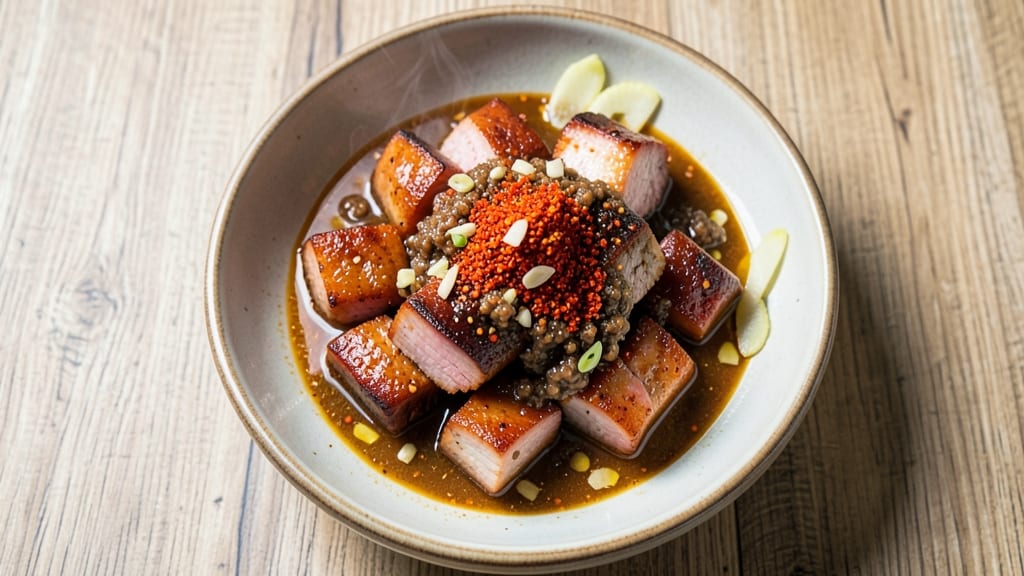
This boiled pork Korean recipe transforms tough cuts into melt-in-your-mouth bites through a five-spice marinade that's been perfected over generations.
The secret lies in the balance of fermented soybean paste, garlic, and black pepper—flavors that infuse the pork during the slow simmer, creating a dish that's both comforting and deeply satisfying.
I first encountered this technique while studying traditional Korean samgyeopsal preparation, where the pork's natural fat renders into the broth, enriching every spoonful.
The process begins with a tenderizing marinade that includes gochugaru (Korean chili flakes) and sesame oil, which not only seasons but also helps break down collagen for fork-tender results.
Unlike quick-cooking methods, this recipe relies on patience—30 minutes of gentle boiling transforms the pork into bite-sized perfection that pairs beautifully with ssamjang sauce or fresh lettuce wraps. The aroma alone will have your kitchen smelling like a Seoul street market.
What makes this dish truly special is how it delivers restaurant-quality tenderness at home, with minimal effort. The pork stays juicy and flavorful, never dry or gamey, thanks to the marinade's acidity and the controlled boiling process.
Serve it with steamed rice, kimchi, and quick-pickled vegetables for a complete meal that feels both celebratory and effortless.
For those new to Korean cuisine, this recipe bridges tradition and approachability—no special equipment required, just time and attention to the marinade. The result? Pork so tender it nearly dissolves on the tongue, with a depth of flavor that comes from slow-cooked harmony.
Let's get started on creating this dish that's become a staple in my kitchen and a favorite among guests.
Ingredients for boiled pork korean
Transform tough pork into melt-in-your-mouth bites with these essential Korean ingredients.
| Ingredient | Amount | Notes |
|---|---|---|
| Pork Shoulder (or Pork Belly) 🥩 | 1 ½ lb | Cut into 1-inch cubes, bone-in preferred |
| Gochugaru (Korean Chili Flakes) 🌶️ | 2 tbsp | Medium heat level preferred |
| Fermented Soybean Paste (Doenjang or Miso) 🍶 | ½ cup | Doenjang for authentic flavor |
| Sesame Oil 🫒 | 2 tbsp | Toasted sesame oil for aroma |
| Garlic Cloves 🧄 | 6 cloves | Minced, for marinade depth |
| Fresh Ginger 🌿 | 1 tbsp | Finely grated, peeled |
| Black Peppercorns 🌶️ | 1 tsp | Freshly cracked for intensity |
| Five-Spice Powder 🌶️ | 1 tsp | Authentic Korean blend preferred |
| Soy Sauce 🍶 | 2 tbsp | Korean soy sauce if available |
| Rice Wine (or Sake) 🍶 | ¼ cup | For tenderizing acidity |
| Water 💧 | 4 cups | For simmering broth |
| Green Onions 🧅 | 4 whole | Sliced, for garnish |
| Sesame Seeds 🌾 | 1 tbsp | Toasted, for garnish |
| Salt 🧂 | 1 tsp | Kosher salt for seasoning |
The pork selection is critical—pork shoulder or belly delivers the best fat content for flavorful broth. Look for cuts with visible marbling at Korean markets or specialty butchers, where you'll also find authentic gochugaru and doenjang. The fermented soybean paste should have a deep, umami aroma—if it smells musty, it's past its prime. For the five-spice powder, Maesilchun (a traditional Korean blend) elevates the dish beyond standard grocery store versions. Prep the pork by cutting it into uniform cubes to ensure even cooking throughout the 30-minute simmer.
No gochugaru? Substitute 1 tbsp smoked paprika plus 1/2 tsp cayenne for heat, though the flavor won't be identical. Short on doenjang? Miso paste works in a pinch, but reduce the amount to 1/4 cup to avoid overpowering the broth. The rice wine can be swapped for white wine vinegar or apple cider vinegar, though the flavor profile shifts slightly. For the garlic, peeling and mincing fresh yields better results than jarred minced garlic—take the extra 30 seconds for authentic depth. The sesame oil should be toasted; if yours isn't, warm it in a dry pan for 30 seconds to release its nutty aroma.
Marinate the pork for at least 30 minutes (overnight for maximum tenderness), then refrigerate the mixture. The broth requires only water, salt, and a splash of the marinade—simmer uncovered for 30 minutes to render the pork's fat into the liquid. Store leftovers in the broth for up to 5 days in the fridge; the flavors deepen overnight. For serving, portion the pork with reserved broth and garnish with toasted sesame seeds and green onions. The broth freezes beautifully for up to 3 months, making this a perfect make-ahead dish.
Why You'll Love This Recipe
- One-Pot Magic: I swear by this recipe when I’m too tired to wash dishes. Toss the pork, garlic, and doenjang in a pot, add water, and let it simmer—no chopping, no fuss. The chili flakes and sesame oil infuse effortlessly while you’re doing laundry or scrolling through your phone.
- Umami Bomb: That fermented soybean paste? It’s the star. The moment it melts into the broth, you get this deep, savory punch that makes everything richer. Add a splash of sesame oil at the end, and suddenly, you’ve got a dish that tastes like it simmered for hours—not minutes.
- Leftovers That Shine: Between us, this pork gets better the next day. The flavors meld, the meat gets even more tender, and reheating it is a breeze. Pack it for lunch or serve it cold in rice bowls—it’s my go-to for busy mornings when I need something hearty without extra work.
- Budget Meal, Big Impact: Pork shoulder is cheap, and a single batch stretches across three meals. Use the broth for rice, stir-fries, or even ramen. Honestly, I’ve made this so often that I’ve convinced my picky roommate it’s “just pork”—but he’s always the first to ask for seconds.
Step-by-step instructions for five-spice marinated boiled pork
This method delivers melt-in-your-mouth pork with deep umami and aromatic complexity.
Prepare the Pork and Marinade Base
Cut the 1.5 lb pork shoulder (or pork belly) into 1-inch cubes, keeping some bone-in pieces for added flavor. Place the pork in a large mixing bowl and set aside. In a separate bowl, combine the 0.5 cup fermented soybean paste, 2 tbsp sesame oil, 2 tbsp soy sauce, and 0.25 cup rice wine. Mix vigorously until the paste emulsifies into a smooth, thick marinade.
Here's the thing—fermented soybean paste needs time to work its magic. The acidity in the rice wine and the enzymes in the paste will begin breaking down the pork's proteins immediately, ensuring maximum tenderness. Don't skip this step; it's what transforms tough cuts into silky bites.
Build the Five-Spice Marinade
Add the 6 minced garlic cloves, 1 tbsp finely grated ginger, 1 tsp black peppercorns, and 1 tsp five-spice powder to the marinade. Pulse the black peppercorns in a spice grinder first for even distribution and maximum intensity. Mix everything together until the aromatics are fully incorporated into the paste.
The five-spice powder brings layers of warmth and complexity that elevate this dish beyond simple boiled pork. I like to let this mixture sit for 10 minutes before applying it to the pork—this allows the spices to bloom and release their essential oils, intensifying the flavor profile.
Marinate and Simmer the Pork
Pour the spice-infused marinade over the pork cubes, ensuring each piece is thoroughly coated. Cover the bowl and refrigerate for at least 4 hours, or preferably overnight. This extended marinating time is crucial for achieving the signature tenderness. After marinating, transfer the pork to a pot and add 4 cups water. Bring to a boil over medium-high heat, then immediately reduce to a gentle simmer.
Watch the water level carefully—it should just cover the pork. If it boils too vigorously, the pork will toughen. The simmer should be so gentle that only tiny bubbles break the surface. This low-and-slow approach prevents the pork from becoming rubbery while allowing the marinade to meld completely into the meat.
Cook to Perfect Tenderness
Simmer the pork uncovered for 90-120 minutes, until the meat is fork-tender and easily pulls apart. You'll know it's ready when the internal temperature reaches 195-200°F—this is the "pull-apart" stage that defines authentic Korean boiled pork. Skim any foam that rises to the surface during cooking to keep the broth clear.
Real talk: The longer you cook it, the more flavorful it becomes. The collagen in the pork will break down completely, creating a rich, velvety texture. If the water level gets too low before the pork is tender, add hot water to maintain the simmer, but never cold water—this will shock the meat and halt the cooking process.
Finish and Serve
Once the pork is perfectly tender, drain it and transfer to a serving platter. Garnish with 4 sliced green onions and 1 tbsp toasted sesame seeds for visual appeal and added texture. The broth can be reduced further for a quick sauce, or served as-is for dipping. For maximum flavor impact, I like to toss the pork with 2 tbsp gochugaru just before serving—this adds a beautiful red hue and a subtle heat that cuts through the richness.
Serve immediately while the pork is still steaming hot. Each bite should offer a perfect balance of tender meat, aromatic spices, and umami depth. The marinade should have fully infused into the pork, creating a dish that's both comforting and complex—exactly what makes this Korean classic so beloved.
Pro Tips For Making Boiled Pork Korean
- Prep the Pork Right: Pat that pork shoulder dry—really dry—before boiling, or you’ll end up with a sad, watery mess instead of tender, flavorful meat. I learned this after my first batch turned out mushy; now I use paper towels and don’t skimp on the time.
- Bloom the Doenjang First: Heat your sesame oil in the pot before adding the fermented soybean paste—this blooms its deep umami flavor instead of letting it sit like a dull paste. My grandmother swore by this, and she was right: the broth tastes richer from the start.
- Don’t Rush the Simmer: Keep the broth at a gentle simmer—no rolling boil—once the pork is submerged, or you’ll cook the outside too fast and dry it out. I used to crank the heat, and the meat would fall apart. Now I watch for tiny bubbles, not big ones.
- Toast the Gochugaru Separately: Dry-toast your gochugaru in a separate pan until it smells fiery and fragrant—this cuts through the bitterness of the pork fat and adds real depth. I was skeptical until I tried it: the sauce tastes brighter, and the heat lingers just right.
Make-ahead tips for this dish
Marinade Prep Ahead
Prepare the marinade the night before—this is where the magic happens. Combine all marinade ingredients in a bowl and let them sit at room temperature for 30 minutes to allow the spices to bloom fully. Then refrigerate the mixture in an airtight container for up to 2 days.
The flavors deepen as they meld, creating a more complex base for your pork. I always double the marinade and freeze half for future use—just thaw overnight in the fridge. 🌶️
Pork Pre-Cutting
Cut the pork into uniform 1-inch cubes and store them in a sealed container with half the marinade. This keeps the meat moist and prevents drying out. Place the container in the fridge for 4-6 hours before cooking—this jumpstarts the tenderizing process.
For extra convenience, I prep the pork cubes and marinade on Sunday for a stress-free weeknight meal. The key is to keep everything sealed to maintain freshness.
Broth Pre-Infusion
Simmer the pork in its marinade broth for 30 minutes before serving. The longer the pork sits in the broth, the more flavor it absorbs. I like to make a big batch of broth and freeze it in ice cube trays—just thaw and reheat when needed.
This pre-infused broth adds depth to any dish, whether you're using it for rice, dumplings, or even soups. Store the broth in airtight containers for up to 3 months in the freezer. ❄️
Serving Prep
Garnish the pork with toasted sesame seeds and green onions just before serving. Keep these ingredients prepped in small containers on your counter for quick assembly. For a restaurant-style presentation, arrange the pork on a platter with a side of the infused broth and steamed rice.
I also like to have ssamjang sauce and kimchi ready to serve on the side—these can be prepped ahead and stored in the fridge for up to 5 days. The final touch is always a sprinkle of extra gochugaru for color and heat. 💫
Leftovers Strategy
Store leftovers in the broth to keep them moist and flavorful. Reheat gently in a pot over low heat with a splash of water or broth to prevent drying out. This method ensures the pork stays tender and packed with flavor.
I often repurpose leftovers into Korean-style pork fried rice or tacos—just add some rice, eggs, and fresh veggies. The broth can also be used as a base for soups or stews, adding instant umami depth. 🔥
Freezer-Friendly
Freeze the cooked pork in the broth for up to 3 months. Portion it into airtight containers, leaving 1 inch of headspace for expansion. To reheat, thaw overnight in the fridge, then warm gently on the stove.
The texture remains tender, and the flavors are just as vibrant as when first cooked. This makes it perfect for meal prep—just grab and go when you're ready to eat. The broth freezes well too, so you can always have a flavorful base on hand. ❄️
Nutrition facts
Frequently asked questions
Can I use pork belly instead of pork shoulder for this recipe?
Pork belly works beautifully and adds even more richness to the dish. The extra fat renders during boiling, creating a luxurious broth that's perfect for dipping. Just cut it into 1-inch cubes with the fat intact—this helps maintain moisture during cooking. For best results, trim any large fat chunks before marinating to ensure even flavor distribution.
How do I know when the pork is fully tender?
Use the fork test: The pork is ready when it easily pulls apart with minimal resistance. Aim for an internal temperature of 195-200°F—this is the "pull-apart" stage that defines authentic Korean boiled pork. The meat should be silky and almost melt in your mouth. If the broth reduces too quickly, add hot water to maintain the simmer, but never cold water.
What can I serve with this boiled pork?
This dish pairs perfectly with steamed white rice, fresh lettuce wraps, and ssamjang sauce. For a complete meal, add kimchi, quick-pickled vegetables, and a side of steamed greens. The infused broth can also be used as a dipping sauce or rice seasoning. For extra authenticity, serve with toasted rice cakes (tteok) or a simple cucumber salad.
Can I make this recipe without gochugaru?
Yes, but the flavor will differ. Substitute 1 tbsp smoked paprika plus 1/2 tsp cayenne for heat, though it won't replicate gochugaru's fruity depth. For umami, add an extra 1 tbsp fermented soybean paste to compensate. The dish will still be delicious—just less authentically Korean. If you can find Korean chili flakes later, toss them with the cooked pork for color and subtle heat.
Why does my pork turn out tough?
Overcooking or boiling too vigorously are the most common causes. Maintain a gentle simmer (tiny bubbles) and never let the water boil hard. The marinade must also work—ensure the pork sits for at least 4 hours (overnight is best) before cooking. If using leaner cuts, add 1 tbsp cornstarch to the marinade to help retain moisture during boiling.