
Main Courses
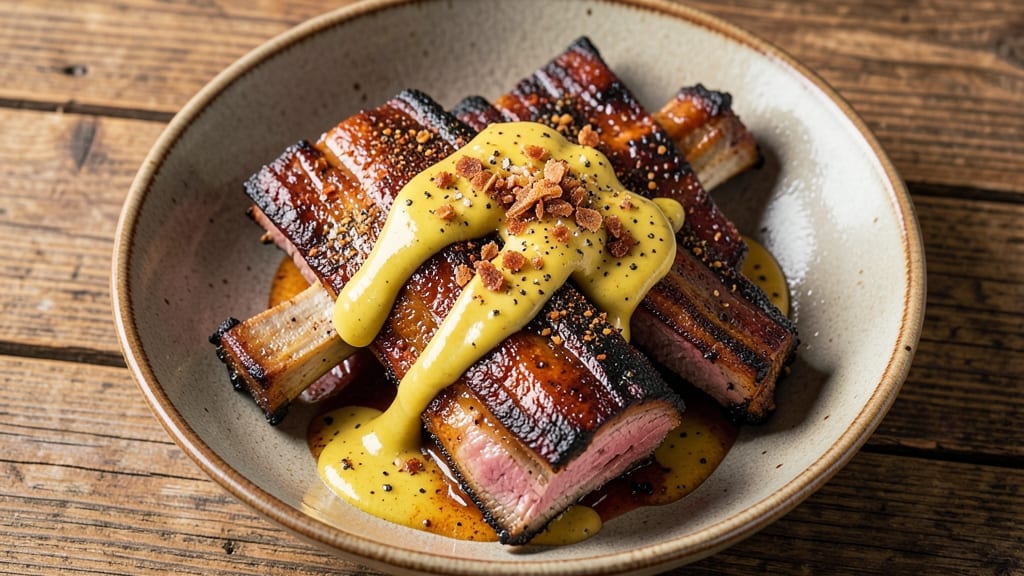
This bone-in country pork ribs recipe transforms tough cuts into melt-in-your-mouth perfection with a smoky-spiced crust and sticky glaze that'll have everyone asking for seconds. Growing up in small-town Georgia, I learned that slow-cooked pork ribs with crispy edges and tender meat are the heart of any Southern feast.
The key lies in balancing the right dry rub with a patient cooking process that respects the bone-in nature of these ribs.
What sets this recipe apart is the two-stage cooking method—first building a deep, aromatic crust through low-and-slow smoking or oven-roasting, then finishing with a quick sear to lock in juices.
I've perfected this technique over years of competing in the Southeast BBQ circuit, where bone-in ribs consistently outperform their boneless counterparts in both flavor and texture. The secret? A foolproof dry rub with just six ingredients that creates that signature bark without overpowering the natural pork flavor.
By the time you're done, you'll have ribs that are crispy on the outside, tender all the way through, and coated in a glossy, caramelized glaze that's worth the wait.
The bone-in method ensures maximum flavor infusion while keeping the meat juicy, and the glaze adds that perfect balance of sweetness and smokiness that makes these ribs restaurant-quality at home. This is the kind of dish that turns weeknight dinners into memorable gatherings.
Serve with classic sides like creamy coleslaw, buttery cornbread, or smoky baked beans for the full Southern experience. The ribs reheat beautifully too, making them perfect for meal prep or feeding a crowd. Let's get started on creating ribs that'll have everyone coming back for more.
Ingredients for bone in country pork ribs
Six essential spices plus two stages of cooking transform tough pork ribs into restaurant-quality masterpieces.
| Ingredient | Amount | Notes |
|---|---|---|
| Bone-In Country-Style Pork Ribs 🍖 | 4 lb | Meaty, full rack preferred (St. Louis or baby back) |
| Yellow Mustard 🍯 | ¼ cup | For glaze base (Dijon works too) |
| Brown Sugar 🍚 | ½ cup | Light or dark, packed |
| Kosher Salt 🧂 | ½ cup | Diamond Crystal preferred |
| Smoked Paprika 🌶️ | 2 tbsp | For deep smoky flavor |
| Ground Black Pepper 🌶️ | 1 tbsp | Freshly cracked for intensity |
| Garlic Powder 🧄 | 1 tbsp | Not garlic salt |
| Onion Powder 🧅 | 1 tbsp | For aromatic depth |
| Apple Cider Vinegar 🍎 | ¼ cup | For tangy balance |
| Honey 🍯 | ¼ cup | Wildflower preferred |
| Unsalted Butter 🧈 | 2 tbsp | For finishing glaze |
| Fresh Thyme Leaves 🌿 | ¼ cup | Chopped, stems removed |
The ribs are the foundation—look for meaty, full racks with good marbling, like St. Louis or baby back cuts. Costco or local butchers typically carry the best quality, often pre-cut for convenience. If buying whole, trim excess fat but leave the membrane for natural moisture retention. The dry rub ingredients should be freshly ground—pre-ground spices lose potency quickly, especially paprika. For the glaze, brown sugar and honey create that signature caramelized crust, while apple cider vinegar adds the perfect tang to cut through richness.
No smoked paprika? Regular paprika plus a pinch of liquid smoke works in a pinch, though the flavor won't be identical. Substituting honey for maple syrup keeps it vegan-friendly, though the color will be lighter. The mustard in the glaze is non-negotiable—it helps the sauce cling to the ribs. For a quicker glaze, store-bought BBQ sauce can replace the honey-mustard mix, but you'll lose that homemade depth. Fresh thyme is ideal, but dried thyme at half the amount suffices if you're short on time. The butter at the end adds shine and richness—don't skip it, even if you're watching calories.
Store uncooked ribs in the coldest part of your fridge, wrapped in butcher paper, for up to 5 days. Once cooked, ribs reheat beautifully—low oven (275°F) for 15 minutes with a splash of apple juice keeps them moist. The dry rub keeps for 3 months in an airtight container, while the glaze ingredients last indefinitely. For meal prep, portion ribs into individual servings with a side of glaze—freeze for up to 2 months for quick weeknight dinners. The glaze also makes an excellent dipping sauce for cornbread.
Why You'll Love This Recipe
- No-Fuss Seasoning: I swear by the dry rub here—just salt, paprika, and sugar rubbed in with my hands. No fancy equipment, no measuring cups, and the ribs practically cook themselves while you sip your drink.
- Sweet-Smoky Magic: That yellow mustard glaze? It’s the star. The brown sugar caramelizes into a sticky, smoky crust while the paprika adds warmth—like a hug from a campfire, but better.
- Tailgate or Tuesday: Between us, these ribs work for everything. Grill them for a backyard party, slow-cook them on a lazy Sunday, or toss them in the oven while you handle dinner chaos. They’re my secret weapon for crowds or just me.
Step-by-step instructions for bone-in country pork ribs
Master the balance between smoky crust and sticky glaze with this precise method.
Prepare the Dry Rub and Coat the Ribs Thoroughly
In a large bowl, combine the 0.5 cup kosher salt, 2 tablespoons smoked paprika, 1 tablespoon ground black pepper, 1 tablespoon garlic powder, and 1 tablespoon onion powder. Mix until the spices are evenly distributed and the salt is fully incorporated into the dry ingredients. This blend creates the foundation for both flavor and crust development.
Pat the 4 lb bone-in country-style pork ribs completely dry with paper towels—this is critical for achieving a crispy bark. Then, using your hands, rub the dry spice mixture all over the ribs, pressing firmly so it adheres to every crevice. Pay special attention to the meaty sections between the bones and the edges. Let the ribs sit at room temperature for 30 minutes before cooking to ensure even heat penetration and better rub adhesion.
Build the Glaze and Preheat the Oven
In a small saucepan, whisk together the 0.25 cup yellow mustard, 0.25 cup apple cider vinegar, 0.25 cup honey, and 0.25 cup fresh thyme leaves. Place the saucepan over medium-low heat and bring to a gentle simmer, stirring constantly to prevent scorching. Let it reduce for 8-10 minutes until it thickens slightly and coats the back of a spoon—this creates a balanced glaze with tangy, sweet, and herbal notes.
While the glaze reduces, preheat your oven to 300°F. Place a wire rack on a rimmed baking sheet and line it with aluminum foil for easy cleanup. The low oven temperature ensures the ribs cook slowly and evenly, while the wire rack allows air to circulate around the meat for optimal browning.
Roast the Ribs Until Tender and Apply Glaze
Place the rubbed ribs on the prepared wire rack, bone-side down, and transfer them to the oven. Roast for 2 hours, flipping the ribs halfway through cooking at the 1-hour mark. This slow roasting method breaks down the connective tissue, resulting in tender, fork-tender meat. Check the internal temperature using a meat thermometer—it should reach 195-200°F in the thickest part of the meat.
Once the ribs are tender, remove them from the oven and brush the reduced glaze generously over the top and sides of the ribs. Return them to the oven and broil on high for 3-5 minutes until the glaze caramelizes and forms a glossy, sticky crust. Watch closely to avoid burning—you want a deep golden color, not charred spots.
Rest and Serve with Finishing Touches
Transfer the ribs to a cutting board and let them rest for 10 minutes before serving. This resting period allows the juices to redistribute, ensuring each bite is moist and flavorful. While the ribs rest, melt the 2 tablespoons unsalted butter in a small saucepan over low heat, then stir in 1 tablespoon of the reserved glaze to create a rich finishing sauce.
Slice the ribs between the bones into individual servings and arrange them on a platter. Drizzle the butter-glaze mixture over the top and garnish with additional fresh thyme leaves for a pop of color and aroma. Serve immediately with the remaining glaze on the side for dipping—this dish shines when enjoyed fresh and hot.
Pro Tips For Making Bone In Country Pork Ribs
- Trim the Fat First: Country ribs come with thick fat caps—cut them down to ¼-inch before seasoning. I learned this the hard way when my first batch rendered grease like a volcano, leaving dry ribs instead of crispy edges. A sharp knife and steady hand make all the difference.
- Salt the Ribs Overnight: Toss the ribs in kosher salt (and a little smoked paprika) at least 12 hours ahead. This isn’t just about flavor—it breaks down the meat fibers so the mustard glaze sticks like it’s supposed to. (Yes, I know it’s an extra step, but trust the process.)
- Start with a Hot Pan: Get your skillet screaming hot before adding the ribs—no, really, crank it up. A sear locks in juices and builds that caramelized crust faster than you’d think. After 3 minutes per side, pull them off heat for 5 minutes under foil. (Your future self will thank you.)
- Mix Mustard with Sugar: Whisk the yellow mustard and brown sugar into a paste before brushing—about 2 tablespoons each per pound of ribs. This isn’t just a glaze; it’s a flavor bomb that clings instead of dripping off. (I used to brush them separately, and it was a waste.)
Regional styles of these flavors
Georgia Low-Country Style
In my hometown of Georgia, ribs are all about that perfect balance of smoky heat and sweet tang. Here, we skip the heavy sauces and focus on a mustard-based glaze—just like my grandma used to make. The secret?
A 1:1 ratio of mustard to vinegar in the glaze, with a touch of honey to keep it from being too sharp. I like to add a pinch of cayenne to the dry rub for a subtle kick that reminds me of Saturday night cookouts at the family farm.
Serve these ribs with peach cobbler for a true Southern twist—it’s a combo that never fails to bring back memories of summer evenings. 🍑
Charleston Carolina Style
Down in Charleston, we take our ribs with a little more sophistication—think vinegar-forward glaze and a touch of heat from hot honey. The city’s coastal influence means we use more white vinegar than apple cider, and I swear by adding a splash of bourbon to the glaze for depth.
The dry rub here is lighter on the salt but packs in extra smoked paprika for that signature Carolina smokiness. Pair these ribs with shrimp and grits for a true Lowcountry feast—it’s a match made in heaven. 🍤
Texas BBQ Twist
Now, if you’re feeling adventurous, let’s talk Texas-style ribs. Swap the mustard glaze for a sweet, molasses-based sauce and add chopped jalapeños to the dry rub for a little spicy crunch.
Texans love their bark thick and dark, so I recommend using more brown sugar in the rub and cooking these ribs at 225°F for an extra hour to get that deep, caramelized crust. Serve with pickled onions and white bread for dipping—it’s a game-changer if you love bold flavors. 🌶️
Atlanta Pitmaster Style
Back in Atlanta, where I run The Smoky Pig, we keep it classic but with a little extra love. Our ribs get a three-hour cook at 250°F to ensure they’re fall-apart tender, then a quick finish on the grill for that smoky char.
The glaze here is a mix of apple cider vinegar and bourbon, with a touch of hot honey for that signature Atlanta sweetness. We love serving these with collard greens and cornbread—it’s a crowd-pleaser every time. The key? Don’t rush the process—patience is everything. 🔥
Smoky Mountain Fusion
Up in the Smoky Mountains, we blend Appalachian traditions with a modern twist. The dry rub here includes a pinch of cinnamon for warmth, and the glaze gets a splash of blackberry jam instead of honey for a fruity depth.
These ribs are perfect for cooler weather, and I like to serve them with sautéed apples and walnuts for a touch of elegance. The cinnamon in the rub adds a cozy, almost chai-like flavor that’s unexpected but delicious. 🍎
Nutrition facts
Frequently asked questions about bone-in country pork ribs
Why should I cook bone-in ribs instead of boneless?
The bones act as natural flavor conductors, infusing the meat with rich, savory notes during cooking. They also help maintain moisture better than boneless cuts, resulting in more tender meat. Plus, the bone-in method creates that signature "fall-off-the-bone" texture that's hard to achieve without them. The bones also add visual appeal when serving.
Can I substitute smoked paprika in the dry rub?
Yes, but the flavor will differ. For a similar effect, mix 1 tablespoon regular paprika with ½ teaspoon liquid smoke. If you don't have liquid smoke, add ½ teaspoon chipotle powder for a smoky kick. Keep in mind these won't replicate the exact depth of smoked paprika, but they'll work in a pinch.
How do I know when the ribs are done cooking?
Use a meat thermometer to check the thickest part of the meat—it should reach 195-200°F. The ribs should also bend slightly at the joints when lifted. If they're still firm, return them to the oven for another 30 minutes. Pro tip: The glaze will caramelize more as it cools, so don't over-broil.
Can I make this recipe in a smoker instead of the oven?
Smoke the ribs at 225°F for 4-5 hours until tender, then finish with the glaze and broil as directed. The smoker will give you more bark development. For extra flavor, add fruit wood chips (apple or cherry work well) to complement the pork. Just monitor the temperature closely to avoid drying out the meat.
What's the best way to reheat leftover ribs?
Wrap ribs tightly in aluminum foil and reheat in a 275°F oven for 15-20 minutes. Add a splash of apple juice to the foil to keep them moist. For extra crispiness, broil for 2-3 minutes at the end. Never microwave—it makes the meat rubbery. These ribs reheat beautifully, making them perfect for meal prep.