
Main Courses
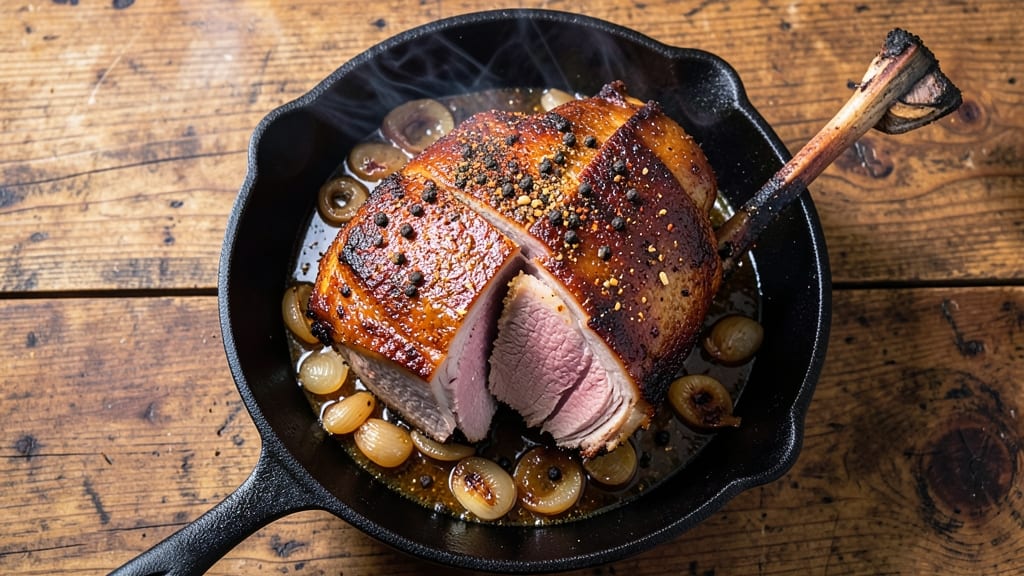
This bone-in pork butt roast recipe transforms tough meat into melt-in-your-mouth perfection with a simple oven-braising technique. I perfected it after years of experimenting with slow-cooked pork, and the results are worth the wait—juicy, flavorful, and impossible to resist.
The bone adds depth to the flavor while keeping the meat incredibly tender, making it ideal for family dinners or special occasions.
The secret lies in a low-and-slow approach that breaks down collagen and fat, creating a rich, caramelized crust on the outside while keeping the inside shatteringly tender.
You'll start with a dry rub of spices and let the pork cook uncovered in the oven, allowing the juices to render slowly. This method ensures every bite is moist and packed with flavor, without needing a slow cooker or smoker.
By the time it's done, you'll have a roast that practically falls apart at the touch, with a golden-brown crust that adds texture and depth. The aroma alone will have everyone gathering around the table, and the leftovers reheat beautifully for sandwiches or tacos the next day.
This is the kind of dish that turns a simple weeknight into a memorable meal.
Whether you're feeding a crowd or just treating yourself, this recipe delivers restaurant-quality results with minimal effort. The key is patience—letting the pork cook until it's fall-apart tender ensures every bite is worth the wait. Let's get started on creating your perfect roast.
Ingredients for bone in pork butt roast recipe oven
Six ingredients transform tough pork into melt-in-your-mouth perfection with oven magic.
| Ingredient | Amount | Notes |
|---|---|---|
| Bone-In Pork Butt Roast 🥩 | 5 lb | With bone and fat cap intact |
| Kosher Salt 🧂 | 2 tbsp | Diamond Crystal preferred |
| Freshly Ground Black Pepper 🌶️ | 1 ½ tbsp | Coarsely cracked |
| Garlic Powder 🧄 | 1 tbsp | Freshly toasted preferred |
| Smoked Paprika 🌶️ | 1 tbsp | Spanish or Hungarian |
| Onion Powder 🧅 | 1 tbsp | No added MSG |
| Fresh Thyme Leaves 🌿 | ½ cup | Stems removed |
| Fresh Rosemary Sprigs 🌿 | 4 whole | Woody stems removed |
| Extra-Virgin Olive Oil 🫒 | 2 tbsp | For coating |
| Apple Cider Vinegar 🍎 | 2 tbsp | Braised with pork |
| Yellow Onion 🧅 | 1 whole | Cut into wedges |
| Carrots 🥕 | 4 whole | Whole, scrubbed |
| Garlic Cloves 🧄 | 6 cloves | Smashed, skin on |
| Fresh Parsley 🌿 | ¼ cup | Chopped, for garnish |
| Beef Stock 💧 | 1 cup | Low-sodium preferred |
The pork butt is the star here—look for a cut with good marbling and that bone still attached. Local butchers often have better quality than grocery stores, and you can ask for it cut to your preferred size. I prefer a 5-pound roast for this recipe, but you can scale up or down. The bone adds incredible depth to the flavor, so don't skip it. If your roast has a thick fat cap, leave it on—it'll render down during cooking and create a rich, caramelized crust. For the spices, Penzeys or bulk bins at natural food stores give you the freshest options, and the difference in flavor is noticeable.
No fresh thyme or rosemary? Dried works at one-third the amount, but fresh has that bright, aromatic quality that's hard to beat. Running short on beef stock? Chicken stock works in a pinch, though it'll have a slightly different flavor profile. The apple cider vinegar adds a subtle tang that balances the richness of the pork—don't skip it, but if you're avoiding vinegar, a splash of lemon juice works too. For the vegetables, you can use whatever's on hand—potatoes, celery, or even a whole onion work beautifully alongside the carrots. Just make sure they're whole so they don't overcook and get mushy.
This roast reheats beautifully—honestly, it tastes even better the next day once all the flavors have melded together. Store leftovers in an airtight container in the fridge for up to 5 days, or freeze portions for 3 months. I always make extra because it's perfect for sandwiches, tacos, or even a hearty breakfast hash. The crust gets crispier when reheated, so if you're serving it again, just warm it in the oven for 10-15 minutes at 350°F. The aroma alone will have everyone rushing to the table.
Why You'll Love This Recipe
- Minimal Prep Required: Honestly, I swear by this—just salt, pepper, and a quick rub of garlic powder and smoked paprika. No fancy marinades or hours of prep; the bone-in roast does all the work while you sip your coffee.
- Smoky, Savory Magic: That smoked paprika? It’s the secret weapon. The pork gets this deep, caramelized crust while staying juicy inside—like a cross between a Sunday dinner and a campfire, but with zero effort.
- Leftovers for Days: Between us, this roast makes enough for a crowd, but even if it’s just you, the leftovers reheat like a dream. Slice it thin for sandwiches or shred it for tacos—it’s my go-to lazy lunch.
- Budget-Friendly Feast: Pork butt is cheaper than you’d think, and a single roast stretches across meals. I’ll be real: I’ve fed six people for under $20, and everyone left happy (and full).
Step-by-step instructions for braising bone-in pork butt roast
Here's how to transform a tough cut into melt-in-your-mouth perfection with simple oven techniques.
Prepare the Pork with Dry Brine and Seasoning
Pat the 5 lb bone-in pork butt roast completely dry with paper towels—this is critical for crispy skin. In a small bowl, combine the 2 tbsp kosher salt, 1.5 tbsp freshly ground black pepper, 1 tbsp garlic powder, 1 tbsp smoked paprika, and 1 tbsp onion powder. Rub this mixture all over the pork, pressing it into the crevices and fat cap. The salt will draw out moisture, creating that prized crispy bark.
Place the seasoned pork on a wire rack set over a baking sheet (fat-side up) and refrigerate uncovered for 12-24 hours. This dry-brining step transforms the texture—you'll end up with a roast that practically falls apart at the touch. I like to do this overnight, but even 12 hours makes a noticeable difference in tenderness and crust development.
Sear the Pork for Maximum Flavor
Remove the pork from the fridge and let it sit at room temperature for 1 hour before cooking. Preheat your oven to 325°F. Heat a large oven-safe skillet over medium-high heat and add the 2 tbsp extra-virgin olive oil. Once shimmering, carefully place the pork butt fat-side down in the skillet.
Sear for 10-12 minutes until the fat cap is golden brown and crispy in spots, and the bottom develops a deep mahogany crust. Flip the roast and sear the other side for another 8-10 minutes. The goal is to create a flavorful crust that will baste the meat during the braising process. Don't rush this step—patience here pays off in texture and flavor.
Build the Braising Liquid and Vegetables
While the pork sears, prepare the braising components. In a small bowl, combine the 2 tbsp apple cider vinegar and 1 cup beef stock. Cut the 1 whole yellow onion into wedges and scrub the 4 whole carrots clean. Peel and smash the 6 cloves garlic lightly with the side of your knife (leave skins on).
Arrange the onion wedges, carrots, and garlic cloves in a single layer on the bottom of the skillet with the seared pork. Pour the vinegar-stock mixture over everything, ensuring the pork is partially submerged. The vegetables will infuse flavor into the braising liquid while adding natural sweetness to the dish. Bring to a simmer over medium heat for 3 minutes to meld the flavors.
Braise Until Fork-Tender
Transfer the skillet to the preheated 325°F oven and cover tightly with a lid or heavy-duty aluminum foil. Braise for 3-3.5 hours, turning the pork occasionally (every 45 minutes) to ensure even cooking and crispy skin development. The internal temperature should reach 200-203°F—this is where the collagen breaks down and the meat becomes shatteringly tender.
About 30 minutes before the pork is done, add the 0.5 cup fresh thyme leaves and 4 whole fresh rosemary sprigs to the braising liquid. The herbs will infuse their aromatic oils into the meat during the final stages. You'll know it's ready when a probe slides in like butter with no resistance. This low-and-slow method transforms the tough pork butt into melt-in-your-mouth perfection.
Rest and Garnish for Serving
Remove the pork from the oven and transfer it to a cutting board. Tent loosely with foil and let it rest for 20-30 minutes. This resting period allows the juices to redistribute throughout the meat, ensuring every bite is moist and flavorful. Skim any excess fat from the braising liquid and strain if you prefer a cleaner sauce, or leave it as-is for added richness.
Before serving, garnish each portion with the 0.25 cup chopped fresh parsley. The bright herbs cut through the rich, smoky flavors of the braised pork. Slice the pork against the grain into ½-inch thick slices for maximum tenderness. Serve with the braising liquid spooned over the top and the roasted vegetables on the side. The result is a restaurant-quality dish that's surprisingly simple to achieve at home.
Pro Tips For Making Bone In Pork Butt Roast Recipe Oven
- Start with a Hot Roast: Crank your oven to 425°F (220°C) for the first 30 minutes—this sears the outside while the bone renders fat, giving you that crispy crust and keeping the meat juicy. I used to skip this step, and the roast always ended up dry or bland.
- Salt Like It’s 1985: Generously coat the pork butt with kosher salt before it goes in the oven—about 1 tablespoon per pound, plus extra on the bone. The salt needs time to penetrate, and the bone soaks up flavor too. (Yes, even if you’re impatient like me.)
- Skip the Crowding: Resist the urge to stack other dishes on the rack or cram the roast into a crowded pan. Airflow is your friend—it lets the crust form properly. I learned this the hard way when my roast turned out soggy.
- Use the Bone’s Juices: After roasting, let the juices pool in the pan for 5 minutes before basting. That golden fat is flavor gold—brush it over the meat in the last 10 minutes of cooking. (Your future self will thank you.)
Creative variations of this bone in pork butt roast recipe oven
Global Comfort Twist
Turn this into a global comfort dish by adding a Moroccan-inspired twist—swap the apple cider vinegar for 2 tbsp harissa paste and add 1 cinnamon stick and 1 tsp ground cumin to the braising liquid.
Serve with warm crusty bread and a side of cucumber-yogurt salad for a North African-inspired meal. The harissa adds a smoky heat that pairs perfectly with the tender pork. 🌶️
Asian-Inspired Glaze
For a Pacific Northwest-inspired fusion, brush the pork with a honey-soy glaze (mix 3 tbsp honey, 2 tbsp soy sauce, and 1 tbsp grated fresh ginger) after searing but before braising.
The glaze caramelizes beautifully in the oven, adding a sweet-savory depth. Garnish with sliced scallions and serve with steamed jasmine rice and quick-pickled cucumbers for a balanced bite.
Smoky BBQ Fusion
Give it a Texas-style BBQ twist by adding 1 cup BBQ sauce (like Sticky Fingers) to the braising liquid and finishing with a sprinkle of smoked paprika and crushed red pepper flakes.
Serve on toasted brioche buns with pickled jalapeños and coleslaw for a showstopping sandwich. The smoky, tangy flavors elevate the dish to a whole new level. 🔥
Italian-Inspired Braise
For an Italian-inspired version, replace the beef stock with 1 cup dry white wine and add 2 sprigs fresh rosemary, 1 bay leaf, and 1 tsp fennel seeds to the braising liquid.
After cooking, deglaze the skillet with 1 tbsp tomato paste and a splash of heavy cream for a rich, velvety sauce. Serve with creamy polenta and roasted cherry tomatoes for a hearty, restaurant-worthy meal.
Spicy Caribbean Style
Add a Caribbean kick by including 1 Scotch bonnet pepper (seeds removed) and 1 tbsp soy sauce in the braising liquid. Finish with a sprinkle of toasted coconut flakes and serve with coconut rice and grilled pineapple slices.
The tropical flavors create a vibrant, flavorful dish that’s perfect for a summer gathering. 🌴
Nutrition facts
Frequently asked questions
Why does the recipe call for dry-brining the pork overnight?
The 12-24 hour dry brine is what creates that legendary crispy bark while keeping the meat incredibly tender. The salt draws out moisture, which then reabsorbs during cooking, creating a concentrated flavor crust. This method also helps break down connective tissue for melt-in-your-mouth results. Skip it at your own risk—your roast will still be good, but not quite as spectacular!
Can I use a regular oven roasting pan instead of a skillet?
Yes, but you'll sacrifice some crispiness. Use a heavy roasting pan with a rack to allow airflow around the pork. If using a shallow pan, add 1 cup water to the bottom to create steam, which helps tenderize the meat. For best results, stick with the oven-safe skillet method in the recipe—it creates that perfect crust.
How do I know when the pork is done without a meat thermometer?
Press the pork gently with tongs—if it feels like butter and comes apart easily, it's done. The internal temperature should reach 200-203°F (probe should slide in like hot butter). For extra assurance, check for a deep mahogany color and crispy edges. The braising liquid should also be reduced and flavorful by this point.
What's the best way to reheat leftovers?
Slice the pork and reheat in a skillet with a splash of beef stock or braising liquid over medium-low heat for 5-7 minutes. For oven reheating, cover with foil and warm at 325°F for 15-20 minutes. Never microwave—it turns the meat rubbery. The reheated crust gets even crispier, making it perfect for sandwiches!
Can I substitute beef stock with chicken or vegetable stock?
Beef stock works best for authentic flavor, but chicken stock is a fine substitute (though slightly lighter). Vegetable stock will give a more neutral taste—consider adding 1 tsp soy sauce or 1 tsp Worcestershire sauce to compensate. For a richer flavor, use a combination of beef and chicken stock. The key is balancing the braising liquid's depth with your pork's flavor profile.