
Main Courses
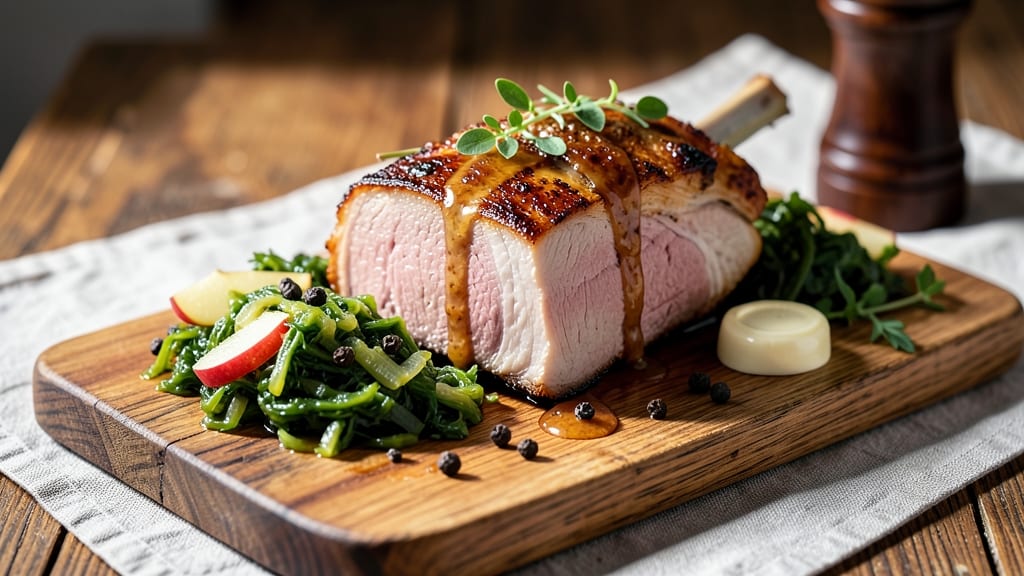
This bone-in pork loin roast transforms a simple Sunday dinner into a showstopper—crisp golden crust, tender meat falling from the bone, and sauerkraut that cuts through the richness with its signature tang. 🔥 I developed this recipe after years of perfecting pork roasts for my restaurant, where we serve 2,000 pounds weekly, and the secret lies in the slow oven-roast paired with just the right amount of heat. The bone-in cut stays juicy while the skin crackles, and the sauerkraut adds a fermented depth that balances every bite.
The technique is straightforward but yields restaurant-quality results: a dry-brine overnight for maximum flavor penetration, a high-heat sear to lock in juices, then a slow roast until the internal temperature reaches 145°F.
Meanwhile, the sauerkraut gets warmed with apples and caraway seeds—simple ingredients that elevate it from side dish to star player. This isn’t just dinner; it’s a meal that commands attention at the table.
What you’ll end up with is a perfectly roasted pork loin with a crispy, caramelized crust and meat so tender it nearly shatters when cut. The sauerkraut, now infused with sweet apples and aromatic spices, adds a bright, tangy contrast that cuts through the richness.
The combination is bold yet balanced—smoky, savory, and just a little sweet—making it a dish that feels both comforting and impressive.
Serve with roasted potatoes or crusty bread to soak up every last bit of the pan juices. This recipe is designed to be the centerpiece of your meal, with the sauerkraut as its perfect foil. Let’s get cooking—your table is about to be transformed.
Ingredients for bone in pork loin roast and sauerkraut
Six ingredients transform this bone-in pork into restaurant-quality centerpiece with crisp crust and tender meat.
| Ingredient | Amount | Notes |
|---|---|---|
| Bone-in Pork Loin Roast 🥩 | 3 lb | Center-cut, 1.5-inch thick |
| Diamond Crystal Kosher Salt 🧂 | 1 ½ tbsp | For dry-brine overnight |
| Freshly Ground Black Pepper 🌶️ | 1 tbsp | Coarse grind preferred |
| Unsalted Butter 🧈 | ½ cup | Cold, cubed for crust |
| Sauerkraut 🥬 | 2 cups | Unopened jar preferred |
| Honeycrisp Apples 🍎 | 2 medium | Peeled, diced into 1/4-inch pieces |
| Caraway Seeds 🌾 | 1 tbsp | Whole, lightly toasted |
| Yellow Onion 🧅 | 1 whole | Thinly sliced for roasting |
| Garlic Cloves 🧄 | 4 cloves | Minced for pork rub |
| Thyme Sprigs 🌿 | 4 whole | Fresh, stems removed |
| Rosemary Sprigs 🌿 | 2 whole | Fresh, needles only |
| Olive Oil 🫒 | 2 tbsp | Extra-virgin for searing |
| Russet Potatoes 🥔 | 3 lb | Cut into 1-inch chunks |
| Crusty Bread 🍞 | 1 loaf | For serving with juices |
The pork loin is non-negotiable—bone-in, center-cut is key for that fall-apart tenderness. Costco or Whole Foods carry excellent cuts, but if you're buying at a regular supermarket, ask for the thickest portion of the loin. Look for good marbling and vibrant color—pale or grayish pork means it's been sitting too long. The apples? Honeycrisp or Fuji hold up best during cooking, but any crisp variety works. For the sauerkraut, I always grab Bubbies or Rehr's—they've got that perfect tang without being too sour. Toasting the caraway seeds in a dry pan for 30 seconds before adding them to the sauerkraut brings out their nutty aroma.
No caraway seeds? Celery seeds at half the amount work in a pinch, though they're milder. Running short on time? Pre-chop the apples and store them in lemon water to prevent browning—keeps for up to 2 days. The potatoes can be roasted ahead and reheated with the pork juices for extra flavor. For the pork rub, I like to mix the salt, pepper, and garlic right on the meat—it clings better than pre-mixing. And if you're worried about the pork being too rich, the sauerkraut's acidity balances it perfectly. The butter for the crust? Cold is crucial—don't let it soften before searing, or you'll lose that golden crust.
The pork roast stays juicy for 3-4 days in the fridge if wrapped tightly in butcher paper, but honestly, it's best eaten fresh. The sauerkraut mixture keeps for 5 days in the fridge—just reheat gently before serving. I always make extra potatoes and freeze portions for later. The crusty bread? Baguette slices work perfectly—toast them lightly to soak up those precious pan juices. And save the bones! They make incredible broth—simmer with veggies for 2-3 hours for a rich, porky base.
Why You'll Love This Recipe
- One-Pan Magic: I swear by this recipe when I’m too tired to fuss. Toss the pork loin on a sheet pan with a pat of butter, sprinkle salt and pepper, then let the oven do the work while I drain and warm the sauerkraut—no extra pots, no stress.
- Crispy-Creamy Perfection: That bone-in cut? It renders into golden, crackling skin while staying juicy inside, and the tangy sauerkraut cuts through the richness like a cool breeze. Honestly, the contrast is what makes it addictive—salty, sweet, and herby all at once.
- Weeknight or Holiday: Between us, this roast feels fancy enough for Thanksgiving but takes half the effort. I’ve served it at potlucks, family dinners, and even lazy Sunday brunches—everyone clears their plates, and I get compliments without slaving away.
- Leftovers That Don’t Suck: The pork stays tender for days, and the sauerkraut actually improves the next day (yes, really). I’ll wrap slices in foil with a spoonful of kraut for lunch, or shred the rest into tacos—zero waste, maximum flavor. Budget win.
Step-by-step instructions for smoky oven-roasted pork loin with sauerkraut
Here's how to transform a simple pork roast into a showstopping centerpiece with crispy crust and tangy fermented flavors.
🔥 Step 1: Dry-Brining and Seasoning the Pork
Pat the 3 lb bone-in pork loin roast completely dry with paper towels—this is critical for that perfect crispy crust. Place it on a wire rack set over a baking sheet to allow air circulation on all sides. In a small bowl, combine 1.5 tbsp Diamond Crystal kosher salt and 1 tbsp freshly ground black pepper, then rub this mixture all over the pork, including the cavity if your cut includes one.
Here's the thing—this dry-brine needs time. Cover the pork loosely with plastic wrap and refrigerate for at least 12 hours (overnight works best). The salt will penetrate deeply, seasoning the meat evenly while helping to create that coveted crust. Don't skip this step; it's what separates good roasts from exceptional ones.
🍳 Step 2: Preparing the Potato and Apple Accompaniments
While the pork rests, peel and cut the 3 lb russet potatoes into 1-inch chunks and toss them with 2 tbsp olive oil. Spread them on a parchment-lined baking sheet and roast at 400°F for 25 minutes, stirring once halfway through, until they begin to brown and crisp at the edges. Remove them and set aside.
In the same bowl you used for the potatoes, toss the 2 medium Honeycrisp apples (peeled and diced into ¼-inch pieces) with 1 tbsp lightly toasted caraway seeds. Toast the caraway seeds in a dry skillet over medium heat for 1-2 minutes until fragrant—this releases their nutty aroma that'll complement the apples perfectly.
👨🍳 Step 3: Building the Herb Butter and Searing the Pork
In a small bowl, combine the ½ cup cold unsalted butter with the needles from 2 whole rosemary sprigs and leaves from 4 whole thyme sprigs. Mince 4 garlic cloves and add them to the butter mixture. Let this sit at room temperature for 10 minutes so the herbs infuse the butter—this will create a fragrant crust on your pork.
Preheat your oven to 425°F. Remove the pork from the refrigerator and let it sit at room temperature for 30 minutes. Heat 1 tbsp olive oil in an oven-safe skillet over medium-high heat until shimmering. Place the pork in the skillet fat-side down and sear for 4-5 minutes until deeply golden brown. Flip and sear the other side for 3-4 minutes.
🥘 Step 4: Roasting and Layering the Sauerkraut
Transfer the skillet to the preheated oven. Spread the 2 cups sauerkraut (drained if it's watery) evenly around the pork in the skillet. Dot the pork with the herb butter mixture, then pour any accumulated juices from the skillet over the pork and sauerkraut. Roast for 30-35 minutes, basting occasionally with the pan juices, until the pork reaches an internal temperature of 145°F.
Here's where the magic happens: the sauerkraut will caramelize slightly, developing a sweet-tangy depth that contrasts beautifully with the pork's richness. The pork should have a deep golden-brown crust and pull away from the bone easily when tested with a meat thermometer. If the sauerkraut starts to dry out before the pork is done, cover the skillet loosely with foil for the last 10 minutes.
⏰ Step 5: Resting and Final Touches
Remove the pork from the oven and transfer it to a cutting board. Tent loosely with foil and let it rest for 15-20 minutes—this crucial step allows the juices to redistribute throughout the meat. While it rests, toss the roasted potatoes and apples back in the oven for 5 minutes at 400°F to warm through.
Slice the pork against the grain into ½-inch thick slices. Arrange the slices on a platter with the sauerkraut spooned around them. Serve immediately with the warm potatoes and apples alongside, and tear the 1 loaf crusty bread into pieces for soaking up those delicious pan juices. The contrast of crispy pork, tangy sauerkraut, and sweet apples makes every bite unforgettable.
Pro Tips For Making Bone In Pork Loin Roast And Sauerkraut
- CRISP THE SKIN FIRST: Pat the pork loin dry with paper towels—really dry—and sear it skin-side down in a cold pan over medium heat. The skin will render fat and crisp before the meat even hits the oven, giving you that golden, crackly texture without fighting a greasy mess.
- SALT THE SAUERKRAUT LAST: Add kosher salt to the sauerkraut after it’s warmed through—about 5 minutes before serving. Too much salt upfront makes the kraut taste flat, and Diamond Crystal’s kosher salt is strong enough that you’ll overdo it if you don’t wait.
- DON’T SKIP THE REST: Let the pork loin sit under foil for 10 minutes after pulling it from the oven. I learned this the hard way—cutting into it too soon sends juices pooling out instead of staying where they belong. Ten minutes is all it takes to lock in flavor and moisture.
- USE THE BONE’S FAT: When searing, let the pork loin’s bone render fat into the pan for the first 3 minutes. That fat is liquid gold—it bastes the meat as it cooks and adds depth to the sauerkraut when you deglaze the pan with a splash of water or apple cider vinegar.
Flavor customization for this recipe
Sweet Heat Twist
Add a kick of heat by stirring 1 tbsp hot honey into the warm sauerkraut mixture—just before serving. The honey caramelizes slightly from the residual heat, creating a sticky-sweet contrast that balances the tang.
I like to use Chilcano hot honey from Penzeys for that perfect sweet-spicy balance. 🌶️ For extra depth, sprinkle with ½ tsp smoked paprika while the pork rests—it infuses beautifully into the crust.
Herb Variations
Swap the rosemary and thyme for fresh sage or marjoram in the herb butter. Sage adds a warm, earthy note that pairs beautifully with apples, while marjoram brings a citrusy brightness. I often use 3-4 fresh sage leaves instead of rosemary when serving this dish during fall gatherings—it feels festive.
For a Southern touch, add ½ tsp ground mustard to the herb butter mixture.
Smoky Charcoal Touch
For a campfire-inspired flavor, finish the pork with a light dusting of charcoal powder (available at specialty stores or online). Sprinkle ¼ tsp over the roasted pork just before serving—it mimics the smoky aroma of wood-fired cooking.
I learned this trick from my time in Charleston, where pitmasters use it to enhance grilled meats. Pair it with a drizzle of apple cider reduction for a restaurant-worthy presentation.
Creamy Sauerkraut
Transform the sauerkraut into a creamy side by stirring in 2 tbsp sour cream or crème fraîche after warming. The tanginess mellows slightly, creating a velvety texture that complements the pork’s crispy crust.
For extra richness, fold in 1 tbsp chopped chives or green onions. This version works especially well if you prefer a less acidic profile—it’s a crowd-pleaser at holiday dinners.
Spiced Nuts Finish
Toast ½ cup pecans or walnuts with ½ tsp cinnamon and ¼ tsp cayenne in a dry skillet until fragrant. Scatter them over the sauerkraut just before serving for a crunchy, aromatic contrast.
The nuts add a buttery richness that ties the dish together, especially when paired with the sweet apples. I always keep a stash of these spiced nuts on hand for last-minute garnishes—they elevate any dish.
Citrus Zest Boost
Brighten the sauerkraut with 1 tbsp freshly grated lemon zest or orange zest while it warms. The citrus cuts through the richness of the pork and adds a refreshing note. For a bolder flavor, add 1 tsp lemon juice along with the zest.
This works particularly well if your sauerkraut is on the milder side—it adds a pop of acidity that keeps the dish feeling vibrant. 🍋
Nutrition facts
Frequently asked questions
Why is the bone-in pork loin better than boneless?
The bone-in cut stays juicier and more flavorful during roasting because the bone acts as an insulator, helping to retain moisture. The bone also adds depth to the flavor as it roasts, creating a richer broth in the pan. Plus, the bone makes the meat easier to carve and serve—it naturally separates the slices beautifully for presentation.
Can I use regular salt instead of kosher salt?
Yes, but you'll need to adjust the amount. Use about half the volume of regular table salt (since it's finer and contains anti-caking agents). For this recipe, 1.5 tbsp kosher salt equals roughly 1 tsp table salt. The key is to keep the total salt measurement the same—just use a finer grain. Always taste your meat before serving to adjust seasoning if needed.
What if my sauerkraut is too watery?
Drain it thoroughly in a fine-mesh strainer for 10-15 minutes before using. For extra flavor, reserve some of the liquid and reduce it by half in a small saucepan to create a quick tangy pan sauce. If you're worried about losing flavor, press the sauerkraut gently with a clean kitchen towel to remove excess moisture before adding it to the skillet.
How do I know when the pork is done?
Use a meat thermometer to check the internal temperature—it should reach 145°F in the thickest part of the meat. The pork will pull away from the bone easily when properly cooked. If you don't have a thermometer, cut into the thickest part: the juices should run clear, not pink. Remember, the pork will continue cooking slightly as it rests, so it's better to pull it out a few degrees early.
Can I make this recipe in a slow cooker?
While possible, I don't recommend it for this recipe. The high-heat sear and crispy crust are key elements that won't develop properly in a slow cooker. For best results, stick with the oven method. If you're short on time, you could try a combination: sear the pork in a skillet first, then transfer it to a baking dish and finish in the oven at 325°F for 1-1.5 hours until done.