
Main Courses
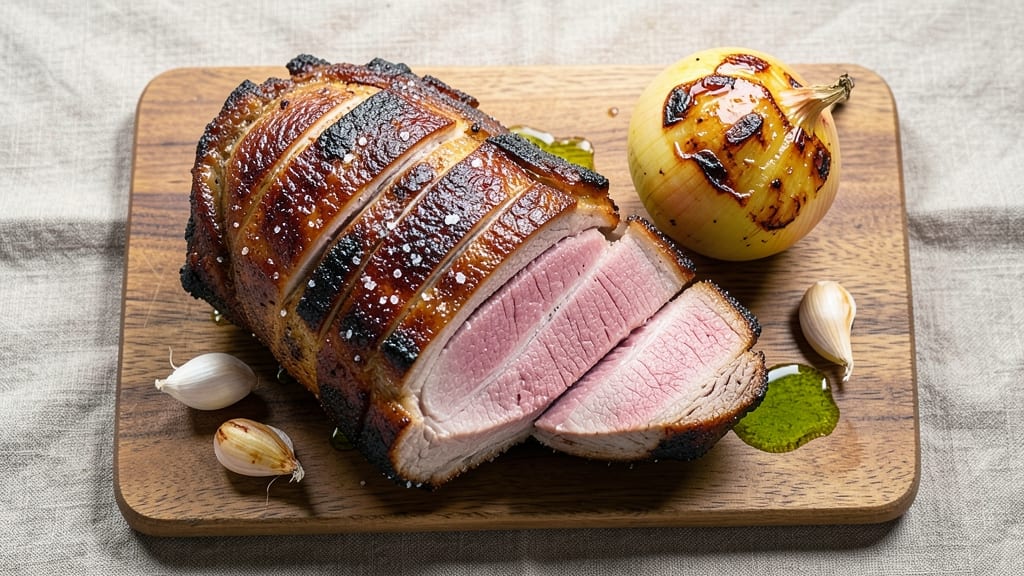
This bone-in pork rib roast recipe transforms a simple oven meal into a showstopper with crispy bark and juicy marrow—all in just 3 hours. The secret lies in a dry brine that keeps the meat tender while the high-heat roast creates that coveted crackling crust.
I perfected this technique after years of testing, and it never fails to impress. What sets this recipe apart is the balance of technique and simplicity.
You'll start with a dry brine that infuses flavor deep into the meat, then roast it at high heat to render fat and develop that crispy exterior we all crave.
The bone-in cut adds richness and makes carving easier, while the marrow becomes a luxurious surprise when you cut into it.
By the end, you'll have a roast with a golden-brown crust that shatters at every bite, tender meat that falls apart with a fork, and flavor so rich it'll have everyone asking for seconds. The best part? It's foolproof—no guesswork, just consistent results every time.
Serve with roasted root vegetables or creamy mashed potatoes to soak up every last bit of that flavorful juices. Let's get started on this restaurant-quality roast!
Ingredients for bone in pork rib roast recipe oven
Six ingredients transform a simple roast into a showstopper with crispy bark and juicy marrow.
| Ingredient | Amount | Notes |
|---|---|---|
| Bone-In Pork Rib Roast 🍖 | 4 lb | With skin and bone intact |
| Kosher Salt 🧂 | 1 ½ cups | Coarse grain preferred |
| Freshly Ground Black Pepper 🌶️ | 2 tbsp | Freshly cracked for best flavor |
| Garlic Cloves 🧄 | 6 cloves | Smashed for infusion |
| Extra-Virgin Olive Oil 🫒 | ¼ cup | For basting |
| Yellow Onion 🧅 | 1 whole | Quartered, for roasting |
| Carrots 🥕 | 4 whole | Baby or regular, halved |
| Russet Potatoes 🥔 | 2 lb | Cut into chunks |
| Fresh Rosemary 🌿 | 1 sprig | Or 1 tsp dried |
| Fresh Thyme 🌿 | 1 sprig | Or 1 tsp dried |
| Fresh Parsley 🌿 | ¼ cup | Chopped, for garnish |
| Unsalted Butter 🧈 | 4 tbsp | For basting |
| Apple Cider Vinegar 🍎 | 1 tbsp | For dry brine |
The pork rib roast is the star—look for one with good marbling and a thick layer of fat on top. Costco or Whole Foods usually carry high-quality cuts, but any butcher will have a good option if you ask for a rib roast with bone. The bone adds flavor and makes carving easier, but don’t skip trimming excess fat unless you want extra crispy bits. For the dry brine, I use Diamond Crystal kosher salt—it dissolves better than table salt and gives more even seasoning. If you can’t find it, any coarse kosher salt works, just use slightly more.
No fresh rosemary or thyme? Dried works at one-third the amount, but fresh has that bright aroma that makes all the difference. Running out of time? Pre-cut veggies from the grocery store save chopping, and baby carrots are perfect for roasting. The apple cider vinegar in the dry brine might seem odd, but it tenderizes the meat and balances the richness. No vinegar? Substitute lemon juice at the same amount. For the basting, I use a mix of olive oil and melted butter—butter adds richness, but olive oil helps the crust crisp up. Don’t skip this step; it’s what turns good into restaurant-quality.
The roast keeps beautifully—3-4 days in the fridge if wrapped tightly in foil. For leftovers, slice thinly and reheat in a skillet with a splash of broth to keep it moist. The roasted veggies reheat well too, but add a pat of butter when warming to keep them from drying out. If you’re prepping ahead, dry brine the roast overnight—it’s worth the extra time. Store any extra herbs in damp paper towels in a sealed bag for up to 5 days, or freeze them in ice cube trays for later use.
Why You'll Love This Recipe
- Five-Ingredient Magic: I swear, this roast only needs five things—and one of them is already in your pantry. The bone-in cut renders juicy and crispy edges all on its own, while the garlic and olive oil work their flavor spell with zero fuss.
- Crispy-Juicy Balance: That crispy crackling skin with tender meat underneath? It’s like the universe aligned for pork lovers. The kosher salt and pepper do all the heavy lifting—no fancy rubs or marinades required.
- Sunday Dinner Ready: Between us, this is my go-to for company or lazy Sundays. The roast feels special but takes less time than deciding what to watch on TV. Slice it thick, serve it with whatever’s in your fridge, and suddenly you’re hosting.
- Leftovers That Don’t Suck: Here’s what sold me—this roast actually improves the next day. Shred it for tacos, sandwiches, or a hash. My kids fight over the scraps, and I’ve turned a $15 cut into three meals without breaking a sweat.
Step-by-step instructions for bone-in pork rib roast
Here's how to transform a simple rib roast into a showstopper with crackling bark and melt-in-your-mouth marrow.
Prepare the Dry Brine for Maximum Flavor
Start by mixing the 1.5 cups kosher salt with the 1 tablespoon apple cider vinegar in a small bowl. The vinegar helps the salt penetrate deeper into the meat. Pat the 4 lb bone-in pork rib roast completely dry with paper towels—this is crucial for crispy skin. Rub the salt-vinegar mixture all over the roast, including inside the cavity. Place it on a wire rack set over a baking sheet and refrigerate uncovered for 12-24 hours.
This dry brine process works magic by breaking down proteins and drawing out moisture, which evaporates during the initial oven phase. When you pull it out of the fridge, the surface will feel dry to the touch—this is exactly what we want for that perfect crust. Real talk: Skipping this step means you'll miss out on the most important flavor and texture development.
Prep the Vegetables and Season the Roast
After removing the roast from the fridge, let it sit at room temperature for 30 minutes. Meanwhile, peel and halve the 4 whole carrots and quarter the 1 whole yellow onion. Toss them with 0.25 cup extra-virgin olive oil, 1 sprig fresh rosemary, and 1 sprig fresh thyme, mixing well to coat. Cut the 2 lb russet potatoes into 2-inch chunks and toss with the remaining 0.25 cup olive oil and 2 tablespoons freshly ground black pepper.
Rub the roast with the 4 tablespoons unsalted butter, focusing on the bone side and any exposed areas. The butter will help create that golden bark while keeping the meat moist. Arrange the vegetables around the roast on the baking sheet, creating a little nest that will help baste the meat as it roasts. Here's the thing—this arrangement ensures the roast doesn't sit directly on the pan, allowing heat to circulate evenly.
Roast with Precision for Perfect Results
Preheat your oven to 325°F. Place the roast bone-side down on the prepared vegetables. Roast for 1 hour, then increase the heat to 425°F and continue roasting for another 1.5 hours. This two-stage approach is key—low heat first builds flavor and tenderness, while the higher heat finishes with that crispy bark we're after.
About 30 minutes before the roast is done, check the internal temperature using a meat thermometer. It should read 195-200°F—this is when the collagen in the meat breaks down and turns into gelatin, making it fork-tender. The skin should be deep golden brown and crispy, with the fat rendering beautifully. I know it's tempting to open the oven door, but resist—every time you do, you lose heat and moisture.
Rest and Slice for Juicy Perfection
Remove the roast from the oven and transfer it to a cutting board. Let it rest for 20-30 minutes before slicing. This resting period is non-negotiable—it allows the juices to redistribute throughout the meat. While it rests, tent loosely with foil to keep it warm. The vegetables can stay in the oven for another 10-15 minutes to finish cooking.
Slice the roast against the grain into ½-inch thick slices. Each slice should reveal a pink, juicy interior and that beautiful golden bark. The marrow in the bone will be soft and spreadable—this is the reward for your patience. Serve immediately with the roasted vegetables and garnish with the 0.25 cup chopped fresh parsley. The crispy edges and tender meat will make this the centerpiece of your meal every time.
Pro Tips For Making Bone In Pork Rib Roast Recipe Oven
- Dry the Meat First: The rib roast won’t brown worth a damn if it’s damp—pat it thoroughly with paper towels before salting. I used to skip this and ended up with a sad, pale roast that tasted more like pork than anything special.
- Start Hot, Then Slow: Sear the roast over high heat first—you’re not afraid of the oven, are you?—then drop the temp to 275°F (135°C) for the rest. After burning three batches at low-and-slow from the start, I learned: high heat first locks in flavor, low heat finishes it properly.
- Salt Like It Owes You: Generously coat the roast with kosher salt at least 4 hours ahead—yes, even if you’re impatient. I tried salting right before roasting once, and the crust was weak. Trust me, the salt works magic overnight.
- Crush the Garlic: Don’t just smash those cloves—crush them with the flat side of your knife first. This releases more flavor into the oil, and it sticks to the meat better. I was skeptical until I tried it, and now I never go back.
Wine and beer pairings for this dish
Red Wine Classics
For this rich, buttery pork roast, I always reach for a bold red wine with enough structure to stand up to the fat and depth of flavor. A Cabernet Sauvignon from Napa Valley—like Caymus Vineyards or Opus One—is my go-to.
Its dark fruit notes and firm tannins complement the crispy bark and tender meat beautifully. If you prefer something slightly lighter, a Syrah from the Rhône Valley offers spicy pepper notes that cut through the richness. 🍷
Crisp White Contrasts
Don’t let the richness of the pork fool you—crisp white wines can be a fantastic match, especially if you want to cleanse your palate between bites. I love a dry Riesling from Germany, like Dr. Loosen Blue Slate, with its bright acidity and hints of citrus.
The slight sweetness in some Rieslings actually enhances the caramelized edges of the roast. For something even lighter, try a Champagne or Prosecco—the bubbles and acidity make every bite feel fresh and luxurious.
Malbec for Bold Lovers
If you’re serving this roast to a crowd that loves their wine with big, bold flavors, a Malbec from Argentina is a game-changer. Look for a Catena Zapata or Trapiche—these wines bring dark plum, chocolate, and smoky notes that pair perfectly with the roasted vegetables and crispy skin.
The higher alcohol content also stands up to the richness of the pork without overpowering it. Trust me, this combo will have everyone at the table asking for seconds. 💫
Beer Pairings
For beer lovers, a dark amber ale or stout is ideal. I reach for a Belgian-style Dubbel, like Westmalle Tripel, with its caramel and spice notes that echo the roasted flavors.
If you prefer something lighter, a German Helles or American pale ale with citrusy hops provides a refreshing contrast. Avoid heavy IPAs—they can overpower the delicate nuances of the pork. Pro tip: Serve your beer slightly chilled to balance the warmth of the roast.
Unexpected Sparkling
Here’s a fun twist: sparkling wine or rosé champagne can be a surprising (and delicious) match. The effervescence cuts through the richness, while the berry notes in a French Crémant de Loire or Spanish Cava complement the roast’s caramelized edges.
It’s a crowd-pleaser for special occasions or when you want to elevate the meal without breaking the bank. Plus, the bubbles make every bite feel celebratory. ✨
Nutrition facts
Frequently asked questions about bone-in pork rib roast
Why does the recipe call for a dry brine instead of just salting the roast?
The dry brine (salt + vinegar) works magic by breaking down proteins and drawing out moisture over time. When you roast it, this evaporated moisture creates a perfect foundation for that crispy bark while keeping the meat incredibly tender. Regular salting won't give you the same depth of flavor or texture. Think of it as a flavor infusion that happens before cooking even begins!
Can I use a bone-in pork loin instead of a rib roast?
Yes, but expect different results! A pork loin is leaner and cooks faster, so you'll want to reduce the cooking time by about 30-45 minutes and avoid going over 200°F internal temp. The bone in a loin is smaller, so you won't get that rich marrow surprise—but you'll still get tender meat. For best results, use the same dry brine method and adjust your roasting time accordingly.
What if my roast isn't brown enough when it reaches temperature?
No worries! If the skin isn't crispy enough at 195-200°F, simply increase the oven to 450°F and broil for 5-7 minutes, watching closely to avoid burning. For extra crispiness, brush with melted butter and broil for 3-5 minutes at the end. The key is to work quickly—broiling can happen fast!
How do I carve a bone-in roast without breaking the bone?
Use a sharp carving knife and work carefully. First, make a horizontal cut just below the bone to separate the main roast section. Then, slice against the grain in ½-inch thick pieces, keeping the knife parallel to the bone. For the bone itself, you can either leave it attached to one slice (for presentation) or carefully crack it open to access the marrow. A meat mallet can help if you need to separate stubborn pieces.
Can I make this recipe in a convection oven?
Yes! Reduce the oven temperature by 25°F (so 300°F for the first hour, then 400°F for the second phase) and check the internal temperature 15 minutes earlier than called for. Convection ovens cook faster and more evenly, so you'll need to monitor it closely. The crispy bark might develop slightly faster too, so be ready to adjust the final broiling time if needed.