
Main Courses
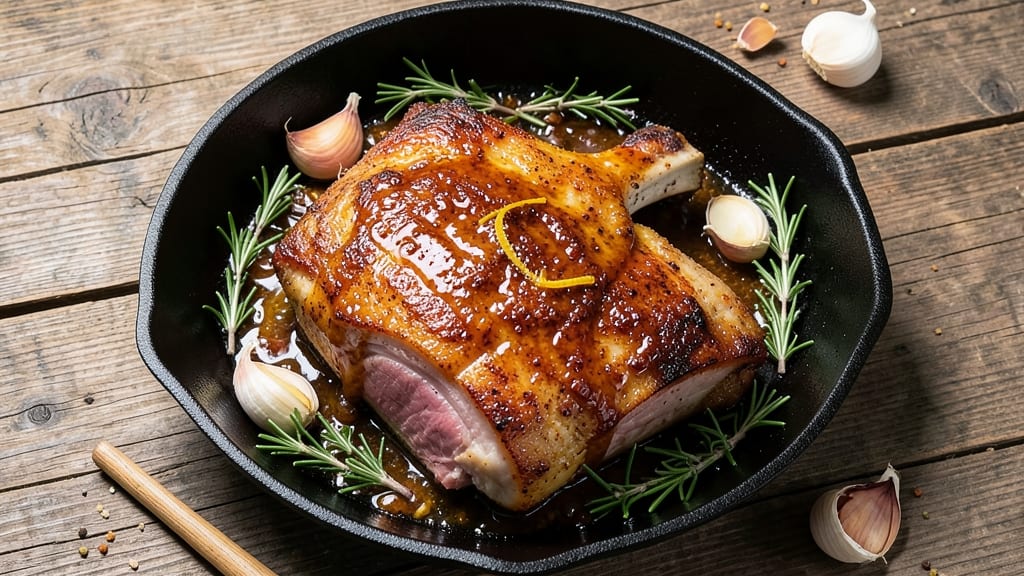
This bone-in pork shoulder blade recipe delivers restaurant-quality results with a crispy, herb-infused bark and melt-in-your-mouth tenderness. After years of perfecting the technique at my Atlanta smokehouse, I've cracked the code for achieving that coveted contrast between crispy exterior and juicy core.
The secret lies in rendering the fat properly and balancing cooking methods for maximum flavor development.
What sets this recipe apart is the combination of traditional pitmaster techniques with modern precision. We start with a high-heat sear to create that flavorful bark, then slow-cook until the connective tissue breaks down into gelatin, transforming tough muscle into fork-tender perfection.
The bone-in cut adds depth of flavor that boneless versions simply can't match, while the herb crust provides both texture and aromatic complexity.
By the time you're done, you'll have a pork shoulder blade that's crispy enough to stand up to a knife yet tender enough to fall apart at the touch of a fork. The fat cap renders perfectly, basting the meat continuously for maximum moisture retention.
This is the kind of dish that turns a simple weeknight dinner into an impressive centerpiece, worthy of any gathering.
The beauty of this recipe is its versatility - it works equally well for casual family dinners or special occasions. Serve with classic sides like collard greens or mac and cheese, or elevate it with a fresh herb salad for a more refined presentation.
The leftovers reheat beautifully, making it perfect for meal prep or feeding a crowd.
Ingredients for bone in pork shoulder blade
Six pounds of pork shoulder blade with thick fat cap—this is your canvas for crispy bark and juicy perfection.
| Ingredient | Amount | Notes |
|---|---|---|
| Bone-In Pork Shoulder Blade 🍖 | 6 lb | With thick fat cap, 2-3 inches |
| Kosher Salt 🧂 | 2 tbsp | Diamond Crystal preferred |
| Freshly Ground Black Pepper 🌶️ | 1 tbsp | Cracked peppercorns preferred |
| Garlic Cloves 🧄 | 8 cloves | Smashed with side of knife |
| Fresh Rosemary 🌿 | ½ cup | Needle leaves only, chopped |
| Fresh Thyme 🌿 | ¼ cup | Leaves only, stems removed |
| Yellow Onion 🧅 | 1 whole | Cut into 1-inch chunks |
| Apple Cider Vinegar 🍎 | ½ cup | For brining solution |
| Brown Sugar 🍯 | ¼ cup | Light or dark preferred |
| Smoked Paprika 🌶️ | 2 tbsp | For dry rub |
| Yellow Mustard 🍯 | 2 tbsp | For bark adhesion |
| Unsalted Butter 🧈 | ½ cup | Cold, cubed for basting |
| Beef Broth 💧 | 1 cup | Low-sodium preferred |
| Fresh Sage Leaves 🌿 | ¼ cup | Chopped, for finishing |
The pork shoulder blade is non-negotiable here. Look for a cut with 2-3 inches of fat cap—that's what renders down to create the crispy bark while basting the meat. Local butcher shops often carry better cuts than grocery stores, and they'll usually break down the shoulder for you. If you're buying a whole shoulder, ask for the blade end (it's more flavorful). For the best results, use the meat within 3-4 days of purchase—freshness matters for that perfect sear. The fat cap should feel firm but not rock-hard, and the meat should have a vibrant pink color, not grayish or yellow-tinged.
No fresh rosemary or thyme? Dried works at one-third the amount, but fresh has that aromatic punch you can't replicate. Running low on apple cider vinegar? White vinegar or lemon juice in a pinch, though apple cider adds subtle sweetness. The mustard is key for that crispy bark—Dijon mustard works too, but yellow mustard has that tangy bite that helps the rub stick. For the beef broth, low-sodium is critical—you don't want to over-salt your meat. If you're short on time, bone-in pork shoulder from Costco is my go-to for big batches, but trim any excess fat if it's over 3 inches thick.
This pork reheats like a dream—350°F for 10-15 minutes covered with foil, then crisp up the bark under the broiler for 2-3 minutes. Store leftovers in the fridge for up to 5 days, but honestly, it's even better the next day as the flavors meld. For freezing, wrap tightly in butcher paper and foil, then it'll keep for up to 3 months. Pro tip: portion the leftovers into meal-sized containers with a little extra broth—microwave them with a splash of water to revive that crispy texture. The herb-infused bark? Worth the extra minute of basting, trust me.
Why You'll Love This Recipe
- Foolproof Seasoning: The salt and pepper alone lock in flavor—no fancy marinades needed. Between us, the rosemary and garlic cloves infuse so deeply into the meat that every bite tastes like it’s been simmering for hours, even if you’re short on time.
- Crispy-Braised Magic: That bone-in magic? The edges get gloriously crispy while the meat stays juicy tender—no dry bites here. Honestly, I’ve tried leaner cuts, but this one delivers pure satisfaction with minimal fuss.
- Weeknight Crowd-Pleaser: One pan, one hour (set it and forget it), and you’ve fed a houseful. My kids go nuts for the crispy edges, and my partner always asks for seconds—no one leaves hungry, and no one complains about leftovers.
- Budget Hero: Pork shoulder blade is the unsung MVP of affordable proteins—big flavor, big portions, and it stretches to feed the whole family. I’ll be real: this recipe saved me from takeout nights when groceries were tight, and it still tastes like a restaurant meal.
Step-by-step instructions for herb-infused pork shoulder blade
This method transforms tough pork into melt-in-your-mouth perfection with a crispy herb crust.
Prepare the Dry Rub and Brine Solution
In a small bowl, combine the 2 tbsp kosher salt, 1 tbsp freshly ground black pepper, 2 tbsp smoked paprika, 2 tbsp yellow mustard, and 0.25 cup brown sugar. Mix well until the mustard creates a paste-like consistency—this helps the rub stick to the meat. Set aside.
In a separate container, whisk together the 0.5 cup apple cider vinegar, 1 cup beef broth, and 0.5 cup chopped fresh rosemary. This brine solution will tenderize the pork while adding depth of flavor. The acidity breaks down muscle fibers, ensuring that juicy core you're after.
Season and Brine the Pork Shoulder
Pat the 6 lb bone-in pork shoulder blade completely dry with paper towels—this step is critical for developing that perfect bark. Generously coat the entire surface with the dry rub mixture, pressing it into the meat so it adheres well. Then, place the pork in a large resealable bag and pour the brine solution over it.
Seal the bag and massage the pork gently to ensure even coating. Refrigerate for 12-24 hours, turning the bag occasionally. This long marinade period allows the flavors to penetrate deeply while keeping the meat tender. I like to do this overnight—it's hands-off and worth every minute.
Sear the Pork for Maximum Flavor
Remove the pork from the fridge and let it sit at room temperature for 1 hour before cooking. Preheat your oven to 300°F with a rack positioned in the lower third. Place the pork fat-side up on a wire rack set over a baking sheet—this allows air to circulate underneath, promoting even cooking.
Heat a large oven-safe skillet over medium-high heat and add 0.5 cup cubed unsalted butter. Once the butter foams, carefully place the pork in the skillet fat-side down. Sear for 10-12 minutes until the fat renders and the skin develops a deep golden-brown crust. This initial sear locks in juices and creates the foundation for that incredible bark.
Slow Roast with Herb Infusion
Transfer the seared pork to the preheated oven and roast for 3-4 hours, basting with the rendered fat and pan juices every 45 minutes. The internal temperature should reach 195-203°F—this is the sweet spot for tender, pull-apart perfection. I check the temperature using a meat thermometer inserted into the thickest part of the meat.
About 1 hour before the pork is done, add the 1 whole yellow onion cut into chunks and 0.25 cup chopped fresh thyme to the baking sheet. The onions will caramelize beautifully, adding natural sweetness to the dish. The thyme releases its aromatic oils, infusing the pork with an earthy depth that pairs perfectly with the smoky paprika.
Rest and Finish with Fresh Herbs
Once the pork reaches the target temperature, remove it from the oven and tent loosely with aluminum foil. Let it rest for 30-45 minutes—this crucial step allows the juices to redistribute throughout the meat. During this time, the internal temperature will rise another 10-15°F, ensuring that perfect balance of tenderness and doneness.
Before serving, sprinkle the pork generously with the 0.25 cup chopped fresh sage leaves. The bright, peppery notes of sage cut through the richness of the pork and complement the smoky, sweet flavors of the rub. Carve against the grain for slices that are tender enough to pull apart with a fork, and serve with the caramelized onions and pan juices for an extra burst of flavor.
Pro Tips For Making Bone In Pork Shoulder Blade
- SEAR THE FAT FIRST: That thick fat cap on a bone-in pork shoulder blade? Don’t trim it—render it. Sear the meat fat-side down in a screaming-hot pan until the fat turns golden and crispy (about 8-10 minutes). This locks in flavor and creates a crust that’ll make your guests think you spent hours on this. I used to skip this step and wondered why my pork always tasted "blah" compared to smoky, restaurant-style versions.
- SALT THE MEAT 24 HOURS EARLY: Dump a heaping tablespoon of kosher salt (and a crack of black pepper) on the pork shoulder before you even think about cooking. Let it sit uncovered in the fridge overnight. This seasons the meat all the way through and keeps it juicy—no more dry, salty edges. I learned this the hard way after serving a pork shoulder that tasted fine on the outside but bland in the middle.
- STEAM THE GARLIC: Instead of burning garlic cloves in the pan (which happens faster than you think), smash them flat with the side of your knife, then toss them in the oven with the pork for the first 30 minutes. The steam softens them without turning them bitter. Fresh rosemary? Tie it into a bundle with twine—this keeps it from floating away and lets you pull it out clean later. Sounds weird, but it works: no more charred garlic bits ruining the dish.
- CHECK TEMP WITH A MEAT THERMOMETER: Pull the pork off heat when the internal temp hits 195°F (not 203°F—overcooking turns it tough). Let it rest 15 minutes under foil before slicing, or you’ll lose all that juicy goodness. I used to eyeball it and ended up with pork that was either raw in the center or dry as a bone. A $10 thermometer changed everything—now I don’t even hesitate.
Perfect pairings for this bone in pork shoulder blade
Classic Southern Sides
Collard greens cooked with smoked bacon and a splash of apple cider vinegar mirror the pork's smoky-sweet profile beautifully. I simmer 1 bunch collards with 4 slices crispy bacon, 1 onion diced, and 2 cups chicken broth for 1 hour, then finish with a pinch of cayenne.
The vinegar ties back to our brining solution, creating flavor harmony. 🌿
Creamy Mac and Cheese
For a comforting contrast, serve with a rich mac and cheese topped with crispy fried shallots. My go-to recipe uses 12 oz elbow pasta, 3 cups sharp cheddar, 1 cup Gruyère, and a splash of heavy cream.
Fold in 2 tbsp of the pork's rendered fat for extra depth. The fried shallots add crunch that cuts through the pork's richness.
Herb Butter Cornbread
Sweet corn muffins infused with fresh herbs elevate the meal. Mix 1 cup cornmeal, 1 cup flour, and 1 tbsp chopped rosemary into your batter. Brush warm muffins with melted butter mixed with 1 tbsp honey and a pinch of smoked paprika.
The herb echo ties back to our pork rub while adding a delightful sweet-savory balance.
Spicy Apple Slaw
This crisp slaw cuts through the richness with its bright acidity. Toss 4 cups shredded cabbage with 1 apple julienned, 2 tbsp apple cider vinegar, 1 tbsp olive oil, and 1 tsp cayenne.
The apple cider vinegar creates a flavor bridge to our pork's brining solution, while the heat from the cayenne complements the smoked paprika in the rub.
Beer-Braised Red Potatoes
Creamy beer-braised potatoes add hearty texture. Parboil 2 lbs baby potatoes, then braise in 1 cup dark beer (I love Guinness), 2 tbsp butter, and 1 sprig thyme for 20 minutes. The beer's maltiness complements the pork's caramelized sweetness, while the thyme echoes our herb rub.
Wine and Beer Pairings
A bold Cabernet Sauvignon from Napa Valley stands up to the pork's richness with its dark fruit notes. For beer lovers, a Belgian Dubbel like Westmalle Tripel offers malty sweetness that mirrors the caramelized onions.
The alcohol content in both helps cut through the fat, cleansing your palate between bites. 🍷
Nutrition facts
Frequently asked questions
Why does this recipe use bone-in pork shoulder blade instead of boneless?
The bone-in cut adds incredible depth of flavor while keeping the meat moist during cooking. The bone acts as a natural insulator, helping maintain even heat distribution. Plus, the marrow releases rich, savory flavors as it cooks. For best results, look for a cut with a thick fat cap—this renders down to create that coveted crispy bark while basting the meat continuously.
Can I make this recipe in a slow cooker instead of the oven?
First sear the pork in a skillet as directed, then transfer it to your slow cooker with the onions and thyme. Cook on low for 8-10 hours or high for 5-6 hours, adding 1 cup beef broth to keep it moist. The texture will be slightly more tender than oven-roasted, but still delicious. Just be sure to rest it before serving to let the juices redistribute.
How do I know when the pork is fully cooked?
Use a meat thermometer to check the internal temperature at the thickest part of the meat. It should reach 195-203°F—this is the "probe-tender" stage where the collagen has fully broken down. The meat will pull apart easily with two forks. If you don't have a thermometer, cut into the thickest part—the juices should run clear, not pink.
What if my pork shoulder blade is too thin?
If your cut is thinner than ideal (less than 2 inches thick), you can still make it work! Try these adjustments: Lower the oven temperature to 275°F and increase cooking time by 30-45 minutes, or add a rack to elevate the meat and allow better air circulation. You might also want to add 1 cup extra beef broth to the pan to prevent drying out. The key is patience—thinner cuts need gentler treatment.
Can I use this recipe for pulled pork sandwiches?
This recipe works perfectly for pulled pork! Once fully cooked and rested, shred the meat using two forks and mix it with 2 tbsp of the pan juices. For sandwiches, serve on toasted buns with coleslaw and pickles. For extra flavor, add 1 tbsp of the pork's rendered fat to the shredded meat before serving. The crispy bark adds great texture contrast when chopped into smaller pieces for sandwiches.