
Main Courses
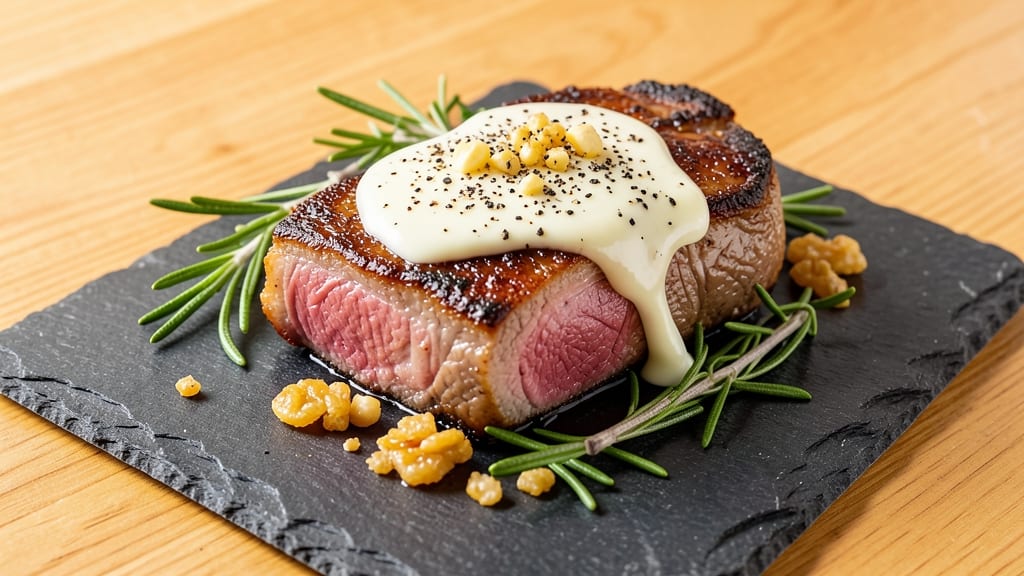
This bone-in pork shoulder blade steak recipe transforms humble cuts into a showstopper with a crispy bone crust that crackles with every bite. The secret lies in high-heat searing followed by low-and-slow cooking—where the bone becomes a flavor conduit, infusing the meat with deep, savory richness.
I perfected this technique after years of experimenting with pork cuts, and the results are restaurant-quality without the fuss.
The magic happens in two stages: first, a hot sear in a cast-iron skillet creates that coveted crust, while the bone renders slowly into the pan, adding layers of umami.
Then, a gentle finish in the oven ensures tender meat with a bone so crispy it practically snaps. No special equipment needed—just patience and precise timing to avoid overcooking.
What you’ll end up with is a juicy, flavor-packed steak where the bone becomes the star—crisp on the outside, tender on the inside, and packed with enough natural fat to keep every bite moist.
The crust alone makes this dish unforgettable, but the real reward is the rich, caramelized essence that seeps into the meat during cooking.
Pair it with creamy mashed potatoes or roasted root vegetables to soak up every last bit of the pan juices. This isn’t just a steak—it’s a centerpiece that turns a simple dinner into an experience. Let’s get cooking.
Ingredients for bone in pork shoulder blade steak
Transform humble pork cuts into a restaurant-worthy centerpiece with these precise ingredients.
| Ingredient | Amount | Notes |
|---|---|---|
| Bone-In Pork Shoulder Blade Steak 🥩 | 2 lb | Thick-cut, 1.5-2 inches thick |
| Kosher Salt 🧂 | 1 ½ tbsp | Diamond Crystal preferred |
| Freshly Ground Black Pepper 🌶️ | 1 ½ tsp | Coarse grind for texture |
| Unsalted Butter 🧈 | ½ cup | Cold, cut into 1-inch cubes |
| Garlic Cloves 🧄 | 4 cloves | Smashed, skin on |
| Fresh Rosemary 🌿 | ¼ cup | Chopped, stems removed |
| Fresh Thyme Leaves 🌿 | ¼ cup | Stripped from stems |
| Olive Oil 🫒 | ¼ cup | High smoke point, for searing |
| Apple Cider Vinegar 🍎 | 1 tbsp | For deglazing |
| Beef Stock 🍲 | ½ cup | Homemade or high-quality |
| Dark Brown Sugar 🍚 | 1 tbsp | For caramelized crust |
| Cast-Iron Skillet 🔥 | 1 whole | 12-inch or larger |
| Heavy-Duty Aluminum Foil 📄 | 1 sheet | For tenting |
The bone-in pork shoulder blade is non-negotiable here—look for cuts with a thick bone (1.5-2 inches) and good marbling. Local butcher shops often carry superior cuts compared to grocery stores, and they'll typically trim it for you. If buying from a supermarket, check the USDA Prime or Choice label for optimal fat distribution. The bone acts as a flavor conduit, so ensure it's clean but intact. For herbs, fresh is essential—dried won't provide the same aromatic punch during searing. Trader Joe's carries excellent pre-chopped rosemary and thyme if you're short on time.
No Diamond Crystal salt? Morton kosher salt works identically, just measure carefully. Substituting butter? Ghee maintains high heat stability better than regular butter. The beef stock can be swapped for vegetable stock if preferred, though the umami depth will differ. For a sweeter crust, add 1 tsp maple syrup to the brown sugar. The apple cider vinegar is critical for deglazing—white wine vinegar works in a pinch, but the fruitiness pairs beautifully with pork. If your skillet isn't cast iron, ceramic or stainless steel with a heavy base will suffice, though cast iron delivers the best crust.
Steaks should rest at room temperature for 30-45 minutes before cooking for even searing. Store any unused fresh herbs wrapped in damp paper towels in a sealed container for up to 5 days. The rendered pork fat in the pan can be refrigerated for 1 week in an airtight container—use it for future roasts or potatoes. For meal prep, cook an extra steak and store it wrapped in foil for 3 days in the fridge, reheating gently in the oven to maintain crispiness. The bone crust is best enjoyed fresh, but the meat itself reheats beautifully.
Why You'll Love This Recipe
- Five-Ingredient Magic: I swear by this—just salt, pepper, butter, garlic, and that glorious bone-in cut. No fancy marinades or last-minute shopping trips. The pork’s natural richness does half the work for you.
- Crispy-Garlic Bliss: That seared crust with garlic butter melting into the tender meat? It’s the kind of flavor that makes you pause mid-bite. Honestly, I’ve tried fancier cuts, but this one delivers every time.
- Weeknight to Dinner Party: Same recipe, different vibes. Weeknight? Toss it on the stove with roasted potatoes. Fancy night? Add a splash of wine and fresh herbs. It’s my go-to for when I don’t want to overthink dinner.
- Budget-Friendly Feast: Bone-in pork shoulder blade is cheaper than most cuts, and one steak feeds two with leftovers that taste even better cold. Between us, I’ve turned last night’s dinner into today’s lunch without a single complaint.
Step-by-step instructions for bone-in pork shoulder blade steak
Mastering this cut delivers restaurant-quality results with a signature crispy bone crust.
Season and Rest the Bone-In Pork Shoulder Blade Steak
Pat the 2 lb bone-in pork shoulder blade steak dry with paper towels, focusing on the thickest sections. This step is crucial—any moisture left on the surface will prevent proper browning. Generously season both sides with the 1.5 tbsp kosher salt and 1.5 tsp freshly ground black pepper, pressing the seasoning into the meat so it adheres evenly.
Place the seasoned steak on a wire rack set over a baking sheet to allow air circulation on all sides. Let it rest at room temperature for 1 hour before cooking. This resting period ensures even cooking and prevents the exterior from overcooking while the center remains raw. The steak should reach room temperature (about 65°F) before hitting the skillet.
Sear the Steak in the Cast-Iron Skillet
Heat the 1 whole cast-iron skillet over medium-high heat until it's screaming hot—you should see a thin layer of steam when you sprinkle a few drops of water into the pan. Add the 0.25 cup olive oil and swirl to coat the bottom evenly. Place the steak in the skillet, bone-side down first, and sear for 4 minutes without moving it. This creates a deep, flavorful crust that will carry through to the bone.
Flip the steak carefully and sear the meat side for another 4 minutes. You'll know it's ready when the edges pull away from the pan with a slight resistance, and the steak develops a deep golden-brown crust. The bone should begin to crisp slightly at the edges—this is your target texture. Remove the steak and let it rest on a cutting board while you prepare the aromatics.
Build the Herb Butter Pan Sauce
Reduce the heat to medium and add the 0.5 cup unsalted butter, cut into 1-inch cubes. Let it melt completely, then add the 4 smashed garlic cloves (skin on) and cook for 1 minute until fragrant. Stir in the 0.25 cup chopped fresh rosemary and 0.25 cup fresh thyme leaves, cooking for another 30 seconds until the herbs release their aromatic oils.
Deglaze the skillet with the 1 tbsp apple cider vinegar, scraping up all the browned bits from the bottom with a wooden spoon. This step captures all the caramelized flavors that will form the base of your sauce. Add the 0.5 cup beef stock and 1 tbsp dark brown sugar, stirring to combine. Let the mixture simmer for 3 minutes until slightly reduced and thickened.
Finish and Rest the Steak
Return the seared steak to the skillet, bone-side up, and spoon the herb butter sauce over the top. Cover the skillet with the 1 sheet heavy-duty aluminum foil and transfer to a preheated 375°F oven. Bake for 12-15 minutes, or until the internal temperature reaches 135°F when measured at the thickest part of the meat (not touching the bone).
The bone should be crispy with a deep mahogany crust, and the meat should be tender but still slightly pink in the center. Remove the steak from the oven and let it rest for 10 minutes before slicing. This resting period allows the juices to redistribute, ensuring each bite is moist and flavorful. The crispy bone crust will maintain its texture perfectly during this time.
Slice and Serve
Slice the steak against the grain into ½-inch thick pieces, cutting through the bone if necessary. The bone should remain crispy and add a delightful crunch to each bite. Serve immediately with the herb butter pan sauce spooned over the top, garnished with additional fresh thyme leaves if desired.
The result should be a perfectly balanced dish: a crispy, caramelized bone crust that contrasts beautifully with the tender, juicy meat underneath. Each slice delivers layers of flavor from the seared exterior, herb-infused butter, and rich pan sauce. Pair with roasted vegetables or a simple arugula salad to complete the meal.
Pro Tips For Making Bone In Pork Shoulder Blade Steak
- SEAR THE BONE FIRST: That exposed bone won’t brown like the meat—start by searing it directly over high heat for 3-4 minutes until it’s deeply caramelized. I learned this the hard way when my first attempt left a pale, underwhelming bone that didn’t contribute to the flavor. Once it’s golden, flip the steak to work on the meat side.
- SALT THE GARLIC: Crush those garlic cloves with a pinch of kosher salt before tossing them into the butter—it keeps them from burning and amps up the flavor. I used to add them raw, and they’d either turn to mush or taste bitter. Salted garlic melts into the butter like a dream, giving every bite a punch.
- DON’T SKIP THE REST: Give the steak a solid 5-10 minutes under foil after cooking, even if it feels like overkill. The bone stays hot longer than the meat, and cutting into it too soon means juices pooling out instead of staying where they belong. (Yes, even if you’re impatient like me.)
- USE COLD BUTTER: Take the butter out of the fridge for the garlic finish—cold butter creates a better crust and won’t turn into a greasy mess. I used to use it straight from the counter, and the steak would steam instead of crisp. Cold butter also clings better to the meat, making every bite richer.
Perfect pairings for bone in pork shoulder blade steak
Classic Side Pairings
The herb butter pan sauce from your steak pairs perfectly with creamy garlic mashed potatoes—their smooth texture contrasts beautifully with the crispy bone crust.
Use 4 cups Yukon Gold potatoes, boiled until tender, then mashed with ½ cup unsalted butter, ¼ cup sour cream, and 2 cloves roasted garlic. The richness of the potatoes soaks up the sauce like a dream. 🥔
For a lighter option, try roasted root vegetables like carrots, parsnips, and celery root. Toss them in 2 tbsp olive oil, 1 tsp thyme, and 1 tsp brown sugar, then roast at 400°F for 30 minutes until caramelized. The natural sweetness balances the savory pork beautifully.
Beverage Pairings
A bold red wine like Cabernet Sauvignon cuts through the richness of the pork and complements the herb butter sauce. I love a Napa Valley Cab with its dark fruit notes and smooth tannins—it stands up to the crispy bone while enhancing the rosemary and thyme flavors. 🍷
For beer lovers, a Belgian-style dubbel offers a malty, slightly sweet contrast. Try Westmalle Dubbel—its caramel and spice notes harmonize with the brown sugar crust and beef stock sauce. If you prefer lighter options, a crisp German pilsner like Warsteiner cleanses the palate between bites.
Garnish & Plating
Finish your plate with toasted breadcrumbs for extra crunch—toss ¼ cup panko with 1 tbsp melted butter and ½ tsp smoked paprika, then toast in a dry skillet for 2 minutes until golden. Sprinkle over the steak just before serving to add texture. 🍞
For a fresh touch, arrange microgreens or thinly sliced radishes around the plate. Their bright acidity balances the richness of the pork, and they add a pop of color. A drizzle of extra-virgin olive oil ties everything together for a restaurant-worthy presentation.
Nutrition facts
Frequently asked questions
Why does the bone need to be seared first?
The initial high-heat sear creates a crispy bone crust that becomes the flavor anchor for your dish. When you sear bone-side down first, the bone renders slowly into the pan, creating a deep, caramelized crust that infuses the meat with rich umami. This technique also prevents the bone from becoming soggy during the oven finish.
Can I use a different cut of pork instead?
While pork shoulder blade steak is ideal, you could substitute with pork ribeye steak or bone-in pork loin chops. The bone-in aspect is crucial for that signature crispy texture—boneless cuts won't achieve the same result. For best flavor, stick with cuts that have good marbling and fat content.
How do I know when the bone is properly crispy?
The bone should have a deep mahogany color and make a satisfying crunching sound when tapped gently with a spoon. Visually, it should look like toasted wood rather than raw bone. If it's still soft after the oven finish, return it to a 400°F oven for 5-7 minutes uncovered to crisp further.
What if my steak overcooks during the oven finish?
Check the internal temperature with a meat thermometer—it should reach 135°F at the thickest part (not touching bone). If it exceeds 145°F, the meat will be dry. To salvage it, slice thinly against the grain and serve immediately with extra sauce. For next time, reduce oven time by 2 minutes and cover more tightly with foil.
Can I make this recipe ahead of time?
Cook the steak completely, then let it cool to room temperature. Wrap tightly in foil and refrigerate for up to 3 days. Reheat in a 350°F oven for 15 minutes wrapped, then crisp the bone under the broiler for 2-3 minutes. The meat will be slightly less crispy but still flavorful. For best results, serve fresh whenever possible.