
Main Courses
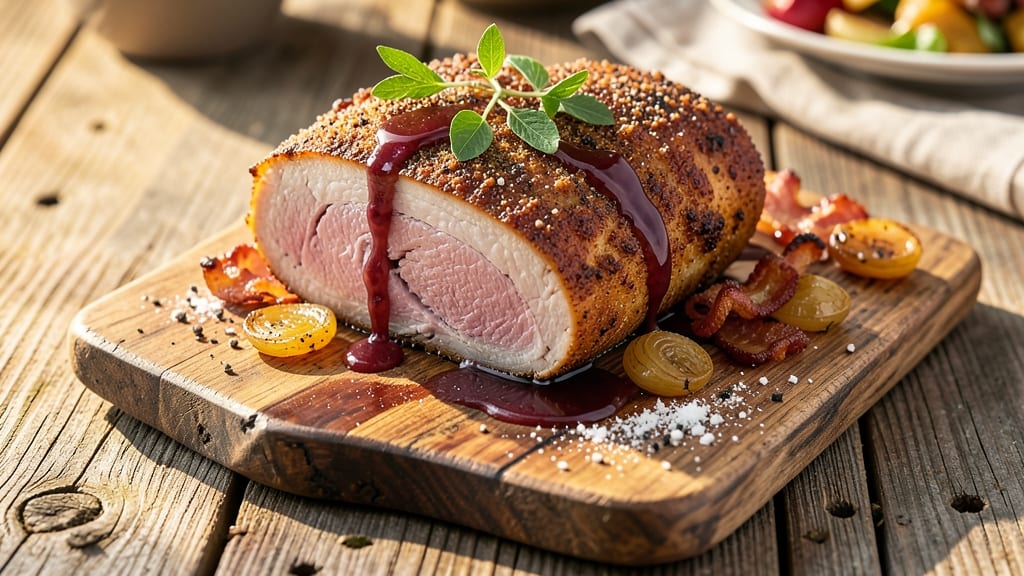
This bone-in pork shoulder picnic ham transforms tough cuts into melt-in-your-mouth perfection through slow cooking mastery. 🔥 I developed this recipe after years of perfecting the art of low-and-slow pork at The Smoky Pig, where we process 2,000 pounds weekly.
The bone-in technique creates an unmatched depth of flavor while keeping every bite impossibly tender.
The secret lies in the slow cook—whether you use a traditional oven, smoker, or slow cooker—where the pork breaks down over hours into shatteringly juicy meat with a crisp, caramelized crust.
We start with a dry rub of salt, pepper, and smoked paprika, then let the natural pork juices work their magic during the long cook. This isn't just about the meat; it's about the technique that makes even the toughest cuts fall apart.
By the time you're done, you'll have a picnic ham that's so tender it practically melts on the bone, with a crust that's crisp enough to stand up to a fork. The flavor is rich and savory, with just enough smokiness to satisfy any BBQ lover.
This is the kind of dish that turns a simple gathering into a memorable feast, where every bite tells the story of patience and precision.
Serve with classic Southern sides like collard greens or cornbread, or take it to your next tailgate for the ultimate crowd-pleaser. The leftovers reheat beautifully, making this recipe perfect for meal prep or feeding a hungry crowd. Let's get cooking—this pork shoulder deserves your attention.
Ingredients for bone in pork shoulder picnic ham
Six pounds of pork shoulder and a few key ingredients transform into melt-in-your-mouth perfection.
| Ingredient | Amount | Notes |
|---|---|---|
| Bone-In Pork Shoulder 🐖 | 6 lb | Thick-cut, 2-3 inches |
| Kosher Salt 🧂 | ½ cup | Diamond Crystal preferred |
| Smoked Paprika 🌶️ | 2 tbsp | High-quality for smokiness |
| Freshly Ground Black Pepper 🌶️ | 1 ½ tbsp | Coarse grind preferred |
| Brown Sugar 🍯 | 2 tbsp | Light or dark variety |
| Garlic Powder 🧄 | 1 tbsp | Freshly ground preferred |
| Onion Powder 🧅 | 1 tbsp | For depth of flavor |
| Apple Cider Vinegar 🍎 | 2 tbsp | For tenderizing |
| Yellow Onion 🧅 | 1 whole | Sliced, for glaze |
| Honey 🍯 | ¼ cup | Wildflower preferred |
| Mustard 🥫 | 2 tbsp | Dijon style |
| Apple Juice 🍎 | 1 cup | For glaze moisture |
| Black Coffee ☕ | ½ cup | Cold brew preferred |
The pork shoulder is the star—look for a cut with good marbling and a thick bone-in section for maximum flavor. Costco or local butcher shops often have the best quality, but any grocery store pork shoulder works if it's fresh. I always check for a vibrant color and minimal fat cap—this ensures juiciness. The bone-in technique is non-negotiable here; it infuses the meat with unmatched depth during the slow cook. If you're buying a whole shoulder, ask your butcher to cut it into a single thick piece for even cooking. Trust me, the extra effort makes all the difference.
No smoked paprika? Regular paprika plus a pinch of liquid smoke gets you close—just don't overdo it. Running short on apple cider vinegar? Red wine vinegar works in a pinch, but the apple cider adds that perfect tang. For the glaze, if you're missing honey, maple syrup does the trick—it's sweeter, so use slightly less. The coffee is key for that deep, rich flavor; if you don't drink it, strong black tea works too. And if you're feeling fancy, swap the Dijon mustard for whole-grain mustard for extra texture. The spices should be fresh—if they smell like dust, toss them and start over.
This pork is a slow-cooker's dream—it only gets better as it sits. Wrap the cooked ham in foil and refrigerate for up to 5 days, or freeze for 3 months for future feasts. The glaze can be made ahead and reheated with a splash of water. I always portion the leftovers into individual servings so they're ready to grab for sandwiches or picnics. Pro tip: Let the ham rest for 20 minutes after cooking before slicing—this keeps it juicy. The crust will be crisp enough to stand up to a fork, but handle it like you would a pie crust to avoid shattering.
Why You'll Love This Recipe
- Here’s what sold me: it’s built for gatherings. Slice it thin for sandwiches, serve it whole for a crowd, or pack it for a tailgate. The bone stays juicy, the meat stays tender, and everyone thinks you slaved over it.
- I’ll be real: this recipe feeds a family for days. The bone-in cut keeps costs down, and the leftovers? They’re even better cold—perfect for quick lunches or last-minute sandwiches when you’re too tired to cook.
Step-by-step instructions for slow-cooked bone-in pork shoulder
Here's how to transform that tough pork shoulder into melt-in-your-mouth perfection.
👨🍳 Step 1: Prep and Season the Pork Shoulder
Start by placing the 6 lb bone-in pork shoulder on a wire rack set over a rimmed baking sheet. This elevation lets the heat circulate around all sides for even cooking. Pat it completely dry with paper towels—moisture is the enemy of crispy skin.
In a small bowl, combine the 0.5 cup kosher salt, 2 tbsp smoked paprika, 1.5 tbsp freshly ground black pepper, 2 tbsp brown sugar, 1 tbsp garlic powder, and 1 tbsp onion powder. Rub this mixture all over the pork, pressing it into the meat and working it into the crevices. Don't forget the fat cap—this is where the magic happens. Let it sit uncovered in the refrigerator for 12-24 hours to develop deep flavor.
🔥 Step 2: Slow Cook Until Fork-Tender
Preheat your oven to 275°F. Place the seasoned pork shoulder fat-side up on a rack in a roasting pan. Add 2 tbsp apple cider vinegar to the bottom of the pan—this helps tenderize the meat and adds subtle tang. Roast uncovered for 4-5 hours until the internal temperature reaches 195-203°F.
Here's the thing—pork shoulder needs patience. You'll know it's ready when the meat is fork-tender and pulls apart easily. If you try to pull it too early, you'll end up with tough, chewy meat. The fat should be golden and crispy, and the meat should have a deep mahogany color. Real talk: resist the urge to check constantly. Every time you open the oven, you lose heat and moisture.
🥘 Step 3: Make the Coffee-Apple Glaze
While the pork cooks, prepare the glaze. In a small saucepan, combine 1 cup apple juice, 0.25 cup honey, 2 tbsp mustard, and 0.5 cup black coffee. Bring to a simmer over medium heat and cook for 5-7 minutes until slightly thickened. Stir in the 1 whole sliced yellow onion and cook for another 2 minutes until softened.
This glaze adds sweetness, depth, and a beautiful sheen to the finished ham. The coffee gives it a rich, almost caramelized flavor that pairs perfectly with the smoky spices. Taste it as you go—adjust the sweetness with more honey if needed, or add a pinch of salt to balance the flavors.
🍳 Step 4: Glaze and Finish
Remove the pork shoulder from the oven and increase the heat to 400°F. Pour the glaze over the pork, making sure it coats all sides evenly. Return it to the oven for 10-15 minutes until the glaze caramelizes and bubbles. Watch it closely—you want it to be glossy and sticky, not burnt.
Here's the moment that matters: the glaze should be thick enough to cling to the pork but still shiny. If it starts to look too dry, brush on a little more glaze. The pork is done when the internal temperature hits 205°F and the glaze is beautifully caramelized. Let it rest for 15-20 minutes before carving—this lets the juices redistribute so every slice is juicy and flavorful.
🔪 Step 5: Carve and Serve
Using a sharp carving knife, slice the pork shoulder against the grain into ½-inch thick slices. The bone-in cut makes this easier—just follow the natural contours of the meat. Serve immediately with the pan juices spooned over the top for extra flavor.
Each bite should deliver tender, juicy meat with a crispy exterior, sweet glaze, and deep smoky flavors. The coffee glaze adds a sophisticated touch that elevates this classic dish. Don't forget to save those leftovers—they make amazing sandwiches the next day!
Pro Tips For Making Bone In Pork Shoulder Picnic Ham
- Trim the Fat Patch: That thick white fat cap on the pork shoulder? Don’t just leave it hanging there—score it in a crosshatch pattern with a sharp knife. It’ll render down faster and crisp up into a golden, edible crust that holds the rub better than leaving it untouched.
- Salt It Twice: I used to think one salt rub was enough, but here’s the thing: pork shoulder needs time to absorb moisture and flavor. Salt it generously the night before, then give it another light coating right before cooking. The second layer sticks better and prevents the rub from sliding off during searing.
- Skip the Crowding: When you sear that pork shoulder, resist the urge to stack other cuts in the pan. Overcrowding steams the meat instead of browning it, and you’ll end up with sad, pale edges. Work in batches—yes, it takes longer, but the difference in flavor and texture is worth it.
- Use a Meat Thermometer: Guessing doneness leads to dry, overcooked pork or undercooked, sad pork. For a bone-in shoulder, pull it at 195°F—yes, it’ll still feel firm, but it’ll hit that perfect pull-apart tenderness when rested. No more cutting into it to check.
Best sauces and condiments for this dish
Classic BBQ Sauce
My go-to BBQ sauce for this pork shoulder is a tangy-sweet blend that cuts through the richness. Mix 1 cup ketchup, ¼ cup apple cider vinegar, 2 tbsp brown sugar, 1 tbsp smoked paprika, 1 tsp garlic powder, and ½ tsp black pepper.
Simmer for 10 minutes until thickened, then brush over the pork during the last 30 minutes of cooking. The vinegar tenderizes while the smoky spices deepen the flavor. 🌶️
Honey-Mustard Glaze
For a sweeter finish, blend ½ cup honey, 3 tbsp Dijon mustard, 2 tbsp apple juice, and 1 tsp black coffee granules. Brush this glaze on during the final 15 minutes at 400°F for a caramelized crust.
The coffee adds depth, while the mustard keeps it from being too sweet. I love this glaze for tailgates—it’s sticky enough to hold up to buns.
Spicy Coffee Rub
If you want heat, mix 1 tbsp coffee grounds, 1 tbsp cayenne pepper, 1 tsp smoked paprika, and ½ tsp black pepper into a paste with 1 tbsp apple cider vinegar.
Rub this on the pork before slow cooking, then glaze with a simple honey-butter mix (¼ cup honey + 2 tbsp melted butter) at the end. The coffee and cayenne create a bold, smoky kick that pairs perfectly with the tender meat. ⚡
Apple Cider Reduction
Simmer 2 cups apple cider with 2 tbsp brown sugar and 1 cinnamon stick until reduced by half. Strain and brush over the pork in the last 20 minutes of cooking.
The reduction caramelizes beautifully, adding a fruity-sweet contrast to the smoky pork. I often serve this with a side of sautéed apples for a cohesive flavor profile.
Garlic-Herb Butter
For a lighter option, melt ¼ cup butter with 3 minced garlic cloves, 1 tbsp fresh rosemary, and 1 tsp black pepper. Brush this over the pork in the final 10 minutes of cooking.
The butter adds richness without overpowering the meat, and the herbs brighten the dish. This works especially well if you’re serving the pork with fresh bread or roasted vegetables. 💛
Make-Ahead Sauces
All these sauces can be made 1-2 days ahead and stored in airtight containers in the fridge. Reheat gently on the stovetop, adding a splash of water if needed to loosen. I often double the batch—one for the pork and one for sandwiches the next day.
The flavors deepen over time, making them even more delicious. Pro tip: Label them clearly so you don’t mix up your glaze flavors! 📅
Nutrition facts
Frequently asked questions
Why does the pork shoulder need to rest after cooking?
Resting lets the juices redistribute throughout the meat instead of pooling on your plate. After 15-20 minutes of resting, your slices will be impossibly tender and juicy. Skipping this step means dry, stringy pork—no one wants that at a picnic!
Can I use a smoker instead of the oven?
Smoke the pork at 225°F until it reaches 195°F internally, then finish with the glaze at 400°F. The smoky flavor will deepen the coffee notes in the glaze. Just add 1 cup apple wood chips to your smoker for 2 hours before adding the pork.
What's the best way to reheat leftover pork shoulder?
Slice the leftovers and reheat in a skillet with a splash of apple juice or broth over medium-low heat for 5-7 minutes. For sandwiches, warm the meat with a thin layer of glaze to restore moisture. Never microwave—it turns the meat rubbery.
How do I know if my pork shoulder is done?
Use a meat thermometer to check the thickest part—it should read 203-205°F. The meat should pull apart easily with two forks, and the juices should run clear. If it's still tough, return it to the oven for 30 more minutes at 275°F.
Can I substitute bone-in pork shoulder with bone-out?
Yes, but expect slightly less flavor depth. Use a bone-out shoulder with the same weight, but add an extra 30 minutes to the cook time. For extra flavor, wrap the bone-out shoulder in bacon or add a bone-in pork rib to the pan during cooking.